
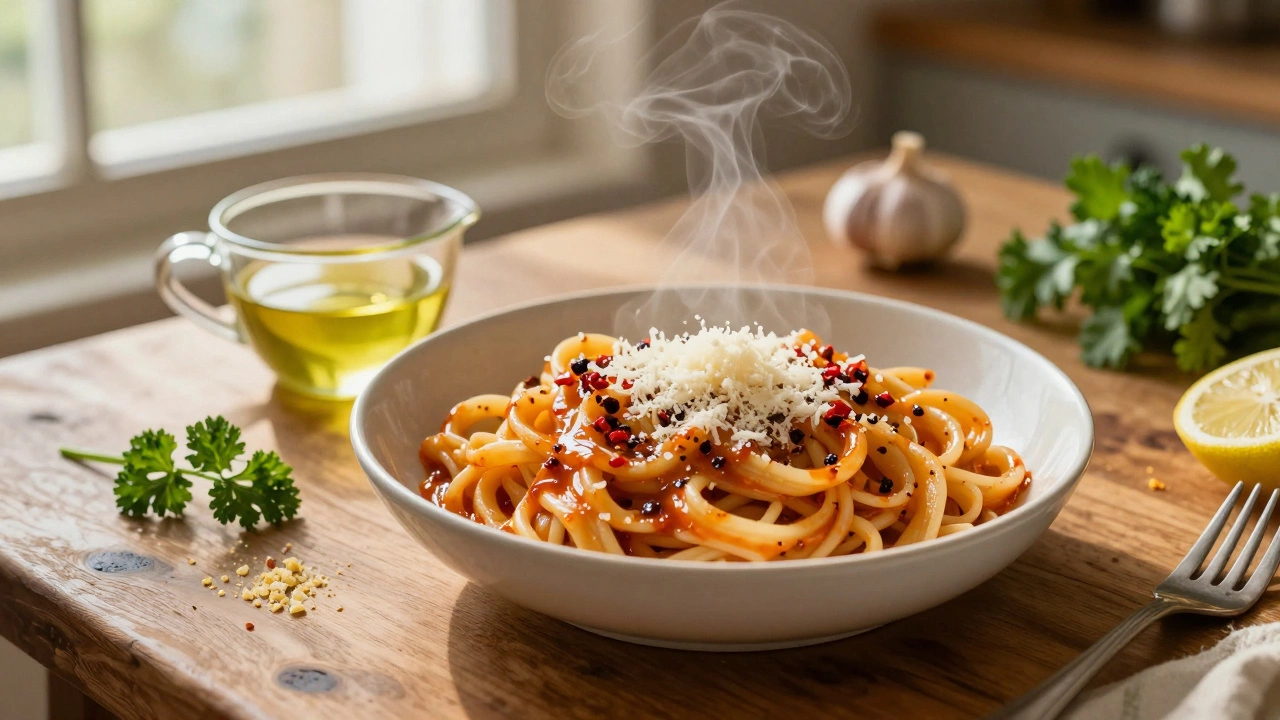
Everyone knows how to boil pasta. But what you put on top of it? That’s where the magic happens-or the disaster. Too much garlic? Too little cheese? A soggy mess instead of a silky sauce? You’re not alone. Most people stick to the same three toppings because they don’t know what else works. But pasta is one of the most flexible dishes on the planet. It’s not just spaghetti with marinara. It’s a blank canvas for flavor, texture, and comfort.
Start with the sauce base
The foundation of any great pasta dish isn’t the pasta itself-it’s the sauce. And no, sauce doesn’t mean jarred marinara. Even if you’re using store-bought, you need to build on it. Heat olive oil in a pan, toss in a crushed garlic clove and a pinch of red pepper flakes. Let it sizzle for 30 seconds, then add your sauce. This step, called sofrito, unlocks flavors you didn’t know were missing. Let the sauce simmer for 10 minutes while you cook the pasta. Don’t drain it all the way. Save a cup of starchy water. That’s your secret weapon.
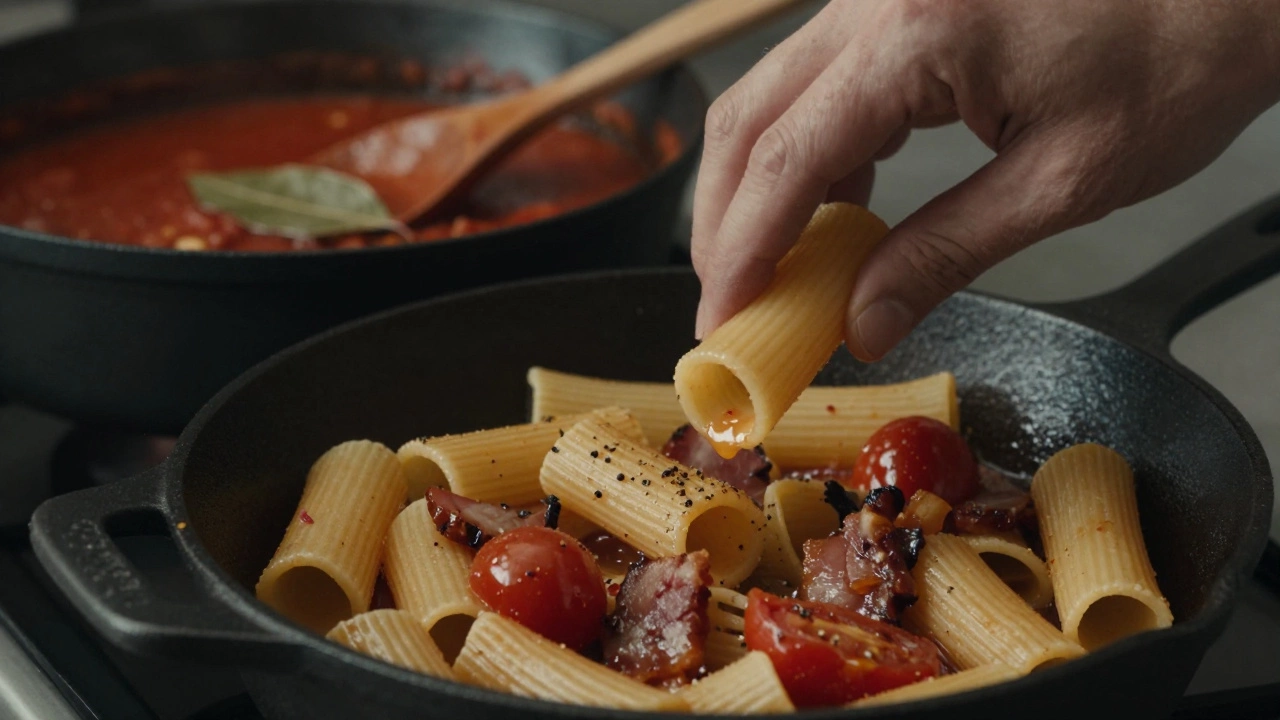
Oil-based sauces like aglio e olio work best with thin pasta like spaghetti or linguine. Creamy sauces like carbonara or Alfredo need short, ridged shapes like rigatoni or penne so they cling. Tomato-based sauces? They love thick, tubular pastas like ziti or paccheri. The shape holds the sauce, and the sauce holds the flavor.
Proteins that actually belong in pasta
Chicken? Sure. But only if it’s crispy on the outside and juicy inside. Pan-sear chicken thighs with salt, pepper, and a little paprika. Toss them in at the end so they don’t dry out. Ground beef? Skip the bland meatballs. Brown it with fennel seeds and a splash of red wine. Let it reduce, then mix it into your tomato sauce. It’ll taste like Nonna made it.
Seafood works surprisingly well. Shrimp cooked in garlic butter and lemon zest? Add them in the last minute. Clams steamed in white wine and parsley? Toss them with linguine and a splash of the cooking liquid. Anchovies? Don’t run. Melt two into hot oil with garlic. They dissolve into umami gold. You won’t taste fish-you’ll taste depth.
And don’t forget pancetta. Not bacon. Pancetta. It’s salt-cured, not smoked. Crisp it up, then use the fat to sauté your veggies. It’s the backbone of classic Roman pastas like carbonara and amatriciana.
Vegetables that elevate, not overwhelm
Just tossing in spinach or broccoli doesn’t count. You need to cook them right. Sauté mushrooms until they release their water and turn golden. That’s where the flavor lives. Roast cherry tomatoes until they burst-then toss them with hot pasta and basil. The juice becomes part of the sauce.
Broccoli rabe? Blanche it first, then sauté with garlic and chili. It adds bitterness that cuts through rich cheese. Zucchini? Slice it thin, salt it, and let it drain for 15 minutes. Then pan-fry until crisp. It adds texture without sogginess.
Onions? Caramelize them slowly. Take 20 minutes. Let them turn deep brown and sweet. Stir them into your sauce. They turn ordinary pasta into something that feels like a celebration.
Cheese isn’t optional-it’s the glue
Grated Parmesan? Yes. But don’t just sprinkle it on top. Add it to the pasta while it’s still hot, right after you drain it. The heat melts it into the sauce. Then add more at the end for texture. Pecorino Romano? Saltier, sharper. Perfect for amatriciana or cacio e pepe. Ricotta? Dollop it on top of baked ziti or ravioli. It melts into creamy clouds.
And don’t forget the aged ones. Aged Asiago adds nuttiness. Grana Padano is milder than Parmesan but just as good. Even a little crumbled blue cheese on a creamy pasta? Unexpected, but it works. The salt and tang balance the richness.
Herbs and aromatics that make it taste homemade
Basil? Add it at the end. Heat kills its brightness. Fresh parsley? Chop it fine and sprinkle it over everything. It adds color and a clean bite. Oregano? Use dried if you’re making tomato sauce. Fresh oregano is too strong unless you’re grilling it with vegetables.
Garlic? Don’t burn it. Cook it low and slow. If it turns brown, you’ve ruined it. Lemon zest? Grate it over finished pasta. A little goes a long way. It wakes up heavy sauces. Red pepper flakes? Add them to the oil at the start. They infuse the whole dish with warmth.
And here’s something most people skip: bay leaves. Toss one into your tomato sauce while it simmers. Remove it before serving. It adds earthy depth you can’t name-but you’ll miss it when it’s gone.
Texture matters more than you think
Pasta isn’t just about taste. It’s about mouthfeel. Crunchy toppings make a difference. Toasted breadcrumbs? Toss panko in olive oil, salt, and thyme. Bake until golden. Sprinkle them on top. They give you a contrast to soft noodles.
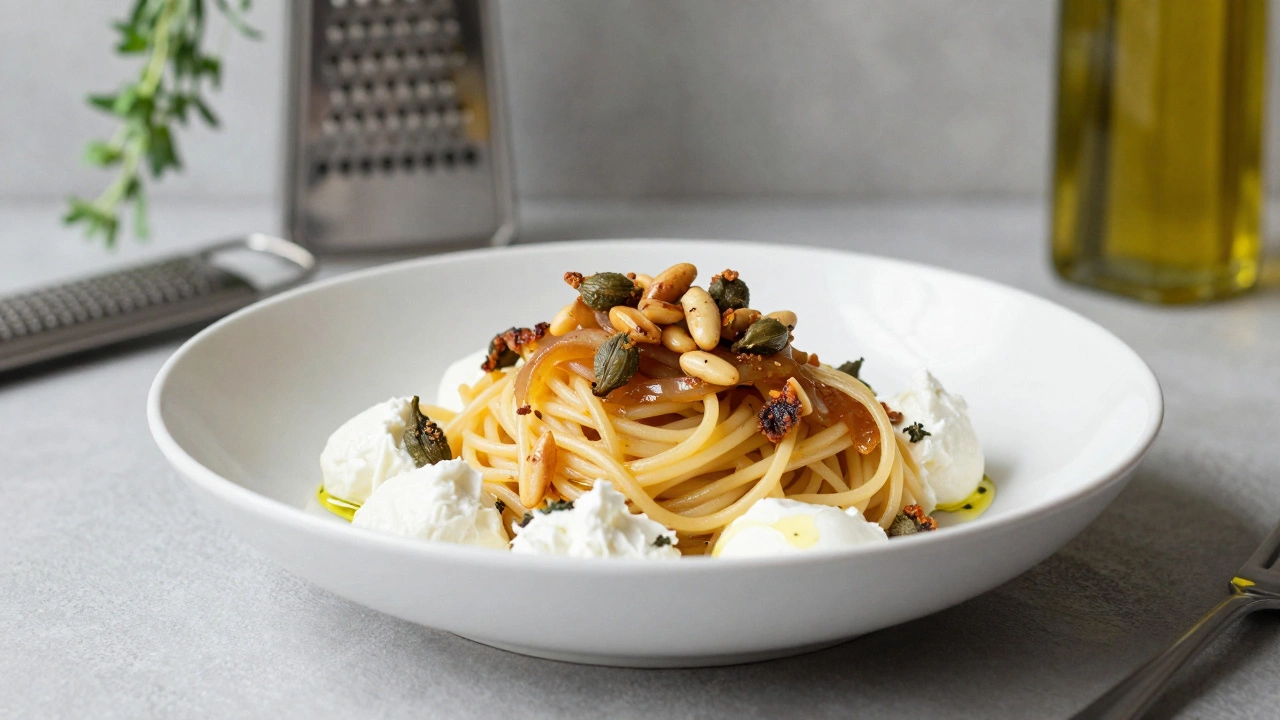
Croutons? Too boring. Try fried capers. Drain them, pat dry, and fry in olive oil for 20 seconds. They pop with salt and tang. Pine nuts? Lightly toast them. They add buttery crunch to pesto or spinach pasta.
Even a sprinkle of flaky sea salt at the end-like Maldon-makes the flavors pop. Same with freshly ground black pepper. Don’t use pre-ground. Grind it yourself. The difference is night and day.
What not to put in pasta
Don’t add raw onions. They’ll crunch in your teeth and taste raw. Don’t dump cold butter on hot pasta. It won’t melt-it’ll clump. Don’t use low-quality olive oil. If it tastes bitter or rancid, toss it. Your pasta will taste like it too.
And avoid pre-shredded cheese. It’s coated in anti-caking powder so it won’t melt smoothly. Grate your own. It takes 30 seconds. Your sauce will be silkier.
Also skip the “everything bagel” seasoning trend. It’s not a pasta topping. It’s a gimmick. Same with powdered garlic. Fresh or nothing.
Quick combos to try tonight
- Garlic oil + chili + parsley + lemon zest - Simple, bright, ready in 15 minutes.
- Pancetta + peas + Parmesan + black pepper - A Roman classic that tastes like comfort.
- Roasted cherry tomatoes + fresh basil + ricotta dollops - Summer in a bowl.
- Shrimp + garlic + white wine + lemon + parsley - Restaurant-quality in 20 minutes.
- Mushrooms + thyme + cream + truffle oil (just a drop) - Fancy, but easy.
Final tip: Taste as you go
Don’t wait until the end to check seasoning. Taste your sauce after you add salt. Taste it again after you add cheese. Taste it after you add herbs. Pasta absorbs flavor fast. If it tastes flat at the end, you can’t fix it. Adjust while you cook.
And remember-there’s no one right way. Your pasta, your rules. But if you start with good ingredients, cook with intention, and layer flavors step by step, you’ll never go back to the box again.
What’s the most important ingredient in pasta?
The most important ingredient isn’t cheese or meat-it’s the starchy pasta water. It’s the secret to making sauce cling to noodles instead of sliding off. Always save at least one cup before draining. Stir it in slowly until the sauce becomes silky.
Can I use frozen vegetables in pasta?
Yes, but only if you cook them properly. Thaw them first, then sauté in a hot pan with olive oil until they lose their icy texture. Frozen peas, spinach, and corn work well. Just don’t add them straight from the freezer-that’ll cool down your sauce and make it watery.
Why does my pasta sauce taste flat?
Flat sauce usually means missing acidity or salt. A splash of lemon juice or red wine vinegar brightens tomato sauces. A pinch of sugar balances bitterness. And don’t forget to season in layers-salt the water, salt the sauce, then taste again before serving. Underseasoned pasta is the #1 mistake home cooks make.
What pasta shape works best for creamy sauces?
Rigatoni, penne, or fusilli. Their ridges and hollow centers trap thick sauces like Alfredo or carbonara. Long, smooth noodles like spaghetti won’t hold onto creamy textures as well. The sauce needs something to cling to.
Is it okay to add butter to pasta?
Yes-but not as a replacement for olive oil or sauce. A small pat of butter at the end (about a tablespoon for four servings) adds richness and shine. It’s common in Italian kitchens to finish a sauce with butter. But don’t melt it into cold pasta. Add it while the pasta is still hot so it emulsifies into the sauce.