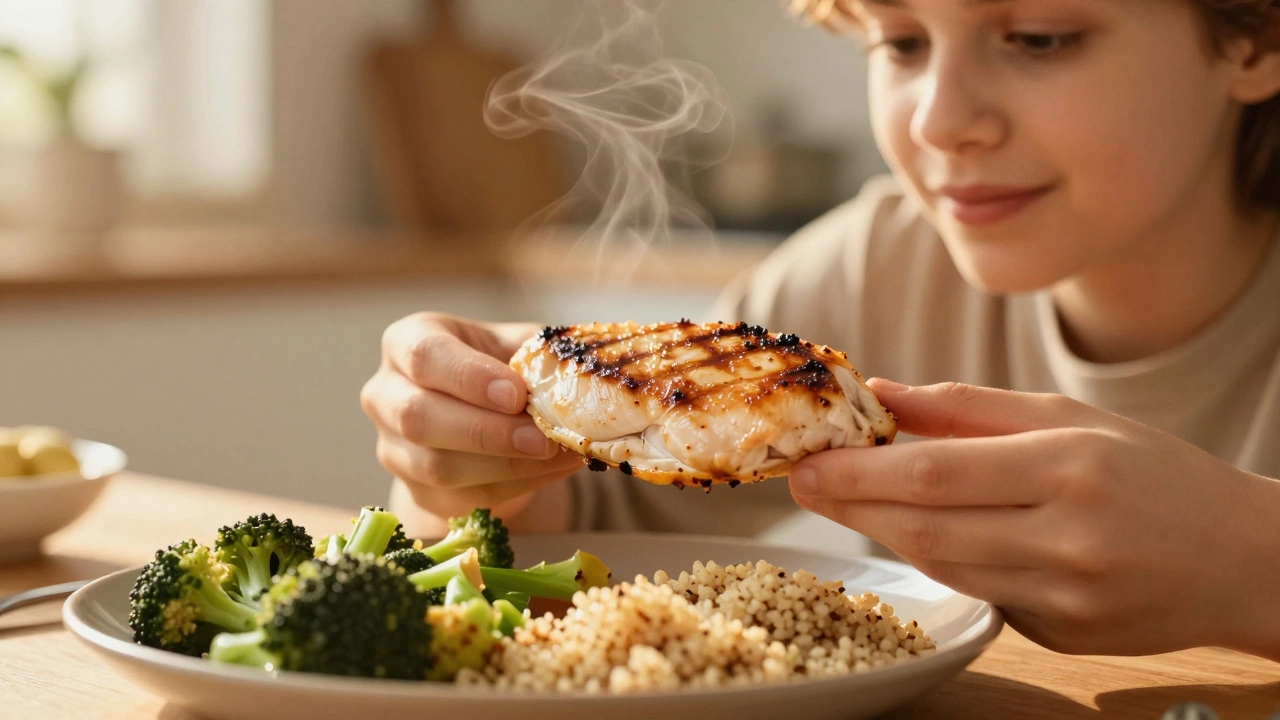
Going from vegetarian to omnivore, a dietary shift where someone who avoids meat begins including it again. Also known as reintroducing animal protein, it’s not about turning back—it’s about choosing what works for your body, lifestyle, and cravings. This isn’t a trend. It’s a real choice millions make every year, often after years of avoiding meat for health, ethics, or environment reasons. Maybe you tried vegetarianism and felt tired. Maybe you missed the taste of a juicy burger. Or maybe you just wanted more variety on your plate. Whatever the reason, moving from vegetarian to omnivore doesn’t mean you have to go all-in on bacon and steak overnight.
It’s not about replacing your beans and tofu with factory-farmed chicken. It’s about plant-based diet, a way of eating centered on whole foods like vegetables, legumes, grains, and nuts staying strong while adding meat thoughtfully. People who make this shift successfully don’t throw out their old habits—they build on them. They start with eggs or dairy if they’re not vegan, then try fish or poultry before moving to red meat. They pay attention to how their body feels. Some notice better energy. Others find their digestion improves. A few even report clearer skin and stronger nails. But it’s not magic—it’s about quality. The same rules that made their vegetarian diet healthy still apply: choose whole foods, avoid processed junk, and cook simply.
And here’s the thing: you don’t need to eat meat to be healthy, but if you choose to, you deserve to do it right. That means learning how to cook chicken without drying it out, knowing when to add potatoes to a slow cooker so they don’t turn to mush, and understanding why rinsing marinade off chicken before baking is a mistake. These aren’t just cooking tips—they’re part of the transition. You’re not just adding meat. You’re adding skills. You’re learning how to handle ingredients that behave differently than lentils or tofu. You’re figuring out how to balance flavor, texture, and nutrition without going back to the fast-food habits you left behind.
What you’ll find below isn’t a lecture on why you should or shouldn’t eat meat. It’s a collection of real stories, real questions, and real answers from people who’ve walked this path. From how butter fits into a vegetarian diet to what vegans actually eat to replace meat, these posts give you the tools to make informed choices. You’ll see what happens when you stop eating meat for a week—and what happens when you start again. You’ll learn which chicken breeds actually taste better, why slow cookers need to be half full, and how to fix overcooked meat without starting over. This isn’t about ideology. It’s about eating well, feeling good, and cooking with confidence—no matter where you are on your food journey.