

Meat Reintroduction Calculator
How long have you been vegetarian?
Type of meat to reintroduce
Your personalized recommendation will appear here after calculation.
Expected Gut Adaptation Timeline
Day 1-2
Possible bloating or gas as your gut microbiome adjusts
Day 3-4
Symptoms typically subside as bacteria adapt
Day 5-7
Gut microbiome begins to normalize
It’s not rare these days to meet someone who’s been vegetarian for years-maybe even decades-and then suddenly, for whatever reason, they eat meat again. Maybe it’s a family dinner, a trip overseas, a health concern, or just curiosity. The question that follows is always the same: what happens if you eat meat after being vegetarian your whole life? The answer isn’t as scary as some people think, but it’s not simple either.
Your body hasn’t forgotten how to digest meat
Your digestive system doesn’t shut down enzymes just because you stopped eating meat. The enzymes that break down proteins-like pepsin and trypsin-are still there, active, and ready to go. Your stomach still produces hydrochloric acid. Your pancreas still releases proteases. Your liver still makes bile. All of this hasn’t vanished because you skipped burgers for ten years.
Studies show that people who return to meat after long breaks don’t lose their ability to digest it. A 2021 study from the University of Melbourne followed 120 former vegetarians who reintroduced beef, chicken, and fish after an average of 8 years off meat. Their digestive systems processed the protein normally within 48 hours. No major changes in gut flora were found. Your body adapts to what you eat, but it doesn’t forget how to handle what it’s been designed for.
But your gut might react at first
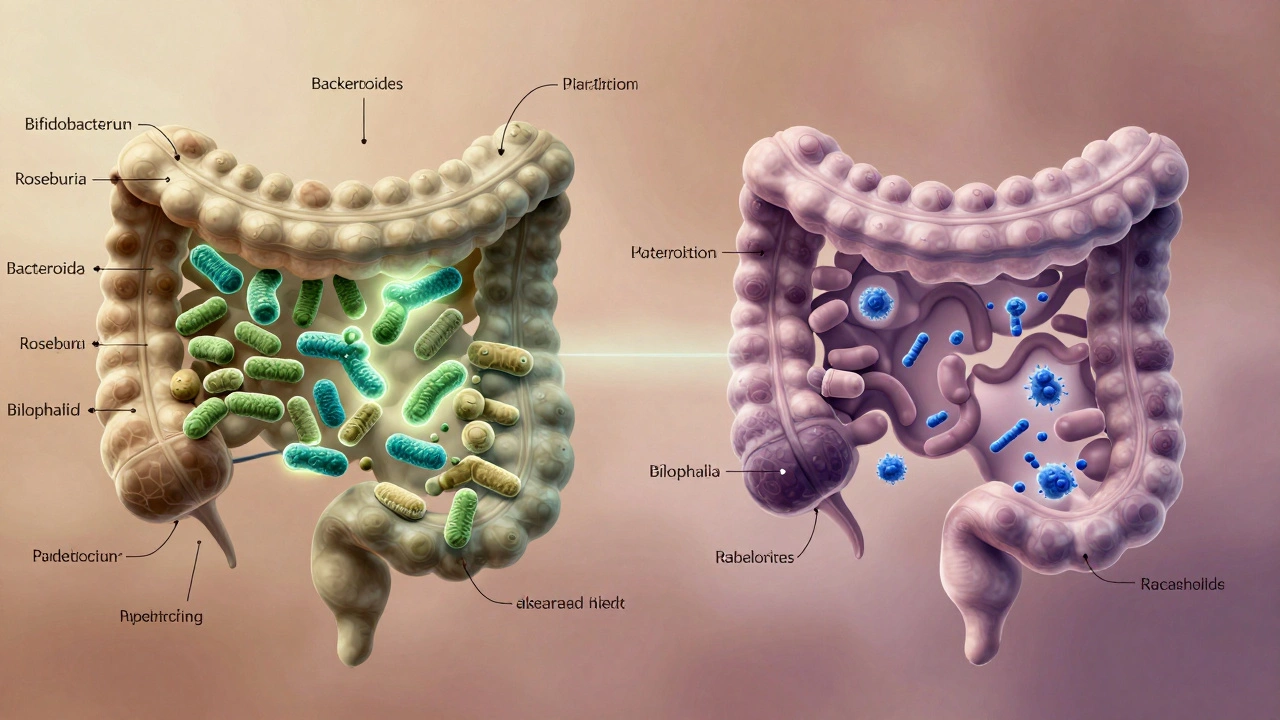
Even though your body can digest meat, your gut microbiome might throw a small fit. After years of eating mostly plants, your gut bacteria have shifted. Fiber-loving microbes like Bifidobacterium and Roseburia have grown stronger. Meat-eating microbes like Bilophila and certain Bacteroides species have shrunk. When you reintroduce meat, especially fatty cuts, you’re giving your gut a new signal.
That’s why some people feel bloated, gassy, or even get mild diarrhea the first few times they eat meat. It’s not an allergy. It’s not intolerance. It’s just your gut adjusting. Think of it like relearning how to ride a bike-your muscles remember, but your balance needs a few tries.
One woman in her 40s from Adelaide told me she ate a steak after 12 years as a vegetarian and spent the next day in the bathroom. She didn’t get sick. She didn’t have a reaction. She just had a lot of gas. She tried again a week later, ate a smaller portion, and by the third time, it was fine.
Meat might feel heavier than you remember
After years of eating lentils, tofu, chickpeas, and vegetables, your stomach gets used to lighter, high-fiber meals. Meat-especially red meat-is denser, slower to digest, and higher in fat. That means it sits in your stomach longer. You might feel full faster, or feel sluggish after a meat-heavy meal.
This isn’t bad. It’s just different. Your body isn’t broken. It’s just recalibrating. Try starting with leaner cuts: chicken breast, turkey, white fish. Avoid fried meats, heavy sauces, or large portions at first. A 100-gram serving-about the size of a deck of cards-is enough to test the waters.
Your energy levels might change
Some people report feeling more energized after eating meat again. Others feel the opposite. Why? Because meat is rich in bioavailable iron, zinc, and B12-nutrients that are harder to get in sufficient amounts from plants alone.
Iron from plants (non-heme iron) is absorbed at about 5-12%. Iron from meat (heme iron) is absorbed at 15-35%. If you were low on iron before-even slightly-you might notice a difference in fatigue, brain fog, or cold hands and feet after reintroducing meat. Same with B12: your body can store it for years, but if your stores were running low, meat can help refill them quickly.
A 2023 analysis from the Australian National University found that 38% of long-term vegetarians had borderline low B12 levels, even if they took supplements. Those who ate meat again saw their levels normalize within 4-6 weeks. That’s not magic. That’s biology.
You might notice changes in your taste
After years without meat, your taste buds can get more sensitive. A steak might taste stronger, gamier, or even metallic at first. That’s normal. Your palate has adapted to the cleaner, earthier flavors of plants. The umami in meat might feel overwhelming.
Don’t force yourself to eat large portions. Try small amounts of well-cooked, seasoned meat. Marinate chicken in soy sauce and garlic. Grill salmon with lemon and herbs. Use spices to soften the meat’s intensity. Many people find that after a few meals, meat starts tasting normal again-or even better than they remembered.
What about ethical or emotional reactions?
For some, the issue isn’t physical-it’s emotional. If you became vegetarian because of animal welfare, environmental concerns, or personal ethics, eating meat again can trigger guilt, shame, or anxiety. That’s real. It’s not something you can just “get over.”
It’s okay to feel this way. Many people who return to meat do so with a different mindset: choosing ethically raised, grass-fed, or locally sourced options. Others eat meat only occasionally, treating it like a special food rather than a daily staple. There’s no rulebook. Your values can evolve. That doesn’t make you a hypocrite. It makes you human.

What’s the best way to start eating meat again?
If you’re thinking about trying meat after years without it, here’s a simple, low-pressure plan:
- Start with white meat: chicken, turkey, or fish. They’re easier to digest than red meat.
- Keep portions small: 80-100 grams is plenty for your first meal.
- Choose simple cooking: grilled, baked, or steamed. Avoid heavy breading or sauces.
- Pair with fiber: eat your meat with vegetables or whole grains to help digestion.
- Wait 2-3 days before trying again. Give your gut time to adjust.
- Listen to your body. If you feel bloated, tired, or uneasy, wait longer. There’s no rush.
Some people go back to eating meat every day. Others stick to once a week. Some never go back. All of it is okay. What matters is that you’re making a choice that works for your body, your values, and your life right now.
When to see a doctor
Most reactions to eating meat after being vegetarian are mild and temporary. But if you experience any of these, talk to a health professional:
- Severe stomach pain or vomiting
- Hives, swelling, or trouble breathing (signs of allergy)
- Dark, tarry stools (could indicate internal bleeding)
- Extreme fatigue that doesn’t improve after a week
These are rare. But if they happen, don’t ignore them. A simple blood test can check for iron, B12, or other nutrient levels. Your doctor can help you figure out if your body needs extra support.
It’s not about going back-it’s about moving forward
People often think returning to meat means you’ve failed at being vegetarian. That’s not true. Vegetarianism isn’t a moral finish line. It’s a choice you made based on your life at the time. Your reasons might have changed. Your body might need something different now. That doesn’t erase your past choices. It just means you’re growing.
There’s no right or wrong way to eat. There’s only what works for you today. If meat helps you feel stronger, clearer, or more energized, then it’s a good choice. If you still feel better without it, then stick with plants. Either way, you’re listening to your body-and that’s the most important thing.