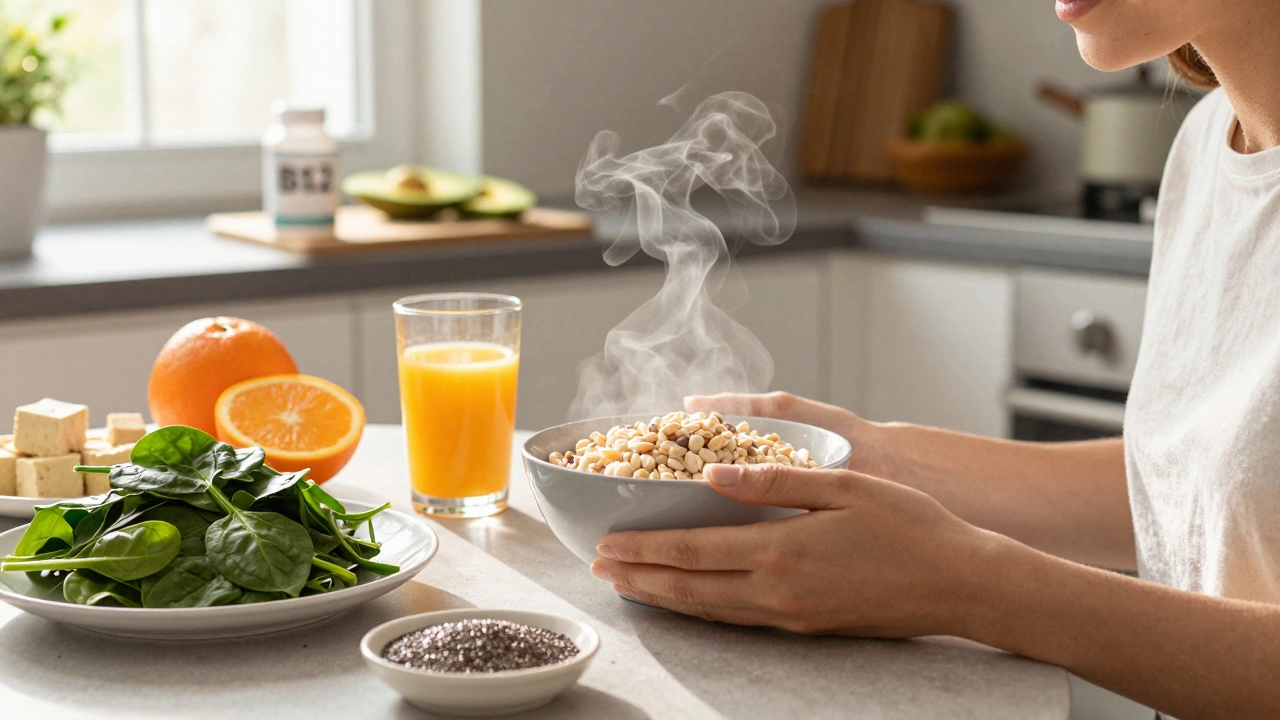
When you stop eating meat, your body doesn’t shut down—it adapts. A no meat diet, a way of eating that excludes all animal flesh, including beef, poultry, pork, and fish. Also known as plant-based eating, it’s not just about avoiding meat—it’s about replacing it with foods that give you energy, protein, and flavor without the animal. Millions do it for health, ethics, or the environment. And the best part? You don’t need fancy supplements or weird powders to make it work.
What you eat instead matters more than what you skip. Plant-based protein, the kind found in beans, lentils, tofu, tempeh, and whole grains is the backbone of any successful no meat diet. It’s not about getting enough protein—it’s about getting the right kind. Studies show people who swap meat for legumes lower their cholesterol and reduce inflammation. And you don’t have to go vegan to see results. Many people start with a meat-free week, a simple trial where you skip meat for seven days to see how your body responds. Some notice better digestion. Others feel less sluggish. A few even say their skin clears up.
Then there’s the question of what replaces meat in your meals. Vegetarian meat substitutes, real foods like mushrooms, jackfruit, and textured soy that mimic the texture and richness of meat aren’t magic. They’re just smart swaps. A lentil bolognese tastes richer than you think. Black beans in tacos? Better than ground beef if you season them right. Even tofu—when pressed, marinated, and crisped up—can be the star of the plate. These aren’t processed fake meats. These are whole foods that have been used for centuries in cultures around the world.
And yes, you can still eat cheese, eggs, and butter on a no meat diet. That’s the difference between vegetarian and vegan. If you’re just cutting out meat, dairy and eggs are fair game. But if you’re trying to go all-in on plant-based eating, you’ll learn how to replace those too—with oat milk, nutritional yeast, and avocado instead of butter. It’s not about perfection. It’s about progress.
What happens after a week? Your gut bacteria shift. Your cravings change. You might feel lighter. Or you might miss the flavor of a good burger. That’s normal. The key is to keep it simple. Don’t overcomplicate it. Cook beans. Roast veggies. Make grain bowls. Use spices like cumin, smoked paprika, and chili flakes to add depth. You don’t need to be a chef. You just need to try.
Below, you’ll find real stories and practical guides from people who’ve done it. From what happens when you eat meat again after years of being vegetarian, to how to build meals that actually satisfy without a single piece of animal flesh. No gimmicks. No hype. Just what works.