
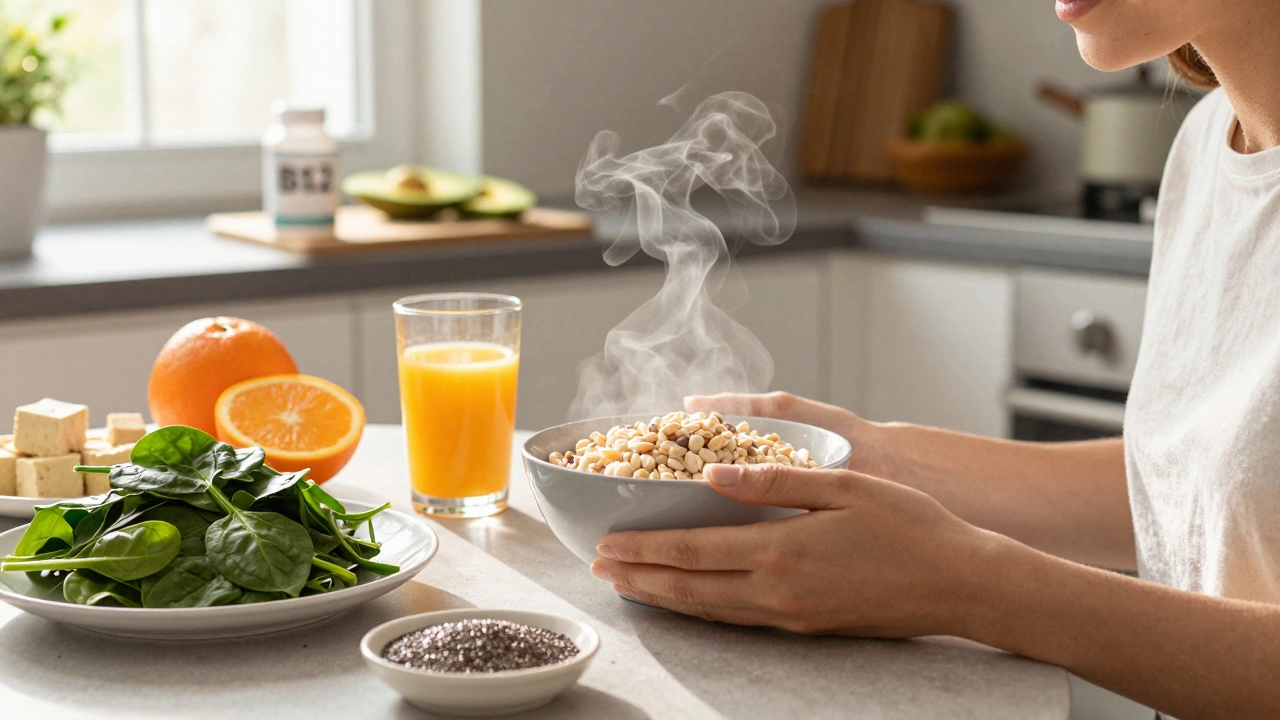
Meat-Free Health Impact Calculator
Personalize Your Results
Enter your details to see estimated health improvements when going meat-free
Your Health Timeline
Key Benefits
Estimated LDL cholesterol reduction
Estimated blood pressure improvement
When you stop eating meat, your body doesn’t just stop digesting protein-it starts rewiring how it gets energy, repairs tissues, and even manages your mood. It’s not magic. It’s biology. And the changes start within days.
Your Digestive System Gets a Break
Meat takes longer to digest than plants. It sits in your gut, slowly breaking down over 12 to 24 hours. When you cut it out, your digestive system doesn’t have to work as hard. Many people notice less bloating, fewer gas episodes, and more regular bowel movements within a week. That’s because plant foods are packed with fiber-something meat doesn’t have at all. A study from the American Journal of Clinical Nutrition found that people who switched to plant-based diets increased their daily fiber intake by an average of 15 grams. That’s the equivalent of eating an extra two cups of lentils or three bowls of oatmeal every day.
Your Gut Bacteria Start to Change
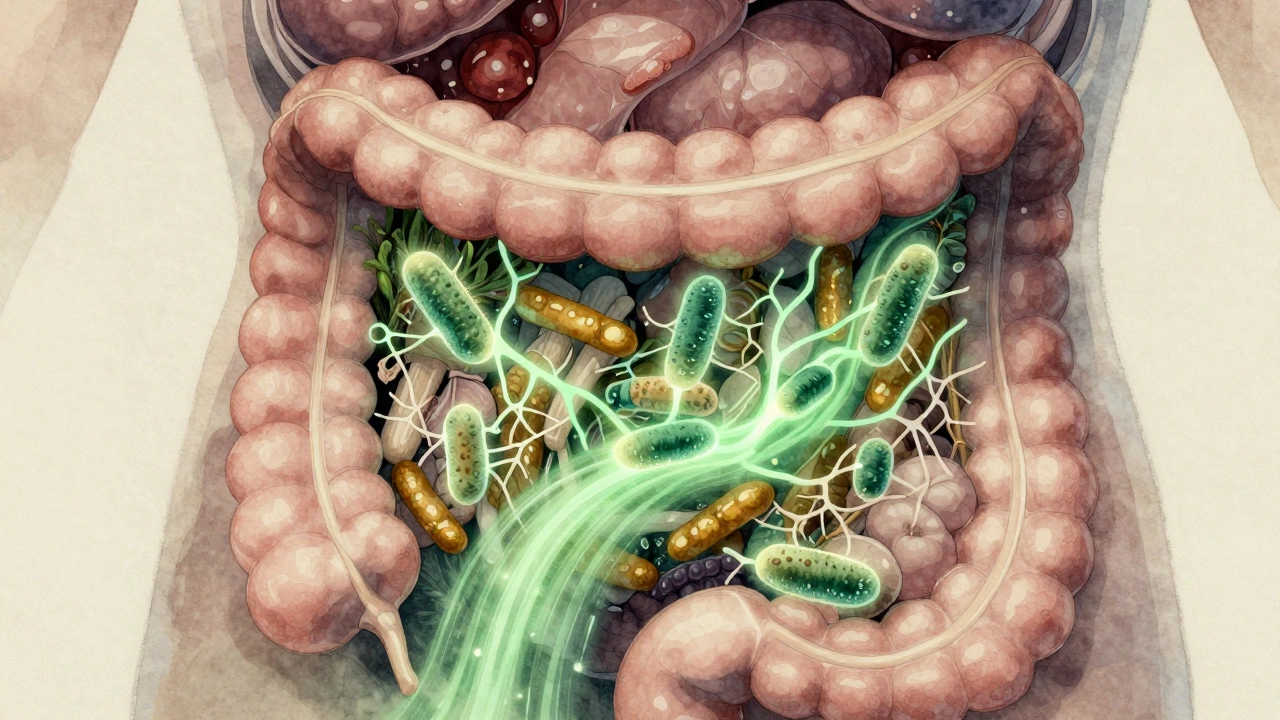
Your gut is home to trillions of bacteria, and what you eat tells them what to do. Meat eaters tend to have more of a type of bacteria called Bilophila wadsworthia, linked to inflammation. Plant-based eaters grow more Bifidobacteria and Prevotella, which help break down fiber and produce short-chain fatty acids that calm gut inflammation. One 2023 study tracking 500 people who went meat-free for 30 days found their gut microbiome shifted noticeably by day 14. Their inflammation markers dropped. Their immune response improved. Their digestion got smoother. All without taking a single pill.
You Might Feel Tired at First-Then Better
It’s common to feel sluggish in the first week. That’s not because you’re lacking protein. It’s because your body is adjusting. Meat is dense with iron and B12, and if you’re not replacing them, you might feel foggy or tired. But here’s the catch: plant-based iron (non-heme iron) is absorbed slower, which actually helps avoid iron overload-a real risk for meat eaters. To make it work, pair spinach or lentils with vitamin C. A glass of orange juice with your lentil stew boosts iron absorption by up to 300%. Within three to four weeks, most people report more steady energy. No more afternoon crashes. No more caffeine dependence.
Your Cholesterol Drops-Fast
Meat, especially red and processed meat, is loaded with saturated fat. That fat raises LDL cholesterol-the kind that sticks to artery walls. When you stop eating meat, your LDL levels often drop by 10 to 15% within a month. A 2024 meta-analysis of 29 clinical trials found that plant-based diets reduced LDL cholesterol more effectively than any other dietary intervention, including low-fat diets. You don’t need to go vegan. Just swapping beef for beans once a week cuts your saturated fat intake by 20 grams per day. That’s like removing a tablespoon of butter from every meal.
Your Blood Pressure Starts to Fall
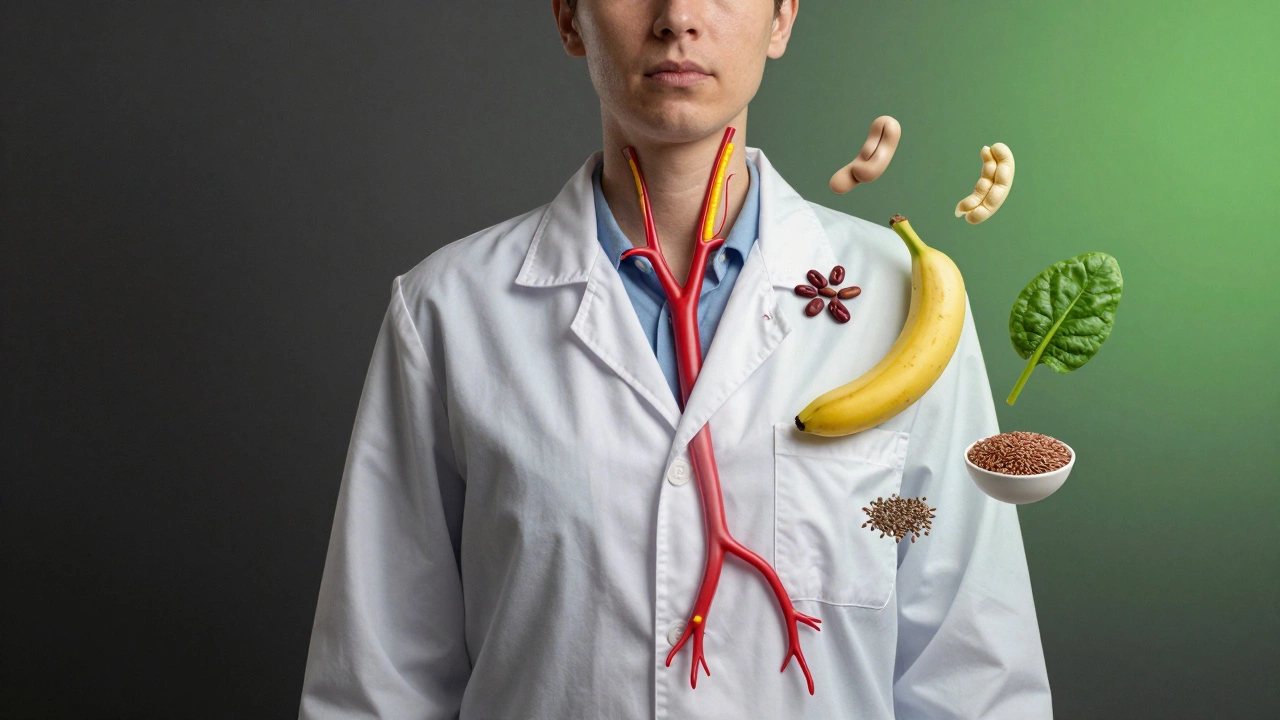
People who eat meat regularly are 34% more likely to develop high blood pressure than those who don’t, according to the American Heart Association. Why? Meat has no potassium or magnesium, but it’s high in sodium, especially processed meats like bacon and sausages. Plants are the opposite. They’re rich in potassium, which helps your kidneys flush out excess salt. Eating more bananas, sweet potatoes, spinach, and white beans can lower systolic blood pressure by 5 to 7 points in just six weeks. That’s the same drop you’d get from a low-dose blood pressure pill-with no side effects.
Your Risk of Chronic Disease Goes Down
There’s no guesswork here. The World Health Organization classifies processed meat as a Group 1 carcinogen-same category as tobacco. Red meat is Group 2A, probably carcinogenic. Cutting meat out doesn’t make you invincible, but it lowers your risk. Studies show vegetarians have up to 22% lower risk of colon cancer, 14% lower risk of heart disease, and 30% lower risk of type 2 diabetes. These aren’t theoretical. They’re measured in real people over decades. The Adventist Health Study, which tracked over 96,000 people for 20 years, found that vegetarians lived an average of 7 years longer than meat eaters. Not because they meditated or ran marathons. Just because they ate more plants.
Your Skin Might Clear Up
It sounds surprising, but it’s not rare. Many people report fewer breakouts, less redness, and a brighter complexion after ditching meat. Why? Dairy and red meat contain hormones and inflammatory fats that can trigger acne. A 2022 study in the Journal of the American Academy of Dermatology found that people who cut dairy and red meat saw a 50% reduction in acne lesions within eight weeks. It’s not true for everyone-but if you’ve struggled with stubborn skin, it’s worth trying. Swap out your bacon breakfast for avocado toast with tomatoes and chili flakes. Give it four weeks. You might be surprised.
You’ll Need to Pay Attention to a Few Nutrients
Going meat-free doesn’t mean you’ll automatically be healthy. You still need to plan. The big three to watch are:
- Vitamin B12: Only found naturally in animal products. Take a 2.4 mcg supplement daily or eat fortified plant milks and nutritional yeast.
- Iron: Get it from lentils, tofu, spinach, and pumpkin seeds. Always pair with vitamin C-rich foods like bell peppers, citrus, or strawberries.
- Omega-3s: Flaxseeds, chia seeds, walnuts, and algae oil give you ALA and DHA. Algae oil is the only plant-based source of EPA and DHA-critical for brain and eye health.
Most people nail protein without trying. Beans, lentils, tofu, tempeh, quinoa, and even broccoli have plenty. You don’t need to track grams. Just eat a variety of whole plant foods. That’s it.
What About Muscle Loss?
It’s a myth that you can’t build muscle without meat. The International Society of Sports Nutrition says plant-based diets can support strength and muscle growth just as well as meat-based ones-so long as you get enough total protein and calories. Olympic weightlifter Kendrick Farris went vegan and set a personal record. NFL player Trent Brown credits his plant-based diet for faster recovery and fewer injuries. The key? Eat enough. A 70kg person needs about 56 grams of protein daily. That’s two cups of lentils, or a block of tofu plus a cup of chickpeas. Easy.
How Long Until You Notice Changes?
It’s not a one-size-fits-all timeline, but here’s what most people report:
- Days 1-3: Digestive adjustments-maybe more gas, maybe less hunger.
- Days 4-7: Energy dips, brain fog, cravings. Normal. Your body is detoxing.
- Week 2: Better sleep, clearer skin, improved digestion.
- Week 3-4: Stable energy, lower inflammation, reduced bloating.
- Month 2: Blood pressure and cholesterol drop noticeably. Mood improves.
- Month 3+: Long-term health benefits kick in. Risk markers for chronic disease continue to decline.
Some people feel amazing by day 10. Others take longer. That’s okay. Your body’s not on a schedule. It’s on its own timeline.
What If You Slip Up?
One burger won’t undo everything. One steak won’t reset your gut. Your body remembers patterns, not single meals. If you eat meat once a month, your health still improves overall. Perfection isn’t the goal. Consistency is. The goal isn’t to be 100% meat-free forever. It’s to eat more plants than you did yesterday. That’s how real change happens.
Where to Start?
You don’t need to overhaul your life. Start with one meal. Swap your morning sausage for scrambled tofu with spinach. Replace your Wednesday burger with a black bean taco. Try Meatless Monday. Or just add one extra plant-based meal a week. That’s it. The rest follows.
Your body doesn’t need meat to survive. It needs good food. And plants give you more than protein-they give you life.
Will I lose weight if I stop eating meat?
Many people do lose weight-not because meat is fattening, but because plant-based meals are usually lower in calories and higher in fiber, which keeps you full longer. On average, people lose 3 to 5 pounds in the first month when switching to whole-food, plant-based eating. But if you replace meat with processed vegan junk food-like vegan cheese pizzas or sugary meat substitutes-you won’t see the same results.
Do I need to take supplements?
Yes, for vitamin B12. It’s the only nutrient you can’t reliably get from plants. A daily 2.4 mcg supplement or fortified foods are enough. Omega-3s from algae oil and vitamin D (especially in winter) are also smart adds. Iron and protein usually come from food if you eat enough legumes, grains, and veggies.
Can kids and pregnant women go meat-free?
Yes-with planning. The Academy of Nutrition and Dietetics says well-planned plant-based diets are safe for all life stages, including pregnancy and childhood. Focus on iron, B12, calcium, zinc, and protein. Fortified plant milks, beans, lentils, tofu, and supplements cover the gaps. Talk to a dietitian if you’re unsure.
Will I feel hungrier without meat?
Not if you eat enough fiber and healthy fats. Meat is low in fiber, so it doesn’t fill you up for long. Plants do. Add beans, oats, avocados, nuts, and whole grains to your meals. You’ll feel full longer and snack less. If you’re still hungry, eat more. Plants are low-calorie, not low-satisfaction.
Is going meat-free expensive?
It can be cheaper. Beans, lentils, rice, oats, potatoes, and seasonal veggies cost less than chicken, beef, or pork. Processed meat substitutes can be pricey, but you don’t need them. A pot of lentil soup or a bean burrito costs under $2 per serving. The myth that plant-based eating is expensive comes from buying specialty products, not whole foods.
What Comes Next?
If you’ve made it this far, you already know the truth: meat isn’t necessary for health. Your body thrives on plants. The real question isn’t whether you can do it. It’s whether you want to feel better, live longer, and eat in a way that’s kinder to your body and the planet. Start small. Stay consistent. Let your body show you what it’s capable of.