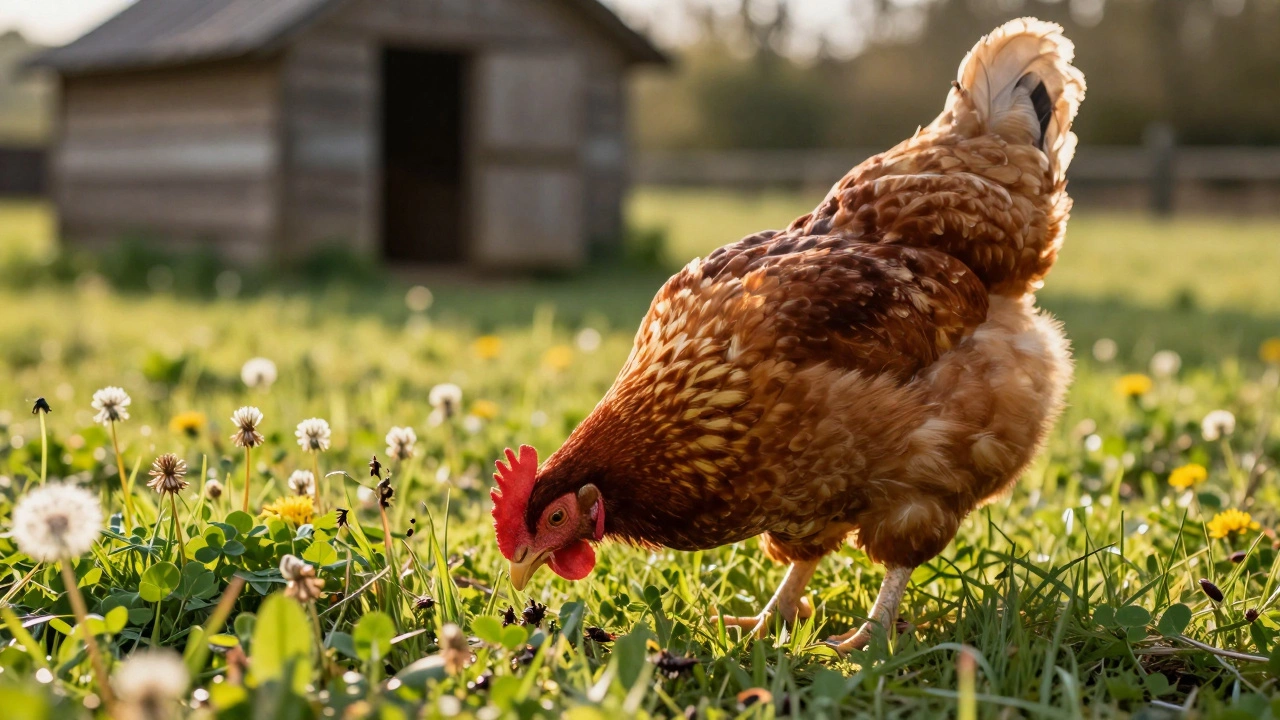
When you think about best chicken breed, a type of domesticated bird raised for eggs, meat, or companionship, often selected based on climate, purpose, and temperament. Also known as poultry breed, it isn't just about how many eggs a hen lays—it's about matching the bird to your life. Some breeds are built for cold winters, others for hot patios. Some lay an egg every day, others grow fast enough to feed a family. And some? They’ll sit on your lap like a cat.
The chicken breeds for eggs, types of chickens selectively bred to produce high volumes of eggs over long periods—like Leghorns and Rhode Island Reds—don’t just lay more. They lay consistently, even in winter. But if you're after chicken breeds for meat, birds raised for rapid growth and high muscle mass, ideal for home butchering or feeding large groups, then Cornish Cross or Jersey Giants are the ones that fill your freezer faster. And if you’re keeping chickens in your backyard, you don’t want a bird that screams all day. Breeds like Buff Orpingtons and Sussex are calm, curious, and great with kids.
Here’s the thing: no single breed is perfect for everyone. A Rhode Island Red might give you 280 eggs a year, but it won’t give you a 7-pound roast. A Brahma might look like a feathered bear, but it’s slow to mature. You need to ask yourself: Are you cooking? Or are you caring? Do you want to harvest meat once a year, or eggs every morning? The best chicken breed isn’t the one everyone else picks—it’s the one that fits your schedule, your space, and your table.
Below, you’ll find real posts from home cooks and small-scale farmers who’ve tested these birds in kitchens and coops alike. You’ll see what happens when you raise a breed for meat but feed it like a pet. You’ll learn why some hens stop laying after a heatwave. You’ll find out how to tell if your chicken’s just tired—or sick. These aren’t theory pieces. These are lessons learned the hard way—on real farms, in real kitchens, with real chickens.