
Chicken Flavor & Value Calculator
Results
Not all chicken tastes the same. If you’ve ever bitten into a store-bought chicken breast and felt like something was missing-no depth, no juiciness, no real flavor-you’re not imagining it. The truth is, the breed, how it’s raised, and what it eats make a huge difference. Some chicken is bland. Some tastes like cardboard. But then there’s chicken that makes you stop mid-bite and wonder why you ever settled for anything else.
The Myth of Generic Chicken
Most supermarkets sell the same thing: Cornish Cross chickens. They grow fast, reach market weight in six weeks, and cost less than $2 a pound. But speed comes at a price. These birds are bred for efficiency, not flavor. Their muscles don’t develop much because they’re not moving around. Their diet? Mostly corn and soy, with antibiotics and growth promoters. The result? Meat that’s tender, sure, but flavorless. It’s like drinking water instead of wine.
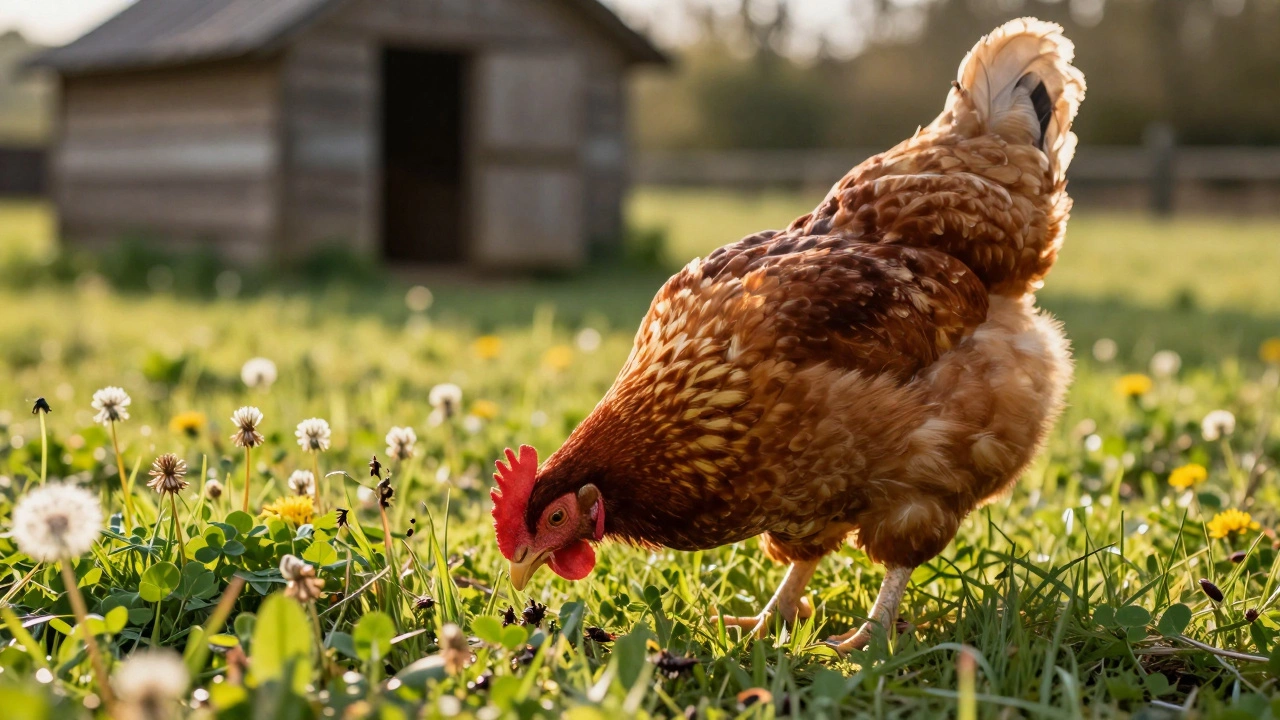
Real chicken flavor comes from time, movement, and natural diet. Birds that forage, peck at insects, eat grass, and live under the sun develop richer muscle tissue and more fat marbling. That’s where the taste lives.
Top Chicken Breeds Known for Flavor
There are several heritage breeds that farmers and chefs swear by. These aren’t just old-school names-they’re proven performers in the kitchen.
- Jersey Giant - One of the largest chicken breeds, known for deep, dark meat with a gamey richness. Their slow growth (18-24 weeks to maturity) lets their muscles develop fully. The flavor is bold, almost like duck in texture.
- Plymouth Rock - A balanced bird with excellent meat-to-bone ratio. Their meat is juicy and has a clean, mild flavor that works well with simple seasoning. Popular among homesteaders for reliability and taste.
- Buff Orpington - Soft, tender meat with a slightly sweet undertone. Often raised on pasture, they develop a more complex flavor profile thanks to their varied diet of greens and bugs.
- Delaware - Once nearly extinct, this breed is making a comeback in high-end restaurants. Their meat is tender, flavorful, and has a natural golden hue from carotenoids in their foraged diet.
- Red Ranger - Not a heritage breed, but a hybrid developed specifically for flavor and slow growth. They take 10-12 weeks to mature, move actively, and eat a mix of grains and insects. Many small farms and CSAs now raise them because they taste like the chicken your grandparents ate.
These breeds aren’t just about taste-they’re about texture too. Their meat holds up better when roasted, braised, or grilled. It doesn’t dry out as easily. You can tell the difference even without sauce.
Free-Range vs. Factory-Farmed: The Real Difference
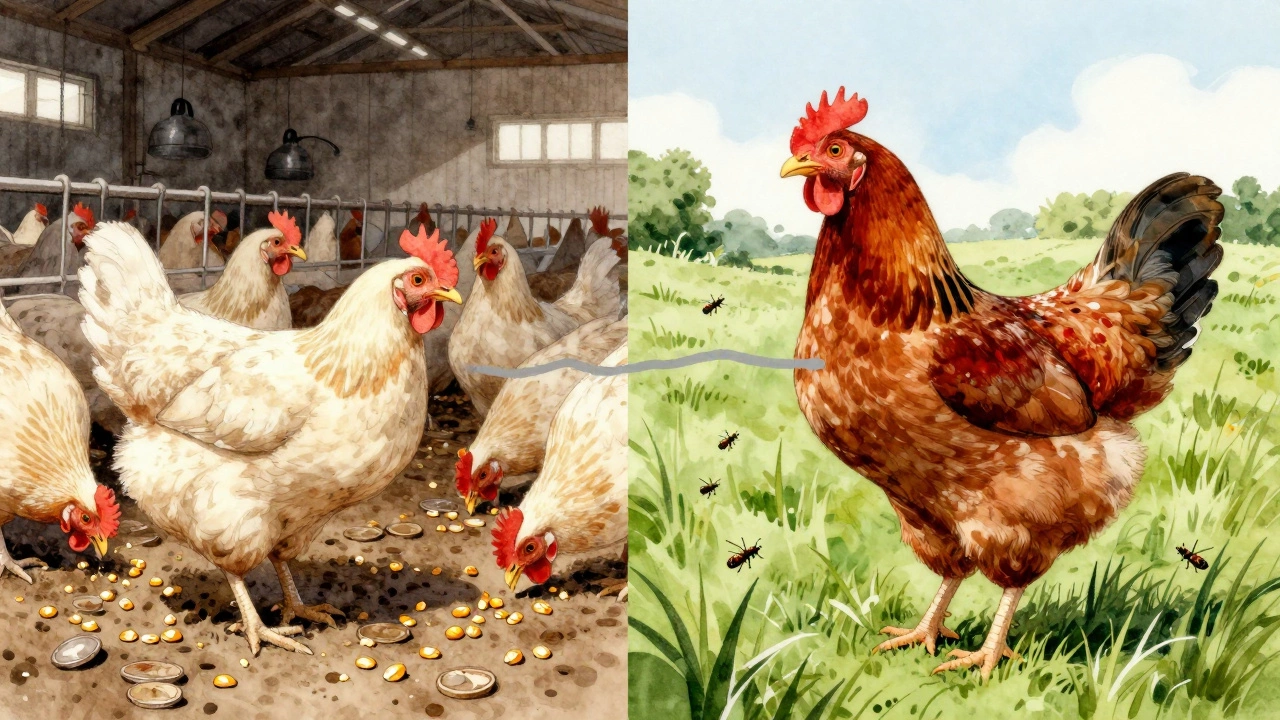
Labeling matters, but not always the way you think. “Free-range” on a grocery label in the U.S. means the chicken had access to the outdoors-for at least five minutes a day. That’s it. Many are still packed in barns, with the door barely opened.
True pasture-raised chickens live outside, moving daily, eating grass, worms, seeds, and bugs. Their fat is yellow, not white. Their skin is tougher. Their meat is darker. And yes, it costs more-sometimes $8 to $12 a pound. But here’s the thing: you need less of it. One chicken breast from a pasture-raised bird satisfies more than two from a supermarket bird.
A 2021 study from the University of California found that pasture-raised chicken had 30% more omega-3s and twice the vitamin E than conventional chicken. The flavor difference? Even untrained tasters noticed it immediately. One participant said, “It tastes like chicken should taste.”
What They Eat Changes Everything
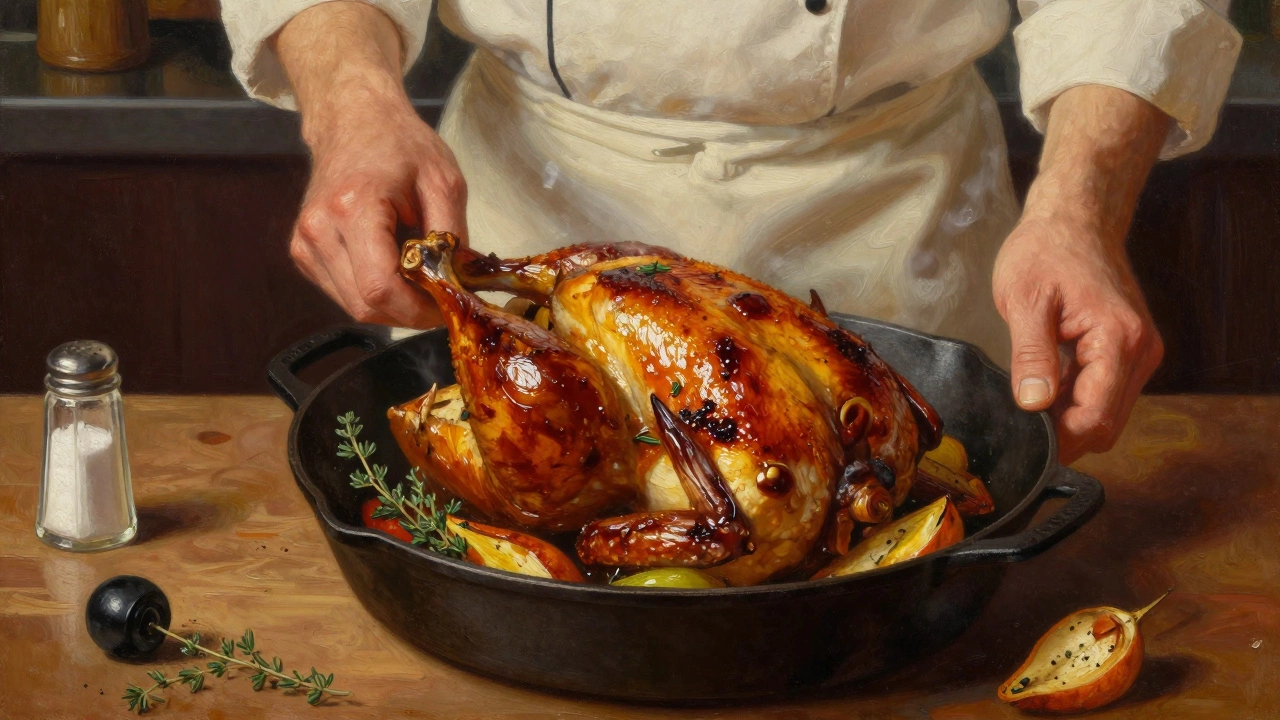
Garlic, herbs, and insects aren’t just snacks-they’re flavor builders. Chickens that eat a diverse diet absorb those flavors into their fat and muscle. Farmers who feed their birds fermented grains, kitchen scraps, and dried mealworms report meat with a subtle umami depth. Some even add rosemary or thyme to their feed.
Compare that to a factory bird fed only corn and soy. It’s like feeding a person nothing but white bread for life. No complexity. No character.
Look for labels that say “pasture-raised” and “non-GMO feed.” If it says “organic,” that’s good-but organic doesn’t mean the bird had access to grass. Organic just means no synthetic pesticides in feed. It’s a start, but not the whole story.
The Winner: What People Actually Taste
When chefs and food critics taste-test different chicken breeds blind, one name comes up again and again: Red Ranger.
Why? It’s the sweet spot between heritage breed flavor and practicality. It grows slower than Cornish Cross but faster than Jersey Giants. It’s hardy, adapts to different climates, and its meat has a balance of richness and tenderness. It’s the chicken that makes you want to eat it plain, with just salt and pepper.
But if you want something more intense-something with a deeper, almost wild flavor-go for Jersey Giant. It’s not for everyone. It’s chewier. It needs slow cooking. But when braised in red wine or roasted with root vegetables, it’s unforgettable.
Where to Find Real Flavor
You won’t find these breeds at Walmart or Kroger. You need to go local. Check farmers markets. Look for farms that let you visit their land. Ask questions: “How long do your chickens live before processing?” “Do they have access to pasture every day?” “What do they eat?”
Some online farms ship frozen chicken nationwide. Brands like ButcherBox, D’Artagnan, and Vital Choice offer pasture-raised options with clear sourcing info. You’ll pay more, but you’ll taste the difference in every bite.
How to Cook It Right
Don’t overcook it. That’s the biggest mistake. Pasture-raised chicken has more fat and connective tissue. It needs time, but not high heat for too long.
- Roast at 375°F for 20-25 minutes per pound. Use a thermometer-pull it at 165°F in the thickest part.
- Brine it overnight in saltwater with herbs. It helps keep moisture in, especially for leaner heritage breeds.
- Let it rest for 10 minutes after cooking. The juices redistribute. Skip this, and you lose half the flavor.
Don’t drown it in sauce. Let the chicken speak for itself. A drizzle of olive oil, a pinch of sea salt, maybe some fresh thyme-that’s all it needs.
Why This Matters Beyond Taste
Choosing better chicken isn’t just about flavor. It’s about supporting farming that treats animals humanely, protects soil health, and avoids antibiotics. It’s about eating food that’s connected to the land, not a factory line.
And honestly? Once you’ve had real chicken, you won’t go back. The bland stuff doesn’t just taste worse-it feels wrong. Like eating a photo of food instead of the meal itself.
You don’t need to eat it every day. But once a month, treat yourself to a chicken that actually tastes like chicken. You’ll remember why you love cooking in the first place.
Is free-range chicken the same as pasture-raised?
No. Free-range only means the chicken had access to the outdoors, even if it was just a small door opening. Pasture-raised means the birds live on grassy land, move around daily, and eat a natural diet. That’s where the flavor comes from.
Why is pasture-raised chicken more expensive?
It takes longer to raise, uses more land, and costs more to feed. A Cornish Cross chicken takes 6 weeks; a pasture-raised Red Ranger takes 10-12 weeks. Farmers pay more for feed, labor, and care. You’re paying for quality, not just quantity.
Can I raise my own flavorful chicken?
Yes. Start with a heritage breed like Buff Orpington or Plymouth Rock. Give them space to roam, fresh water, and a mix of grains and insects. Don’t rush them. Let them grow over 12-16 weeks. You’ll get meat that tastes better than anything you can buy.
Does organic chicken taste better?
Not necessarily. Organic means no synthetic pesticides or antibiotics in feed, but it doesn’t guarantee pasture access or natural diet. An organic chicken raised in a crowded barn may taste just as bland as a conventional one. Look for “pasture-raised” on the label, not just “organic.”
What’s the best way to cook heritage chicken?
Slow and low works best. Roast, braise, or stew it. Avoid grilling thin cuts over high heat-they dry out fast. Use bone-in pieces for more flavor. Let the meat rest after cooking. And don’t over-season. Let the chicken’s natural taste shine.