
Pasta all'Assassina Heat Simulator
Total Scoville Heat Units (SHU)
Heat Intensity Meter
Adjust settings to see your fate.
You’re sitting in a dimly lit trattoria in Rome’s Testaccio neighborhood. The waiter brings over a small copper pan, sizzling with red oil and thick tubes of pasta. As you dig in, the heat builds slowly, then hits you like a truck. Your eyes water, your lips tingle, and you wonder: why on earth is this called "Assassin's Pasta" (Pasta all'Assassina)? Did someone die eating it? Is there poison involved? Or is it just a dramatic marketing trick from a chef who ran out of ideas?
Here is the truth: the name isn't about murder. It’s about survival. Specifically, surviving the intense, unrelenting heat of dried chili peppers that define this dish. But the story goes deeper than just spice levels. To understand Pasta all'Assassina is a traditional Roman dish originating from the Testaccio district, characterized by its extreme spiciness and unique cooking method where pasta is cooked directly in the sauce., you have to look at the history of Roman cuisine, the role of the "trattoria," and why Italians sometimes use hyperbolic names for their most beloved foods.
The Real Origin: Testaccio and the Working Class
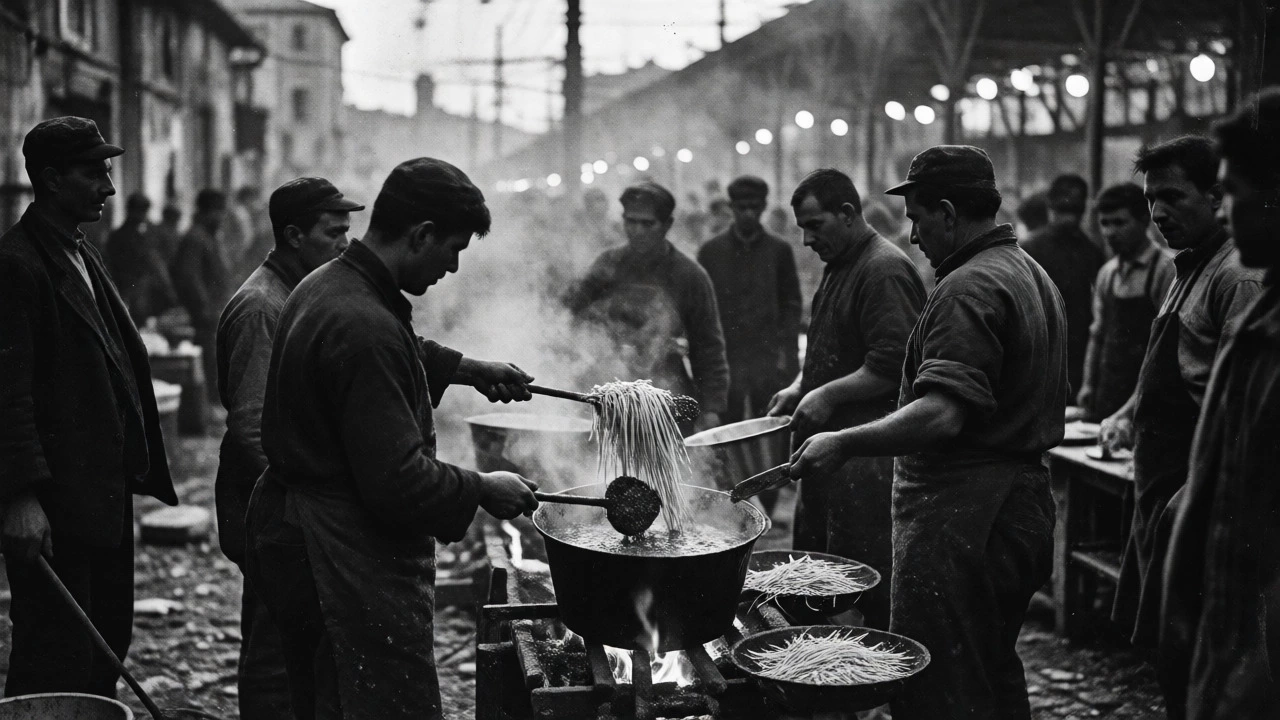
To get the context right, you need to go back to the late 19th and early 20th centuries in Rome. This dish didn’t come from fine dining palaces. It came from Testaccio, a working-class neighborhood near the old slaughterhouses. If you know anything about Roman food history, you know that Testaccio was home to the people who processed meat. They got the cuts no one else wanted-the offal, the bones, the tough bits. From necessity, they created some of the best food in Italy.
While dishes like Coda alla Vaccinara (oxtail stew) used up the leftovers, Pasta all'Assassina was different. It wasn't born from scarcity alone; it was born from a desire for intensity. In a time when spices were still relatively accessible but not ubiquitous in everyday northern Italian cooking, the Romans of Testaccio embraced heat as a flavor profile, not just a preservative.
So, why the violent name? There are two main theories, both rooted in local slang and cultural attitude:
- The Heat Theory: The amount of dried chili (peperoncino) used is so high that it feels like an attack on your palate. Locals joke that only an assassin could handle this level of pain without flinching.
- The Competitive Eating Theory: Historically, young men in the neighborhood would compete to see who could eat the spiciest bowl without drinking water or milk. Losing meant admitting defeat-socially "killed." Winning meant proving your toughness.
Neither theory involves actual death. Instead, they highlight the machismo and playful aggression often found in Italian regional dialects. Calling something "all'assassina" is a badge of honor. It warns you: "This isn't gentle food. This is serious business."
The Cooking Method: Risottare la Pasta
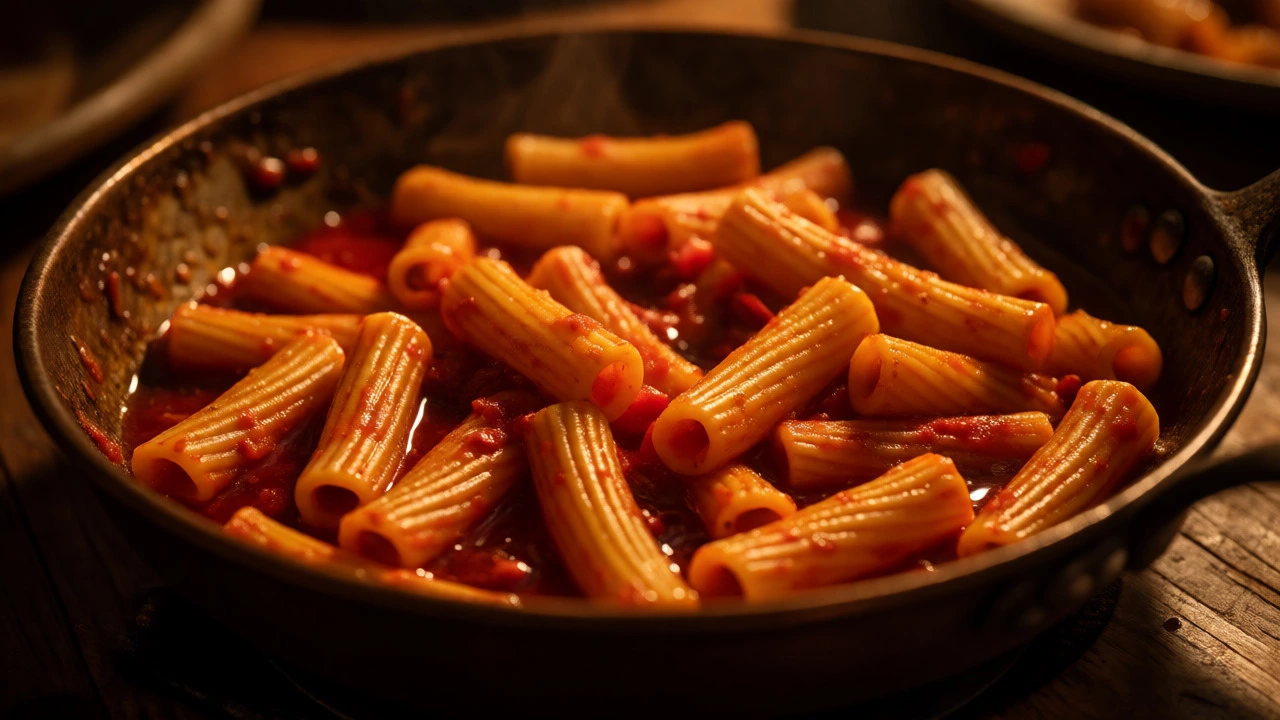
If you’ve ever made standard pasta, you boil water, cook the noodles, drain them, and toss them in sauce. Risottare la pasta flips this script entirely. With Pasta all'Assassina, you don't boil the pasta separately. You cook it directly in the pan with the sauce, much like you would make risotto with rice.
This technique is crucial for three reasons:
- Starch Release: As the pasta cooks in the liquid, it releases starch directly into the sauce. This creates a creamy, emulsified texture without adding cream or butter-heavy roux.
- Flavor Absorption: The pasta absorbs the spicy tomato broth as it hydrates. Every bite is infused with heat, rather than having the sauce sit on top.
- Concentration: Because you aren't diluting the sauce with boiling water, the flavors become concentrated. The garlic, olive oil, and chili meld together before the pasta even finishes cooking.
Using Rigatoni is non-negotiable here. You need a short, tube-shaped pasta with ridges. The ridges grip the thick, spicy sauce, while the hollow center traps the flavorful broth inside. Spaghetti or penne won't work the same way-they either slip away or don't hold enough liquid.
Ingredients That Define the Dish
Don't let the simplicity fool you. There are only a few ingredients, but each plays a specific role. If you miss one, you're making a different dish.
| Ingredient | Role | Common Mistake |
|---|---|---|
| Dried Chili Peppers | Provides the signature heat and aroma. Must be fresh, vibrant red, and potent. | Using mild flakes instead of whole dried chilies, resulting in flat flavor. |
| Garlic | Sliced thin and fried gently to infuse the oil without burning. | Burning the garlic, which turns bitter and ruins the balance. |
| Tomato Sauce | Creates the acidic base that balances the fat and heat. Usually passata or crushed tomatoes. | Using sweet ketchup-style sauces that lack acidity. |
| Extra Virgin Olive Oil | Cooks the aromatics and adds richness. A generous amount is required. | Skimping on oil, leading to dry, clumpy pasta. |
| Rigatoni | Structural component that holds sauce and withstands long cooking times. | Overcooking until mushy; it should remain al dente. |
Note the absence of cheese. Traditional Pasta all'Assassina does not include Parmesan or Pecorino. Why? Because dairy can mute the sharpness of the chili. Adding cheese softens the blow, literally dulling the "assassin" effect. If you want the authentic experience, skip the grater.
How to Cook It Without Crying (Much)
You can make this at home. It takes about 20 minutes. Here is how to do it properly so you get that restaurant-quality result.
Start by heating a generous splash of extra virgin olive oil in a large, deep skillet. Add sliced garlic and dried chili peppers. Turn the heat to medium-low. You want the garlic to turn golden, not brown. If it burns, start over. Burnt garlic tastes acrid and will ruin the dish.
Once the oil smells fragrant, add your tomato sauce. Let it simmer for five minutes. This reduces the raw tomato taste and concentrates the flavors. Now, add the uncooked Rigatoni directly into the pan. Stir well so every piece is coated in the spicy tomato mixture.
Add hot water gradually. Not cold tap water-hot water. Cold water shocks the pasta and stops the cooking process. Pour in just enough water to cover the pasta halfway. Stir frequently. The pasta will release starch, making the liquid thick and glossy. Keep adding small amounts of hot water as the pasta absorbs it, stirring constantly to prevent sticking.
Taste the pasta after 10-12 minutes. It should be tender but firm to the bite. If it’s too spicy, don’t panic. The starch helps mellow the heat slightly compared to eating plain chilies. Serve immediately. Do not let it sit. The residual heat will continue to cook the pasta, turning it mushy if left alone.
Is It Actually Dangerous?
No, unless you have a severe sensitivity to capsaicin. The Scoville scale measures heat intensity. Bell peppers are 0. Jalapeños are around 5,000 SHU. Habaneros hit 350,000 SHU. The dried chilies used in Pasta all'Assassina typically fall between 10,000 and 30,000 SHU. That’s spicy, sure. It’s comparable to a moderately hot cayenne pepper.
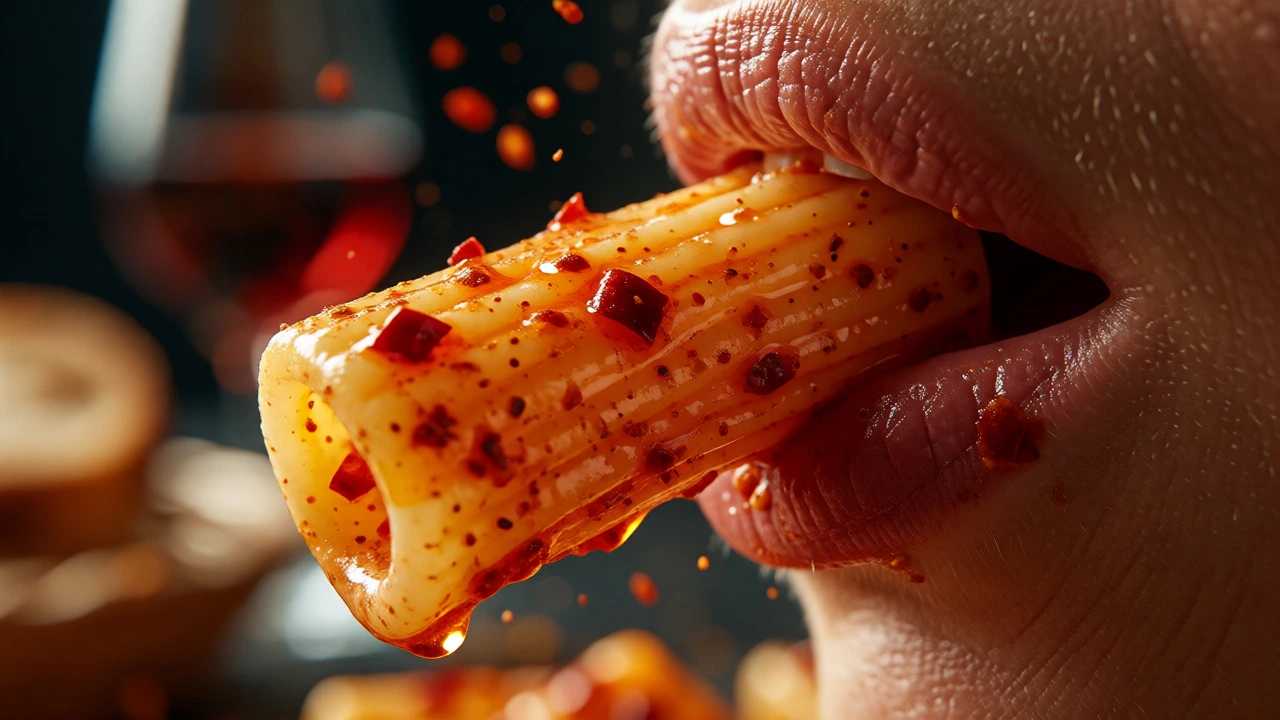
But because you are eating it with starch and fat, the perceived heat is lower than biting into a raw pepper. However, the cumulative effect matters. One bite is manageable. Ten bites in a row? That’s where the "assassin" part kicks in. The capsaicin binds to pain receptors in your mouth, triggering endorphins. Many people find themselves addicted to this rush. It’s a natural high.
If you try it and feel overwhelmed, drink milk, not water. Water spreads the oil-based capsaicin around your mouth. Milk contains casein, a protein that breaks down capsaicin. Bread also works well to soak up the oil.
Modern Variations and Where to Find It
Today, Pasta all'Assassina has traveled beyond Testaccio. You’ll find it in modern Italian restaurants worldwide, though sometimes toned down for international palates. Some chefs add pancetta for extra saltiness, though purists argue this distracts from the pure chili-tomato-pasta triad.
If you’re in Rome, head to historic spots in Testaccio like Felice a Testaccio or Da Enzo al 29. Ask for it specifically. Don’t ask for "spicy pasta." Use the name. It shows respect for the tradition. Outside of Rome, look for menus featuring "cucina romana" or "Roman classics." If it’s not listed, ask if they can make it. Most Italian cooks know the method instantly.
For home cooks, sourcing good dried chilies is key. Look for Calabrian chilies or generic dried red peppers from specialty stores. Avoid pre-ground powder if possible; whole chilies retain more volatile oils and aroma.
Does Pasta all'Assassina contain meat?
No, the traditional version is vegetarian. It consists of pasta, tomato sauce, garlic, olive oil, and dried chili peppers. While some modern variations might add pancetta or guanciale, the authentic Roman recipe relies solely on these plant-based ingredients to create its intense flavor profile.
Can I use any type of pasta for this dish?
Rigatoni is the standard choice because its ridges and hollow center trap the spicy sauce and allow it to cook evenly in the risotto-style method. Other short, sturdy pastas like Mezze Maniche or Tortiglioni can work, but avoid long strands like spaghetti or delicate shapes like farfalle, as they may break apart or fail to hold the sauce adequately.
Why doesn't this pasta have cheese?
Traditional Pasta all'Assassina omits cheese intentionally. Dairy products like Parmesan or Pecorino Romano coat the tongue and mute the sensation of capsaicin, reducing the intended "assassin" heat impact. The dish is designed to be sharp, acidic, and fiery, which is best experienced without the buffering effect of fat from cheese.
Is the name related to any historical murders?
There is no evidence linking the name to specific historical murders. The term "all'assassina" is likely metaphorical, referring to the aggressive heat of the chili peppers that feels like an attack on the senses. It reflects the robust, bold character of Roman working-class cuisine rather than a literal criminal event.
What should I drink with Pasta all'Assassina?
Pair this dish with a crisp, acidic white wine like Frascati Superiore, a classic Roman white, or a light-bodied red like Cesanese del Piglio. The acidity in the wine helps cut through the richness of the olive oil and balances the heat of the chilies. Avoid heavy oaked whites or high-alcohol reds, which can amplify the burn.