

Vegan Sustainability Score Calculator
Answer these 5 questions honestly to see how prepared you are for long-term veganism.
You bought the flax milk. You cleared out the cheese drawer. You felt that surge of moral clarity as you committed to a vegan lifestyle, which is a dietary and ethical choice to exclude all animal products from food and daily life. But six months later, you’re eating chicken nuggets at a friend’s barbecue, and it tastes like freedom. You aren’t alone. While the number of people identifying as vegan has risen steadily over the last decade, retention rates are surprisingly low. Most people who start the journey don’t finish it.
It’s not because they lack willpower or suddenly decided animals have no rights. The reasons people quit veganism are complex, biological, and deeply social. Understanding these friction points doesn’t just explain why people leave; it helps those who want to stay figure out how to make the diet work for them long-term. Let’s look at the real barriers-beyond the stereotypes-that push people back toward omnivory.
The Nutritional Gap: When Biology Fights Back
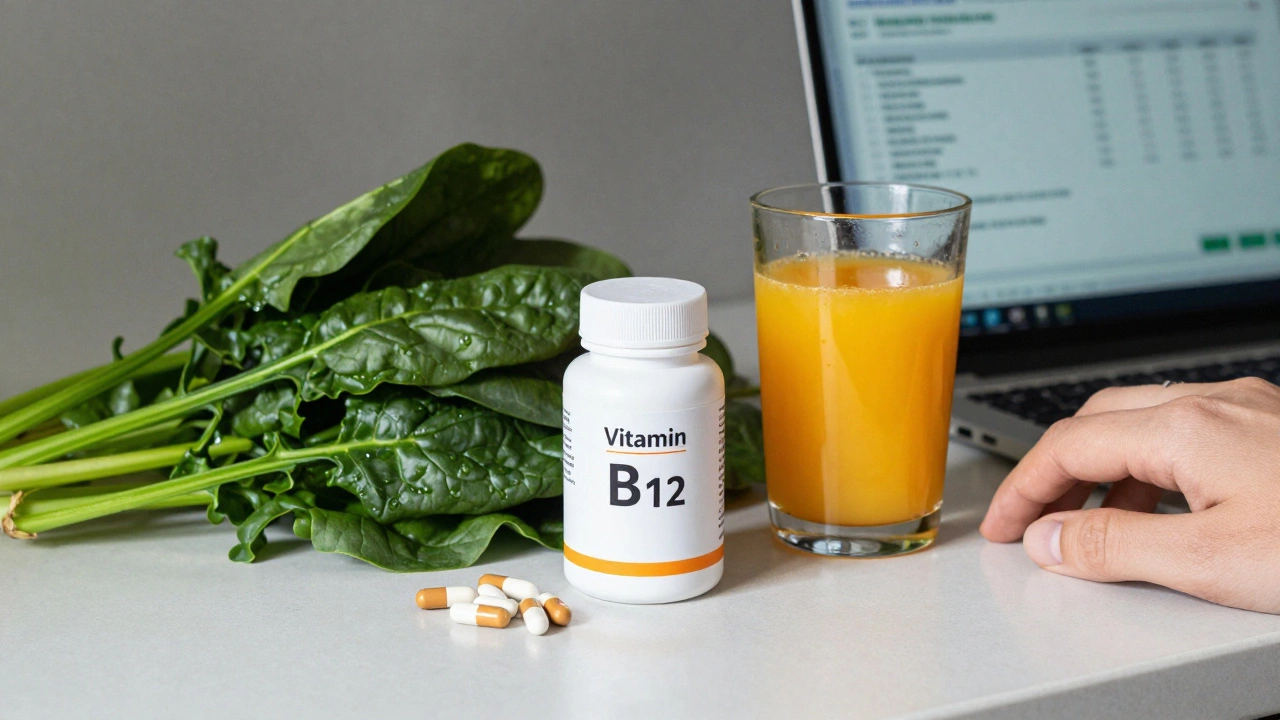
The most common reason people abandon a plant-based diet isn’t hunger-it’s fatigue. It’s brain fog. It’s the persistent feeling that something is missing. For many, this comes down to Vitamin B12, a water-soluble vitamin essential for nerve function and blood cell formation found naturally only in animal products.
B12 is unique. Your body can store it for years, so you might feel fine for the first six to twelve months. Then, the tank runs dry. Symptoms include extreme tiredness, weakness, and tingling in the hands and feet. If you haven’t been supplementing with cyanocobalamin or methylcobalamin, your body is literally starving for this nutrient. Many new vegans assume that "natural" means "complete." They eat lots of leafy greens and nuts but miss the one nutrient their bodies cannot synthesize.
Then there’s iron. Plant-based iron (non-heme) is harder for the body to absorb than the heme iron found in meat. Without pairing iron-rich foods like lentils and spinach with Vitamin C sources like bell peppers or citrus, absorption drops significantly. Anemia leads to lethargy. When you’re exhausted after work, cooking elaborate meals from scratch feels impossible. So, you order pizza. And then you keep ordering pizza.
Protein is another culprit, though often misunderstood. It’s rarely about total protein quantity; it’s about convenience and satiety. Meat is dense, easy to prepare, and keeps you full for hours. If your vegan meals consist mostly of salads or light soups, you’ll be hungry two hours later. Hunger is a powerful motivator to break dietary rules. When biology screams for energy, ethics often take a backseat.
Social Friction: The Loneliness of the Fork
Food is inherently social. We bond over dinner parties, share coffee breaks, and celebrate with cake. When you remove animal products from the equation, you often remove yourself from the center of these interactions. This phenomenon is known as social isolation, a state of disconnection from social networks and community activities due to dietary restrictions.
Imagine going out for dinner with colleagues. The menu has three vegan options, all of which are side dishes. Or worse, the "vegan option" is a sad salad while everyone else shares pasta and wine. You spend the meal explaining your choices, defending your ethics, or feeling like a burden. Over time, this creates resentment. You start avoiding invitations. You stop seeing friends. The diet becomes a source of loneliness rather than health.
Family dynamics play a huge role too. Picture Thanksgiving. You bring a tofu stuffing, and your uncle makes a joke about it being "rabbit food." Your grandma looks disappointed. You feel judged, not supported. These micro-aggressions add up. Food is love, and when your family expresses love through meat and dairy, rejecting it can feel like rejecting them. Many people quit veganism not because they want to eat bacon, but because they want to belong.
Even dating becomes complicated. Finding a partner who respects your boundaries without demanding you compromise them is hard. Some couples split meals: one orders steak, the other orders a burger without the patty. It works for a while, but eventually, the desire to share the same experience wins out. One person gives in, or both do.
The Culinary Ceiling: Boredom and Burnout
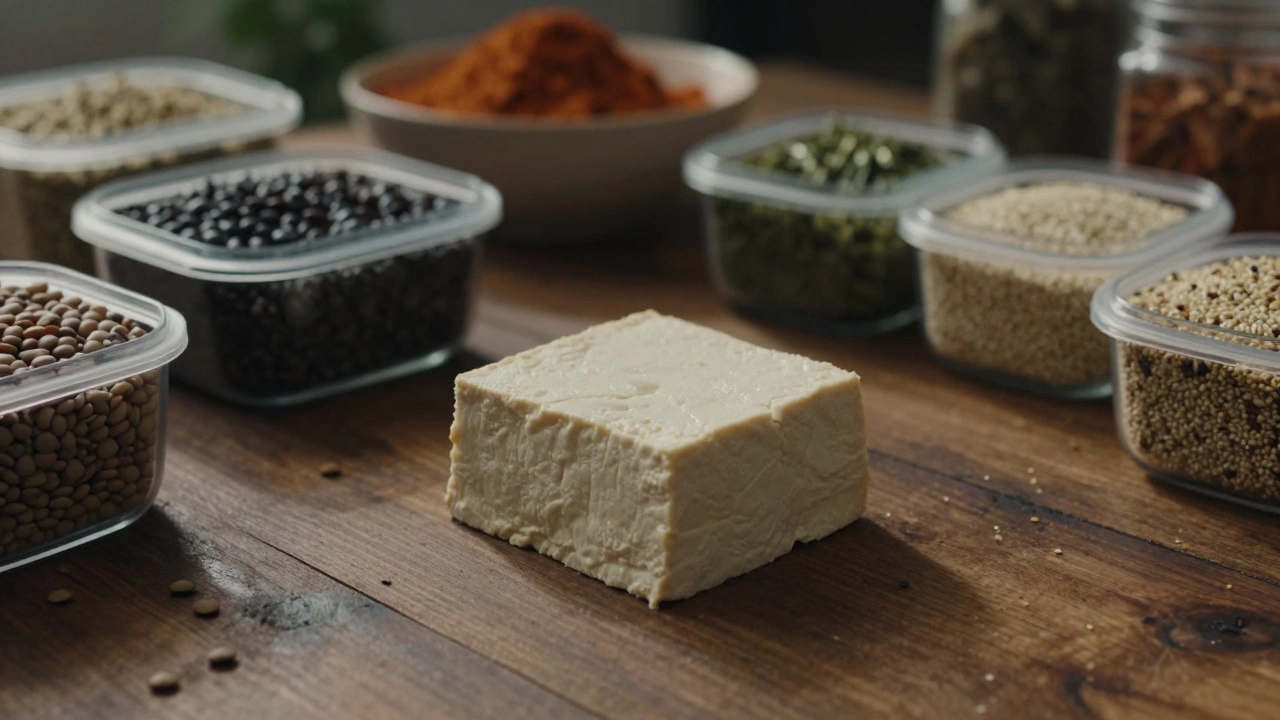
Let’s be honest: early-stage vegan cooking can be repetitive. If your rotation consists of chickpeas, tofu, quinoa, and kale, you will get bored. This is called dietary monotony, a psychological state resulting from limited variety in food choices leading to reduced satisfaction and adherence.
Meat offers a wide range of textures and flavors. Chicken, beef, pork, fish-each has a distinct profile. Plant-based proteins, if not prepared well, can fall into a narrow band of textures: mushy, chewy, or dry. Tofu absorbs flavor, but it needs skill to cook it right. Lentils are great, but they’re always lentils. Without culinary creativity, the diet feels restrictive rather than liberating.
Then there’s the issue of processed substitutes. Many people turn to fake meats and cheeses to bridge the gap. These products can be convenient, but they’re often highly processed, expensive, and lacking in nutritional density. Relying on them creates a dependency. When you run out of vegan sausage rolls, you face a choice: cook from scratch or eat something non-vegan. For many, the effort isn’t worth it.
Cooking fatigue is real. Preparing separate meals for a mixed household takes time and mental energy. After a long day at work, chopping vegetables and simmering beans feels like a second job. Convenience stores and fast-food chains cater to the masses, not the niche. When hunger strikes at 8 PM, the nearest option might be a drive-thru with no vegan menu. Impulse wins.
Economic Barriers: The Cost of Ethics
Veganism has a reputation for being expensive. While beans and rice are cheap, fresh produce, specialty oils, and plant-based milks can add up. Inflation hits grocery bills hard, and organic or premium vegan brands often carry a markup. For students, young professionals, or families on a budget, this cost barrier is significant.
Consider the price per pound. Ground beef might cost $4, while high-quality plant-based ground alternative costs $7. That difference matters when you’re feeding four people every night. Fresh berries, avocados, and nuts are staples in many vegan diets, but they’re also some of the most volatile prices in the grocery store. When money is tight, ethics become a luxury.
There’s also the waste factor. If you buy a block of vegan cheese and it goes bad before you use it, that’s lost money. Meat lasts longer in the freezer. Perishable plant items like fresh herbs and leafy greens spoil quickly. For people living alone or with irregular schedules, this waste adds financial stress.
Psychological Pressure: Guilt and Perfectionism
The vegan community, for all its passion, can sometimes foster an environment of judgment. There’s a subset of advocates who believe in purity above all else. If you slip up, you’re told you’ve failed. This creates a cycle of guilt and shame. Instead of feeling empowered, you feel inadequate.
This perfectionist mindset is unsustainable. Humans are imperfect. We make mistakes. We get sick. We travel. We forget our supplements. When the standard is absolute purity, any deviation feels like a moral failure. Eventually, the pressure becomes too much. People quit not because they want to harm animals, but because they can’t handle the emotional weight of constant vigilance.
Mental health plays a role too. Restrictive diets can exacerbate anxiety or disordered eating patterns. For some, focusing intensely on what they *can’t* eat leads to obsessive thoughts about food. This isn’t healthy. A diet should support well-being, not undermine it. When veganism starts causing stress rather than peace, it’s time to reassess.
| Challenge | Root Cause | Practical Solution |
|---|---|---|
| Nutrient Deficiency | Lack of B12/Iron absorption | Daily B12 supplement; pair iron with Vitamin C |
| Social Isolation | Feeling excluded at gatherings | Bring a dish to share; choose inclusive restaurants |
| Culinary Boredom | Repetitive meals | Explore global cuisines (Indian, Mexican, Ethiopian) |
| High Cost | Premium processed foods | Focus on whole foods: beans, lentils, seasonal veggies |
| Guilt/Shame | Perfectionist culture | Adopt a "progress over purity" mindset |
How to Make It Stick: Practical Strategies
If you want to stay vegan, you need to address these pain points head-on. Start with your health. Get blood work done. Check your B12, iron, and Vitamin D levels. Supplement wisely. Don’t guess-know your numbers. Your body needs fuel, and if it’s not getting it, no amount of moral conviction will keep you going.
Next, expand your culinary horizon. Stop eating the same five recipes. Dive into Indian cuisine, where veganism is the norm, not the exception. Try Ethiopian injera with lentil stews. Explore Thai curries made with coconut milk. Variety prevents boredom. Learn to cook tofu properly: press it, marinate it, crisp it. Make it delicious, not just acceptable.
Build a supportive community. Find local vegan groups or online forums where people share struggles, not just successes. Talk to others who have faced social friction. Learn how they navigate family dinners. You don’t have to do it alone. Support systems matter.
Finally, let go of perfection. Did you accidentally eat shrimp on vacation? It’s okay. Did you skip your supplement for a week? Adjust and move on. Veganism is a practice, not a test. Be kind to yourself. The goal is to reduce harm and improve health, not to achieve sainthood. Flexibility ensures longevity.
Is it normal to miss meat after quitting veganism?
Yes, it is completely normal. Cravings are driven by habit, texture preferences, and social conditioning. Over time, as your palate adjusts and you discover satisfying plant-based alternatives, these cravings usually diminish. Focus on savory, umami-rich foods like mushrooms, soy sauce, and fermented products to satisfy those deep-seated desires.
Can I be healthy on a vegan diet without supplements?
While you can get most nutrients from plants, Vitamin B12 is nearly impossible to obtain reliably without fortified foods or supplements. Iron and Omega-3s may also require careful planning. Consulting a healthcare provider and getting regular blood tests is recommended to ensure you aren't deficient in critical nutrients.
Why do so many people quit veganism within the first year?
The first year is the hardest because it involves breaking lifelong habits and navigating social resistance. Common factors include nutritional deficiencies, social isolation, culinary boredom, and the psychological pressure of perfectionism. Those who stick with it often find ways to make the diet flexible, enjoyable, and socially integrated.
Does veganism cause social problems?
It can, if not managed well. Dining out or attending family gatherings can become stressful if you feel judged or excluded. However, many vegans learn to navigate these situations by bringing their own dishes, choosing inclusive venues, or communicating their needs clearly without apologizing. Building a supportive network helps mitigate these issues.
Is it better to be a flexitarian than a strict vegan?
For many people, yes. Flexitarianism allows for gradual reduction of animal products without the rigidity of strict veganism. It can be easier to maintain socially and psychologically. If strict veganism causes stress or health issues, a flexitarian approach may offer a sustainable middle ground that still reduces environmental impact and animal suffering.