
Low Carb Net Carb Calculator
Results
0
Net Carbs Today
50g
Daily Limit
Ever wake up after a pasta dinner feeling sluggish, foggy, or irritable-like your body hit a wall at 2 p.m.? Then you skip carbs for a day, and suddenly, you’re sleeping better, thinking clearer, and have energy that lasts until dinner? You’re not imagining it. This isn’t just a trend. It’s your biology talking.
Your Blood Sugar Is Running the Show
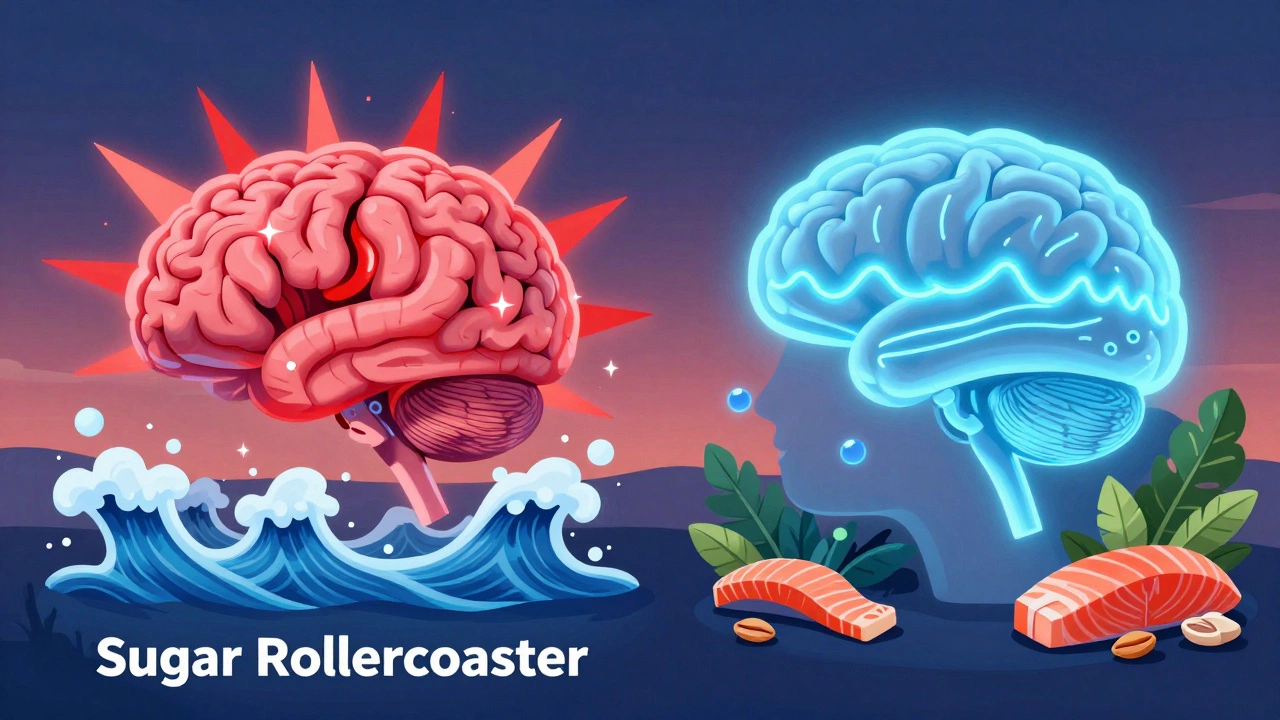
Every time you eat carbs-bread, rice, pasta, even fruit-they break down into glucose, which floods your bloodstream. Your pancreas responds by pumping out insulin to shuttle that sugar into your cells for energy. Sounds normal, right? But here’s the catch: if you’re eating carbs constantly, your body keeps spiking and crashing. That rollercoaster is why you feel wired after a bagel, then wiped out by noon.
When you cut back on carbs, your blood sugar stays steady. No spikes. No crashes. That’s why you wake up without needing coffee to function. Your energy isn’t tied to what you ate three hours ago. It’s steady. Reliable. Like a battery that doesn’t drain every time you turn on a light.
Studies from the Journal of Clinical Endocrinology & Metabolism show that people on low-carb diets report significantly fewer energy dips and cravings compared to those on high-carb diets-even when both groups ate the same number of calories. It’s not about willpower. It’s about chemistry.
Brain Fog? That’s Inflammation Talking
That thick, fuzzy feeling in your head after lunch? It’s not laziness. It’s inflammation. High-carb diets, especially those loaded with refined sugars and processed grains, trigger low-grade inflammation in the brain. That’s linked to reduced focus, memory lapses, and even mood swings.
When you reduce carbs, your body shifts from burning sugar to burning fat. Fat doesn’t spark inflammation the same way sugar does. In fact, ketones-the molecules your body makes when burning fat-are proven neuroprotectants. Research from UCLA found that ketones improve mitochondrial function in brain cells, helping them produce energy more efficiently. Translation? Your brain runs smoother, quieter, and with less mental noise.
People who switch to low-carb eating often say things like, “I finally feel like myself again.” Not because they lost weight. But because their brain stopped fighting a constant sugar war.
Cravings Aren’t Weakness-They’re a Signal
You think you’re addicted to bread because you “love it.” But the truth? Your body is begging for more sugar. When your blood sugar drops after a carb-heavy meal, your brain sends a panic signal: “More fuel! Now!” That’s not hunger. That’s a biochemical emergency.
Low-carb eating breaks that cycle. Within 3-5 days, your body learns to use fat for fuel. Your appetite stabilizes. You stop snacking mindlessly. You don’t crave that afternoon cookie because your body isn’t screaming for sugar anymore.
One 2023 study in Nutrition & Metabolism tracked 120 people switching from high-carb to low-carb diets. Within two weeks, 87% reported a dramatic drop in cravings-not because they were “on a diet,” but because their body stopped sending false hunger signals.
It’s Not About Losing Weight-It’s About Feeling Alive
Most people start low carb thinking they’ll lose weight. And sure, many do. But the real win? The way you feel. You sleep deeper. You wake up without hitting snooze. You don’t need a nap after lunch. You can focus on work without mental fog. You feel calm, not jittery.
That’s not magic. That’s your metabolism finally working the way it was designed to. Humans evolved to burn fat for fuel during long periods without food. Modern diets-loaded with grains, sugar, and processed carbs-flood your system with constant energy, confusing your body’s natural rhythm.
When you cut back, you’re not depriving yourself. You’re returning to a state your body understands.
What Low Carb Actually Looks Like (No Deprivation Needed)
You don’t need to eat only meat and eggs. Low carb doesn’t mean no vegetables, no flavor, no joy. It means swapping out the carbs that spike your blood sugar for ones that don’t.
Instead of rice, try cauliflower rice. Swap pasta for zucchini noodles. Choose berries over bananas. Use almond flour instead of wheat flour. Add healthy fats-avocado, olive oil, nuts, cheese-to keep you full and satisfied.
Here’s what a real low-carb day in Melbourne might look like:
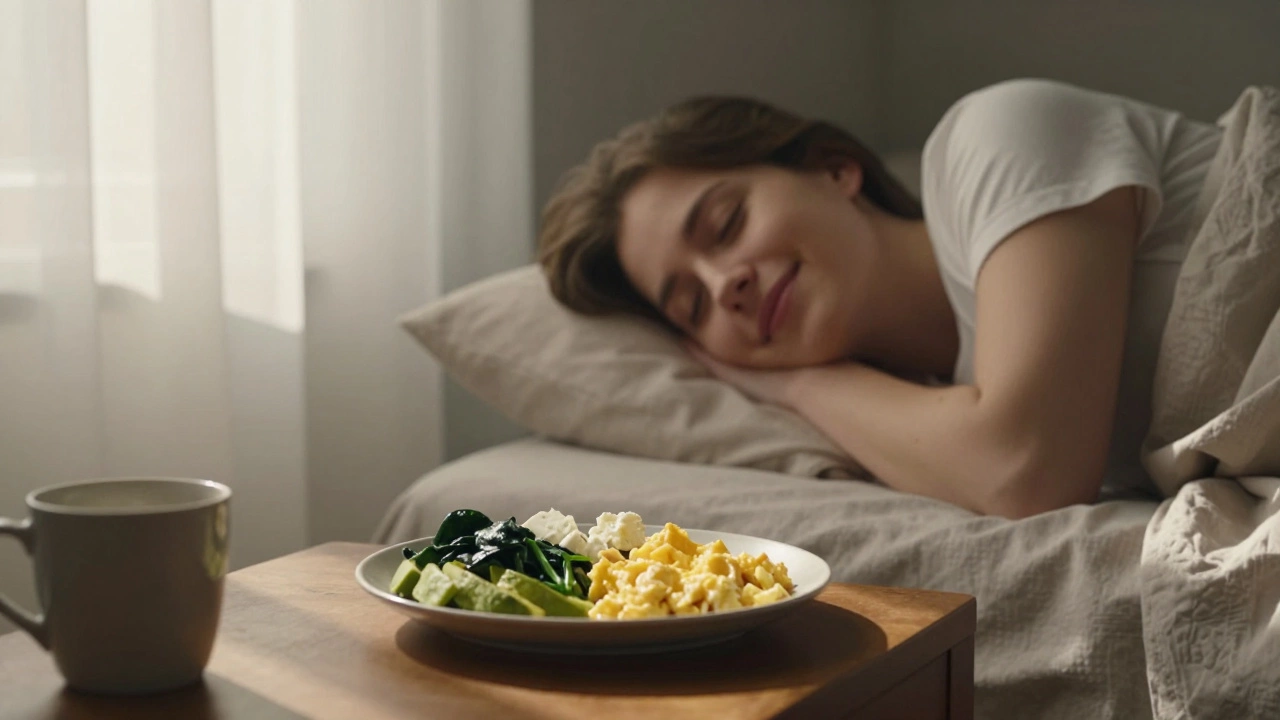
- Breakfast: Scrambled eggs with spinach, feta, and avocado
- Lunch: Grilled chicken salad with olive oil, lemon, and roasted pumpkin
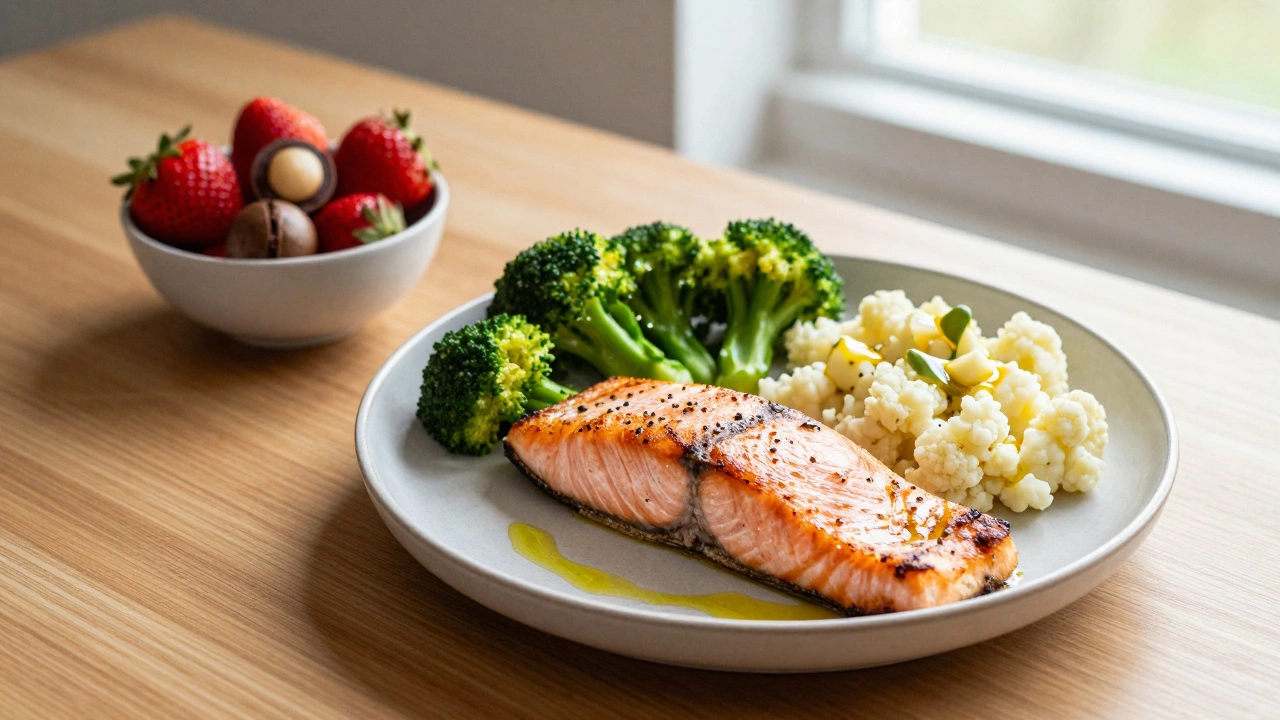
- Snack: Handful of macadamias and a few strawberries
- Dinner: Pan-seared salmon with garlic butter broccoli and mashed cauliflower
No hunger. No cravings. No energy crashes. Just real food that works with your body, not against it.
Why Some People Don’t Feel Better
Not everyone feels amazing on low carb. And that’s okay. It’s not a one-size-fits-all fix.
If you’re still feeling tired, it could be because:
- You’re not eating enough fat-you’re just cutting carbs and eating mostly protein. Your body needs fat to fuel properly.
- You’re cutting out too many veggies. Fiber and micronutrients matter. Leafy greens, mushrooms, and cruciferous veggies are low in carbs but high in support.
- You’re still eating hidden carbs. Soy sauce, ketchup, flavored yogurt, and even some “healthy” protein bars are sugar traps.
- You’re stressed or not sleeping. Low carb helps, but it won’t fix chronic stress or sleep deprivation.
Try tracking your food for a week. Use a free app like Cronometer. Look at your net carbs (total carbs minus fiber). Aim for under 50 grams per day. If you’re still tired, add more healthy fats and sleep 7+ hours.
The Long-Term Shift
This isn’t a 30-day challenge. It’s a lifestyle reset. You’re not trying to “get skinny.” You’re trying to feel clear-headed, energized, and in control of your body-not your cravings.
People who stick with low carb long-term don’t do it because they’re obsessed with numbers. They do it because they finally feel like themselves. They sleep better. They think clearer. They stop dreading meals because they know their body won’t crash afterward.
It’s not about perfection. It’s about consistency. Miss a slice of pizza? Fine. Get back to your usual pattern the next meal. One slip doesn’t undo progress. Constant sugar spikes do.
If you’ve ever felt like your energy is tied to what you ate hours ago-this is your sign. Your body is asking for a change. You don’t need a miracle. You just need to stop feeding it the wrong fuel.
Why do I feel worse when I first cut carbs?
It’s called the “keto flu.” Your body is adjusting from burning sugar to burning fat. You might get headaches, fatigue, or irritability for 2-5 days. Drink more water, add salt to your food, and eat enough fat. This passes quickly. Most people feel better than ever after the first week.
Can I still eat fruit on low carb?
Yes-but choose wisely. Berries (strawberries, raspberries, blackberries) are low in sugar and high in fiber. A small serving is fine. Avoid bananas, grapes, mangoes, and pineapple-they spike blood sugar fast. One cup of berries has about 10g net carbs. That’s fine if you’re keeping total carbs under 50g per day.
Do I need to count calories on low carb?
Not usually. When your blood sugar is stable and you’re eating real food, your appetite naturally regulates. You eat when you’re hungry, stop when you’re full. Most people eat fewer calories without trying. If you’re not losing weight or feeling better, check for hidden carbs or too much dairy/nuts-those can stall progress.
Is low carb safe for long-term use?
Yes, when done right. Many cultures, like the Inuit and traditional Mediterranean communities, ate low-carb diets for generations without health issues. The key is focusing on whole foods: vegetables, healthy fats, eggs, fish, meat, nuts. Avoid processed “low-carb” snacks loaded with chemicals. Real food is the only kind that works long-term.
Will I lose muscle on low carb?
No-if you eat enough protein and don’t overdo calorie cutting. Your body can make glucose from protein and fat when needed. Studies show people on low-carb diets preserve muscle just as well as those on higher-carb diets, especially when strength training. Aim for 1.6-2.2g of protein per kg of body weight.
Next Steps: Try This for 7 Days
Don’t overthink it. Just try this:
- Remove bread, pasta, rice, cereal, sugar, and sugary drinks.
- Eat protein with every meal-eggs, chicken, fish, tofu, beef.
- Load up on non-starchy veggies-spinach, broccoli, zucchini, asparagus, mushrooms.
- Add one healthy fat per meal-olive oil, butter, avocado, nuts, cheese.
- Drink water, herbal tea, or black coffee. No soda. No juice.
After seven days, ask yourself: Do I have more energy? Am I thinking clearer? Do I crave snacks less? If the answer is yes-you’ve found something that works for your body. Not everyone needs to do it forever. But if you feel better, why go back to feeling like crap?