

Interactive Chicken Cooking Guide
Configure Your Cut
Result Title
Method description
Pro Tip:
Specific advice will appear here.
Safety Note: Always use a meat thermometer. White meat should reach 74°C (165°F). Dark meat is safe at 74°C but often better texture at 82°C (180°F).
Enter details to generate your cooking plan.
Walk into any supermarket in Melbourne, London, or New York, and you’ll see a familiar sight: the poultry section is packed. But have you ever stopped to wonder why? The answer lies in a simple statistic that shapes our diets, economies, and kitchens worldwide. Chicken is officially the number one most consumed meat on the planet.
It’s not just a trend; it’s a massive global shift. According to data from the Food and Agriculture Organization (FAO) of the United Nations, poultry consumption has skyrocketed over the last few decades, surpassing pork and beef in many regions. In 2023 alone, the world consumed roughly 145 million metric tons of poultry. That’s enough chicken to fill thousands of cargo ships. So, why did chicken take the crown? And more importantly, how do we cook it so it doesn’t end up dry and boring?
The Rise of Poultry: Why Chicken Won
There are several reasons why chicken beat out the competition. First, let’s talk about speed. Chickens grow incredibly fast compared to cattle or pigs. A broiler chicken can reach market weight in just six weeks. Cattle? They need months, sometimes years. This efficiency means lower costs for consumers and higher supply for producers.
Then there’s the health factor. People are becoming more conscious of their saturated fat intake. Chicken breast, for example, is lean protein with very little fat. It fits perfectly into modern dietary trends like keto, paleo, and general healthy eating. Pork and beef often carry heavier fat profiles, which can be a deterrent for health-conscious shoppers.
Cultural flexibility also plays a huge role. Unlike some meats that might conflict with religious dietary laws (like pork for Muslims and Jews, or beef for Hindus), chicken is widely accepted across almost all cultures and religions. This makes it a safe, universal choice for families everywhere.
| Meat Type | Avg. kg per person/year | Key Driver |
|---|---|---|
| Poultry (Chicken) | 14-16 kg | Affordability, Health, Versatility |
| Pork | 12-14 kg | Cultural preference in Asia/Europe |
| Beef | 8-10 kg | Taste, Tradition, Status |
| Lamb/Mutton | 1-2 kg | Regional specificity |
As you can see, while pork is still a strong contender, especially in parts of Asia and Europe, poultry has pulled ahead globally. The gap is widening every year. This isn’t just about numbers; it’s about how we live. We’re busier, we’re healthier, and we’re looking for meals that come together quickly without sacrificing flavor.
Understanding Chicken Cuts for Better Cooking
Knowing that chicken is the top meat is great, but knowing how to cook it is better. Many people ruin chicken because they treat every part the same. You wouldn’t slow-roast a steak the same way you sear a scallop, right? The same logic applies here.
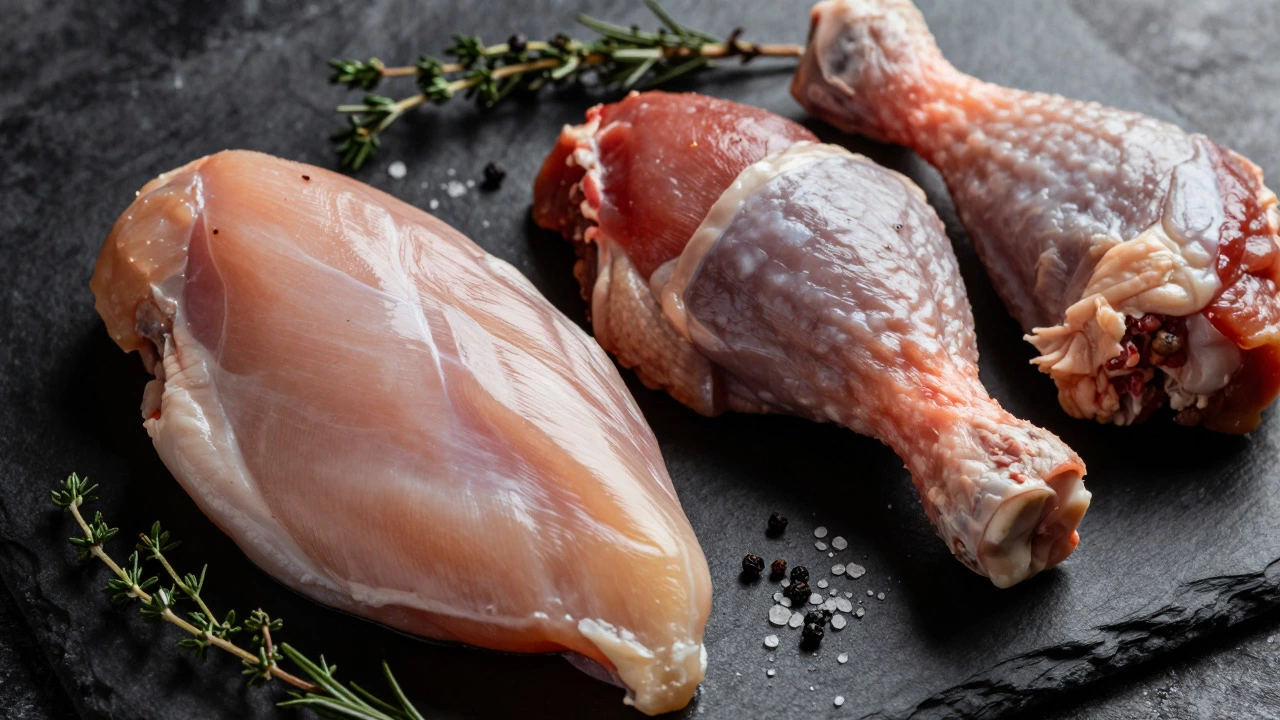
Let’s break down the bird. The breast is white meat. It’s lean, meaning it has less connective tissue and fat. Because of this, it cooks quickly and dries out if you overcook it by even a minute. Think of it like a sponge; once the water is gone, it’s tough. On the other hand, thighs and drumsticks are dark meat. They have more myoglobin and fat, which keeps them juicy even after longer cooking times. This makes them perfect for braising, roasting, or grilling.
If you want crispy skin, go for bone-in cuts. The bone acts as an insulator, protecting the meat from direct heat and keeping it moist. If you’re in a rush, boneless skinless breasts are your friend, but you have to watch the clock. A good rule of thumb? Cook chicken breasts to an internal temperature of 74°C (165°F). Use a thermometer. Trust me, guessing leads to rubbery texture.
Top 3 Ways to Cook Chicken Like a Pro
Since chicken is the king of meats, let’s give it the royal treatment. Here are three methods that transform ordinary chicken into something extraordinary. These aren’t complicated gourmet techniques; they’re practical approaches anyone can master at home.
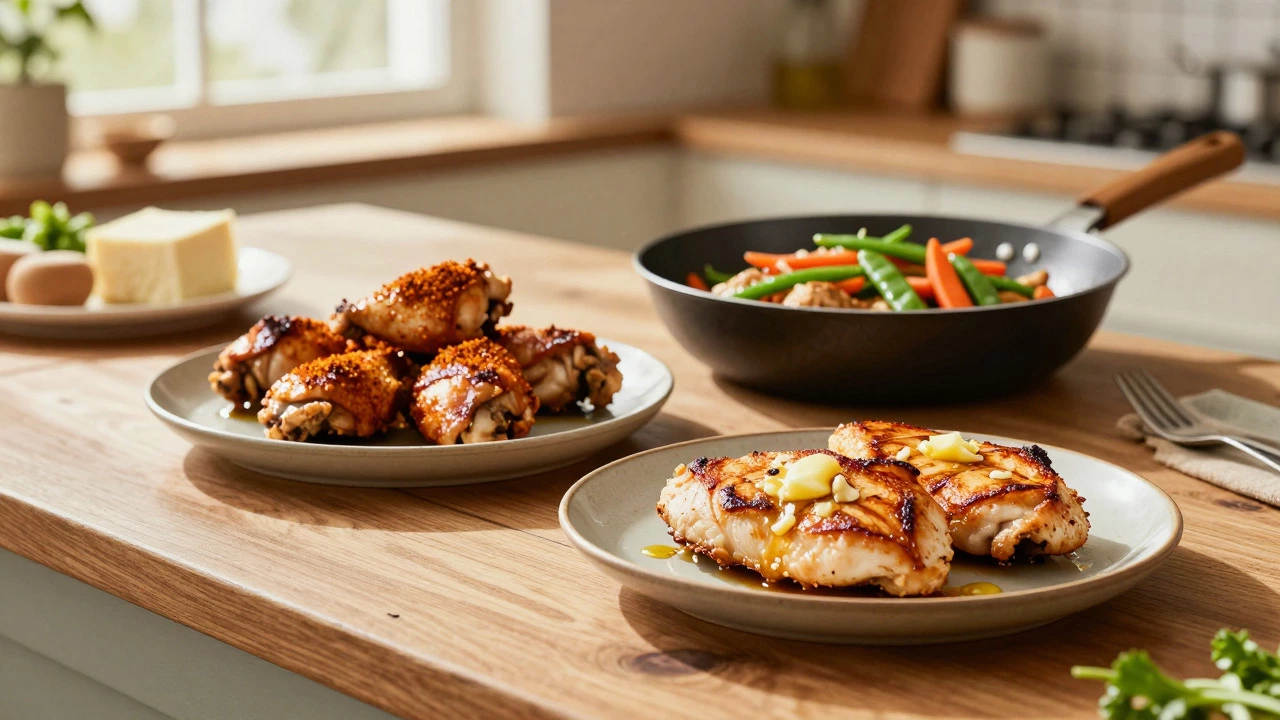
- The High-Heat Sear: Great for breasts and cutlets. Pat the chicken dry first-moisture is the enemy of browning. Season generously with salt and pepper. Heat olive oil in a stainless steel or cast-iron pan until it shimmers. Add the chicken and don’t touch it! Let it develop a golden crust for 3-4 minutes. Flip and cook for another 3-4 minutes. Finish with a knob of butter, garlic, and thyme for extra richness.
- The Low-and-Slow Roast: Perfect for whole chickens or bone-in thighs. Preheat your oven to 200°C (400°F). Rub the chicken with oil, salt, and your favorite herbs. Roast until the juices run clear. For whole birds, tent the breast with foil halfway through to prevent burning. This method yields tender, fall-off-the-bone meat that tastes like Sunday dinner.
- The Marinade Magic: Ideal for skewers or stir-fries. Chicken absorbs flavors well. Marinate pieces in a mix of soy sauce, honey, ginger, and lime juice for at least 30 minutes. The acid in the lime helps tenderize the meat slightly, while the sugar caramelizes during cooking. Grill or pan-fry quickly for a burst of flavor.
Easy Dinner Ideas Using the World's Favorite Meat
You’ve got the knowledge. Now, what’s for dinner? Since chicken is so versatile, it fits into almost any meal plan. Here are a few ideas that balance speed, nutrition, and taste.
- Mediterranean Lemon Herb Chicken: Slice chicken breasts into strips. Sauté with bell peppers, onions, and olives. Finish with fresh lemon juice and parsley. Serve over quinoa or rice. It’s light, fresh, and ready in under 20 minutes.
- Crispy Baked Chicken Thighs: Coat bone-in thighs in a mixture of paprika, garlic powder, and breadcrumbs. Bake at 200°C for 35-40 minutes. Crispy on the outside, juicy on the inside. Pair with roasted broccoli for a complete meal.
- Chicken Stir-Fry: Use leftover cooked chicken or quick-cook strips. Toss with snap peas, carrots, and mushrooms in a wok. Add a sauce made from soy sauce, sesame oil, and cornstarch slurry. Serve over noodles. This is the ultimate weeknight savior.
Notice how these recipes focus on simplicity. You don’t need exotic ingredients to make chicken shine. Good seasoning, proper heat control, and fresh vegetables are all you really need.
Nutritional Benefits: More Than Just Protein
We often hear that chicken is "healthy," but what does that actually mean? Chicken is a complete protein source, meaning it contains all nine essential amino acids your body needs to build muscle and repair tissues. It’s also rich in B vitamins, particularly niacin (B3) and B6, which help convert food into energy.
Dark meat, while fattier, contains more iron and zinc than white meat. Iron is crucial for carrying oxygen in your blood, and zinc supports immune function. So, don’t shy away from thighs if you’re active or feeling run down. Balance is key. If you’re watching calories, stick to skinless breasts. If you want flavor and micronutrients, embrace the dark meat.
One common misconception is that organic or free-range chicken is significantly healthier nutritionally. While ethical farming practices are important for animal welfare and environmental sustainability, the nutritional difference between conventional and organic chicken is minimal. The biggest health impact comes from how you prepare it. Fried chicken loaded in batter will negate the benefits of the leanest breast. Grilled, baked, or poached preparations preserve the natural nutrients.
Sustainability and the Future of Poultry
With chicken being the most consumed meat, its environmental footprint matters. Compared to beef, poultry has a much lower carbon footprint. Cows produce methane, a potent greenhouse gas, and require vast amounts of land and water. Chickens are more efficient converters of feed into meat. This means producing chicken generally uses fewer resources per kilogram of protein.
However, industrial farming still poses challenges. Antibiotic use in poultry is a growing concern. To mitigate this, look for labels like "raised without antibiotics" or "organic." Supporting local farmers who practice rotational grazing or smaller-scale production can also reduce transportation emissions and support community resilience.
As we move further into 2026, lab-grown meat and plant-based alternatives are gaining traction. Will they replace chicken? Maybe eventually. But for now, chicken remains the staple. Its combination of affordability, taste, and cultural acceptance is hard to beat. The future might involve hybrid diets, but chicken is likely to stay on our plates for generations to come.
Troubleshooting Common Chicken Cooking Mistakes
Even experienced cooks mess up chicken sometimes. Here’s how to fix common issues before they ruin your meal.
- Dry Breast: Did you overcook it? Next time, pull it off the heat at 72°C (160°F) and let it rest. The residual heat will bring it to 74°C. Resting allows the juices to redistribute. If it’s already dry, serve it shredded in a saucy dish like tacos or soup to mask the texture.
- Rubbery Texture: This usually happens when chicken is boiled too vigorously or fried at too low a temperature. Ensure your oil is hot enough before adding the chicken. For boiling, keep the liquid at a gentle simmer, not a rolling boil.
- Bland Flavor: Chicken itself is mild. It needs seasoning. Don’t be shy with salt. Also, consider brining. A simple brine of salt and water for 30 minutes before cooking can dramatically improve juiciness and flavor absorption.
Remember, cooking is about experimentation. Taste as you go. Adjust seasoning. Learn from each batch. The more you cook with chicken, the more intuitive it becomes.
Is chicken really the most eaten meat in the world?
Yes, according to recent FAO data, poultry (primarily chicken) is the most consumed meat globally, surpassing pork and beef in total tonnage. Its affordability, rapid growth cycle, and broad cultural acceptance drive this dominance.
What is the healthiest part of the chicken to eat?
Skinless chicken breast is the leanest option, offering high protein with minimal fat. However, dark meat like thighs provides more iron and zinc. Both are healthy choices depending on your specific nutritional goals.
How long should I cook chicken breast?
Cook chicken breast until it reaches an internal temperature of 74°C (165°F). For thin fillets, this takes about 6-8 minutes total in a pan. Always use a meat thermometer for accuracy to avoid dryness.
Why is chicken cheaper than beef?
Chickens grow much faster than cattle, reaching market weight in weeks rather than months. They also require less land and feed per kilogram of meat produced, making them more economically efficient to raise.
Can I freeze cooked chicken?
Yes, cooked chicken can be frozen for up to 3-4 months. Store it in airtight containers or freezer bags. Thaw it in the refrigerator overnight before reheating to maintain texture and safety.