
The Truth About the World's Favorite Meal
We have all asked ourselves at some point: what is the absolute best thing to eat? You might ask a friend, and they say pasta. You ask another person, and they swear by tacos. There is no single scientific study that declares one specific dish as "the winner" forever. However, when you look at sales data, cultural habits, and historical consumption patterns, a few heavy hitters consistently rise to the top.
Finding the most loved food isn't just about flavor profiles; it is about memory, emotion, and chemistry. These dishes work because they hit a biological sweet spot involving fats, salts, and carbohydrates that trigger happiness pathways in the brain. While your personal favorite depends on your childhood memories, certain global icons dominate every market research list year after year.
What Defines a Beloved Dish?
Before we list the contenders, we need to understand why we crave them. A dish becomes a favorite not just because it tastes good, but because of the emotional safety it provides. This concept is deeply tied to nostalgia. Think about the meal your parents made when you were sick or the Sunday dinner everyone gathered for.
Foods that earn the title of "most loved" share specific traits:
- Simplicity: They are rarely overly complex. They rely on high-quality, basic ingredients like butter, flour, tomato, and meat.
- Texture: Creamy, crunchy, or chewy textures make food memorable. We love the softness of mashed potatoes or the crispiness of a fried chicken crust.
- Warmth: Hot temperatures signal comfort to our bodies. Cold salads rarely top the list of "most loved" in the same way hot soups do.
- Universality: Ingredients are available everywhere. You can find tomatoes in almost every country, making tomato-based sauces the backbone of many favorites.
Top Global Contenders
If we had to narrow down the field based on global surveys and sales volume, these five items consistently compete for the number one spot.
1. The Champion: Pizza
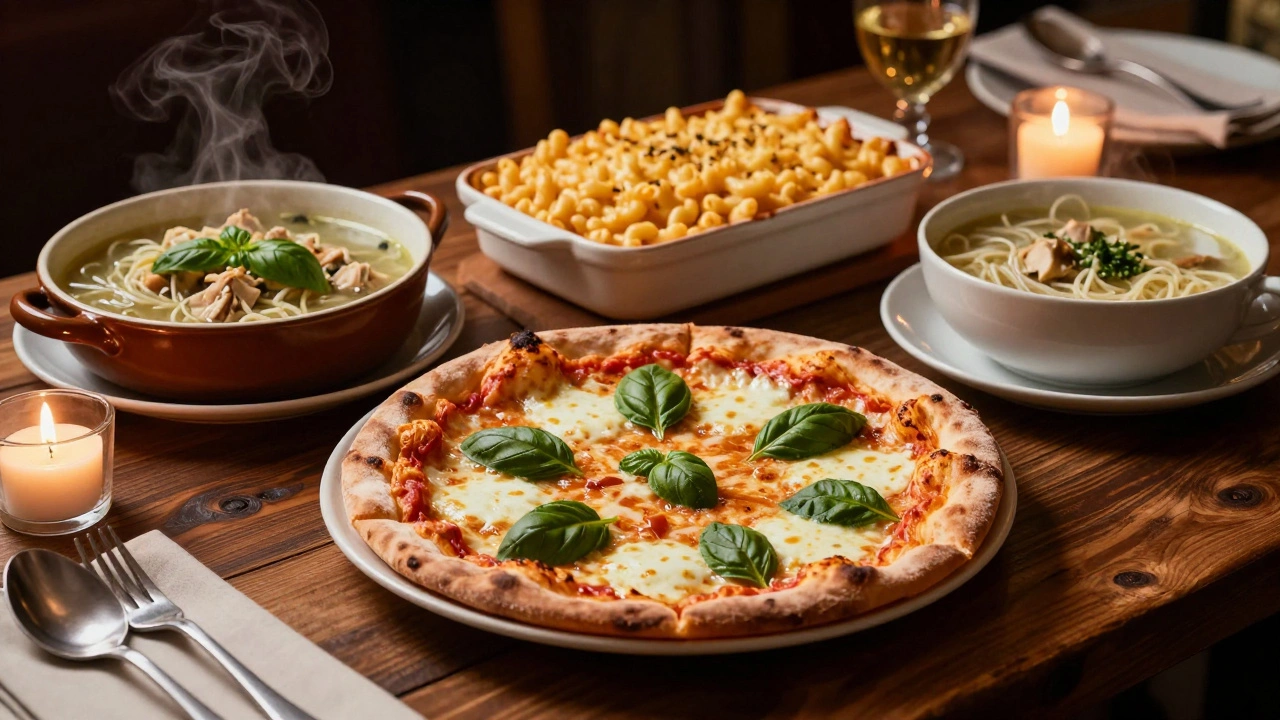
Many sources cite Pizza as the world's most consumed prepared food. Its versatility allows it to fit every diet and region. In Italy, it remains thin and simple with fresh basil and San Marzano tomatoes. In America, it became thicker, greasier, and loaded with cheese. In Brazil, pineapple tops slices. Regardless of the variation, the core experience-hot bread, salty cheese, tangy sauce-is identical.
The appeal lies in the sharing factor. It is designed for groups, making it the default choice for parties and family nights. If you order delivery, it wins over other options by arriving warm and intact.
2. The American Classic: Macaroni and Cheese
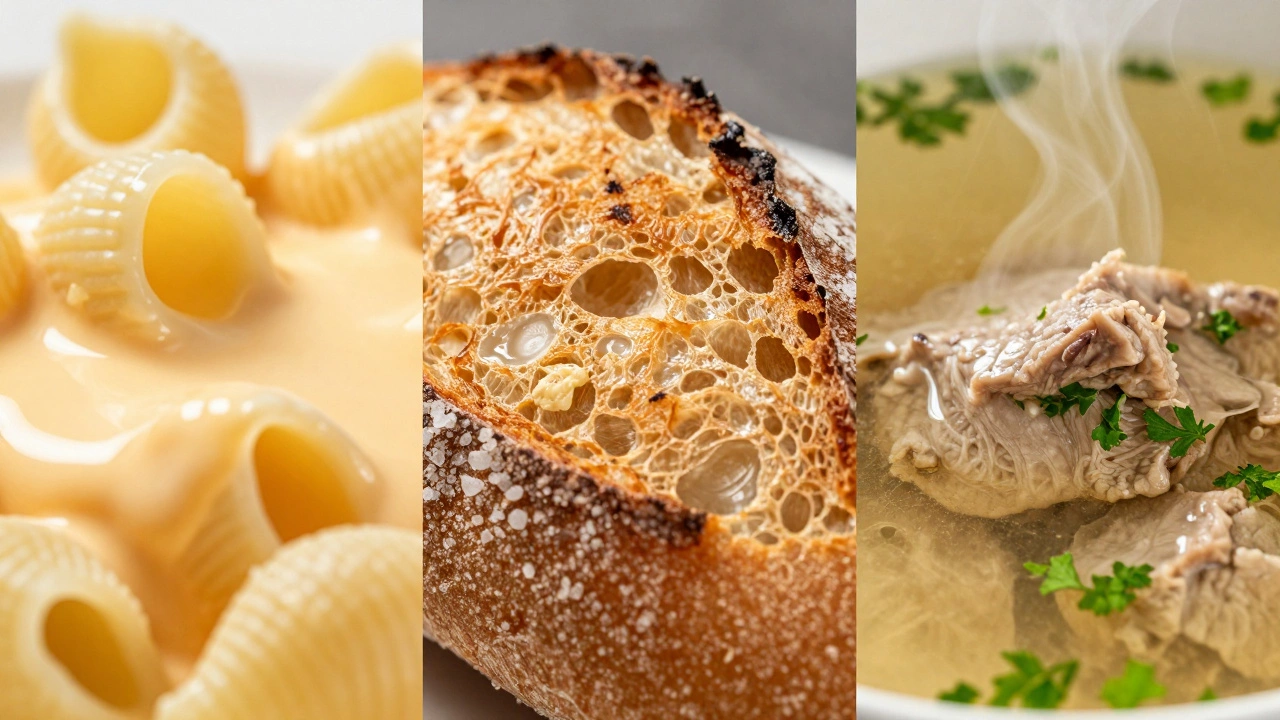
In North America and parts of Europe, nothing beats Macaroni and Cheese. It is the ultimate comfort meal. The combination of starch from the pasta and the rich, savory creaminess of the cheddar sauce hits the umami and fat receptors hard. A dish consisting of pasta and cheese sauce or cheese filling. When boxed versions emerged in the 20th century, it democratized the recipe, making it accessible to everyone. Even today, homemade versions with a breadcrumb crust remain a household staple during winter months.
3. The Healing Bowl: Chicken Soup
Some foods are loved for indulgence, others for care. Chicken Soup is legendary in Jewish culture as "Jewish Penicillin," but it resonates globally. Matzah Ball soup, tortilla soup, or Hainanese chicken rice all serve the same purpose. The broth contains collagen and electrolytes that soothe sore throats physically, while the smell triggers psychological safety. People love this dish not because it fills a void, but because it heals a wound.
4. The Sweet Fix: Chocolate Cake
While the category above focuses on dinners, dessert deserves its own throne. Chocolate Cake dominates birthday celebrations worldwide. The bitterness of cocoa balances the sugar. Unlike other sweets that feel cloying, a dense piece of chocolate cake feels luxurious. It represents a break from routine.
5. The Pasta Powerhouse: Bolognese
You cannot talk about global favorites without mentioning Bolognese. While often misunderstood, true ragù involves slow-cooked beef, pork, and tomatoes. It pairs with wide noodles like Tagliatelle. In 2017, a survey conducted across multiple countries found that pasta dishes were consistently among the top ten requested meals in restaurants. The slow cooking process deepens the flavor, creating a rich sauce that clings to the noodles perfectly.
| Dish | Primary Region | Key Appeal | Typical Serving Temp |
|---|---|---|---|
| Pizza | Italy / USA | Cheese pull & texture | Hot / Warm |
| Mac & Cheese | North America | Creamy sauce & carbs | Very Hot |
| Chicken Soup | Worldwide | Hydration & comfort | Hot |
| Bolognese | Europe | Rich meat flavor | Hot |
| Chocolate Cake | USA / Europe | Density & sweetness | Room Temp |
Regional Differences Matter
When searching for the "most loved," we risk ignoring local heroes. Just as a French person loves Croissants in the morning, a Japanese person might prefer Curry Rice. It is impossible to declare a winner without acknowledging these cultural pockets.
In Southeast Asia, Noodles are king. But it isn't just spaghetti. It is pho, ramen, and pad thai. The broth is often complex, utilizing star anise, fish sauce, or soybean paste. This contrasts with Western preferences for dairy-heavy creams. In South India, a bowl of Idli with Sambar might be the daily ritual that rivals Pizza anywhere else. Understanding these differences shows us that "most loved" really means "most familiar."
For those who grew up on Rice, bread-based meals like burgers or pizza feel too dry without sides. Rice acts as a blank canvas for flavors in Asia and parts of Africa. It absorbs sauces and spices better than wheat products. This explains why Curry and Rice combinations appear higher on charts in those regions compared to Western ones.
The Science Behind the Craving
Why does our body choose these specific foods? It comes down to macronutrients. Carbohydrates provide quick energy. When you eat pasta or bread, your blood sugar rises, giving an immediate sense of satisfaction. Fats, especially saturated fats found in cheese or red meat, add satiety and richness.
The sensation of Umami is crucial here. Umami is the savory fifth taste. Foods like mushrooms, parmesan cheese, aged meats, and tomatoes are high in glutamates, which enhance flavor depth. This chemical reaction makes a steak or a cheese-laden pie feel more rewarding than plain fruit. Our brains are evolutionarily programmed to seek these calorie-dense foods because they signaled survival in the past.
However, modern consumption has shifted this balance. We crave these foods even when we aren't hungry. Stress releases cortisol, which drives us toward sugary and fatty comfort foods. So, the "most loved" food is often the one that calms anxiety fastest.

How to Cook Your Personal Favorite
Knowing the classics is great, but you might want to make the best version yourself. Here is how to elevate three of the top contenders at home.
Perfecting the Pasta Sauce
To get restaurant-quality Bolognese, patience is key. Do not rush the meat. Brown your ground beef or chuck slowly until it is dark brown. This creates the Maillard reaction, which generates flavor compounds. Add onions and carrots, sweating them for 10 minutes before adding liquids. Simmer the tomato mixture low and slow for at least two hours. Stir in heavy cream at the very end if you want a richer, velvety texture similar to Alfredo.
Best Homemade Mac & Cheese
Avoid the boxes. Make a roux by melting equal parts butter and flour. Whisk in milk until it thickens. Remove from heat before adding cheese. Adding cheese to boiling liquid causes the proteins to separate, making the sauce grainy. Sharp Cheddar melts best due to its lower moisture content. For extra crunch, top with buttered breadcrumbs and broil for five minutes.
Elevating Chicken Soup
The magic is in the bones. Roast a whole chicken carcass before simmering it. The charred bits dissolve into the water to create a golden color and deeper flavor. Add celery and onion scraps. Don't oversalt until the end, as reducing the soup concentrates the salt. Serve with matzoh balls if you want the traditional Jewish style, or glass noodles for an Asian twist.
Healthier Alternatives to Keep You Full
Loving comfort food doesn't mean avoiding health. If you worry about digestion or weight, you can adjust the composition without losing the joy. Substitute half the white pasta with zucchini noodles (zoodles) or lentil pasta to boost fiber. Use Greek yogurt instead of sour cream for toppings to increase protein.
Try using cauliflower mash instead of potatoes. Blend steamed cauliflower with garlic and olive oil to mimic the texture of mashed potatoes with fewer calories. You lose some flavor, but the nutritional profile improves significantly. Even small changes like swapping vegetable oil for olive oil adds healthy monounsaturated fats to your fried dishes.
Frequently Asked Questions
Is there a scientific study that names one favorite food?
No single study definitively names one favorite food for the entire planet. Taste is subjective. However, aggregated data from surveys often cites Pizza or Pasta as the most frequently ordered and consumed dishes globally due to their widespread availability and adaptability.
Why is cheese involved in so many popular foods?
Cheese is high in fat and protein, triggering strong reward signals in the brain. It also contains casein, a sticky protein that coats the mouth, enhancing the perception of creaminess and satisfaction.
Can vegetables ever be considered comfort food?
Yes, roasted vegetables are becoming a major category. When cooked with oil and salt to bring out caramelization, root vegetables like carrots and squash offer the same savory sweetness found in traditional meat comfort foods.
Does temperature affect whether food is comforting?
Yes, most people associate warmth with safety. Warm food slows down digestion slightly and mimics the feeling of being held. Hot dishes like stew or soup are statistically rated as more comforting than cold salads.
Are there differences between US and European favorites?
American favorites tend to be heavier on cheese and portion sizes (e.g., Mac and Cheese). European classics focus more on ingredient quality and lighter preparations, such as a simple tomato sauce pasta or fresh grilled fish with seasonal veggies.