
Healthy Meat Plate Calculator
Select one meal option for each day to calculate your weekly 'Heart Health Score'. Based on the article's guidelines regarding poultry, fatty fish, and preparation methods.
Weekly Health Score
Select meals and click calculate to see how heart-healthy your week is.
Walk down the aisle of your local supermarket in Melbourne, and you are faced with a wall of red. Beef, lamb, pork chops, sausages. It is easy to feel overwhelmed when trying to decide what goes into your shopping basket. For years, we were told that all meat is created equal, or worse, that we should avoid it entirely. But the truth is somewhere in the middle. Not all meats carry the same nutritional baggage. Some fuel your muscles and protect your heart, while others can clog your arteries if eaten in excess.
If you are looking for the single healthiest option, the answer isn't just one animal. It depends on how you define 'healthy.' Are you cutting calories? Managing cholesterol? Or just trying to get enough protein without the heavy feeling after dinner? The short answer is that skinless poultry and fatty fish like salmon generally win the title. However, there are lean cuts of beef and pork that fit perfectly into a balanced diet. Let's break down exactly which meats deserve a spot on your plate and why.
The Gold Standard: Poultry
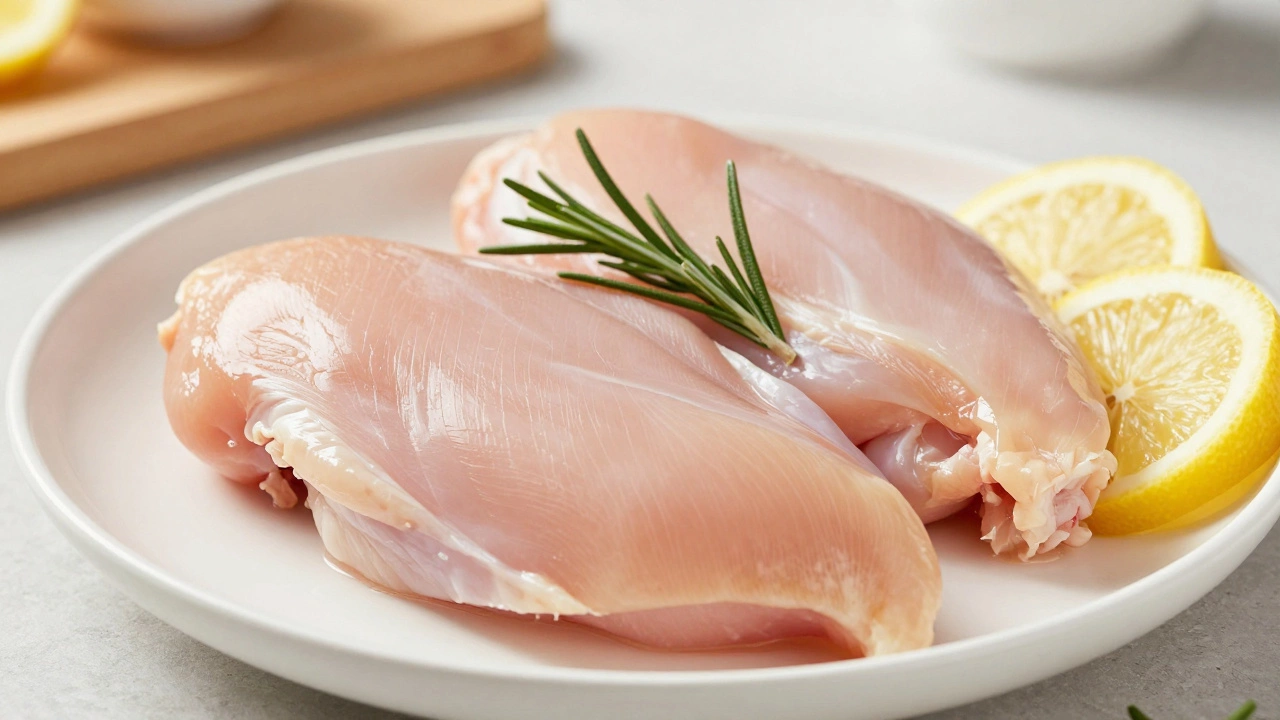
When nutritionists talk about healthy meat, chicken is the most common recommendation. Specifically, we are talking about the breast meat, not the thigh or the wing, and definitely not with the skin on. Chicken breast is incredibly lean. A standard serving provides high-quality protein with very little saturated fat.
Why does this matter? Saturated fat is linked to higher LDL (bad) cholesterol levels, which increases the risk of heart disease. By choosing white meat poultry, you are getting the building blocks for muscle repair without the cardiovascular risks associated with fatty red meats. Turkey is a close second and offers similar benefits. In fact, turkey breast often has even less fat than chicken breast.
- Chicken Breast: Low in fat, high in protein, versatile for cooking.
- Turkey Breast: Similar to chicken but often slightly leaner.
- Avoid: Dark meat (thighs/drumsticks) with skin, as these contain significantly more fat.
In my kitchen here in Melbourne, I keep frozen chicken breasts on hand because they cook quickly and absorb marinades well. Whether you are grilling them for a summer BBQ or slicing them into a stir-fry, they are a reliable staple. Just remember that the healthiness of chicken can disappear if you deep fry it or smother it in creamy sauces. The preparation method matters just as much as the cut itself.
The Heart Hero: Fatty Fish
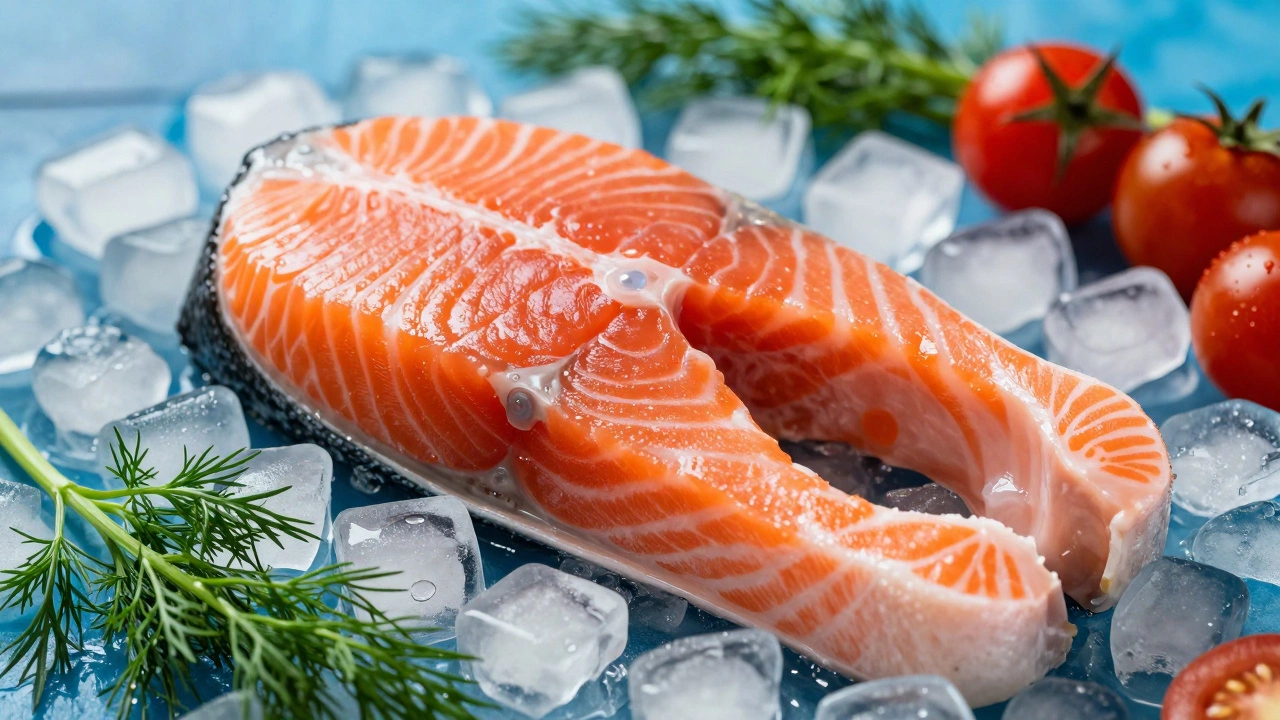
If chicken is the gold standard for leanness, then fatty fish like salmon, mackerel, and sardines are the champions for heart health. These fish are rich in omega-3 fatty acids. Omega-3s are essential fats that our bodies cannot produce on their own. They play a crucial role in reducing inflammation, lowering blood pressure, and supporting brain function.
Many people think of fish as 'light' food, but fatty fish are nutrient-dense powerhouses. Salmon, for example, provides Vitamin D and selenium along with its protein. If you eat fish twice a week, studies suggest you lower your risk of heart disease significantly. This is why health guidelines worldwide recommend incorporating oily fish into your regular diet.
| Type of Fish | Omega-3 Content | Mercury Risk | Best For |
|---|---|---|---|
| Salmon | High | Low | Heart health, general wellness |
| Sardines | Very High | Very Low | Budget-friendly, calcium intake |
| Mackerel | High | Moderate | Omega-3 boost (limit frequency) |
| Cod/Tilapia | Low | Low | Low-calorie protein needs |
Note that not all fish are created equal. White fish like cod or tilapia are very lean and great for low-calorie diets, but they lack the omega-3 punch of salmon. Also, be mindful of mercury levels. Larger predatory fish like shark or swordfish accumulate toxins over time. Stick to smaller fish or farmed salmon for the safest, healthiest choice.
Red Meat: Not All Evil, But Choose Wisely
We need to address the elephant in the room: red meat. For decades, beef and lamb have been villainized. While it is true that processed meats like bacon and sausages are linked to various health issues, unprocessed red meat still has a place in a healthy diet. The key is selection and portion control.
If you love beef, choose cuts with names that sound tough. Terms like 'round,' 'loin,' and 'sirloin' indicate leaner muscles. A sirloin steak or eye fillet is packed with iron, zinc, and B12, which are vital for energy and immune function. Iron from meat (heme iron) is also easier for your body to absorb than iron from plants.
Lamb is popular in Australia, especially during winter. To keep it healthy, trim visible fat before cooking and opt for leg or loin cuts rather than rib chops. Pork, often called 'the other white meat,' can also be healthy if you choose tenderloin or center-cut chops. Avoid marbled steaks or brisket if you are watching your saturated fat intake.
What About Processed Meats?
There is a distinct difference between a fresh piece of chicken breast and a packet of ham. Processed meats include any meat that has been cured, salted, smoked, or otherwise preserved. This category includes hot dogs, salami, pepperoni, and deli slices.
The World Health Organization has classified processed meats as carcinogenic to humans. This doesn't mean eating one sandwich will cause cancer, but regular consumption increases the risk. The preservatives used, such as nitrates, combined with high sodium levels, put stress on your body. If you want the healthiest meat experience, skip the deli counter and buy fresh cuts instead. The flavor difference is night and day, and your body will thank you.
Preparation Matters More Than You Think
You can buy the leanest chicken breast in the world, but if you deep fry it in butter, it becomes unhealthy. How you cook your meat is just as important as what you buy. Grilling, baking, poaching, and air-frying are excellent methods that require little to no added fat.
Grilling allows fat to drip away from the meat. However, be careful with charring. High heat can create compounds called heterocyclic amines (HCAs), which may be harmful. To avoid this, marinate your meat beforehand (which also adds flavor without calories) and cook at moderate temperatures. Poaching chicken in vegetable broth is another fantastic way to keep it moist without adding oil.
Plant-Based Alternatives
While this article focuses on meat, it is worth noting that many people are shifting towards plant-based proteins. Lentils, chickpeas, tofu, and tempeh offer protein without the saturated fat or cholesterol found in animal products. If you are looking to reduce your meat intake for environmental or health reasons, these are excellent substitutes. They fit well into the 'Healthy Eating' category and can be prepared in ways that mimic the texture of ground meat or shredded chicken.
Putting It All Together: A Weekly Plan
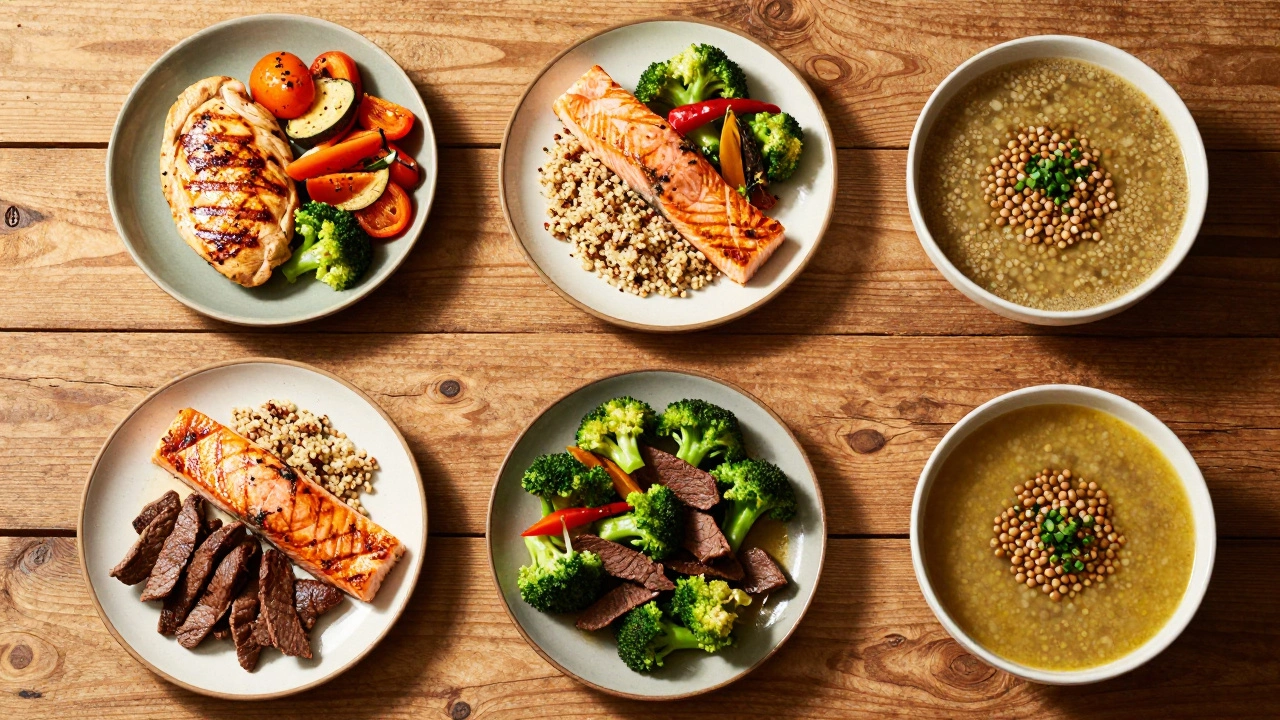
To maximize health benefits, variety is your best friend. Don't eat chicken every single day. Rotate your proteins to ensure you get a wide range of nutrients. Here is a simple framework for a healthy week:
- Monday: Grilled chicken breast with roasted vegetables.
- Tuesday: Baked salmon with quinoa and spinach.
- Wednesday: Lentil soup (plant-based day).
- Thursday: Lean beef stir-fry with lots of peppers and broccoli.
- Friday: Sardines on wholegrain toast.
- Saturday: Turkey mince bolognese.
- Sunday: Roast pumpkin and chickpea salad.
This approach ensures you get the leanness of poultry, the omega-3s from fish, the iron from red meat, and the fiber from plants. It keeps meals interesting and prevents nutrient deficiencies.
Frequently Asked Questions
Is chicken breast really the healthiest meat?
Yes, for most people, skinless chicken breast is considered one of the healthiest options due to its high protein content and very low saturated fat. However, fatty fish like salmon are arguably healthier for heart health because of their omega-3 fatty acids. The 'best' meat depends on your specific health goals.
Can I eat red meat every day?
It is generally recommended to limit red meat consumption to a few times a week. Daily consumption of red meat, especially processed varieties, is linked to increased risks of heart disease and certain cancers. Opt for lean cuts and balance them with plenty of vegetables and plant-based proteins.
What is the difference between white meat and dark meat?
White meat comes from the breast and wings of poultry, while dark meat comes from the legs and thighs. Dark meat contains more fat and calories but also has higher levels of iron and zinc. White meat is leaner and lower in calories, making it a better choice for weight management.
Are plant-based meats healthier than real meat?
Whole plant foods like beans and lentils are very healthy and contain no cholesterol. However, highly processed plant-based meat alternatives can be high in sodium and saturated fats (often from coconut oil). Always check the label. Whole food plants are generally healthier than both processed meat and processed meat substitutes.
How should I cook meat to make it healthier?
Choose cooking methods that add little to no fat, such as grilling, baking, poaching, or air-frying. Avoid deep frying. Marinating meat before grilling can help prevent the formation of harmful compounds caused by high heat. Trimming visible fat from red meat before cooking also reduces saturated fat intake.
Is turkey healthier than chicken?
Turkey and chicken are very similar nutritionally. Turkey breast is often slightly leaner than chicken breast, but the difference is minimal. Both are excellent sources of lean protein. The health impact depends more on whether you eat the skin and how you prepare the meat rather than the type of bird itself.
What are the benefits of eating fatty fish?
Fatty fish like salmon, mackerel, and sardines are rich in omega-3 fatty acids. These healthy fats support heart health by reducing triglycerides and blood pressure. They also aid brain function and reduce inflammation in the body. Aim to eat two servings of fatty fish per week for optimal benefits.