
Weight Loss Fruit Swap Calculator
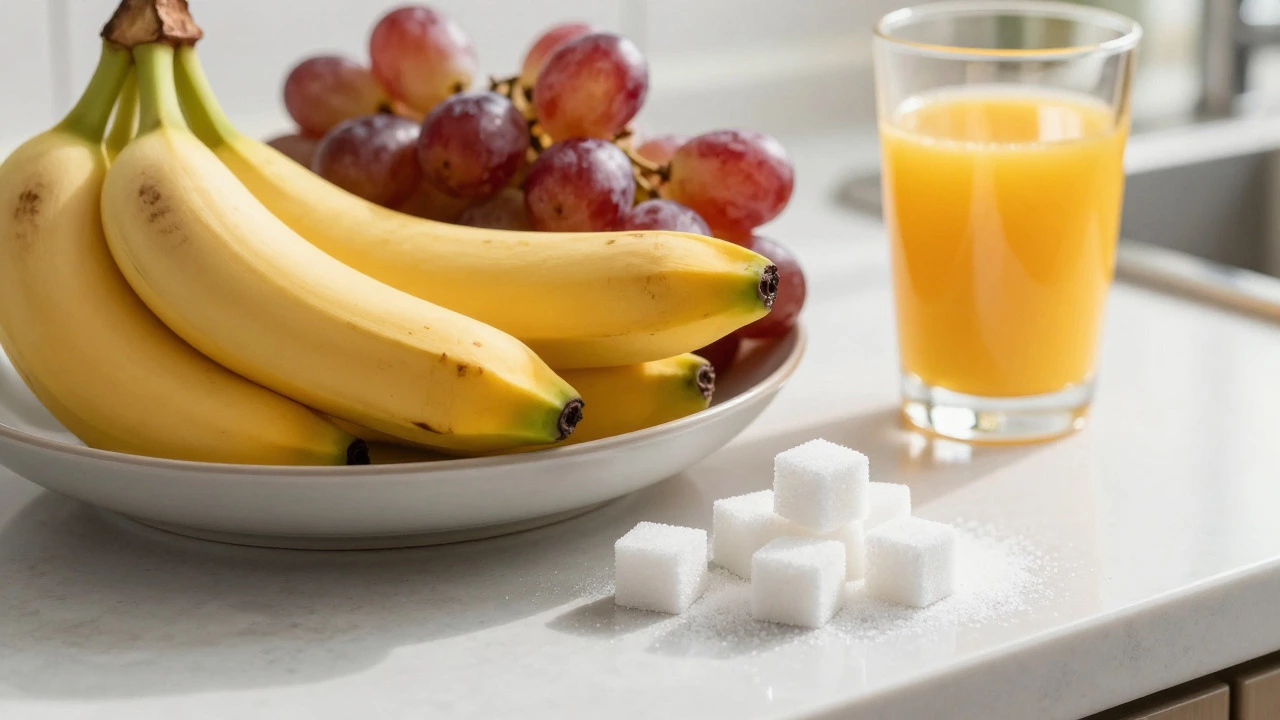
The Trap (Limit These)
High Sugar / Calorie DenseThe Smart Swap (Eat More)
High Fiber / Low SugarPicture this: You’re trying to lose weight. You’ve cut out the chips, skipped the dessert at dinner, and you’re drinking way more water. But the scale isn’t moving as fast as you’d like. So, you start looking at your snacks. Specifically, that bowl of fruit on the counter. You know fruit is healthy. It’s got vitamins, fiber, and antioxidants. But here’s the thing-fruit is also loaded with sugar. And if you’re watching your waistline, that natural sugar can add up faster than you think.
You might be wondering, "Is there a fruit I should avoid?" The short answer is yes. While no fruit is truly "bad" for you in a general health sense, some are significantly worse for weight loss goals due to their high calorie density and sugar content. If you eat them mindlessly, they can stall your progress just as effectively as a candy bar would.
The Hidden Problem with Fruit Sugar
To understand which fruits to limit, we first need to talk about how your body handles fruit sugar. Most people assume that because it comes from nature, it’s free game. But biologically, fructose, the primary sugar in fruit, is processed by the liver. When you consume large amounts of fructose, especially without enough fiber to slow down absorption, your liver converts the excess into fat. This process is called de novo lipogenesis.
Now, don’t panic. Whole fruit contains fiber, which slows digestion and prevents blood sugar spikes. That’s why an apple is better than apple juice. However, when you’re trying to lose weight, every calorie counts. Some fruits pack so much energy into such a small package that it’s easy to overconsume them before you feel full. These are the fruits we call "high glycemic" or "high calorie density." They spike your insulin levels, which signals your body to store fat rather than burn it.
Why is fruit sugar different from table sugar?
Fruit sugar (fructose) comes packaged with fiber, water, and micronutrients, which slow its absorption. Table sugar (sucrose) is refined and lacks these buffers, leading to faster spikes in blood glucose and insulin. However, in large quantities, fructose still stresses the liver and can contribute to fat storage if not burned off through activity.
The Top Fruits to Limit for Weight Loss
If you want to keep your weight loss on track, you need to be strategic about your fruit choices. Here are the culprits that often sneak into diets and derail progress.
1. Bananas
Bananas are a staple in many kitchens. They’re convenient, portable, and great for smoothies. But they are also one of the most calorie-dense fruits you can eat. A medium-sized banana has about 105 calories and 27 grams of carbohydrates, with nearly 14 grams of sugar. Compare that to an apple, which has similar calories but more water content and fiber per gram of weight.
The problem with bananas is their ease of consumption. You can eat two or three in quick succession while watching TV or working. Because they are soft and sweet, they don’t trigger the same satiety signals as crunchy, high-water fruits. For weight loss, try swapping a banana for a pear or an apple. You’ll get similar nutrients with less sugar impact.
2. Grapes
Grapes are deceptive. They look innocent, right? Small, juicy, and refreshing. But grapes are essentially concentrated sugar bombs. One cup of red seedless grapes contains about 104 calories and 27 grams of sugar. Because they are so small, it’s incredibly easy to overeat them. People often grab a handful, then another, and suddenly they’ve consumed 200+ calories with very little volume.
Grapes have a high glycemic index, meaning they raise blood sugar quickly. This rapid spike can lead to a crash later, leaving you hungry again sooner. If you crave something sweet and crunchy, choose berries instead. They offer similar satisfaction with a fraction of the sugar.
3. Mangoes
Mangoes are delicious. There’s no denying that. But they are extremely high in sugar. Half a mango contains about 45 calories and 12 grams of sugar. While that doesn’t sound like much, mangoes are dense. A whole mango can easily push past 150 calories and 30+ grams of sugar. In tropical regions where mangoes are abundant, people often eat them daily, which can contribute to weight gain if not balanced with lower-carb foods.
Mangoes are also low in protein and fat, which means they don’t keep you full for long. After eating a slice of mango, you might find yourself reaching for more food within an hour. For a tropical alternative, consider pineapple in moderation. It has bromelain, an enzyme that aids digestion, and slightly less sugar per serving than mango.
4. Dried Fruits (Raisins, Dates, Apricots)
This isn’t a single fruit, but a category that deserves special attention. Dried fruits are the ultimate weight loss trap. When you remove the water from fruit, you concentrate the sugar and calories. One cup of raisins has about 847 calories and 216 grams of carbohydrates. Yes, you read that right. Just one cup.
Dates are particularly problematic. One Medjool date has about 66 calories and 16 grams of sugar. It’s common to eat three or four dates as a snack, which equals over 200 calories and 50 grams of sugar. That’s equivalent to eating two chocolate bars. If you love dried fruit, stick to a strict portion size-one tablespoon max-and pair it with nuts to slow down sugar absorption.
| Fruit | Calories (per 100g) | Sugar (grams) | Fiber (grams) | Weight Loss Verdict |
|---|---|---|---|---|
| Banana | 89 | 12.2 | 2.6 | Limited |
| Grapes | 69 | 16.3 | 0.9 | Avoid |
| Mango | 60 | 13.7 | 1.6 | Limited |
| Raspberries | 52 | 4.4 | 6.5 | Excellent |
| Strawberries | 32 | 4.9 | 2.0 | Excellent |
| Watermelon | 30 | 6.2 | 0.4 | Good |
Best Fruits for Weight Loss
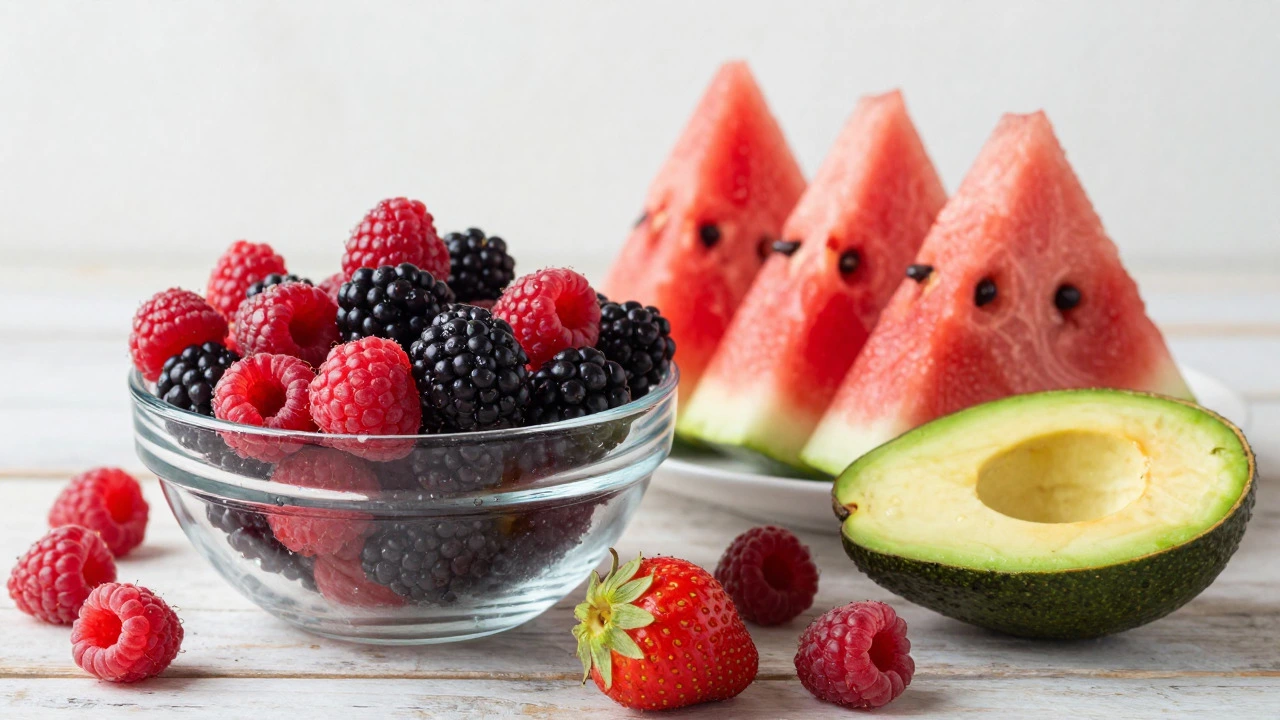
So, what should you eat instead? The best fruits for weight loss share three characteristics: high water content, high fiber, and low sugar. These fruits fill you up without adding excessive calories, helping you stay in a calorie deficit while still feeling satisfied.
1. Berries (Strawberries, Raspberries, Blackberries)
Berries are the gold standard for weight loss. They are packed with antioxidants, which reduce inflammation, and they have the lowest sugar content of almost any fruit. One cup of raspberries has only 5 grams of sugar and 8 grams of fiber. That fiber helps stabilize blood sugar and keeps you full for hours.
I recommend keeping a container of mixed berries in the fridge. Add them to yogurt, blend them into a smoothie with spinach and protein powder, or eat them plain. They satisfy the sweet tooth without the metabolic penalty.
2. Watermelon
Watermelon is 92% water. This makes it incredibly hydrating and very low in calories. One cup of diced watermelon has only 46 calories. While it does have some sugar, the high water content means you have to eat a large volume to consume significant calories. This promotes satiety.
In Melbourne summers, watermelon is a go-to snack. It’s refreshing, light, and won’t sabotage your diet. Just remember to eat the flesh, not just drink the juice, to get the fiber benefits.
3. Avocados
Technically a fruit, avocados are unique because they are low in carbs and high in healthy fats. One half of an avocado has about 120 calories, but most of those come from monounsaturated fats, which support heart health and help absorb other nutrients. Avocados also contain fiber and potassium.
Because fats slow down digestion, eating avocado can keep you full longer than sugary fruits. Add sliced avocado to salads, sandwiches, or scrambled eggs. It’s a powerful tool for curbing hunger between meals.
How to Eat Fruit Without Gaining Weight
You don’t have to eliminate fruit entirely. In fact, cutting out all fruit can make you feel deprived, leading to binge eating later. The key is strategy. Here are practical tips to enjoy fruit while losing weight.
- Prioritize Whole Fruit: Always choose whole fruit over juice. Juice removes the fiber, turning a healthy snack into a sugar bomb. Even fresh-squeezed orange juice can spike insulin rapidly.
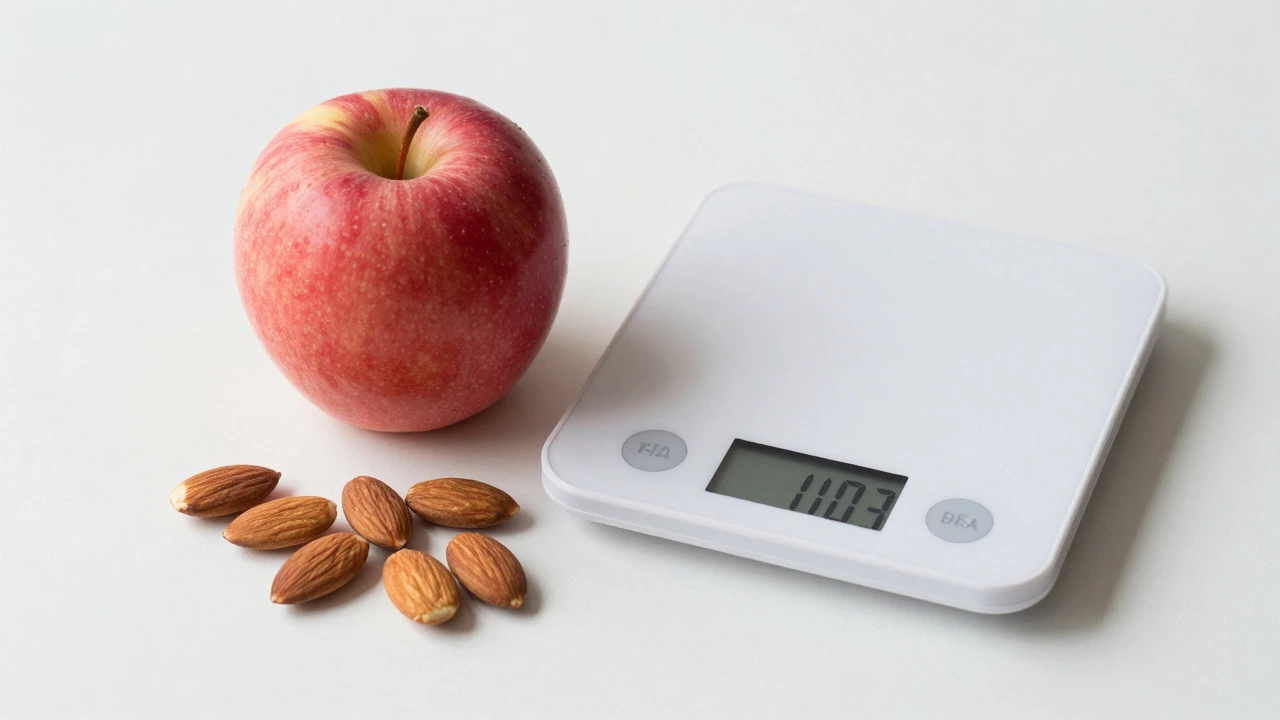
- Pair with Protein or Fat: Never eat fruit alone if possible. Pair an apple with almond butter, or berries with Greek yogurt. The protein and fat slow down sugar absorption, preventing blood sugar crashes.
- Watch Portions: Use smaller bowls. Pre-portion dried fruits into single-serving bags. Visual cues help control intake.
- Eat Seasonally: Seasonal fruits are often fresher and more flavorful, meaning you need less to satisfy your craving. In Australia, stone fruits like peaches and nectarines are great in summer, while citrus dominates winter.
- Track Your Intake: If you’re serious about weight loss, log your fruit consumption. Apps like MyFitnessPal can show you exactly how much sugar you’re consuming. Awareness leads to better choices.
Common Myths About Fruit and Weight Loss
There’s a lot of misinformation online about fruit. Let’s clear up some common myths.
Myth: All fruit causes weight gain.
Fact: No. Whole fruits are nutrient-dense and low in calories compared to processed foods. The issue is overconsumption of high-sugar varieties.
Myth: Fruit sugar is harmless.
Fact: Fructose is metabolized differently than glucose. In excess, it contributes to fatty liver disease and insulin resistance. Moderation is key.
Myth: You need to avoid fruit on keto.
Fact: Strict ketogenic diets limit carbs to under 50g per day. Most fruits exceed this in a single serving. However, small portions of berries and avocados fit well within keto macros.
Can I eat bananas if I’m trying to lose weight?
Yes, but in moderation. Bananas are higher in calories and sugar than most fruits. Stick to one small banana per day, preferably paired with protein like peanut butter or Greek yogurt to mitigate the sugar spike.
Are dried fruits bad for weight loss?
Dried fruits are highly concentrated in sugar and calories. They are easy to overeat. If you include them, limit yourself to one tablespoon and always pair with nuts or seeds to slow digestion.
What is the best fruit for breakfast?
Berries are the best choice for breakfast. They are low in sugar and high in fiber. Add them to oatmeal, yogurt, or smoothies for a balanced meal that stabilizes blood sugar throughout the morning.
Does fruit juice help with weight loss?
No. Fruit juice lacks fiber and contains concentrated sugar. It spikes insulin and doesn’t promote satiety. Stick to whole fruits or infused water for hydration and flavor without the sugar load.
How much fruit should I eat per day?
For weight loss, aim for 1-2 servings of low-sugar fruit per day. A serving is approximately one cup of berries or one medium piece of fruit like an apple. Adjust based on your total daily carbohydrate needs.
Final Thoughts: Balance Is Key
Weight loss isn’t about perfection; it’s about consistency. Eliminating all fruit can backfire, leading to cravings and eventual binges. Instead, focus on choosing the right fruits and eating them in the right amounts. Prioritize berries, watermelon, and avocados. Limit bananas, grapes, mangoes, and dried fruits.
Remember, your body is a complex system. Food is fuel, but it’s also information. When you eat high-sugar fruits, you tell your body to store energy. When you eat high-fiber, low-sugar fruits, you tell your body to stay lean and active. Make smart choices, listen to your hunger cues, and enjoy the variety nature offers. Your waistline will thank you.