

Vegan Alcohol Knowledge Quiz
Loading question...
Context information will appear here.
You’re at a dinner party, the host pours you a glass of crisp white wine, and you take a sip. It tastes great. But later, you wonder: was that actually vegan? You might be surprised to learn that many wines, beers, and spirits use animal products during production, even if they don’t contain them in the final bottle. This isn’t about taste; it’s about process. Knowing which alcohol is vegan requires looking past the label and understanding how your drink was made.
The confusion stems from traditional winemaking and brewing techniques that have been around for centuries. Before modern filtration methods existed, producers used natural clarifiers to remove cloudiness. Some of these clarifiers are derived from animals. While the end product rarely contains significant traces of these ingredients, strict vegans avoid them because the production method relies on animal exploitation. Here’s how to navigate the liquor store without guessing.
Why Wine Isn’t Always Vegan
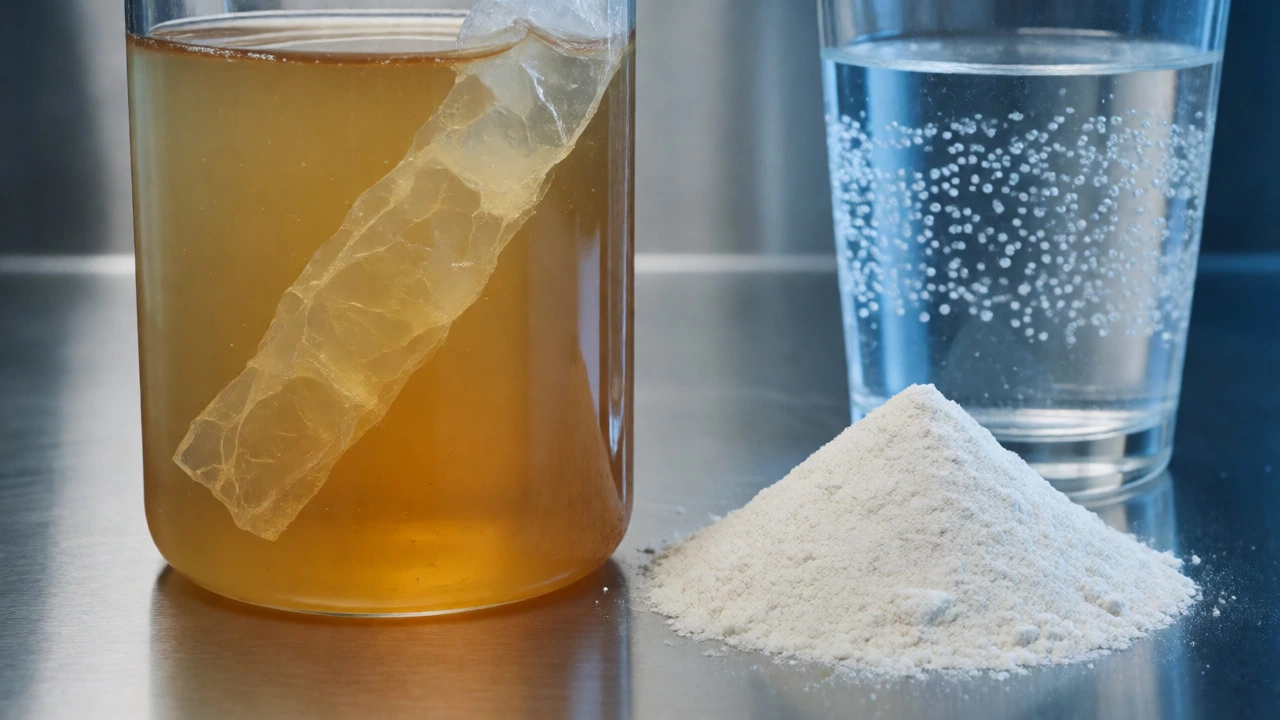
Wine is often the biggest trap for vegans. Grapes are obviously plant-based, but the clarification process, known as "fining," frequently uses animal-derived proteins. Fining agents bind to unwanted particles like tannins or yeast cells, making them easier to filter out. The most common non-vegan fining agents include Isinglass (fish bladder), Gelatin (boiled animal skin/bones), Casein (milk protein), and Egg Whites. Even if you buy a "dry" wine, it could have been fined with egg whites.
However, not all wines are guilty. Many modern producers use mineral-based or synthetic alternatives. Bentonite clay, activated charcoal, and silica gel are popular vegan-friendly options. These substances do the same job-clearing up the wine-but come from the earth or lab, not an animal. If you see "unfined" or "unfiltered" on a label, there’s a good chance it’s vegan, though some unfined wines may still use vegan fining agents before bottling. Always check for specific vegan certification logos, such as those from The Vegan Society or BeVeg, which verify the entire production chain.
Beer: More Than Just Hops and Barley
Beer has its own set of hidden ingredients. While basic beer ingredients-water, malted barley, hops, and yeast-are plant-based or fungal, brewers sometimes add adjuncts for flavor, texture, or clarity. Isinglass remains a common issue here, particularly in cask ales and traditional British-style brews. Like wine, it’s used to clarify the beer by trapping yeast particles.
Beyond fining agents, watch out for added flavors. Some craft beers use honey, lactose (milk sugar) for stouts, or even oyster extracts for briny notes. Honey is a contentious topic among vegans; while bees produce it, many ethical vegans avoid it due to concerns about beekeeping practices. Lactose is strictly non-vegan unless the beer is explicitly labeled as using plant-based sugars. Fortunately, the rise of craft brewing has led to more transparency. Many breweries now list their fining agents on their websites or packaging. If you’re unsure, look for beers labeled "suitable for vegans" or contact the brewery directly. Most small-batch brewers are happy to answer questions about their processes.
Spirits: Generally Safe, With Exceptions
Distilled spirits like vodka, gin, whiskey, and rum are generally considered vegan. The distillation process separates alcohol from the fermented base liquid, leaving behind most solids, including potential animal-derived additives. However, "generally" doesn’t mean "always." Some flavored spirits and pre-mixed cocktails contain additives that aren’t vegan.
For example, some vodkas are filtered through bone char, although this is less common today than it was decades ago. More importantly, flavored liqueurs can contain cream, honey, or cochineal (a red dye made from crushed insects). Cochineal, also known as carmine, is used in some pink gins or fruity liqueurs to achieve a vibrant color. Always read the ingredient list on flavored spirits. Plain, unflavored distilled spirits are your safest bet. If you want to be extra cautious, choose brands that explicitly state they are vegan-friendly, as some companies now market this distinction to attract health-conscious consumers.
| Ingredient | Source | Found In | Purpose |
|---|---|---|---|
| Isinglass | Fish Bladder | Beer, Wine | Clarification/Fining |
| Gelatin | Animal Skin/Bones | Wine, Beer | Clarification/Fining |
| Egg Whites | Chicken Eggs | Red Wine | Softening Tannins |
| Casein | Milk Protein | White Wine | Clarification/Fining |
| Cochineal | Insects | Liqueurs, Gin | Coloring Agent |
| Honey | Bees | Flavored Spirits, Mead | Sweetener/Flavor |
How to Verify Vegan Status
Reading labels is tricky because alcohol labeling laws vary by country. In Australia, where I live, mandatory allergen labeling exists, but it doesn’t always require listing processing aids like fining agents. So, what should you do?
- Look for Certifications: Logos from recognized vegan organizations are the quickest way to confirm status. These certifications involve audits of the production process.
- Check Online Databases: Websites like Barnivore provide crowdsourced databases where users report whether specific brands are vegan. It’s a valuable resource, but always double-check recent changes, as recipes can shift.
- Contact the Producer: For smaller brands without clear labeling, emailing the manufacturer works wonders. Ask specifically: "Do you use any animal-derived fining agents or additives?"
- Choose Natural Wines: The "natural wine" movement often overlaps with veganism, as many natural winemakers avoid interventionist techniques. However, "natural" isn’t a regulated term, so verify individually.
Regional Differences and Trends
Your location affects availability. In Europe, especially France and Italy, traditional winemaking often favors egg white fining for premium red wines. Conversely, New Zealand and Australia have seen a surge in vegan-certified wines due to high domestic demand for plant-based living. Craft breweries globally are increasingly switching to vegan fining agents like Irish Moss (a seaweed) or PVPP (a synthetic polymer) to appeal to broader markets.
Trends are shifting fast. Major conglomerates are launching vegan-specific lines, recognizing that ethical consumption drives purchasing decisions. For instance, several large beer distributors now flag vegan options prominently in retail settings. As a consumer, your choice matters. By supporting brands that prioritize transparent, animal-free processes, you encourage industry-wide change.
Practical Tips for Social Situations
Navigating social events can be awkward when you’re trying to stick to your principles. Here’s how to handle it gracefully:
- Bring Your Own: If you’re attending a casual gathering, bring a bottle of certified vegan wine or six-pack of vegan beer. Share it with others to educate them casually.
- Ask Ahead: If you’re invited to a dinner where wine pairing is expected, ask the host beforehand if they have vegan options. Most hosts appreciate the heads-up.
- Stick to Clear Spirits: At bars, opt for straight spirits mixed with soda water or tonic. These are almost universally vegan and reduce the risk of accidental consumption.
- Know Your Brands: Memorize three to five reliable vegan brands across different categories (wine, beer, spirits). Having go-tos reduces decision fatigue.
Understanding which alcohol is vegan isn’t just about avoiding ingredients; it’s about aligning your consumption with your values. With a bit of research and awareness, you can enjoy your favorite drinks without compromise.
Is all wine vegan?
No, not all wine is vegan. Many conventional wines use animal-derived fining agents like isinglass, gelatin, casein, or egg whites during production to clarify the liquid. While these agents are removed before bottling, strict vegans avoid wines processed this way. Look for labels stating "vegan friendly" or certifications from recognized vegan organizations.
Does beer contain animal products?
Some beers do contain animal products, primarily through fining agents like isinglass (from fish bladders) or additives like lactose (milk sugar) in stouts and honey in certain ales. Basic ingredients like water, barley, hops, and yeast are vegan, but the clarification process often involves animal derivatives. Check for vegan labels or contact the brewery for confirmation.
Are spirits like vodka and gin vegan?
Plain distilled spirits like vodka, gin, whiskey, and rum are generally vegan because the distillation process removes most impurities. However, flavored varieties may contain non-vegan additives like honey, cream, or cochineal dye. Always check the ingredient list for flavored spirits, and be aware that some brands may use bone char for filtration, though this is rare.
What is isinglass?
Isinglass is a substance obtained from the dried swim bladders of fish. It has been traditionally used in the brewing and winemaking industries as a fining agent to clarify liquids by binding to suspended particles. Although it is removed after the fining process, its use makes the product unsuitable for vegans who avoid animal-derived processing aids.
Can I trust "organic" labels to mean vegan?
Not necessarily. Organic certification ensures that no synthetic pesticides or fertilizers were used in growing the grapes or grains, but it does not guarantee that no animal-derived fining agents were used during processing. An organic wine can still be fined with egg whites or gelatin. Always look for specific vegan labeling in addition to organic certification.