
Low Appetite Lunch Builder
Answer three quick questions to get a personalized gentle lunch plan with calorie estimates.
Pro Tip
It’s 12:30 PM. Your stomach feels like a hollow drum that doesn’t want to be played. The idea of chewing solid food makes you slightly nauseous, but you know skipping lunch will leave you shaky by 4 PM. This is the classic no-appetite dilemma. You don't need a feast; you need fuel that doesn't fight back. Gentle lunch options are low-effort, easily digestible foods designed to provide energy without triggering nausea or fullness. Think warm broth, soft carbs, and mild proteins. The goal isn't to impress your taste buds-it's to get calories into your system with minimal resistance.
Why Your Appetite Vanishes (And How to Work With It)
Before grabbing the nearest snack, it helps to understand what's happening. Low appetite usually stems from stress, illness, or simply being overwhelmed. When your body is in 'survival mode,' digestion slows down. Heavy, fatty, or spicy foods sit in your stomach like rocks. Instead, look for foods that are warm, moist, and bland. Warmth signals safety to the gut, while moisture prevents the feeling of dryness that often triggers gagging. If you're in Melbourne and it's one of those humid summer days, cold options like chilled yogurt or smoothies can also work wonders because they bypass the need for heavy chewing.
The Golden Rule: Start Small, Stay Liquid
If you can barely manage solids, liquids are your best friend. They require zero chewing effort and absorb quickly. Here are three reliable liquid bases:
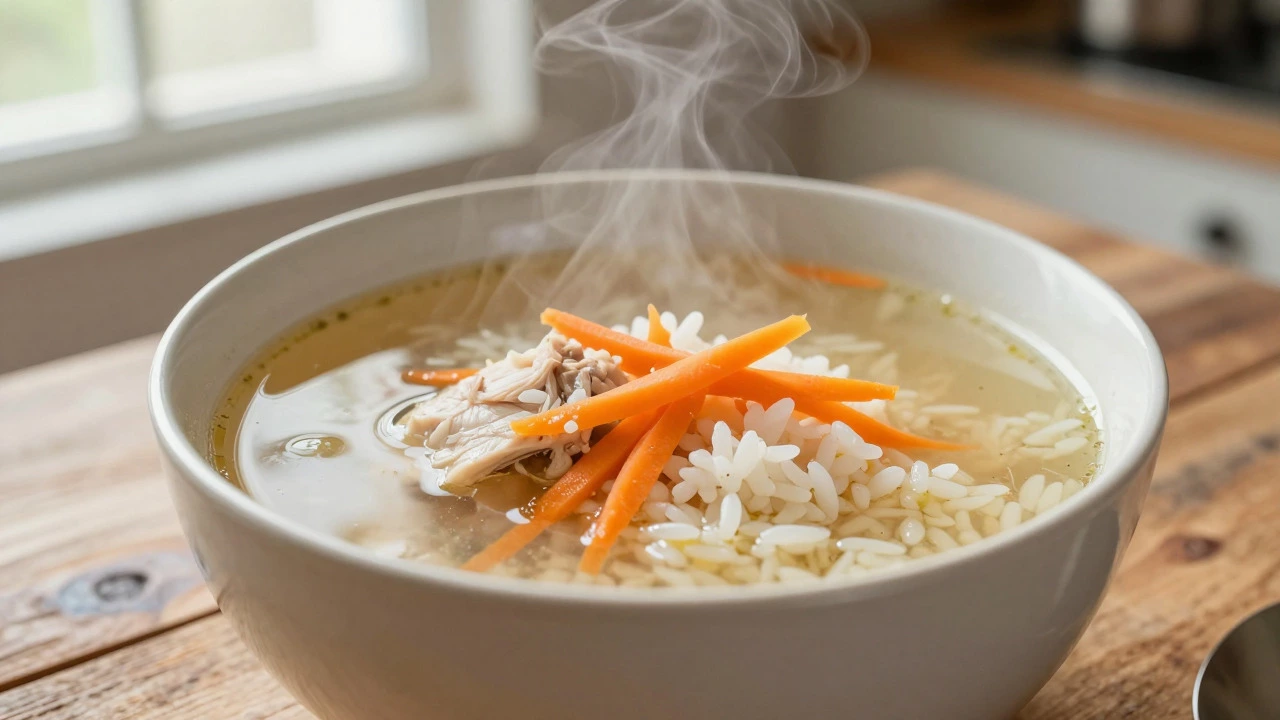
- Broth-based soups: Chicken or vegetable broth with shredded carrots or rice. The salt helps replenish electrolytes if you've been sweating or feeling off.
- Smoothies: Blend banana, frozen mango, and Greek yogurt. Bananas are high in potassium and easy on the stomach. Avoid leafy greens like spinach if you're sensitive to texture.
- Electrolyte drinks: If water tastes metallic or boring, try an oral rehydration solution or a diluted sports drink. Sip slowly over an hour rather than chugging.
Solid Foods That Don't Fight Back
When you're ready to move past liquids, stick to the "BRAT" principle (Bananas, Rice, Applesauce, Toast) but expand it slightly for better nutrition.
- White rice or plain pasta: Boil them until very soft. Add a tiny drizzle of olive oil for calories. White rice is easier to digest than brown rice when your stomach is upset.
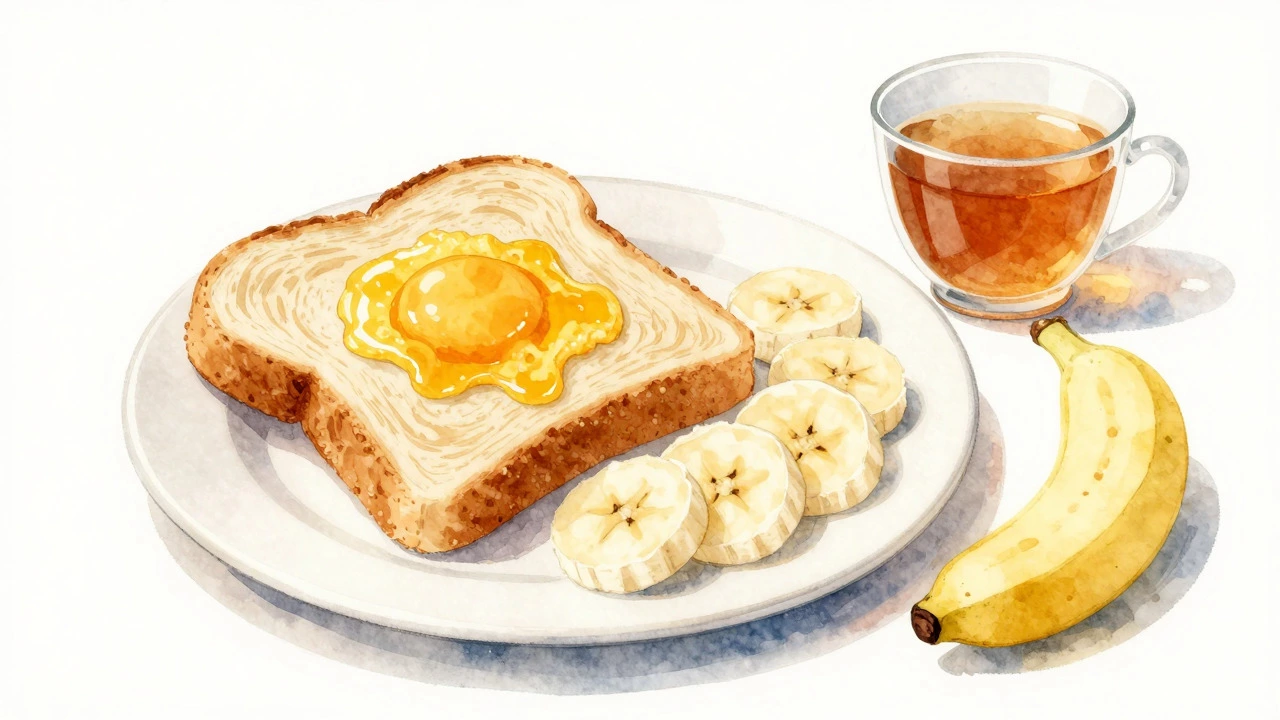
- Plain toast with honey: Toast removes moisture, making it lighter. Honey provides a quick sugar boost. Avoid butter or thick spreads which can feel greasy.
- Scrambled eggs: Cook them softly with a splash of milk. Eggs are protein-rich but keep them simple-no cheese, no bacon, no strong spices.
- Banana slices: Easy to eat, natural potassium, and sweet enough to satisfy cravings without heaviness.
Comparison: What to Eat vs. What to Avoid
Not all "light" foods are created equal. Some seem healthy but can actually worsen low appetite due to fiber content or fat levels. Use this table as a quick reference guide.
| Category | Best Choices (Eat These) | Tricky Choices (Avoid These) | Reason |
|---|---|---|---|
| Carbs | White rice, plain pasta, white toast | Whole grain bread, raw vegetables | Low fiber is easier to digest |
| Protein | Poached chicken, scrambled eggs, tofu | Fried fish, red meat, nuts | Lean and soft textures reduce burden |
| Dairy | Greek yogurt, kefir | Full-fat cream, aged cheeses | Probiotics help gut health; fats slow digestion |
| Fruits | Bananas, applesauce, melon | Citrus fruits, berries (if acidic) | Mild acidity prevents heartburn |
Prep Ahead: The 5-Minute Emergency Kit
The biggest barrier to eating when you have no appetite is the effort required to cook. Remove that friction by keeping a "low appetite kit" in your kitchen. This takes five minutes to assemble and saves you when the hunger strike hits.
- Instant miso soup packets: Just add hot water. Miso is fermented, which aids digestion, and the warmth is soothing.
- Pre-portioned rice cups: Microwaveable rice takes 90 seconds. Pair with a pre-cooked egg cup.
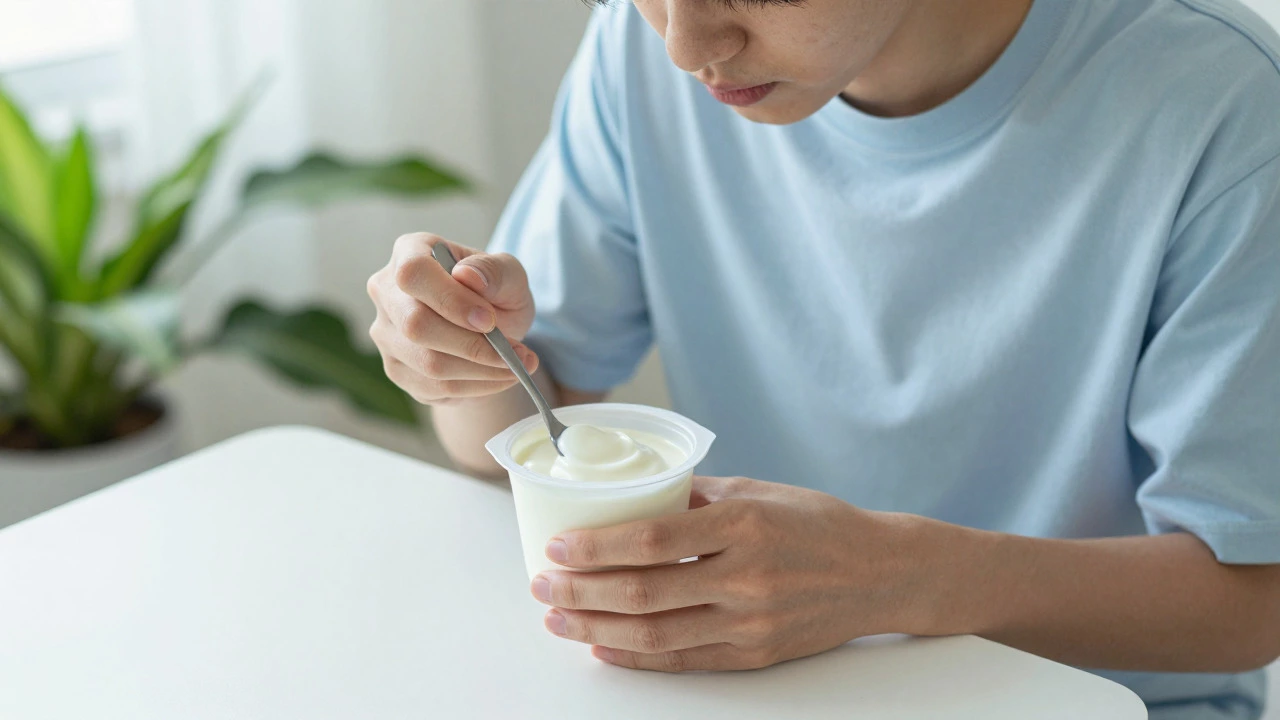
- Single-serve yogurt cups: Choose plain or lightly sweetened varieties. Add a spoonful of crushed ice if it feels too thick.
- Bottled coconut water: Natural electrolytes without added sugar.
Psychological Tricks to Trick Your Stomach
Sometimes the problem isn't physical; it's mental. The pressure to "eat properly" can make food feel like a chore. Try these psychological shifts:
- Don't call it lunch: Treat it as "snacking." The word lunch implies a structured meal. Snacking allows you to graze on small amounts of crackers or fruit throughout the afternoon.
- Change the environment: If you're at your desk, move to a different room. Visual cues associated with work can suppress hunger. Go outside for fresh air, even for five minutes.
- Use smaller plates: A large bowl of soup looks daunting. A small cup looks manageable. Portion size affects perception more than reality.
When to Worry: Signs It's More Than Just No Appetite
Occasional loss of appetite is normal, especially during stress or minor illness. However, if it persists for more than two weeks, check for other symptoms. Persistent nausea, unexplained weight loss, or abdominal pain could indicate underlying issues like gastritis or reflux. In these cases, consult a healthcare provider. For most people, though, a few days of gentle eating resolves the issue. Listen to your body-if it wants rest, give it rest. If it wants food, offer it something kind.
Is it okay to skip lunch if I have no appetite?
Yes, but only temporarily. Skipping one meal won't harm you, but prolonged fasting can lead to blood sugar drops and increased fatigue. Aim to consume at least 200-300 calories through fluids or light snacks to maintain energy levels.
What is the easiest protein to eat when nauseous?
Poached chicken or tofu are the top choices. They are lean, low in fat, and have a neutral flavor. Scrambled eggs are also excellent if cooked softly. Avoid fried or heavily seasoned proteins as they sit heavier in the stomach.
Do carbonated drinks help with appetite?
Sometimes. Sparkling water or ginger ale can stimulate saliva production and ease nausea. However, avoid sugary sodas as excess sugar can cause a crash later. Ginger specifically has anti-nausea properties, so ginger tea or ginger chews are effective alternatives.
Should I eat cold or hot food when I feel sick?
It depends on your preference. Hot foods release aromas that might trigger nausea in some people, while cold foods can feel numbing and soothing. Experiment: if steam bothers you, go cold (yogurt, smoothies). If cold feels harsh, go warm (broth, porridge).
How long does it take for appetite to return after illness?
Usually 2-3 days after the acute phase of illness ends. During this time, continue with gentle foods. Don't rush back to heavy meals immediately. Gradually reintroduce complex carbohydrates and proteins as your tolerance improves.