
What Can I Make? Budget Meal Planner
See which zero-budget meals you can prepare with ingredients you have on hand. Enter what you have, and we'll show you practical recipes from the article.
No ingredients selected
Enter what you have to see which meals you can make
Meals You Can Make
Where to Get Help in Melbourne
- Foodbank Victoria: Walk-in centres across Melbourne - no referral needed
- St Vincent de Paul: Emergency food hampers at local centres
- Salvation Army: Hot meals at centres, especially evenings
- Community Gardens: Free vegetable harvesting in Fitzroy, Carlton
Call Centrelink: 1800 22 66
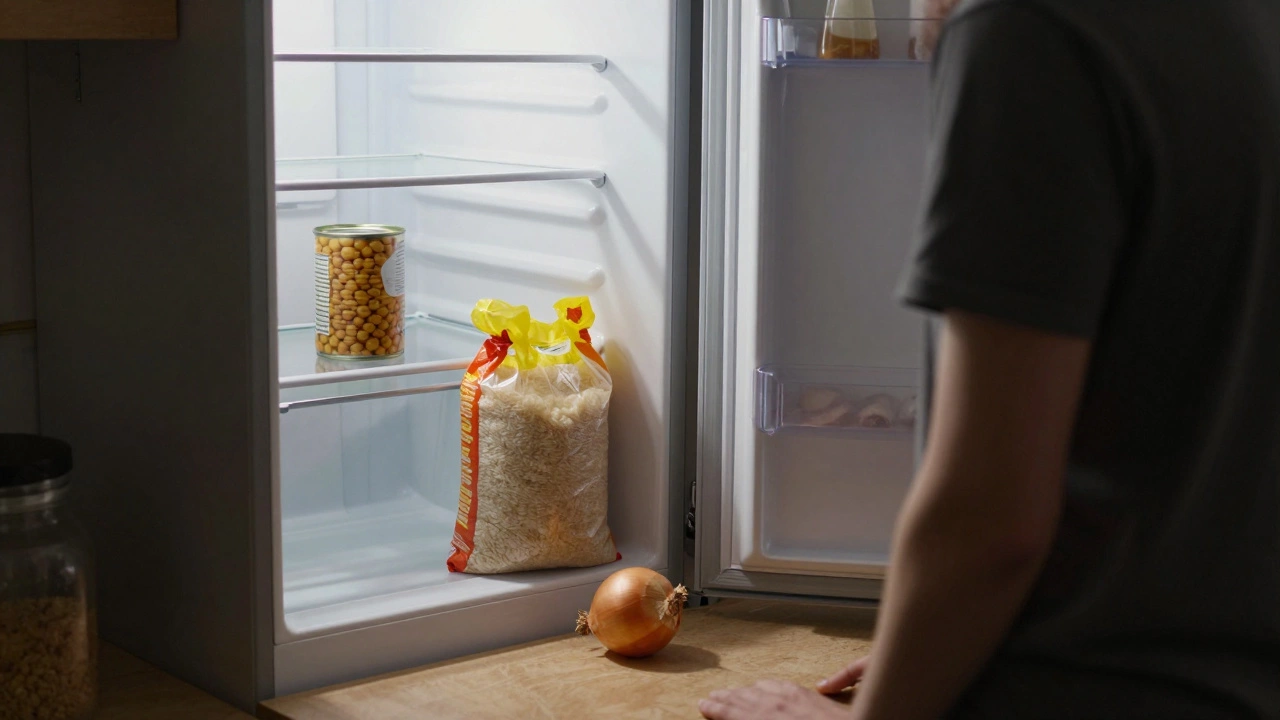
If you’re staring into an empty fridge with no cash to buy more, it’s not the end of the world. It’s a moment, not a crisis. Millions of people in Australia and around the world face this exact situation-sometimes for a day, sometimes longer. The key isn’t having fancy ingredients. It’s knowing what’s still usable, what’s free, and how to turn scraps into something warm and filling.
Check Every Corner First
Before you give up, go through every shelf, drawer, and cabinet. You’d be surprised what’s hiding. A half-bag of rice, a lone can of beans, a few eggs, a handful of pasta, or even stale bread can be the foundation of a meal. Don’t toss anything just because it’s not perfect. A slightly soft tomato? Use it in a sauce. A dented can? As long as it’s not bulging or leaking, it’s fine. The Australian Consumer Law says you can return faulty goods, but you can’t return hunger. So use what you’ve got.Start by listing everything you have. Even if it’s just:
- 1 cup of rice
- 1 can of tuna
- 1 onion
- 1 clove of garlic
- A pinch of salt
- Some dried herbs
That’s enough for a meal. Not a feast. But enough to keep you going.
Zero-Budget Meals You Can Make Today
Here are five meals you can make with almost nothing, using ingredients most people have lying around-even if they think they’re out of food.1. Rice and Beans with Onions
Rice and beans are the ultimate survival combo. They’re cheap, filling, and full of protein and carbs. If you have canned beans, drain and rinse them. If you have dried beans, soak them overnight (or boil them for 45 minutes). Cook rice in a pot with water and a pinch of salt. While it’s cooking, chop an onion and fry it in a dry pan until it starts to brown. Add the beans and heat through. Mix with rice. Done. You can add a dash of vinegar or hot sauce if you have it. No sauce? Still good.
2. Toast with Egg and Salt
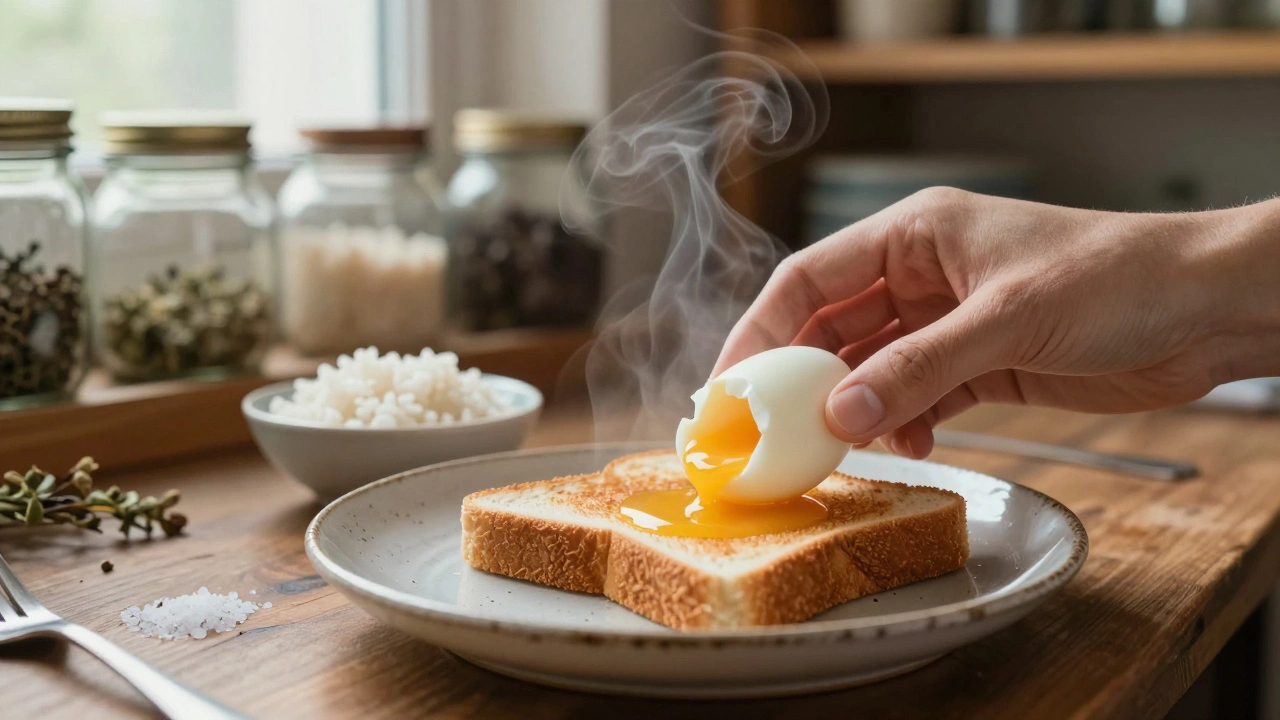
If you have bread and eggs, you have dinner. Toast bread on the stove in a dry pan if your toaster is broken. Crack an egg into a small pan, add a tiny bit of water (not oil), cover with a lid, and steam it for 3-4 minutes. The white sets, the yolk stays runny. Put it on toast. Sprinkle salt. That’s protein, carbs, and fat-all in one plate. Eat it slow. Savor it.
3. Pasta with Garlic and Oil
Boil pasta in salted water. While it’s cooking, crush a few cloves of garlic and heat them in a pan with a tablespoon of oil (even olive oil left in the bottom of the bottle works). Don’t let the garlic burn-just warm it until it smells good. Drain the pasta, toss it in the garlic oil, and add a pinch of dried chilli flakes if you have them. That’s Italian aglio e olio-a classic dish made with less than five ingredients. If you have Parmesan, grate a little on top. If not? Still delicious.
4. Oatmeal with Hot Water
Oats aren’t just for breakfast. A bowl of plain oats with hot water, a pinch of salt, and a spoonful of sugar (or honey if you have it) is a warm, filling meal at any time of day. You can stretch it further by adding a boiled egg on the side. Oats have more protein than you think-about 5 grams per half cup. That’s the same as a small yogurt.
5. Vegetable Soup from Scraps
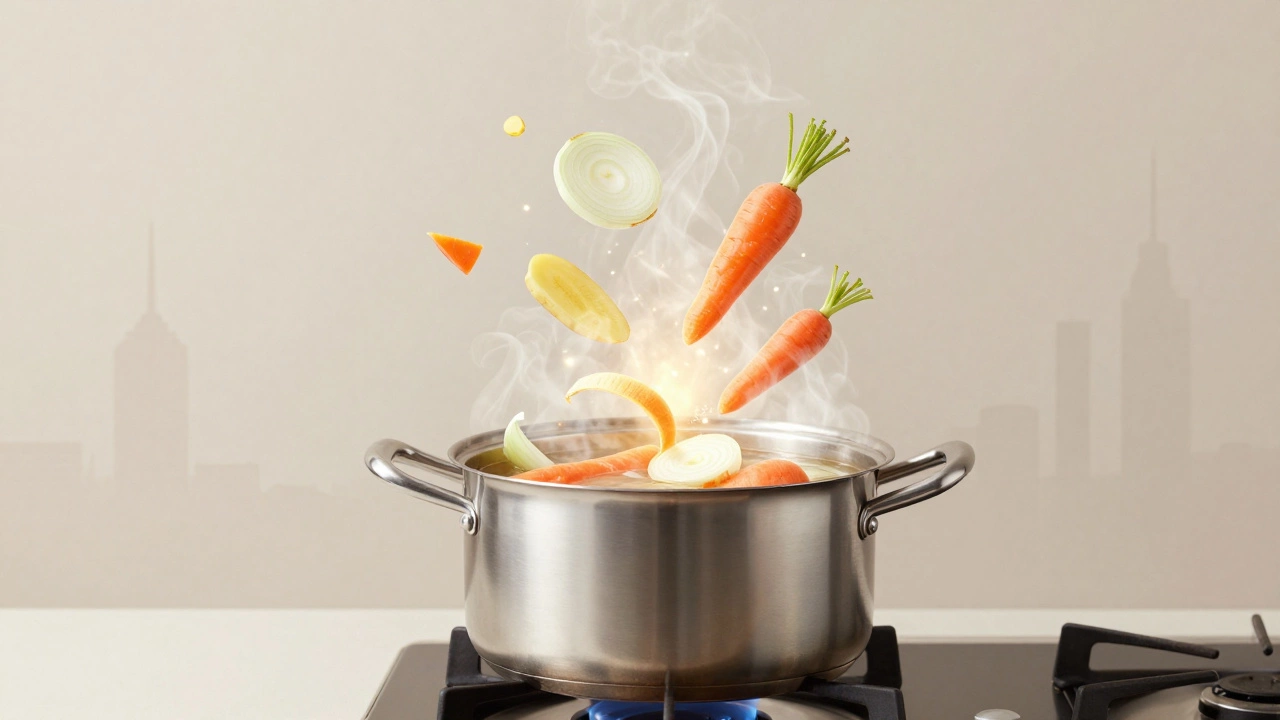
Save your veggie peels-onion skins, carrot tops, celery ends, potato peels. Store them in a bag in the freezer or just keep them in a bowl on the counter. When you have a cup or two, throw them in a pot with water. Add a pinch of salt. Bring to a boil, then simmer for 30 minutes. Strain out the solids. You’ll have a clear, savory broth. Add cooked rice or noodles if you have them. It’s not fancy, but it’s hot, it’s nourishing, and it’s made from what you would’ve thrown away.
Where to Get Free Food in Melbourne
If you’re truly out of options, you’re not alone. Melbourne has a network of community services that help people in need.- Foodbank Victoria runs food relief centres across the city. You don’t need a referral. Just walk in. They give out groceries, including fresh produce, bread, and canned goods.
- St Vincent de Paul Society offers emergency food hampers. You can visit their local conference centres in suburbs like Footscray, Brunswick, or Dandenong.
- Salvation Army provides hot meals at their centres, especially in the evenings. Some locations offer breakfast too.
- Community Gardens in areas like Fitzroy, Carlton, and Preston often let people harvest vegetables for free. Ask around.
You don’t need to be homeless to qualify. You just need to be hungry. No questions asked.
How to Stretch What You Have
If you’ve got a little money-say, $5-here’s how to make it last:- Buy a $2 bag of rice. It’ll feed you 3-4 meals.
- Buy a $1.50 can of baked beans. Add it to the rice.
- Buy a $1.50 onion. Chop it, fry it, mix it in.
That’s $5 for three meals. No meat. No dairy. No fancy stuff. Just food that fills you up.
If you find a $1 loaf of bread and a $1 jar of peanut butter, you’ve got 5-6 sandwiches. Eat one a day. Add a boiled egg if you find one on sale.
Don’t buy snacks. Don’t buy drinks with sugar. Water is free. Tap water in Melbourne is safe to drink. Fill a bottle and carry it.
What Not to Do
When you’re low on money and food, bad decisions creep in. Avoid these:- Don’t skip meals to save money. Your body needs fuel. Skipping meals makes you tired, irritable, and less able to think clearly-making it harder to find solutions.
- Don’t buy cheap junk food. A $2 packet of chips won’t fill you up for long. It’ll leave you hungrier than before.
- Don’t feel ashamed to ask for help. Community services exist because people need them. You’re not a burden. You’re a human being.
What to Do Next
If you’re in this situation regularly, it’s time to look at long-term support. Centrelink offers emergency payments, including the JobSeeker Payment and the Special Benefit. You can apply online or over the phone. You don’t need to be unemployed to qualify-sometimes illness, family crisis, or sudden loss of income counts.Call 1800 22 66 (Centrelink) or visit your local service centre. Bring your ID, Medicare card, and any proof of income (even a payslip from months ago). They can help.
Also, check out Foodbank’s Hunger Relief Program. They offer weekly food parcels for people on low or no income. You can sign up for one without a referral.
Final Thought
You don’t need a lot to eat. You just need to know what’s possible. A bowl of rice, a boiled egg, a slice of toast with salt-these aren’t failures. They’re acts of survival. And survival is not something to be ashamed of. It’s something to be proud of.One meal at a time, you’ll get through this. And when you do, you’ll know how to make food out of nothing. That’s a skill no one can take away from you.
Can I really make a meal with just rice and water?
Yes. Plain rice cooked in water with a pinch of salt is a complete meal. It gives you energy from carbs and keeps you full. It’s not nutritionally perfect, but it’s enough to get you through a day or two. Add even a boiled egg or a spoon of peanut butter if you can find it.
What if I don’t have any salt or spices?
Salt enhances flavour, but it’s not essential for survival. You can eat plain rice, beans, or toast without seasoning. Your body still gets calories and nutrients. If you’re worried about taste, try toasting bread until it’s crispy-it develops a natural sweetness. Boiled eggs taste good even without pepper. Hunger makes even simple food taste better.
Are canned foods safe to eat if they’re dented?
Yes, if the dent is small and doesn’t break the seal. Avoid cans that are bulging, leaking, or rusted through. Dented cans from a supermarket’s discount bin are perfectly safe. Many food banks distribute them because they’re still good. Check the expiration date-most canned goods last 2-5 years.
Can I use expired food?
"Best before" dates are about quality, not safety. Most foods are safe to eat after this date if they smell and look normal. Milk might taste sour but isn’t dangerous. Bread might be stale but still edible. Eggs can be eaten 3-5 weeks past the date if stored properly. Always check for mould, odd smells, or sliminess. If it looks or smells wrong, throw it out.
Where can I get free food in Melbourne without an appointment?
Foodbank Victoria has walk-in centres in suburbs like Footscray, Dandenong, and Sunshine. The Salvation Army serves hot meals at their centres daily-no appointment needed. St Vincent de Paul offers emergency food hampers on a first-come, first-served basis. You don’t need proof of income. Just show up. They’re there to help.
If you’re reading this and you’re not sure where to start, pick one thing: walk to the nearest food bank today. Or boil some rice. Or make toast with an egg. Do one thing. Then do another tomorrow. You’re not alone. And you’re stronger than you think.