
Quick Dinner Decision Helper
Select your current situation to find the perfect low-effort dinner.
Why this works:
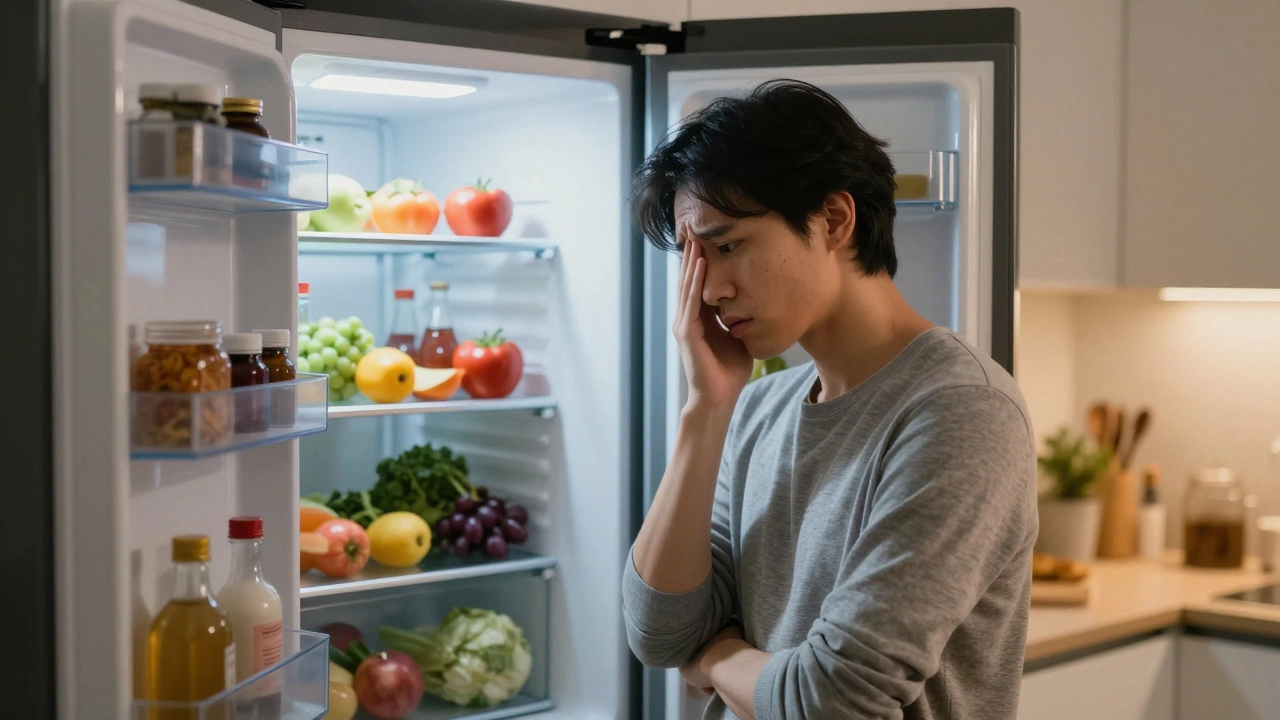
Staring at the fridge door open is a universal experience. The light hums, the shelves are full of ingredients that somehow refuse to form a plan, and you feel that familiar wave of culinary boredom. It’s not hunger driving you; it’s the desire for something satisfying without the mental load of planning a feast. If you are in Melbourne or anywhere else dealing with this mid-week slump, the solution isn’t a complex recipe book. It’s about working with what you have and keeping the process stupidly simple.
The best antidote to cooking boredom is easy dinner recipes that require minimal decision-making. You don't need to be a chef to make food taste good. You just need a few reliable frameworks that turn random pantry items into a meal you’ll actually enjoy. Let’s look at five specific approaches that get you from "I'm bored" to "This is delicious" in under thirty minutes.
The One-Pan Sheet Pan Strategy
When energy levels are low, washing multiple pots and pans feels like a punishment. The sheet pan method eliminates this friction entirely. This technique relies on high heat and uniform cutting to cook everything simultaneously. It works because roasting concentrates flavors naturally, meaning you don't need complex sauces to make the food taste interesting.
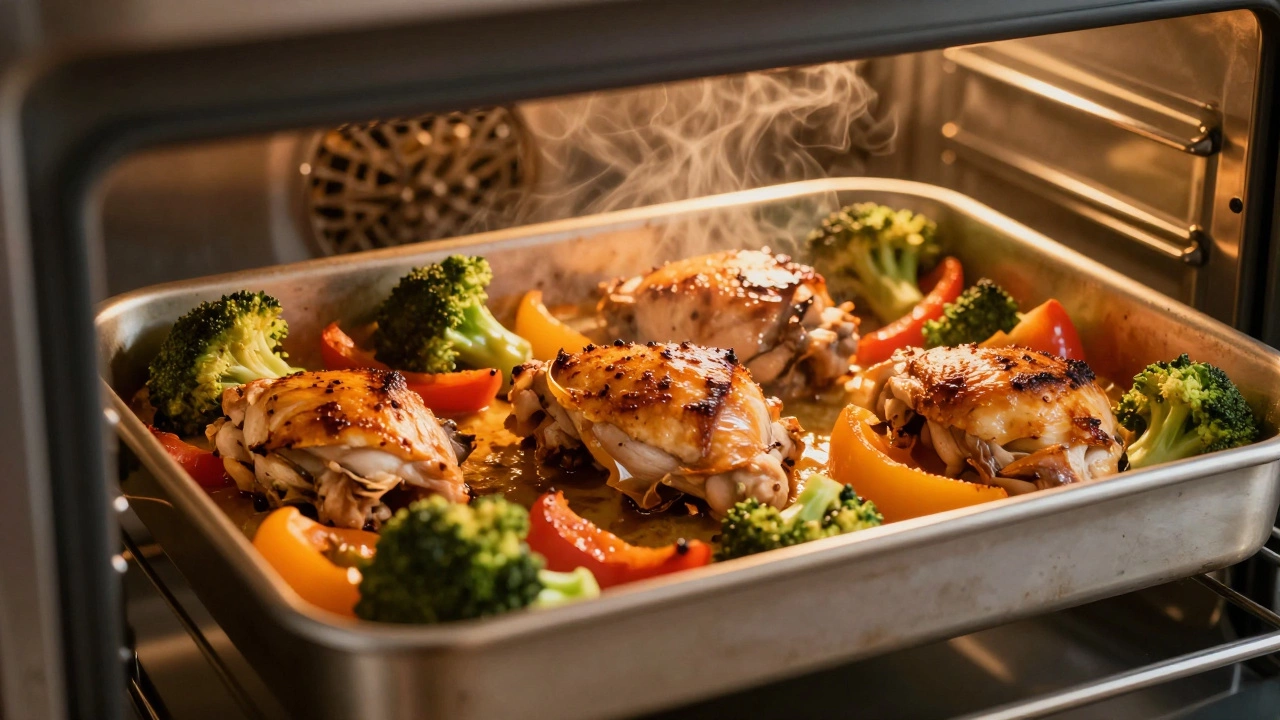
To execute this, preheat your oven to 200°C (400°F). Cut one protein-like chicken thighs or salmon fillets-and two sturdy vegetables, such as broccoli florets and bell peppers, into roughly equal-sized chunks. Toss them all in olive oil, salt, pepper, and a generous amount of garlic powder or paprika. Spread them out on a lined baking sheet so they aren't touching. Roast for 20-25 minutes. The result is crispy edges and tender centers with zero effort.
If you want to switch things up without changing the mechanics, swap the seasoning. Use lemon zest and dill for a fresh vibe, or soy sauce and ginger for an Asian-inspired twist. The structure remains the same, but the flavor profile changes completely, curing the boredom factor instantly.
The 15-Minute Pasta Rescue
Pasta is often dismissed as lazy, but it’s actually a masterclass in efficiency. The key to making pasta exciting when you’re bored is avoiding heavy cream sauces that require simmering. Instead, focus on oil-based or tomato-based sauces that come together in the time it takes the water to boil.
Start by boiling a large pot of salted water. While that heats up, chop a red onion and mince three cloves of garlic. In a large skillet, heat olive oil over medium heat. Sauté the onion until translucent, then add the garlic for the last minute to prevent burning. Drain the pasta, reserving a cup of the starchy cooking water. Toss the hot pasta directly into the skillet with the aromatics. Add a can of crushed tomatoes or a handful of cherry tomatoes halved. Splash in the reserved pasta water and stir vigorously. The starch emulsifies with the oil and tomatoes, creating a silky sauce that clings to every strand.
This dish comes together in exactly 15 minutes. It’s cheap, filling, and infinitely customizable. Add frozen peas if you have them. Sprinkle parmesan cheese if you want richness. The simplicity is the point. You are feeding yourself well without engaging in a battle with the stove.
The Stir-Fry Shortcut
Stir-frying is the fastest way to transform raw ingredients into a cooked meal. Unlike roasting, which requires patience, stir-frying demands speed and attention, which can actually help snap you out of a bored mindset. The sizzle of the wok or skillet is engaging, and the rapid cooking process means you spend less time standing in the kitchen.
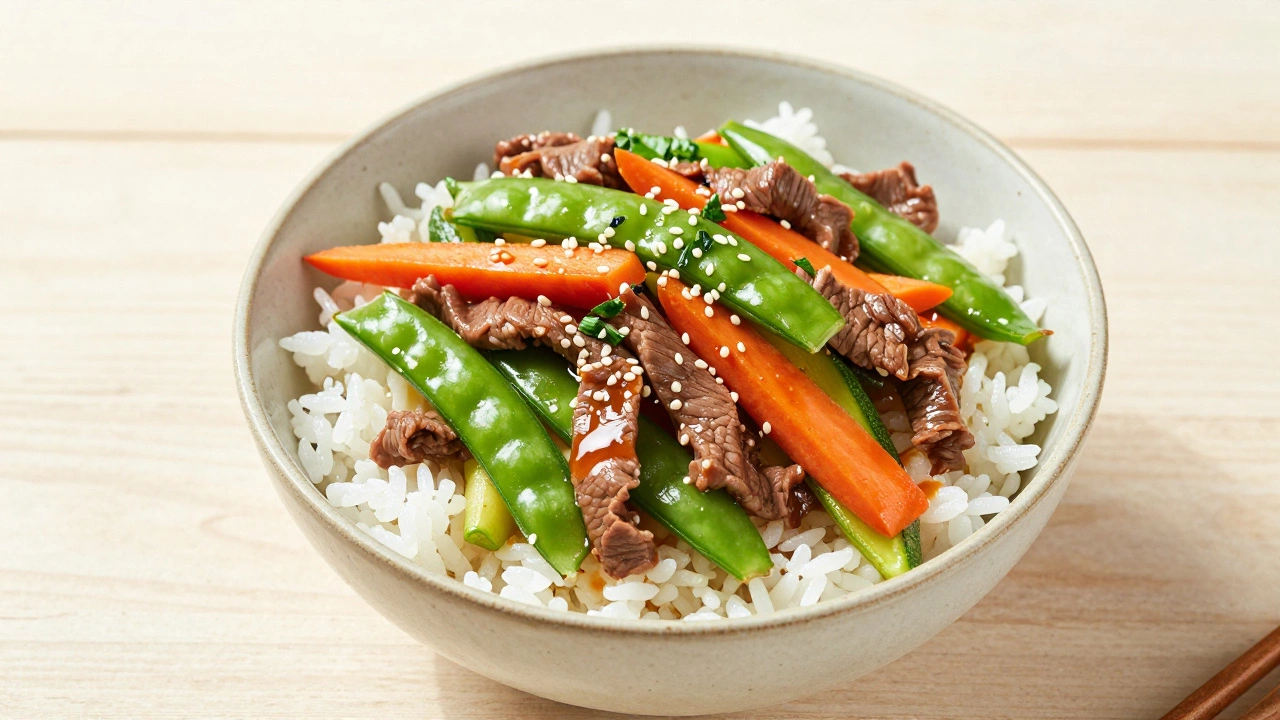
The formula for a successful stir-fry is simple: protein, vegetable, sauce, carb. Slice beef strips, tofu cubes, or shrimp thinly. Chop any combination of carrots, cabbage, snap peas, or zucchini. For the sauce, mix soy sauce, rice vinegar, a teaspoon of sugar, and a dash of chili flakes in a small bowl. Heat oil in a wok until it shimmers. Cook the protein first, removing it when done. Then flash-fry the vegetables for two minutes. Return the protein to the pan, pour in the sauce, and toss everything together. Serve over instant noodles or steamed rice.
This method allows you to use up those "fridge scraps"-the half-carrot, the wilting spinach, the leftover rice. It turns potential waste into a vibrant, flavorful meal. The high heat creates a slight char on the ingredients, adding depth that doesn't require hours of marinating.
The Loaded Rice Bowl
Rice bowls are the ultimate blank canvas. They are forgiving, flexible, and perfect for when you don't know what you want but know you want something warm and comforting. The base is always the same: cooked rice. You can use white rice, brown rice, or even leftover fried rice from last night.
Top the rice with whatever proteins and veggies you have available. Canned beans, hard-boiled eggs, shredded chicken, or avocado slices work perfectly. The secret weapon here is the dressing. A drizzle of sesame oil, a squeeze of lime, or a spoonful of peanut butter mixed with hot water can elevate the dish significantly. Add crunch with sesame seeds, chopped peanuts, or fried shallots if you have them.
This approach removes the pressure of balancing flavors perfectly. Each bite can be different depending on how you scoop it. It’s interactive and casual, making it ideal for a relaxed evening where you’d rather watch a movie than stand over a chopping board.
The Egg-Based Power Meal
Eggs are the most underrated ingredient for quick dinners. They are versatile, affordable, and cook in minutes. Scrambled eggs are too basic, but frittatas or baked eggs offer more substance without the complexity.
For a quick frittata, whisk four eggs with milk, salt, and pepper. Pour the mixture into a hot skillet with sautéed spinach, mushrooms, or diced potatoes. Let the bottom set, then sprinkle cheese on top. Cover the pan with a lid for two minutes to steam the top, or finish it under the grill for a minute to brown the cheese. Slide it onto a plate and serve immediately.
Baked eggs are even easier. Make indentations in a bed of sautéed greens or hash browns in an oven-safe dish. Crack an egg into each indentation. Bake at 180°C (350°F) for 10-12 minutes until the whites are set but the yolks are still runny. The yolk acts as a natural sauce, enriching the entire dish. It feels fancy but requires almost no skill.
Comparison of Quick Cooking Methods
Choosing the right method depends on your available equipment and appetite. Here is how these approaches stack up against each other:
| Method | Prep Time | Cook Time | Cleanup Level | Best For |
|---|---|---|---|---|
| Sheet Pan Roast | 10 mins | 25 mins | Low | Hands-off cooking |
| 15-Min Pasta | 5 mins | 15 mins | Medium | Quick comfort food |
| Stir-Fry | 10 mins | 5 mins | Medium | Using leftovers |
| Rice Bowl | 5 mins | Varies | Low | Customizable meals |
| Frittata | 5 mins | 10 mins | Low | Protein-rich dinners |
Troubleshooting Common Kitchen Blocks
Sometimes the issue isn't the recipe, but the mindset. If you find yourself stuck before you even start cooking, try these practical adjustments. First, stop trying to create a "balanced" meal. Nutritionists talk about balance over weeks, not individual meals. If you crave carbs, eat carbs. Second, embrace imperfection. Chopping vegetables unevenly won't ruin the taste. Third, keep a "emergency" pantry stocked with canned tomatoes, dried pasta, frozen vegetables, and spices. These items never expire quickly and provide a foundation for any of the above recipes.
Cooking when you're bored is less about creativity and more about execution. Pick a framework, gather your ingredients, and let the process take over. The goal is to end up fed and satisfied, not exhausted by the effort.
What should I cook if I have no energy?
If you have zero energy, opt for a sheet pan dinner or a loaded rice bowl. These methods require minimal active cooking time. Sheet pan dinners involve tossing ingredients on a tray and letting the oven do the work. Rice bowls allow you to assemble pre-cooked or canned ingredients with little to no heating required beyond warming the base.
How can I make pasta taste interesting quickly?
To make pasta interesting quickly, avoid heavy cream sauces. Instead, use oil-based sauces with garlic, chili flakes, and reserved pasta water. The starch in the water helps emulsify the oil and tomatoes, creating a silky texture. Add fresh herbs like basil or parsley at the end for a burst of freshness that elevates the dish without extra cooking time.
Is it okay to eat the same thing repeatedly?
Yes, it is perfectly fine to repeat meals. Variety is important for long-term nutrition, but consistency reduces decision fatigue. If you enjoy a particular meal, there is no rule against eating it multiple times a week. Focus on including a variety of fruits and vegetables throughout the week rather than forcing diversity in every single dinner.
What are some healthy options for bored cooks?
Healthy options include stir-fries with plenty of vegetables and lean proteins like chicken or tofu. Sheet pan dinners with sweet potatoes, broccoli, and salmon are also nutritious. Frittatas loaded with spinach and mushrooms provide protein and fiber. The key is to prioritize whole foods and minimize processed additives, even in simple meals.
How do I reduce cleanup after cooking?
Reduce cleanup by using one-pot or one-pan methods. Line baking sheets with parchment paper for easy disposal. Use silicone mats instead of foil. Prep ingredients directly in the cooking vessel when possible, such as chopping onions in the skillet. Washing dishes while the food rests or cools can also prevent a pile-up at the end of the night.