
Dinner Idea Generator
Why this works:
Estimated Time:
Cleanup Level:
Key Ingredients Needed:
Quick Method:
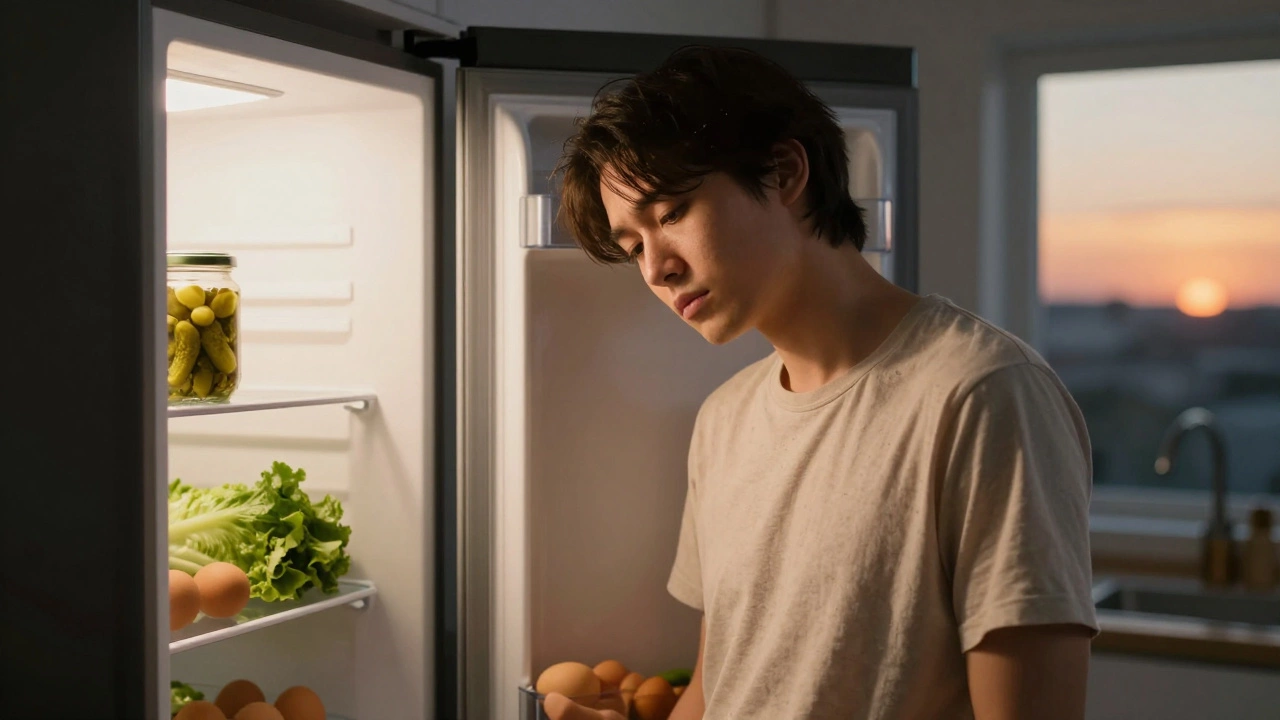
It’s 6:30 PM on a Tuesday in Melbourne. The sun is setting over the Yarra River, but your energy levels are dropping faster than the temperature outside. You open the fridge door, stare into the abyss of half-empty jars and wilting lettuce, and ask the question that haunts every home cook: What shall I have for dinner tonight?
We’ve all been there. The mental load of planning, shopping, and prepping has drained you by the time you get home. You don’t want to order takeout again (the wallet hurts), but you also don’t want to spend forty minutes chopping vegetables. You need something fast, tasty, and forgiving. This isn’t about gourmet perfection; it’s about fueling yourself and your family with minimal stress.
Quick Summary / Key Takeaways
- Speed is key: Focus on meals that come together in under 30 minutes using pantry staples.
- Flexibility wins: Choose recipes where ingredients can be swapped based on what’s already in your fridge.
- One-pan wonders: Minimize cleanup by using sheet pans or single skillets.
- Balance matters: Even quick meals should include protein, fiber, and healthy fats to keep you full until morning.
The "Fridge Raid" Strategy: Cooking with What You Have
Before you head to Coles or Woolworths, let’s look at what you likely already own. Most easy dinner recipes rely on a core set of proteins and carbs. If you have chicken thighs, ground beef, tofu, or canned beans, you’re halfway there. Pair these with rice, pasta, potatoes, or bread, and you have a foundation.
The secret to quick cooking isn’t complex technique; it’s smart assembly. Think of your meal as building blocks. Protein + Carb + Veg + Sauce = Dinner. This formula works for everything from stir-fries to grain bowls. Let’s break down some specific combinations that save time and taste great.
Sheet Pan Dinners: Less Cleanup, More Flavor
If you hate washing dishes after dinner, sheet pan meals are your best friend. You chop, toss with oil and seasoning, spread on a baking tray, and pop it in the oven. While it roasts, you can sit down and relax. In Melbourne, where winter evenings can be chilly, having the oven on adds warmth to the house too.
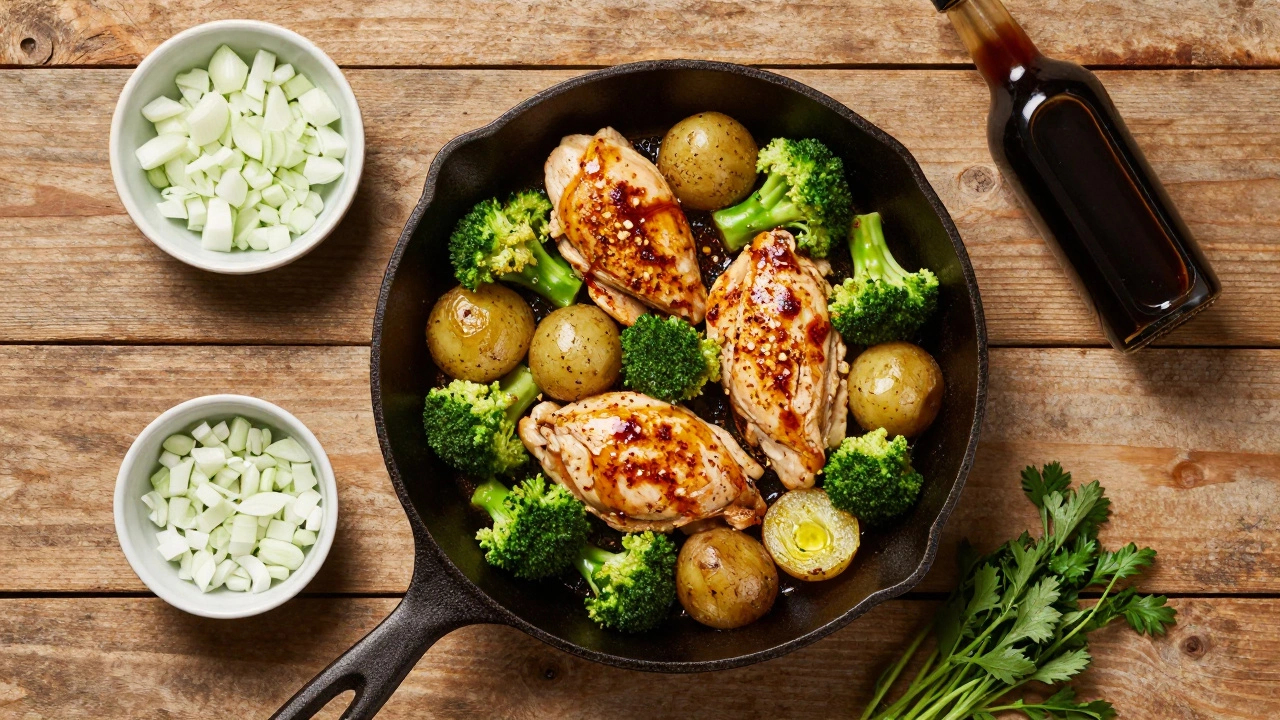
Try this classic combo: Chicken thighs, broccoli florets, and baby potatoes. Toss them in olive oil, garlic powder, paprika, salt, and pepper. Roast at 200°C (400°F) for 25-30 minutes. The chicken gets crispy skin, the veggies caramelize, and the potatoes become tender. It’s rustic, hearty, and requires zero active cooking time once it’s in the oven.
For a vegetarian option, swap the chicken for chickpeas and add bell peppers and red onion. Drizzle with balsamic glaze before serving for a sweet-tangy kick. This method works because high heat concentrates flavors without needing multiple pots or pans.
Stir-Fry Speed Runs: From Fridge to Table in 15 Minutes
Stir-frying is the ultimate quick-cooking technique. It’s perfect for using up leftover vegetables that might otherwise go bad. The key is preparation. Chop your veggies before you turn on the stove. Keep your heat high and your movements quick.
Here’s a simple template:
- Protein: Slice beef, pork, chicken, or firm tofu into thin strips. Marinate briefly in soy sauce and cornstarch for tenderness.
- Veggies: Use whatever looks good-carrots, snap peas, zucchini, mushrooms, or spinach.
- Sauce: Mix soy sauce, ginger, garlic, a splash of sesame oil, and a touch of honey or maple syrup.
- Base: Serve over steamed rice or noodles.
Cook the protein first, remove it, then sauté the veggies. Return the protein, pour in the sauce, and toss until coated. Done. This approach is flexible enough to accommodate dietary restrictions. Swap soy sauce for tamari if you’re gluten-free, or use coconut aminos for a lower-sodium option.
Pasta Hacks: Beyond Boiling Water
Pasta is often dismissed as unhealthy, but whole-grain or legume-based pastas offer significant fiber and protein. Even regular pasta can be part of a balanced meal if you load it with vegetables and lean protein. The trick is to make a sauce that comes together while the water boils.
Consider an aglio e olio twist. Sauté sliced garlic and chili flakes in olive oil until fragrant. Add cherry tomatoes halved, and let them burst. Toss with cooked spaghetti and fresh basil. For extra substance, add canned tuna or white beans. This dish feels sophisticated but takes ten minutes. It’s light yet satisfying, perfect for warmer Australian summers.
Another favorite is creamy tomato pasta. Simmer crushed tomatoes with a splash of cream or coconut milk, seasoned with Italian herbs. Toss with penne and top with parmesan. If you have leftover roast chicken, shred it in. It’s comfort food that doesn’t require hours of simmering.
Bowl Meals: Customize Your Nutrition
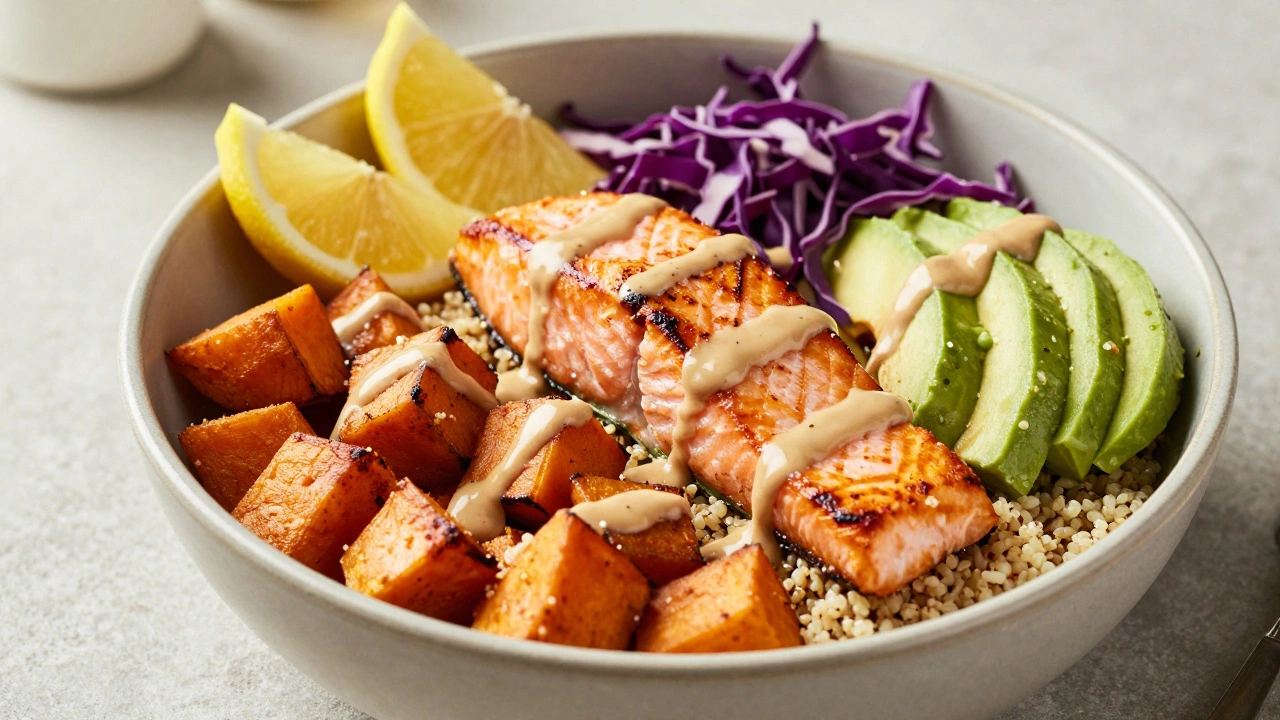
Buddha bowls or grain bowls are incredibly versatile. They allow each family member to customize their plate, which is great if you have picky eaters. Start with a base of quinoa, brown rice, or couscous. Then add toppings from different categories:
- Roasted Veggies: Sweet potato, kale, or cauliflower.
- Protein: Grilled salmon, hard-boiled eggs, or lentils.
- Fresh Elements: Avocado slices, cucumber, or shredded cabbage.
- Dressing: Tahini-lemon, peanut sauce, or vinaigrette.
This style of eating encourages mindfulness. You see exactly what you’re putting on your plate. It’s also excellent for meal prep. Cook a large batch of grains and roast two types of vegetables on Sunday. Assemble bowls throughout the week in minutes. No reheating required if you like cold salads, or warm them gently for a cozy meal.
Breakfast for Dinner: A Valid Option
Let’s be honest: sometimes you just want eggs. Breakfast for dinner is not a joke; it’s a strategy. Eggs are one of the most affordable and nutritious proteins available. They cook quickly and pair well with almost anything.
Try a savory omelet with spinach, feta, and mushrooms. Or make shakshuka-a North African dish of eggs poached in a spiced tomato sauce. It’s interactive, fun, and delicious with crusty bread for dipping. For a heartier option, serve scrambled eggs over avocado toast with smoked salmon. It’s trendy, yes, but also genuinely filling and packed with healthy fats.
Comparison of Quick Dinner Methods
| Method | Prep Time | Cook Time | Cleanup Level | Best For |
|---|---|---|---|---|
| Sheet Pan Roasting | 10 mins | 25-30 mins | Low | Hands-off cooking, families |
| Stir-Fry | 10 mins | 5-10 mins | Medium | Speed, using leftovers |
| Pasta Sauces | 5 mins | 15 mins | Medium | Comfort food, kids |
| Bowls | 15 mins | Varies | Low-Medium | Customization, meal prep |
| Egg Dishes | 5 mins | 5-10 mins | Low | Light meals, weekends |
Troubleshooting Common Dinner Problems
Even with easy recipes, things can go wrong. Here’s how to fix common issues:
Problem: Everything tastes bland. Solution: Acid is your friend. A squeeze of lemon juice or a dash of vinegar brightens up heavy dishes. Salt enhances flavor, so don’t skimp on it during cooking, not just at the end.
Problem: Vegetables are mushy. Solution: Don’t overcrowd the pan. When roasting, give veggies space to caramelize instead of steam. For stir-fries, keep the heat high and move ingredients constantly.
Problem: Out of a main ingredient. Solution: Substitute freely. No chicken? Use tofu or chickpeas. No broccoli? Use zucchini or carrots. The goal is nourishment, not adherence to a script.
Frequently Asked Questions
How can I make dinner faster on busy weeknights?
Focus on prep-ahead strategies. Chop vegetables on weekends, cook grains in bulk, and keep pre-cut frozen veggies on hand. Choose recipes with fewer than five ingredients and minimal steps. One-pan meals reduce cleanup time significantly.
What are some healthy easy dinner ideas for families?
Grain bowls with roasted sweet potatoes, black beans, and avocado are nutritious and customizable. Sheet pan chicken with broccoli and quinoa offers balanced macros. Stir-fries with plenty of colorful vegetables and lean protein are also excellent choices.
Can I use frozen vegetables in these recipes?
Absolutely. Frozen vegetables are flash-frozen at peak freshness, retaining nutrients. They’re convenient because they’re pre-washed and chopped. Just adjust cooking times slightly, as they may release more moisture than fresh produce.
How do I handle picky eaters when choosing quick dinners?
Offer deconstructed meals like taco bars or build-your-own bowls. This allows individuals to choose components they like. Include at least one familiar item alongside new ingredients. Avoid forcing foods; repeated exposure helps acceptance over time.
What pantry staples should I always keep for emergency dinners?
Keep canned beans, tuna, and tomatoes; pasta and rice; olive oil; soy sauce; spices like garlic powder and paprika; and frozen mixed vegetables. These items enable countless combinations without a grocery run.