
Global Food Matcher
Feeling overwhelmed by options? Use this tool to decide what to cook next based on your current mood and constraints.
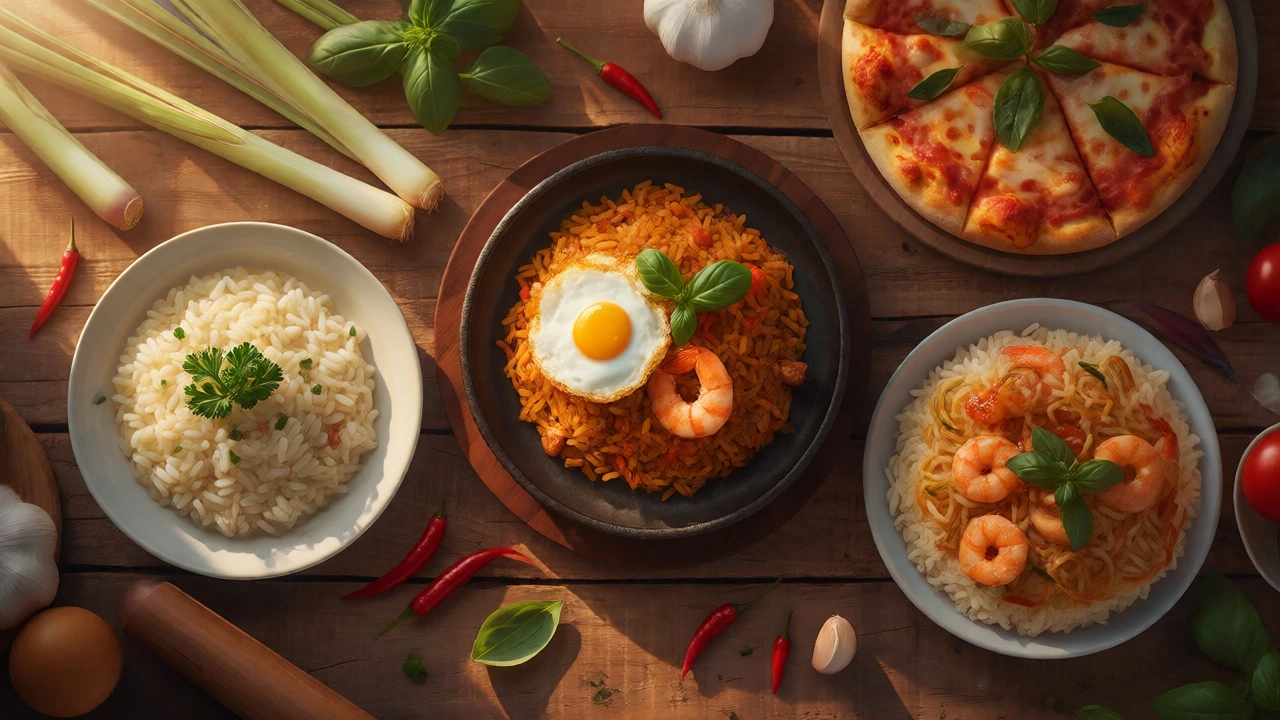
You scroll through Instagram, see a sizzling plate of Nasi Goreng from Indonesia or perhaps a creamy Italian Risotto, and wonder: which one actually holds the crown? Is there a definitive answer to "what is world no. 1 food"? The short answer is no single dish owns the title forever, but certain contenders consistently rise to the top based on popularity, consumption volume, and cultural impact.
This isn't just about taste buds; it's about data, travel trends, and what people actually eat when they're hungry. If you are looking for your next easy dinner idea, understanding these global favorites can give you serious inspiration. Let's break down the heavy hitters that dominate international polls and why they deserve a spot on your table tonight.
The Contenders for the Top Spot
When major platforms like CNN Travel or TasteAtlas release their annual lists, the same names usually appear. But who wins depends on whether you value ubiquity (how many people eat it) or prestige (how highly critics rate it).
Pizza is arguably the most consumed prepared food globally. It’s versatile, cheap, and customizable. You can make it with five ingredients in twenty minutes. However, does being the most eaten make it the "best"? Not necessarily. Critics often argue that mass production dilutes quality.
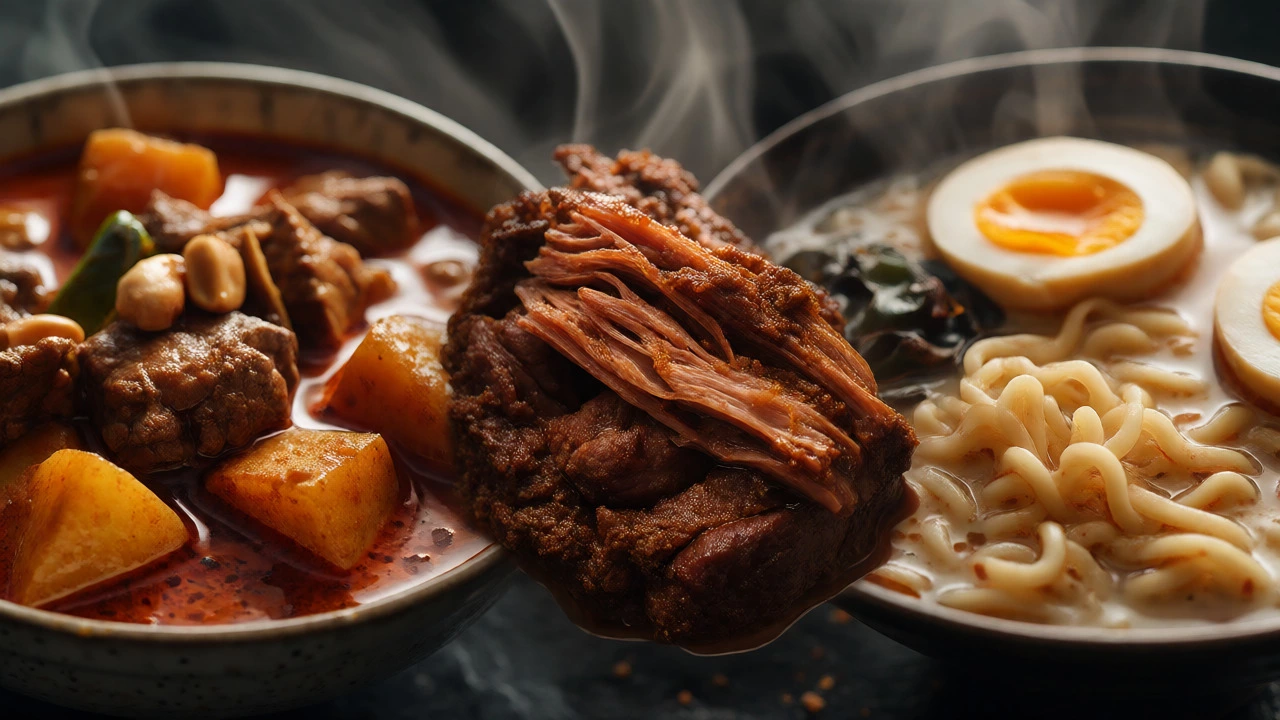
On the other end of the spectrum sits Massaman Curry. This Thai dish frequently tops "World's Best Foods" lists because of its complex flavor profile-a mix of spicy, sweet, salty, and sour. It requires patience and specific spices, making it less of a quick Tuesday night fix and more of a weekend project.
Then there is Rendang from Indonesia. In 2017, CNN Travel named it the world's most delicious food. It involves slow-cooking beef in coconut milk and a paste of lemongrass, galangal, garlic, turmeric, ginger, and chilies until the liquid evaporates and the meat caramelizes. It’s rich, intense, and unforgettable.
| Dish | Origin | Primary Appeal | Cooking Effort |
|---|---|---|---|
| Pizza | Italy | Versatility & Speed | Low |
| Massaman Curry | Thailand | Complex Flavor Balance | Medium-High |
| Rendang | Indonesia | Richness & Depth | High |
| Sushi | Japan | Freshness & Precision | High |
| Tacos | Mexico | Texture & Customization | Low-Medium |
Why Rankings Change So Often
You might ask, why did Rendang win in 2017, but Pizza dominates sales figures today? Rankings depend entirely on the methodology used by the surveyor.
- Sales Volume: If we look at revenue, fast food giants like McDonald's and Domino's skew the results toward burgers and pizza.
- Critic Polls: Chefs and food writers tend to favor dishes with technical complexity, like French Coq au Vin or Japanese Kaiseki.
- User Reviews: Apps like TripAdvisor reflect tourist experiences, which often highlight street food like Bangkok Pad Thai or Mexican Tacos al Pastor.
There is no objective metric for "taste." One person's perfect meal is another person's bland experience. That said, consensus builds around dishes that offer a balance of umami, texture, and aroma. Dishes that hit multiple sensory notes simultaneously tend to stay in the conversation longer.
The Rise of Asian Cuisine in Global Rankings
Over the last decade, Asian cuisines have surged in global recognition. This isn't accidental. As travel became more accessible, Western palates expanded beyond Italian and French staples.
Thai Food stands out for its aggressive use of fresh herbs and balancing agents. A good Tom Yum Goong isn't just spicy; it uses lime juice for acidity, fish sauce for saltiness, and palm sugar for sweetness. This complexity creates an addictive eating experience.
Similarly, Japanese Ramen has evolved from a humble worker's lunch to a gourmet obsession. The broth alone can take 24 hours to prepare. When you slurp a bowl of Tonkotsu ramen, you are tasting months of refinement in pork bone extraction techniques.
For home cooks, this trend means easier access to ingredients. You can find miso paste, soy sauce, and rice noodles in almost any supermarket now. This accessibility has helped Asian flavors become part of everyday easy dinner recipes rather than special occasion treats.
Comfort Food: The Emotional Winner
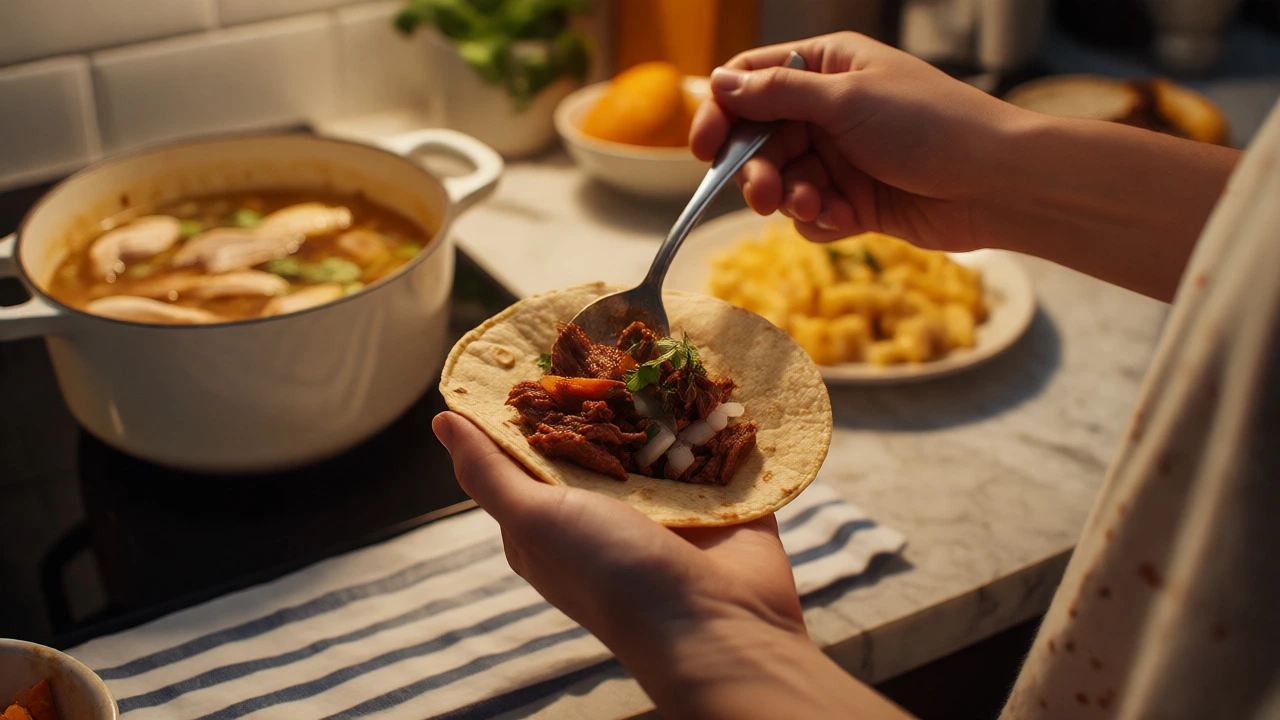
If you strip away the prestige and focus purely on what makes people happy, comfort food wins every time. Think about a bowl of Chicken Soup. It’s rarely featured in "Top 10 Exotic Dishes" lists, yet it is universally recognized as healing and soothing.
American Macaroni and Cheese holds a similar position. It’s not sophisticated, but the combination of starchy pasta and melted cheese triggers dopamine responses linked to childhood memories. Similarly, Indian Butter Chicken offers a creamy, tomato-based gravy that pairs perfectly with naan bread. It’s indulgent without being overly complicated.
Why does this matter for your dinner planning? Because sometimes you don't want a culinary adventure. You want reliability. The "world's best food" might be a simple grilled cheese sandwich if that’s what you’re craving after a long day.
How to Choose Your Next Global Dish
Feeling overwhelmed by options? Here is a practical way to decide what to cook next based on your current mood and constraints.
- Check Your Time Budget: Do you have 20 minutes or 3 hours? If you’re short on time, go for Tacos or Stir-Fry. If you have all afternoon, try Beef Bourguignon or Massaman Curry.
- Assess Ingredient Availability: Can you get fresh basil and mozzarella easily? Make Caprese Salad or Pizza Margherita. Need pantry staples? Try Pasta Aglio e Olio or Fried Rice.
- Consider Dietary Needs: Many top-ranked foods are adaptable. Vegan rendang exists using jackfruit instead of beef. Gluten-free tacos use corn tortillas. Don’t let dietary restrictions stop you from trying global hits.
- Gauge Your Spice Tolerance: If you prefer mild flavors, stick to Italian risottos or Japanese udon. If you love heat, seek out Sichuan Mapo Tofu or Korean Kimchi Jjigae.
This approach turns the abstract concept of "best food" into a personal decision tree. You aren't chasing a global title; you're satisfying your own hunger and curiosity.
Beyond the Plate: Cultural Context Matters
Food is never just fuel. It’s history, migration, and identity. Understanding where a dish comes from adds depth to the eating experience.
Take French Croissants. They seem quintessentially French, but the technique originated from Austrian kipferl brought to Paris in the 19th century. Or consider Curry. The word itself is a British colonial simplification of various South Asian spiced gravies. Knowing this changes how you view the dish-it’s a fusion of trade routes and imperial history.
When you cook these dishes at home, you participate in this global exchange. Using cumin in a Mexican mole acknowledges the spice trade that connected Europe, Asia, and the Americas centuries ago. This context transforms a simple dinner into a story worth telling.
Practical Tips for Cooking Global Favorites at Home
You don't need professional equipment to recreate world-class meals. Here are some shortcuts that work surprisingly well.
- Use Pre-Made Pastes: For curries and stir-fries, high-quality jarred pastes save hours of grinding spices. Look for brands with short ingredient lists.
- Invest in Good Rice: Whether you are making sushi or biryani, the grain matters. Buy short-grain for sticky textures and basmati for fluffy separation.
- Taste as You Go: Global dishes rely on balance. Add salt, acid, or heat incrementally. Stop adjusting when the flavor feels complete, not when the recipe says so.
- Don't Skimp on Fresh Herbs: Cilantro, basil, mint, and scallions brighten heavy dishes. Add them at the very end to preserve their volatile oils.
Remember, the goal isn't perfection. It's enjoyment. Even if your homemade pizza doesn't look like a magazine cover, if it tastes good and feeds your family, it’s a success.
Is there officially a number one food in the world?
No, there is no single official governing body that declares a permanent winner. Organizations like CNN Travel, TasteAtlas, and UNESCO conduct surveys or recognize intangible cultural heritage, but these rankings change annually based on voting criteria and public opinion.
What is the most eaten food in the world?
In terms of daily caloric intake and staple consumption, rice and wheat (used for bread, pasta, and flatbreads) are the most widely consumed foods globally. In terms of prepared dishes, pizza and fried chicken are among the most popular internationally due to the global reach of fast-food chains.
Which country has the best food according to rankings?
Rankings vary, but Italy, Japan, Thailand, India, and Mexico frequently compete for the top spot. Italy is often praised for its simplicity and ingredient quality, while Japan is celebrated for precision and freshness. Thailand and India are lauded for complex spice usage, and Mexico for its diverse regional traditions.
Can I make world-famous dishes at home easily?
Yes, many top-ranked dishes are surprisingly easy to replicate. Dishes like Tacos, Stir-Fry, Pasta Carbonara, and Fried Rice require basic cooking skills and common ingredients. More complex dishes like Massaman Curry or Beef Rendang take longer but are still manageable for intermediate home cooks with proper preparation.
Why do food rankings change every year?
Food trends shift due to globalization, social media influence, and changing health preferences. New restaurants open, chefs innovate, and tourists discover new regions. Additionally, different surveys target different demographics-some focus on luxury dining, others on street food-leading to varied results each year.