
Personal Comfort Food Profile Generator
Discover which traditional comfort foods align with your psychological needs and cultural preferences based on the science of nostalgia and craving.
Have you ever craved a specific meal not because you were hungry, but because you felt sad, stressed, or just needed a hug in bowl form? That craving isn't random. It’s your brain reaching for traditional comfort food. These dishes are more than just calories; they are edible memories that connect us to our past, our families, and our cultures.
But what exactly makes a dish "comforting"? Is it the butter content? The carbs? Or something deeper? Let’s break down the science, history, and universal appeal of these timeless meals.
The Science Behind the Craving
When we talk about comfort food, we aren't just talking about taste. We are talking about biology and psychology working together. Research from Cornell University has shown that people often turn to childhood favorites when they feel lonely or anxious. This isn't a weakness; it's a survival mechanism.
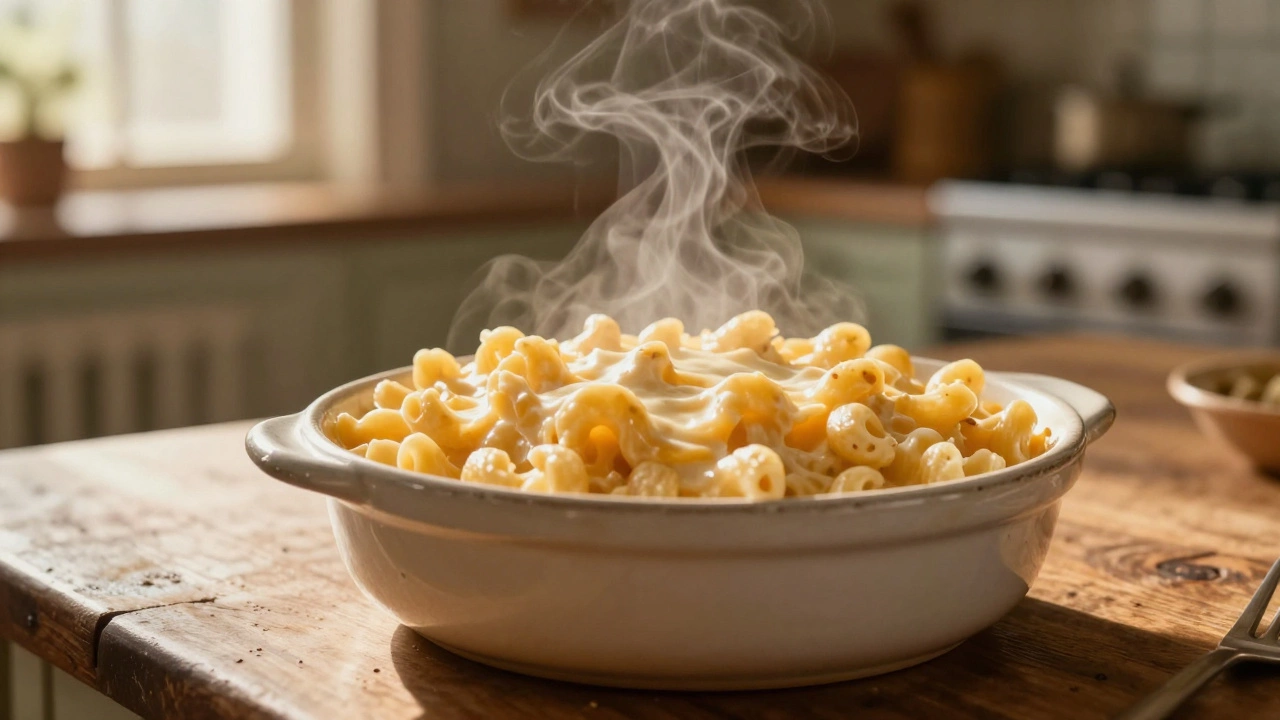
Your brain associates certain flavors with safety. If your grandmother always made macaroni and cheese when you scraped your knee as a kid, your nervous system still links that creamy, cheesy flavor with being cared for. Eating it triggers the release of dopamine, the neurotransmitter responsible for pleasure and reward. It’s a quick chemical fix for emotional distress.
Furthermore, warm temperatures play a huge role. Studies suggest that consuming warm liquids or foods can physically lower stress levels by relaxing muscles and slowing heart rate. This is why a cold salad rarely feels like comfort food, even if it’s healthy. The heat mimics the feeling of a warm embrace.
Cultural Roots: Comfort is Local
One of the biggest myths about comfort food is that it’s universal. While everyone eats to feel better, *what* they eat varies wildly depending on where they grew up. Comfort food is deeply tied to cultural identity and regional ingredients.
| Region/Culture | Dish | Key Ingredients | Why It Comforts |
|---|---|---|---|
| United States | Chicken Soup | Chicken, carrots, celery, noodles | Hydration, savory broth, childhood association |
| Japan | Oden | Daikon radish, fish cakes, tofu, dashi broth | Warmth in winter, simple umami flavors |
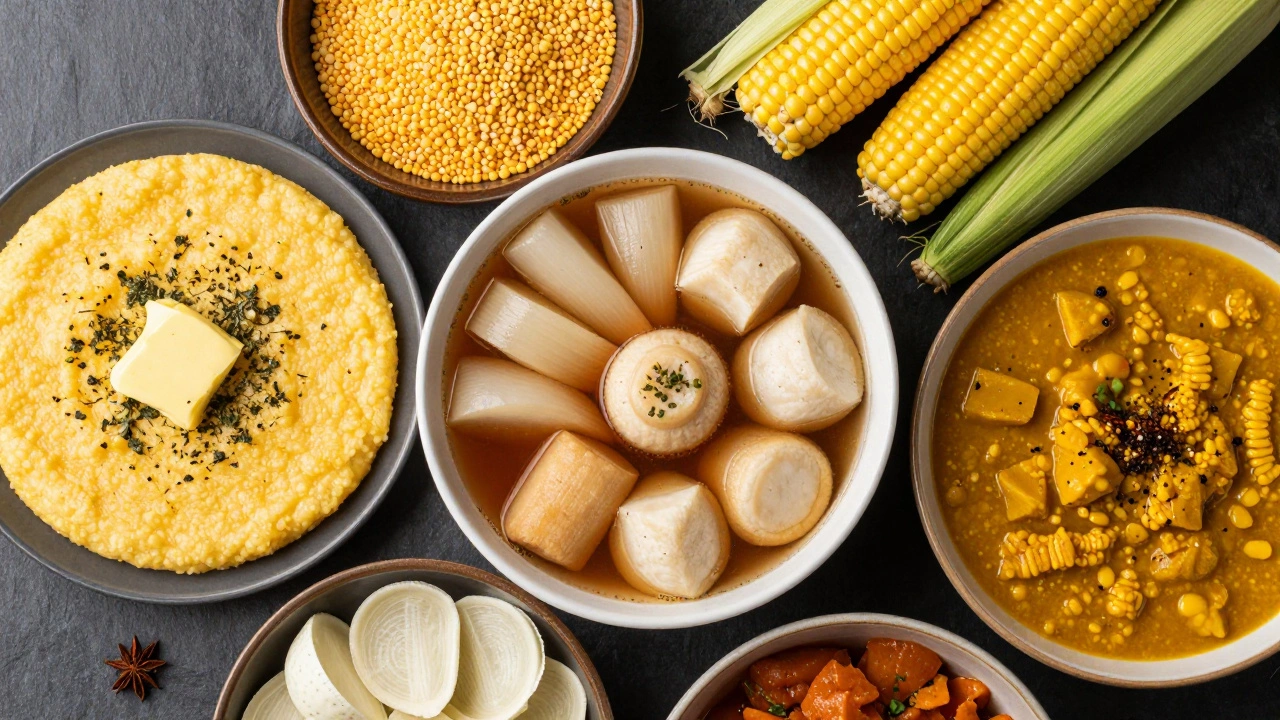
| Italy | Polenta | Cornmeal, butter, cheese | Soft texture, slow-cooked simplicity |
| Mexico | Mole Poblano | Chiles, chocolate, spices, meat | Complexity, festive family gatherings |
| India | Dal Tadka | Lentils, turmeric, ghee, garlic | Nutrient-dense, soothing spices, daily staple |
Notice a pattern? Most traditional comfort foods are high in carbohydrates and fats, but they are also deeply rooted in community. In many cultures, these dishes are prepared during holidays or family gatherings. When you eat them alone, you’re subconsciously seeking that sense of belonging.
The Role of Nostalgia and Memory
Memory is the secret ingredient in every comfort recipe. Psychologists call this the Proustian effect, named after Marcel Proust, who described how the taste of a madeleine cake dipped in tea unlocked a flood of childhood memories. Smell and taste are directly linked to the limbic system, the part of the brain that handles emotion and memory.
This explains why two people can have completely different ideas of what constitutes comfort food. For one person, it might be grilled cheese sandwiches because their mother made them after school. For another, it might be biryani because it was served at every wedding and festival they attended growing up. The food itself is secondary to the emotional context surrounding it.
If you want to create your own comfort food experience, try recreating a dish from your childhood exactly as you remember it. Use the same brand of ingredients if possible. The goal isn’t culinary perfection; it’s sensory accuracy.
Modern Twists on Classic Dishes
In 2026, the definition of comfort food is evolving. With greater awareness of health issues like diabetes and heart disease, many people are looking for ways to enjoy these nostalgic flavors without the negative health impacts. This has led to a rise in "guilt-free" comfort food.
Chefs and home cooks alike are experimenting with substitutions that maintain the texture and warmth of traditional dishes while improving nutritional value. Here are some common swaps:
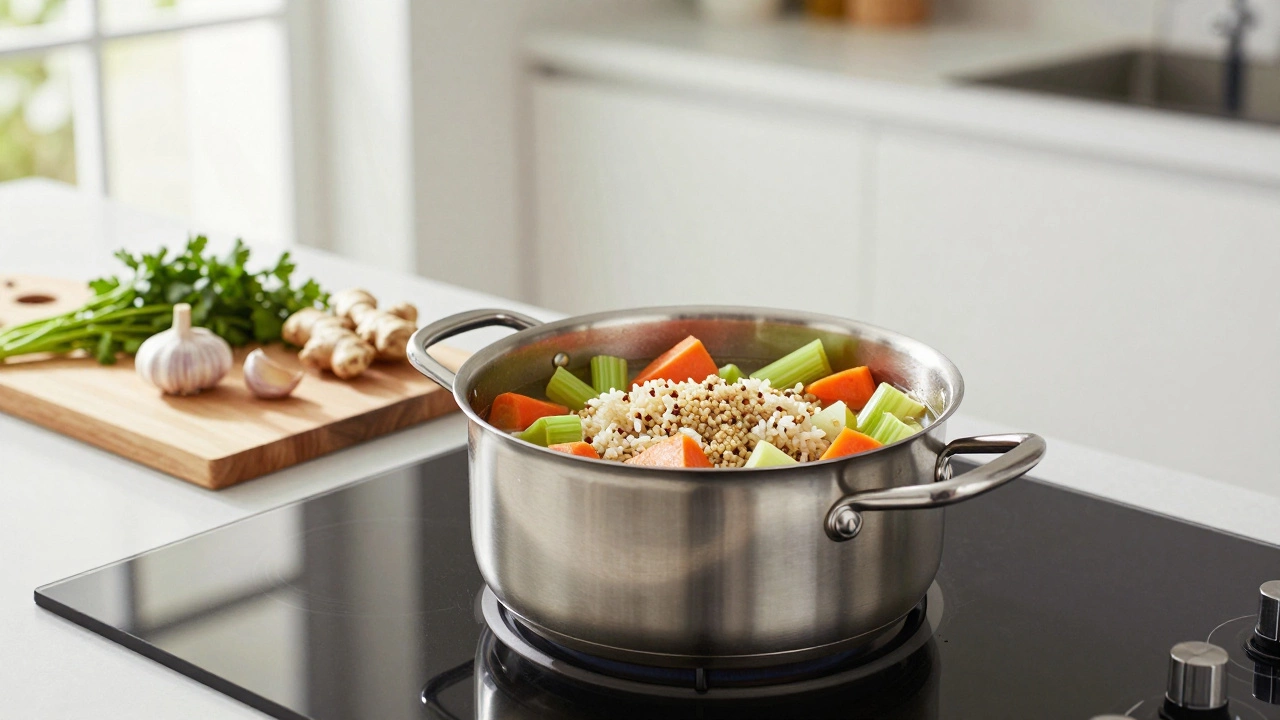
- Whole Grains: Replacing white rice or pasta with quinoa, farro, or brown rice adds fiber and keeps blood sugar stable.
- Plant-Based Proteins: Using lentils or chickpeas instead of ground beef in chili or bolognese reduces saturated fat while keeping the dish hearty.
- Dairy Alternatives: Cashew cream or oat milk can mimic the richness of heavy cream in soups and sauces without the lactose.
- Spice Over Salt: Relying on herbs, garlic, and ginger for flavor depth allows you to reduce sodium intake, which is crucial for long-term health.
Does this make it less comforting? Not necessarily. Comfort is subjective. If a lighter version of your favorite stew still brings you joy and warmth, it serves the same psychological purpose.
How to Cook Comfort Food at Home
You don’t need a professional kitchen to make traditional comfort food. In fact, the best versions are often made with simple tools and plenty of patience. The key is technique, not complexity.
- Sear Your Meat: Whether you’re making stew or soup, browning meat first creates the Maillard reaction, adding deep, savory flavors that boiling alone cannot achieve.
- Low and Slow: Many comfort foods, like pot roast or bean soup, benefit from long cooking times. This breaks down tough fibers and melds flavors together.
- Layer Flavors: Start with aromatics like onions, garlic, and ginger. Add acids like lemon juice or vinegar at the end to brighten the dish. Balance is key.
- Garnish Generously: Fresh herbs, a dollop of yogurt, or a sprinkle of cheese can transform a basic dish into something special. Visual appeal enhances the eating experience.
Remember, comfort food is meant to be forgiving. If you burn the garlic, start over. If you add too much salt, add more potatoes. The process should be relaxing, not stressful.
FAQ: Common Questions About Comfort Food
Is comfort food always unhealthy?
Not necessarily. While many traditional comfort foods are high in calories, fat, and sugar, the concept of comfort food is broad. A warm bowl of vegetable soup with whole-grain bread can be just as comforting as a slice of pizza. The key is portion control and balancing these meals with nutrient-dense options throughout the week.
Why do I crave comfort food when I'm stressed?
Stress increases cortisol levels, which can trigger cravings for high-carb and high-fat foods. These foods provide a quick energy boost and stimulate dopamine production, temporarily alleviating feelings of anxiety. It’s a biological response aimed at restoring emotional equilibrium.
Can children develop preferences for comfort food?
Yes, absolutely. Children associate foods with positive experiences. If parents consistently serve a particular dish during happy moments or to soothe upset feelings, that child will likely view that food as a source of comfort later in life. Early exposure to diverse flavors can broaden what a person considers "comforting" as an adult.
What is the most popular comfort food worldwide?
It’s difficult to name a single winner because comfort food is so culturally specific. However, surveys often cite chicken soup, pasta, and rice-based dishes as top contenders globally. These staples are affordable, versatile, and found in almost every culture, making them universal sources of solace.
How can I make healthier comfort food without losing the taste?
Focus on enhancing natural flavors rather than masking them with excess salt or sugar. Use roasted vegetables for sweetness, herbs for aroma, and spices for heat. Swap refined grains for whole grains and use lean proteins. You can also reduce fat by using cooking sprays or broiling instead of frying, while maintaining the satisfying texture through proper seasoning.