

Dessert Metabolic Impact Analyzer
Select a dessert type below to analyze its chemical impact on your body and metabolic system.
Primary Concerns
Body Reaction
Quick Takeaways: The Sugar Trap
- Deep-fried desserts usually rank highest due to the double-hit of sugar and oxidized oils.
- Industrial processing adds trans fats and high-fructose corn syrup, increasing metabolic risk.
- Portion distortion is the biggest culprit; a single "serving" often contains three days' worth of sugar.
- Liquid desserts (milkshakes) are often more caloric than solid cakes.
The Heavy Hitters: Deep-Fried Confections
When we talk about the worst offenders, we have to start with the deep-fryer. Imagine a slice of cheesecake or an Oreo cookie. Now, imagine dipping it in batter and frying it in boiling oil. You've just taken a calorie-dense food and multiplied its density. Deep-fried cheesecake is a dessert where a slice of cake is battered and fried, resulting in a massive spike of saturated fats and sugars.
Why is this so bad? The oil doesn't just add calories; it changes the structure of the fats. When oils are heated to high temperatures repeatedly, they can form trans fats. These fats are notorious for raising your LDL (bad) cholesterol and lowering your HDL (good) cholesterol. Combine that with 60-100 grams of sugar in one sitting, and your insulin levels skyrocket, leading to a massive crash an hour later. Have you ever felt that "food coma" after a fairground treat? That's your body struggling to process a nutritional overload.
The Liquid Calorie Bomb: Gourmet Milkshakes
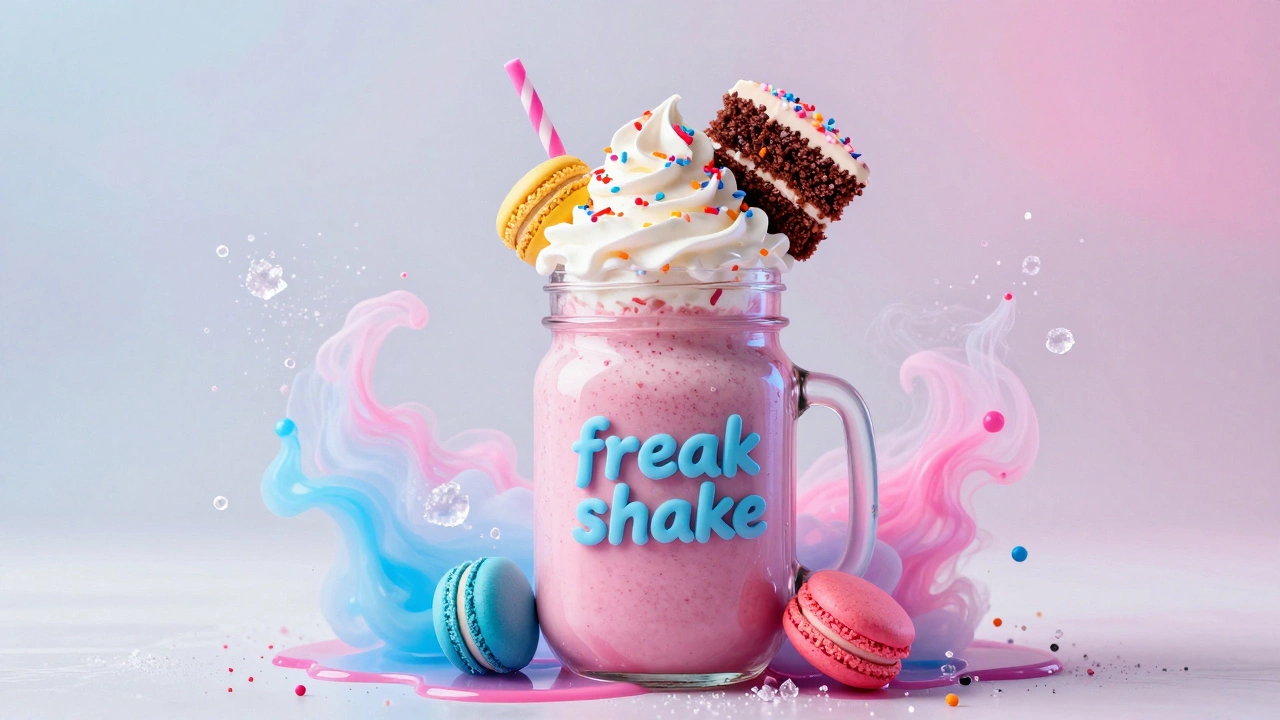
Many people overlook drinks, but a "freakshake"-those towering milkshakes topped with cake, candy, and syrup-is arguably worse than a piece of pie. Milkshakes are dairy-based blended beverages often loaded with refined sugars and whipped cream. Because these are liquids, your brain doesn't register the calories the same way it does with solid food. You can drink 2,000 calories in fifteen minutes without feeling full.
The problem here is the High-Fructose Corn Syrup (HFCS) a sweetened corn product used as a cheap substitute for sucrose in processed foods . Unlike glucose, which every cell in your body can use, fructose is processed almost entirely in the liver. When you flood your liver with HFCS from a massive shake, it starts converting that sugar directly into fat, which can lead to non-alcoholic fatty liver disease if done regularly.
The Industrial Menace: Store-Bought Cakes and Donuts
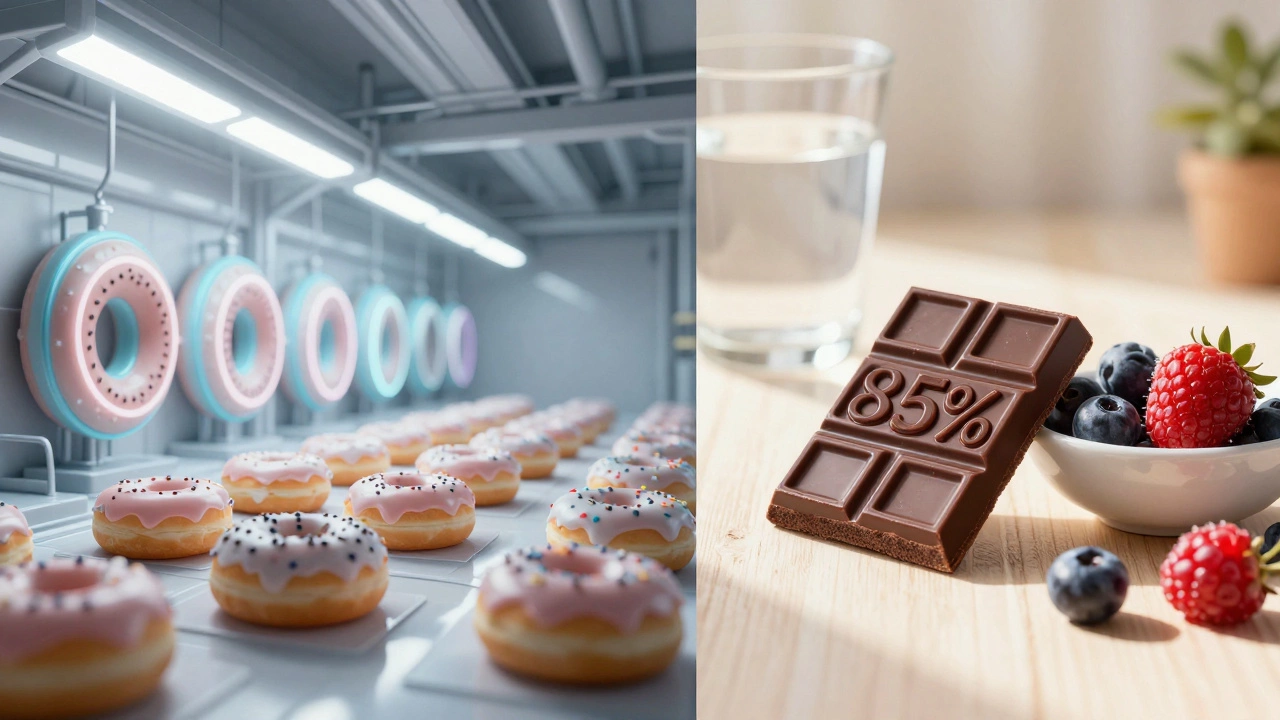
Homemade treats are usually better because you control the ingredients. But industrial desserts are a different story. A store-bought donut isn't just flour and sugar; it's a complex chemical compound. Many use Hydrogenated Vegetable Oils, oils that have been chemically altered to remain solid at room temperature, creating trans fats to extend shelf life.
| Dessert Type | Primary Fat Type | Sugar Level | Metabolic Impact |
|---|---|---|---|
| Deep-Fried Oreo | Saturated/Trans | Very High | Extreme Spike |
| Gourmet Milkshake | Saturated | Extreme | High Liver Stress |
| Store-Bought Donut | Trans Fats | High | Inflammatory |
| Dark Chocolate (85%) | Unsaturated | Low | Minimal/Positive |
The Role of Refined Sugar and Insulin
To understand why these desserts are unhealthy, we need to talk about Insulin, a hormone produced by the pancreas that regulates the amount of glucose in the blood . When you eat a dessert with 100 grams of refined sugar, your pancreas pumps out insulin to move that sugar into your cells. If your cells are already full, the insulin tells your body to store that energy as fat.
Over time, eating these "unhealthiest" desserts leads to insulin resistance. This is the precursor to Type 2 diabetes. It's not just about the weight gain; it's about how your internal chemistry breaks down. A diet high in processed sweets also fuels systemic inflammation, which can make your joints ache and your skin break out. It's a full-body reaction to a nutritional disaster.
Hidden Dangers: The Salt and Artificial Colorings
It's not just sugar. Many of the most caloric desserts use huge amounts of salt to enhance the sweetness and artificial dyes to make the colors pop. Red 40 and Yellow 5 are common in colorful candies and cakes. While the FDA regulates them, some people experience hyperactivity or allergic reactions.
Salt in desserts is a sneaky trick. It suppresses the bitterness of low-quality fats and makes the sugar taste more intense, which encourages you to eat more than you normally would. This cycle of salt and sugar creates a "bliss point" in the brain, triggering the same reward centers as addictive drugs. This is why it's almost impossible to eat just one donut when they're sitting in the breakroom at work.
How to Enjoy Sweets Without the Damage
You don't have to give up dessert forever. The key is shifting from "ultra-processed" to "whole-food" based sweets. Instead of a store-bought brownie, try a brownie made with almond flour and maple syrup. Instead of a milkshake, try a smoothie with frozen bananas and a bit of cocoa powder.
A good rule of thumb: if the ingredient list looks like a chemistry textbook, put it back. Look for desserts that use Antioxidants, molecules that fight free radicals in the body, often found in dark chocolate and berries . A square of 85% dark chocolate provides a satisfying hit of sweetness but also offers flavonoids that can actually help your heart health, unlike the deep-fried cheesecake which does the opposite.
Is fruit considered an unhealthy dessert?
No. While fruit contains fructose, it also comes with fiber. Fiber slows down the absorption of sugar into your bloodstream, preventing the massive insulin spikes caused by refined sweets. It's the healthiest way to satisfy a sugar craving.
Are sugar-free desserts actually healthier?
Not necessarily. Many sugar-free treats use artificial sweeteners like aspartame or sugar alcohols like erythritol. While they have fewer calories, some can cause digestive distress or trigger cravings for other high-calorie foods.
What is the worst type of fat in desserts?
Trans fats are the worst. These are often found in partially hydrogenated oils used in commercial frostings and fried desserts. They increase inflammation and are directly linked to heart disease.
Why does sugar make me feel tired after eating it?
This is known as a "sugar crash." After a massive spike in blood glucose, your body releases a surge of insulin to compensate. This can cause your blood sugar to drop too low, leaving you feeling exhausted and hungry again.
Can one unhealthy dessert ruin my diet?
A single treat won't cause permanent damage, but the habit is the problem. The real danger is the cumulative effect of processed sugars on your liver and metabolic health over months and years.