
Personalized Healthiest Food Finder
There is no single magic bullet for health, but certain foods excel in specific areas. Answer the questions below to find out which food category should be your priority right now.
1. What is your primary energy concern?
2. Which health issue worries you most?
3. What is your gut health status?
You want one answer. Just one. You’re tired of conflicting headlines telling you that eggs are bad, then good, then bad again. You want to know what to put on your plate if you could only eat one thing for the rest of your life and still feel amazing. Here’s the hard truth: there is no single magic bullet. But if we had to pick the closest contender based on pure nutrient density, data, and biological necessity, it wouldn’t be a trendy berry or an exotic seed.
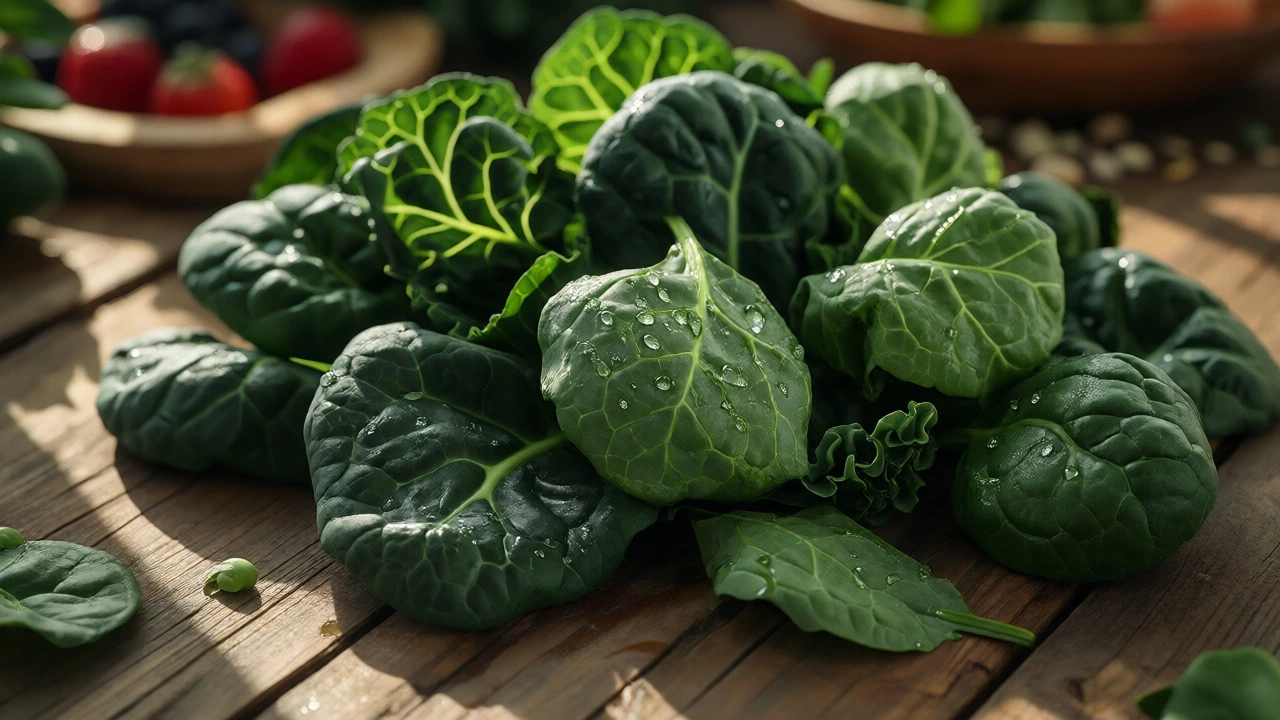
It would likely be leafy greens, specifically dark leafy vegetables like kale or spinach. Why? Because they offer the highest concentration of vitamins, minerals, and antioxidants per calorie compared to almost any other food on Earth. They don’t spike your blood sugar, they hydrate you, and they pack enough punch to keep your cells functioning at peak performance. But before you start blending a gallon of kale into smoothies every morning, let’s unpack why this specific category wins-and why the question itself might be flawed.
The Myth of the Superfood
We love the idea of a superfood. It simplifies our lives. If we just eat blueberries, we’ll live forever. If we sprinkle chia seeds on everything, we’ll lose weight. The term "superfood" isn’t even a scientific classification; it’s a marketing term created by the food industry in the early 20th century to sell bananas and oranges. Today, it’s used to sell goji berries and spirulina.
Real nutrition science doesn’t work in absolutes. Your body is a complex machine that requires over 40 different nutrients to function. No single food contains all of them in adequate amounts. For example, while Kale is incredibly rich in Vitamin K, Vitamin A, and Vitamin C, it lacks significant amounts of protein, essential fatty acids, and Vitamin B12. You can’t survive on kale alone. You’d starve for calories and miss out on critical building blocks for muscle and brain health.
So when experts talk about the "healthiest" food, they aren’t talking about completeness. They are talking about efficiency. They are asking: Which food gives me the most nutritional bang for my buck (or rather, my calorie)? This concept is known as nutrient density.
Why Leafy Greens Take the Crown
If we judge foods strictly by their nutrient-to-calorie ratio, dark leafy greens dominate the leaderboard. Let’s look at the numbers. One cup of raw spinach has roughly 7 calories but delivers 181% of your daily Vitamin K, 56% of Vitamin A, and 14% of Folate. Compare that to a banana, which has about 105 calories for its share of potassium and sugar. Or compare it to salmon, which is healthy but calorie-dense due to its fat content.
Leafy greens provide:
- Vitamin K: Essential for blood clotting and bone health.
- Folate: Critical for DNA synthesis and repair.
- Magnesium: Involved in over 300 enzyme reactions in the body.
- Lutein and Zeaxanthin: Antioxidants that protect eye health against macular degeneration.
The beauty of these foods is their versatility and low risk. You can eat massive quantities without worrying about caloric surplus. In a world where obesity and metabolic disease are rampant, being able to consume high volumes of nutrients with minimal energy intake is a massive advantage. It allows you to fill up physically while keeping your insulin levels stable.
| Food Item | Calories (per 100g) | Key Nutrients | Nutrient Density Score* |
|---|---|---|---|
| Spinach | 23 kcal | Vit K, Vit A, Magnesium, Iron | High |
| Kale | 49 kcal | Vit K, Vit C, Calcium, Fiber | High |
| Sweet Potato | 86 kcal | Vit A, Potassium, Fiber | Medium-High |
| Salmon | 208 kcal | Omega-3s, Protein, Vit D | Medium (Calorie Dense) |
| Blueberries | 57 kcal | Antioxidants, Vit C, Fiber | Medium-High |
*Scores are relative estimates based on standard dietary guidelines.
The Case for Other Heavy Hitters
While leafy greens win on density, they aren’t the only players worth mentioning. Depending on your specific health goals, another food might actually serve you better. Let’s break down the runners-up and see who they are best for.
Berries: The Brain Boosters
If your main concern is cognitive decline or inflammation, berries-especially blueberries and blackberries-are arguably more important than kale. They are packed with anthocyanins, the pigments that give them their deep color. Studies have shown that regular consumption of berries can improve memory and delay age-related cognitive decline. Unlike leafy greens, berries offer a sweet satisfaction that can help curb sugar cravings without the massive glucose spike associated with fruits like mangoes or grapes.
Legumes: The Gut Healers
For gut health, nothing beats legumes. Lentils, chickpeas, and black beans are loaded with prebiotic fiber. This fiber feeds the beneficial bacteria in your microbiome. A diverse microbiome is linked to better immunity, improved mood, and lower risk of chronic diseases. While leafy greens have fiber, legumes provide a different type of resistant starch that survives digestion and ferments in the colon, producing short-chain fatty acids like butyrate, which fuels colon cells.
Fatty Fish: The Omega Powerhouse
Humans did not evolve eating salads exclusively. We evolved as omnivores who hunted and gathered. Fatty fish like salmon, mackerel, and sardines provide EPA and DHA omega-3 fatty acids. These fats are structural components of cell membranes and are crucial for brain health. While you can get ALA omega-3s from flaxseeds and walnuts, the conversion rate to active EPA/DHA in the human body is inefficient. If you need immediate anti-inflammatory benefits, fish wins.

How to Choose Your "Healthiest" Food
Since no single food does it all, how do you decide what to prioritize? Stop looking for a miracle cure and start looking at gaps in your diet. Most modern diets are deficient in three things: fiber, micronutrients (vitamins/minerals), and healthy fats. They are excessive in refined carbs and added sugars.
Here is a simple decision tree to find your personal healthiest food:
- Do you struggle with energy crashes? Focus on low-glycemic, high-fiber foods like leafy greens and legumes. They stabilize blood sugar.
- Do you have joint pain or chronic inflammation? Prioritize fatty fish or algae oil supplements alongside colorful vegetables like bell peppers and broccoli.
- Are you worried about heart health? Oats and garlic have strong evidence for lowering cholesterol, but leafy greens reduce blood pressure via nitric oxide production.
- Do you have poor digestion? Fermented foods like sauerkraut or kimchi introduce probiotics, while legumes provide the prebiotics to feed them.
Notice that none of these answers are "eat more chocolate." While dark chocolate has antioxidants, it’s calorie-heavy. The goal is to maximize benefit while minimizing metabolic cost.
Pitfalls to Avoid When Chasing Health
One major mistake people make is assuming that because a food is healthy, more is better. This is rarely true. Spinach, for instance, is high in oxalates. If you have a history of kidney stones, eating pounds of raw spinach daily could trigger issues. Similarly, too much iodine from seaweed snacks can disrupt thyroid function.
Another trap is processing. A bag of kale chips sounds healthy, but if it’s fried in sunflower oil and coated in artificial cheese powder, you’ve lost the benefit. The healthiest version of any food is usually the whole, minimally processed form. Steamed broccoli retains more glucosinolates than boiled broccoli. Raw almonds retain more vitamin E than roasted ones. The method of preparation matters almost as much as the ingredient itself.
Also, consider bioavailability. Some nutrients require fat to be absorbed. Eating a salad with zero fat means you might absorb less of the fat-soluble vitamins (A, D, E, K) present in the greens. Adding a drizzle of olive oil or some avocado to your leafy greens significantly boosts nutrient uptake. So, technically, the "healthiest" way to eat kale is with a little fat.
Practical Ways to Incorporate the Winner
If you accept that leafy greens are the top-tier choice for general health, how do you actually eat them without hating your life? Many people try to force themselves to chew through bowls of raw kale and quit after three days. That’s unsustainable.
Try these strategies instead:
- The Smoothie Disguise: Blend two cups of spinach with a banana, some peanut butter, and almond milk. You won’t taste the spinach, but you’ll get all the nutrients.
- The Volume Hack: Add a handful of arugula or spinach to your burger or sandwich. It adds crunch and moisture without altering the flavor profile significantly.
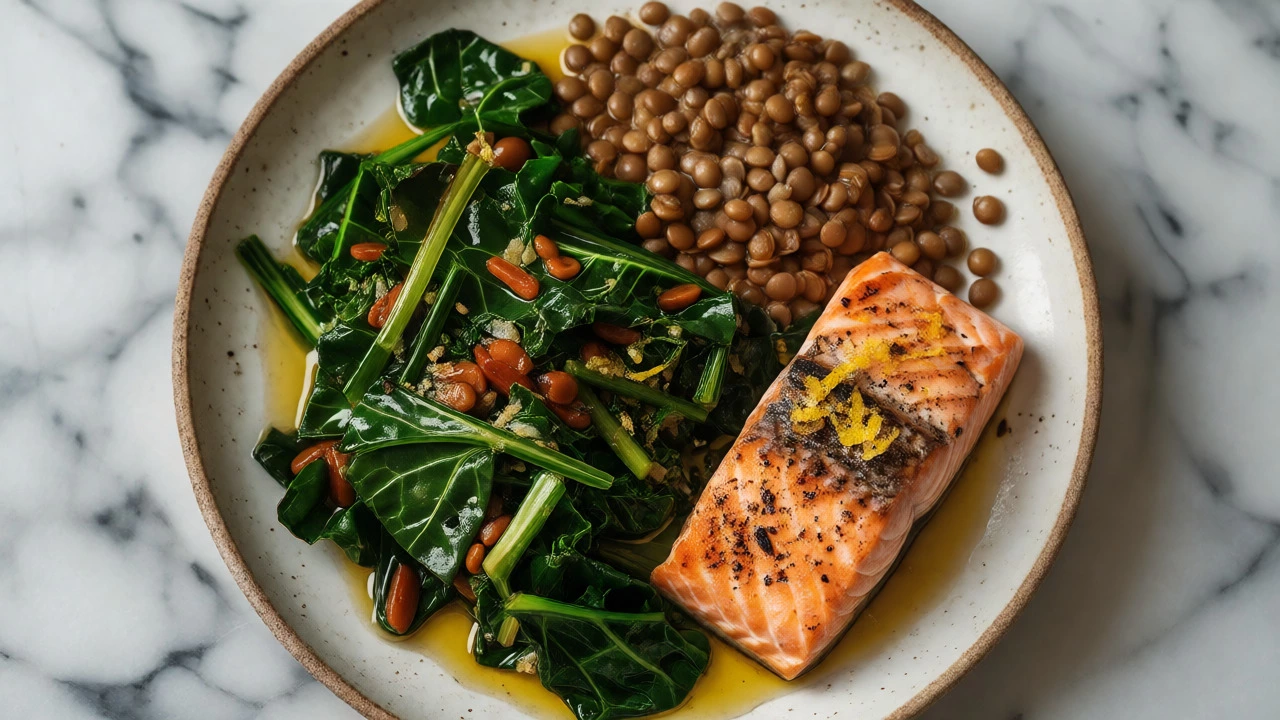
- The Sauté Swap: Instead of using half the pan space for rice or pasta, use it for Swiss chard or collard greens cooked in garlic and olive oil. You cut carbs and double nutrients simultaneously.
- The Pesto Upgrade: Make pesto with basil but mix in parsley or cilantro. Parsley is shockingly high in Vitamin K and chlorophyll.
Consistency beats intensity. Eating a moderate amount of leafy greens every day is far superior to eating a giant bowl once a week. Aim for variety within the green family to cover different micronutrient profiles.
The Bottom Line
There is no single healthiest food because biology doesn’t work that way. However, if you forced a scientist to bet on one category for longevity, disease prevention, and nutrient efficiency, dark leafy greens would take the prize. They are low-cost, accessible, versatile, and packed with compounds that protect your DNA, bones, and eyes.
But remember, health isn’t about finding a shortcut. It’s about building a pattern. Use leafy greens as your foundation, add berries for antioxidant protection, include legumes for gut health, and eat fatty fish for brain fuel. That combination creates a synergy that no single food can match on its own.
Is kale really healthier than spinach?
Both are extremely healthy, but they differ slightly. Kale has more Vitamin C and calcium, while spinach is richer in iron and magnesium. Spinach also has fewer calories per cup. For most people, rotating between the two provides the broadest range of nutrients. Neither is objectively "better," but both are superior to iceberg lettuce.
Can I eat too many leafy greens?
Yes, though it’s difficult for most people. Excessive consumption of certain greens like spinach or beet greens can lead to high oxalate intake, which may contribute to kidney stones in susceptible individuals. Additionally, very high intakes of cruciferous vegetables like kale might interfere with thyroid function if you are iodine-deficient. Moderation and variety are key.
Are organic leafy greens necessary?
Organic certification ensures no synthetic pesticides were used, which is a valid concern for thin-skinned produce. However, studies suggest that the nutritional difference between organic and conventional leafy greens is negligible. Washing conventional greens thoroughly removes most surface residues. If budget is a constraint, conventional greens are still vastly healthier than no greens at all.
What is the worst vegetable for health?
There are no truly "bad" vegetables, but some offer less nutritional value per calorie. Iceberg lettuce, for example, is mostly water and fiber with minimal vitamins compared to romaine or spinach. Also, heavily processed vegetable products, like fries made from potatoes with added oils and salt, lose their health status due to the cooking method and additives.
Do frozen vegetables count as healthy?
Absolutely. Frozen vegetables are often picked at peak ripeness and flash-frozen immediately, which preserves nutrients better than fresh produce that sits in transit for days. As long as there are no added sauces or sodium, frozen leafy greens and broccoli are just as nutritious as fresh ones and often more affordable.