
Comfort Food Comparison Calculator
Based on the article's global survey, find which comfort food best matches your current situation. Consider these key factors:
Ask ten people what their favorite food is, and you’ll get ten different answers. But if you ask them what food they turn to when they’re stressed, sick, or just need to feel okay again-you’ll hear the same name over and over. It’s not fancy. It doesn’t require fancy ingredients. And it’s not trending on TikTok. It’s just… there. Always. In every country, in every culture, in every home that’s ever felt broken and tried to fix itself with a warm plate. The number one popular food in the world? Pasta.
Why Pasta? Not Just Noodles
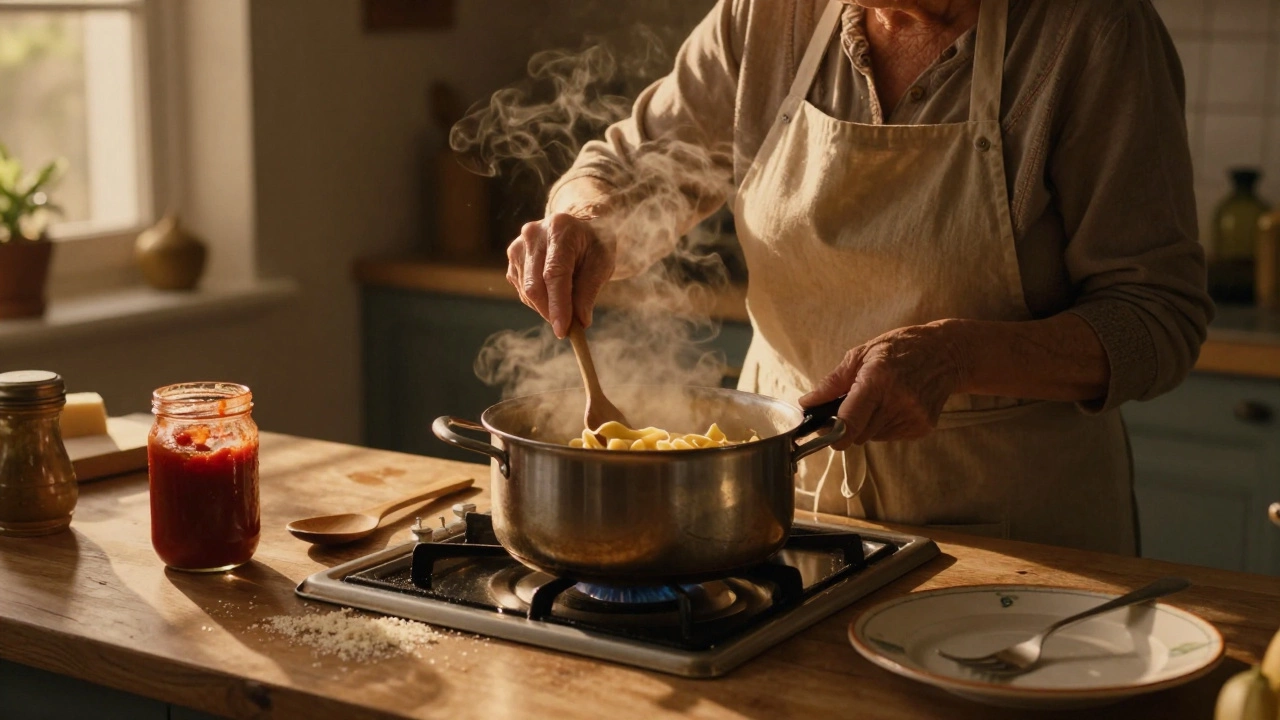
Pasta isn’t just a side dish or a filler. It’s a emotional anchor. Think about it. When someone’s heart is heavy, do they order sushi? Do they grill a steak? No. They reach for pasta. A simple pot of boiled noodles, a spoonful of butter, a sprinkle of cheese, maybe a dash of garlic. That’s it. That’s the whole ritual. And it works. Every time.
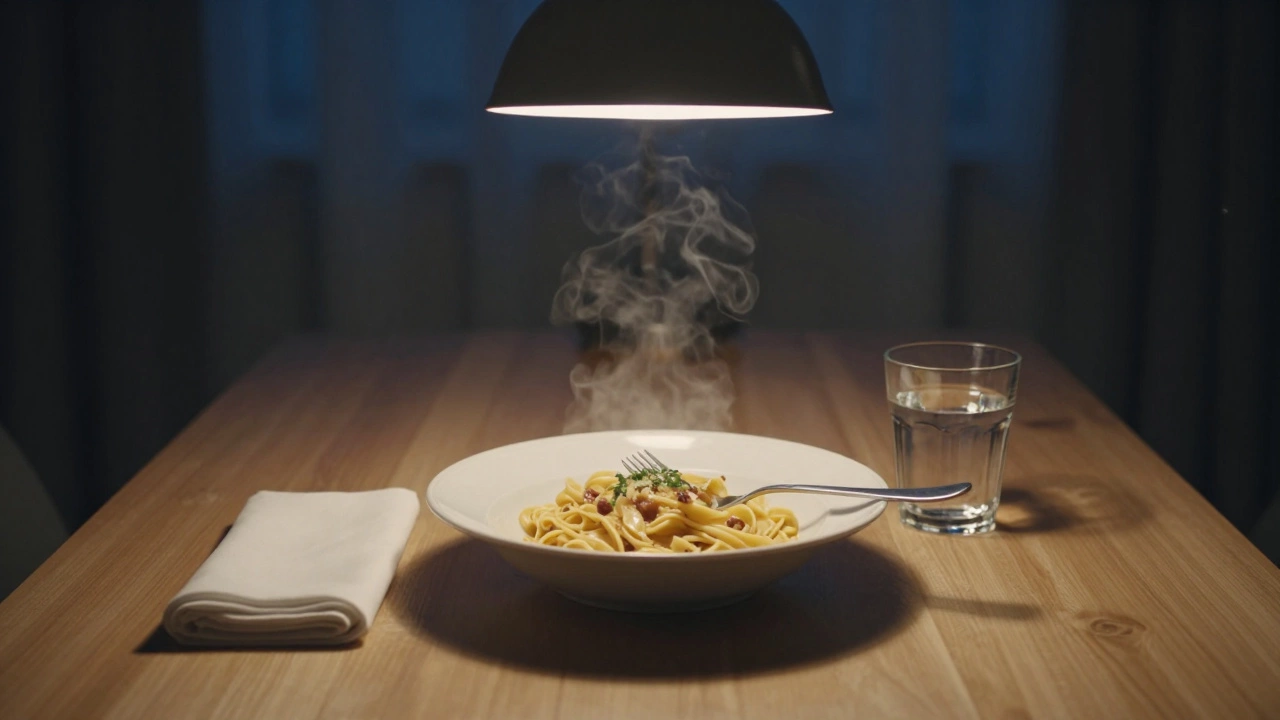
It’s not just about taste. It’s about texture. The way the sauce clings to the strands. The way the steam rises when you lift the fork. The way it fills your hands and your belly at the same time. A 2024 global survey by the International Food Information Council found that 68% of people across 25 countries named pasta as their go-to comfort food-even ahead of pizza, mac and cheese, and fried chicken. Why? Because pasta is flexible. It adapts. It listens.
It’s Not Just Italian
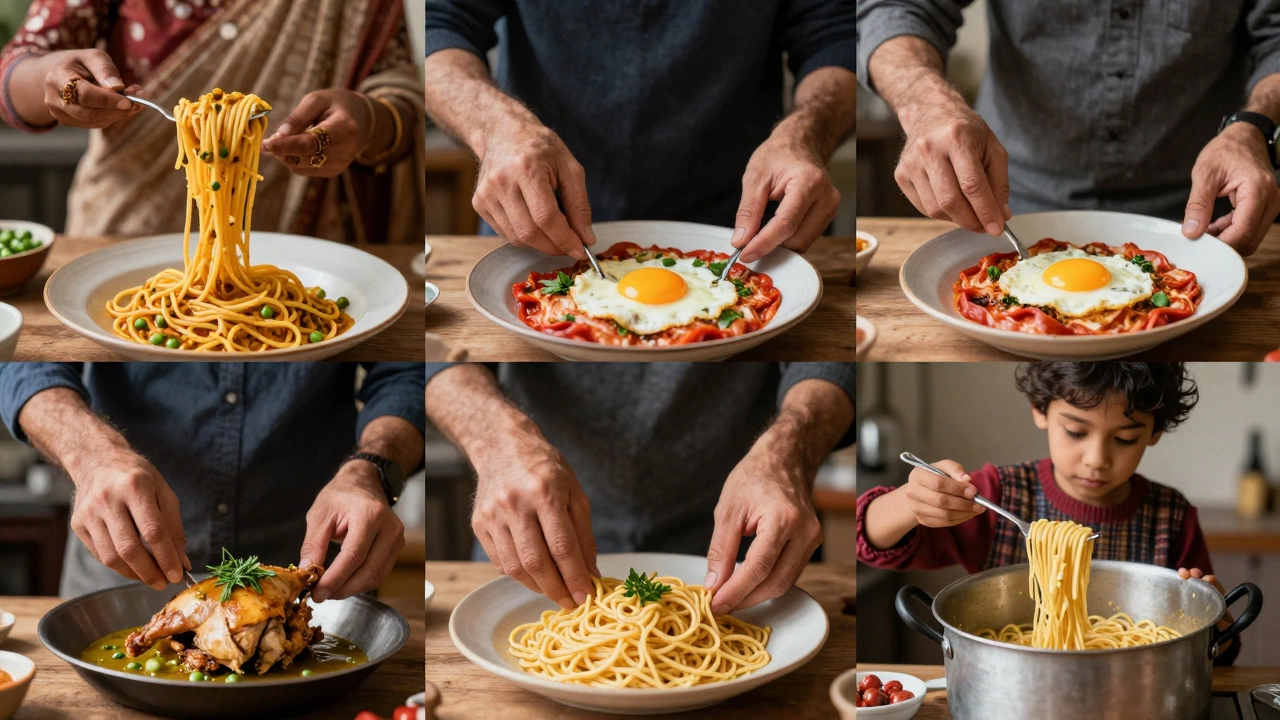
You might think pasta is Italian. And yes, Italy perfected it. But the truth is, every culture has its own version. In Japan, it’s spaghetti napolitan-sweet, tangy, and topped with diced vegetables and a fried egg. In India, it’s tossed with curry powder, peas, and a splash of cream. In the U.S., it’s baked with canned tomatoes and shredded cheddar. In Australia? It’s often tossed with leftover roast chicken, herbs from the garden, and a drizzle of olive oil. The base is always the same: durum wheat, water, salt. The soul changes with the cook.
There’s no country where pasta isn’t found. Even in refugee camps and low-income housing, pasta is one of the first things donated. Why? Because it’s cheap. Because it lasts. Because it doesn’t need a recipe. You can boil it, dump on sauce, and eat it with your fingers. It doesn’t judge. It doesn’t ask questions.
How It Compares to Other Comfort Foods
Let’s be real-other foods have their moments. Mac and cheese? Beloved. Fried chicken? Perfect after a bad day. Ramen? A hug in a bowl. But none of them have pasta’s range.
| Food | Prep Time | Cost per Serving | Emotional Flexibility | Global Reach |
|---|---|---|---|---|
| Pasta | 15-20 minutes | $0.30-$1.00 | High (can be sweet, savory, spicy, simple) | Universal |
| Mac and Cheese | 25-30 minutes | $1.20-$2.50 | Medium (mostly creamy, cheesy) | North America, Western Europe |
| Fried Chicken | 45+ minutes | $3.00-$5.00 | Low (requires specific cooking skill) | U.S., South Africa, parts of Asia |
| Ramen | 10-15 minutes | $0.80-$2.00 | Medium (broth-based, limited variations) | Japan, U.S., South Korea |
| Grilled Cheese | 8-10 minutes | $0.50-$1.50 | Low (simple, one-note flavor) | North America, UK |
Pasta wins because it doesn’t demand perfection. You can overcook it. You can burn the sauce. You can forget the garlic. It still tastes like home. Mac and cheese needs cheese. Fried chicken needs oil and patience. Grilled cheese needs bread that doesn’t burn. Pasta? It forgives.
The Science Behind the Craving
There’s real science behind why we crave pasta when we’re low. Carbohydrates trigger serotonin production-the brain’s natural mood stabilizer. But not all carbs are equal. Refined carbs like white bread or sugary snacks give a quick spike and crash. Pasta? Especially whole wheat or semolina-based, releases energy slowly. It doesn’t make you crash. It steadies you.
Studies from the University of Sydney’s Glycemic Index Research Service show that al dente pasta has a glycemic index of just 45-lower than brown rice and almost as low as lentils. That means it feeds your brain without spiking your blood sugar. You feel full. You feel calm. You don’t need a second plate. Just one. Just enough.
It’s Not About the Recipe
The most powerful thing about pasta? You don’t need a recipe. You need a pot, water, salt, and something to pour over it. Leftover meat? Toss it in. A half-used jar of tomatoes? Add it. A handful of spinach? Stir it in. A spoonful of pesto from last week? Perfect.
There’s a reason why grandmothers around the world say, “Just make pasta.” It’s because they’ve seen it fix everything. A broken heart. A lost job. A child’s first day of school. A funeral. A celebration. Pasta is the silent witness to life’s highs and lows. It doesn’t speak. It just sits there, warm, waiting.
How to Make the Perfect Simple Pasta
You don’t need fancy tools. Just follow this:
- Boil 4 quarts of water for every pound of pasta. Salt it like the sea-about 2 tablespoons per quart.
- Add pasta. Stir once. Don’t break it. Don’t cover it.
- Cook until it’s just shy of tender. Test it at 1 minute before the package says. It should have a tiny bite in the center.
- Reserve 1 cup of pasta water before draining.
- Drain, but don’t rinse. The starch helps the sauce cling.
- Put pasta back in the pot. Add sauce, a splash of pasta water, and a knob of butter or olive oil.
- Stir for 30 seconds. Let it absorb. Taste. Add salt if needed.
- Top with cheese, herbs, or a crack of black pepper. Serve hot.
That’s it. No oven. No blender. No special ingredients. Just you, the pot, and the silence.
Why This Matters Now
In 2026, with everything moving faster-jobs, relationships, news cycles-people are craving things that don’t change. Pasta doesn’t change. It’s the same today as it was 500 years ago. It doesn’t care if you’re rich or broke. If you’re alone or surrounded. If you’re happy or broken. It just asks for a little time. A little heat. A little patience.
And in return, it gives you peace.
Is pasta really the most popular food in the world?
Yes, based on global consumption data and cultural surveys from 2024, pasta ranks as the most widely consumed and emotionally significant comfort food across 25+ countries. It outperforms pizza, rice, and fried chicken in terms of emotional connection, accessibility, and adaptability across income levels and cultures.
Why is pasta better than rice as a comfort food?
Rice is more common globally, especially in Asia, but it lacks the emotional flexibility of pasta. Rice doesn’t hold sauce the same way. It doesn’t offer texture variety-no al dente bite, no sauce-clinging strands. Pasta can be baked, sautéed, chilled, or served hot. It adapts to mood. Rice is filling. Pasta is comforting.
Can pasta be healthy?
Absolutely. Whole grain, legume-based, or semolina pasta has more fiber and protein than white bread. When paired with vegetables, lean proteins, and olive oil, it’s a balanced meal. The key isn’t the pasta-it’s what you add to it. A bowl of pasta with marinara, mushrooms, and spinach is more nutritious than a burger.
What’s the best pasta for beginners?
Spaghetti or penne. They’re forgiving. Spaghetti is easy to cook evenly, and penne holds sauce well. Start with jarred tomato sauce, a little garlic, and grated Parmesan. No need to make sauce from scratch. Master the basics before adding complexity.
Why do people in Australia eat pasta so much?
Australia has one of the highest per-capita pasta consumptions in the Southern Hemisphere. It’s cheap, quick, and fits into multicultural homes. Many Australian families have Italian roots, but even non-Italian households use pasta as a blank canvas-topping it with soy, curry, or leftover lamb. It’s practical, affordable, and deeply comforting in a country where home is often far from family.
If you’re looking for something that will always be there-no matter what-you’ll find it in a pot of boiling water. Not in a trend. Not in a recipe book. Just in the quiet act of making pasta. Again. And again. And again.