
Global Staple Food Calculator
Discover how much of the world's most popular foods your family consumes and get personalized insights.
Rice
The undisputed champion consumed by half the world's population
#1 Global StapleWheat
The fierce challenger powering bread, pasta, and noodles worldwide
Runner-UpAnnual Consumption
Based on your family's eating habits
Nutritional Profile
Per standard serving (1 cup cooked)
Personalized Recipe Ideas
Perfect dishes for your chosen staple
Rice vs Wheat Comparison
Why rice is the world's number one staple
| Factor | Rice 🍚 | Wheat 🌾 |
|---|---|---|
| Global Consumers | ~3.5 billion people | ~2.5 billion people |
| Gluten Content | Naturally Gluten-Free | Contains Gluten |
| Shelf Life | Months to years (dry storage) | Flour: months, Bread: days |
| Primary Regions | Asia, Africa, Latin America | Europe, North America, Middle East |
| Versatility | Steamed, fried, porridge, flour | Bread, pasta, noodles, pastries |
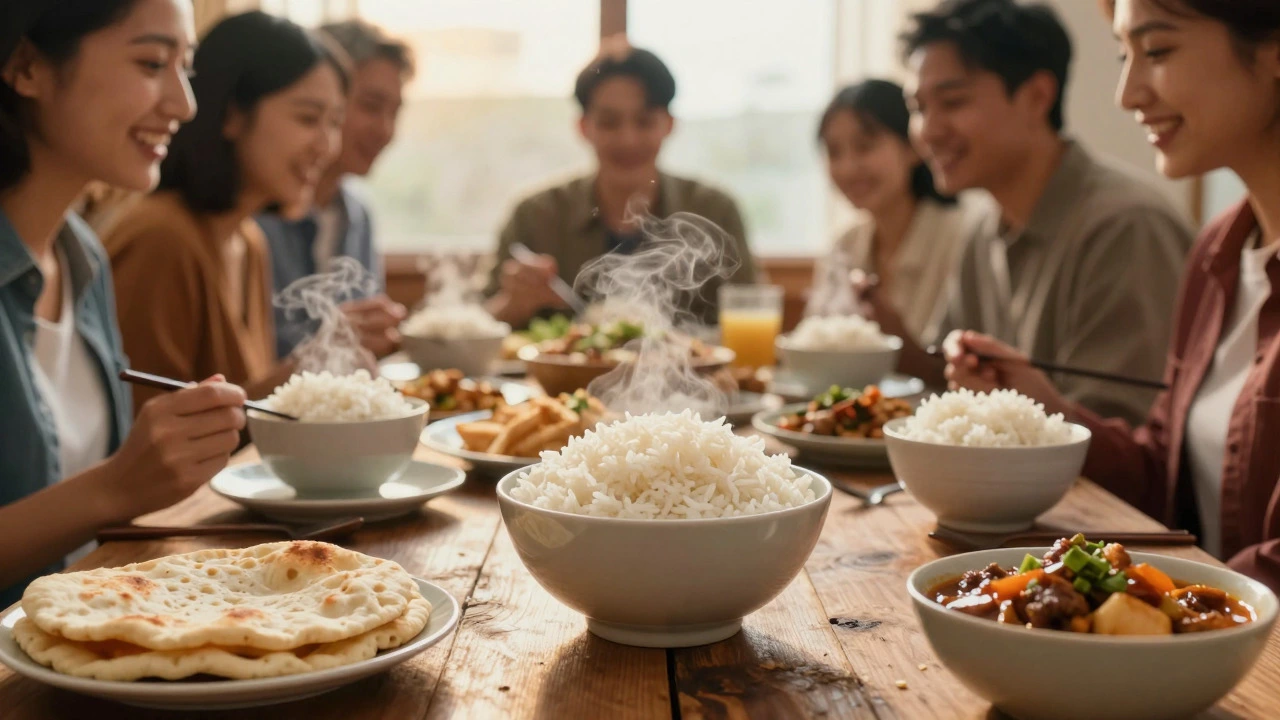
Picture this: you’re sitting at a table with friends from Tokyo, Mumbai, New York, and Lagos. You ask them what they ate for lunch today. While the dishes might look wildly different-steaming bowls of white grains, fluffy flatbreads, or hearty stews-the common thread running through almost every answer is likely to be rice. It is not just a side dish; it is the heartbeat of billions of daily meals.
If you are wondering what holds the title for the number one most popular food in the world, the answer isn’t pizza, burgers, or even pasta. Those are beloved cultural icons, but when we talk about sheer volume, accessibility, and daily consumption across the globe, rice takes the crown. But why? And how does this humble grain shape the way families around the world eat?
The Undisputed Champion: Rice
To understand why rice is the top contender, we have to look at the numbers. Approximately half of the world’s population relies on rice as their primary source of calories. In many parts of Asia, Africa, and Latin America, it is not a choice; it is a necessity. From the fragrant Basmati of India to the sticky short-grain varieties of Japan, rice adapts to local tastes while remaining fundamentally the same staple.
Rice wins because it is incredibly versatile. It can be steamed, fried, boiled into porridge, or ground into flour. It absorbs flavors beautifully, making it the perfect canvas for spicy curries, savory stir-fries, or sweet desserts. For a family looking for reliable meal ideas, rice is the ultimate anchor. It stretches budgets, feeds crowds, and satisfies hunger without being overly heavy.
Consider the logistics. Rice stores well. Unlike fresh produce that rots in days, dried rice can last for months or even years if kept dry. This makes it a critical component of food security for millions of households. When prices for meat or dairy spike, rice remains affordable. This economic stability cements its position as the world’s most consumed food.
The Strong Runner-Up: Wheat
If rice is the champion, wheat is the fierce challenger. Wheat is the second most widely cultivated crop globally and forms the basis of bread, pasta, noodles, and pastries. In Europe, North America, and parts of the Middle East, wheat products dominate the plate. A slice of sourdough, a bowl of spaghetti, or a warm pita pocket-these are all manifestations of wheat’s popularity.
Wheat has a distinct advantage in texture and protein content compared to rice. It contains gluten, which gives bread its chewy structure and allows for a variety of baking techniques. However, this also means wheat is less accessible to people with celiac disease or gluten sensitivity. Rice, being naturally gluten-free, often serves as a safer alternative for those with dietary restrictions, broadening its appeal further.
When comparing the two, geography plays a huge role. If you live in a region with a temperate climate like France or Canada, wheat is likely your daily driver. If you are in a tropical or subtropical zone like Thailand or Brazil, rice is king. Both crops are essential to human survival, but rice edges out wheat in terms of the number of people who depend on it for their main caloric intake.
Why Corn Doesn't Take the Top Spot
You might hear arguments that corn (maize) is actually the most produced crop in the world. And technically, by tonnage, it often is. But here is the catch: most corn is not eaten directly by humans. It goes into animal feed, biofuel, and processed ingredients like high-fructose corn syrup. While tortillas in Mexico and polenta in Italy showcase corn’s culinary potential, its direct consumption as a whole food is lower than that of rice or wheat.
For the average person asking about "popular food," they usually mean something they recognize on their plate. We don’t typically sit down to a bowl of raw corn kernels unless it’s a specific dish. Rice and wheat, however, are prepared and served as the main component of the meal. This distinction is crucial when defining "popularity" in a culinary context rather than an agricultural one.
Cultural Icons vs. Daily Staples
It is easy to confuse popularity with fame. Pizza, hamburgers, and sushi are globally famous. You can find them in almost every major city. But are they the most *consumed* foods? Not really. These are often treated as treats, fast food, or occasional indulgences rather than daily sustenance. A family in Milan might eat pasta five times a week, but they still rely on bread (wheat) and vegetables for balance. A family in Seoul eats rice with nearly every meal, alongside banchan (side dishes).
This difference between "celebrated" and "essential" is key. Rice doesn’t need marketing campaigns or trendy restaurant menus to stay relevant. It is baked into the culture, language, and history of countless nations. In Chinese culture, the word for rice (fan) is synonymous with food itself. Saying "have you eaten rice?" is a common greeting, equivalent to "how are you?" This linguistic tie shows how deeply embedded rice is in daily life.
How to Make Rice the Star of Your Family Meals
Knowing that rice is the world’s favorite food might make you want to incorporate it more into your own cooking. It doesn’t have to be boring plain white rice. There are endless ways to elevate this staple into a delicious centerpiece for family dinners.
- Fried Rice: Use leftover cold rice to create a quick dinner. Add eggs, peas, carrots, and soy sauce. It’s a great way to use up veggies and proteins from previous meals.
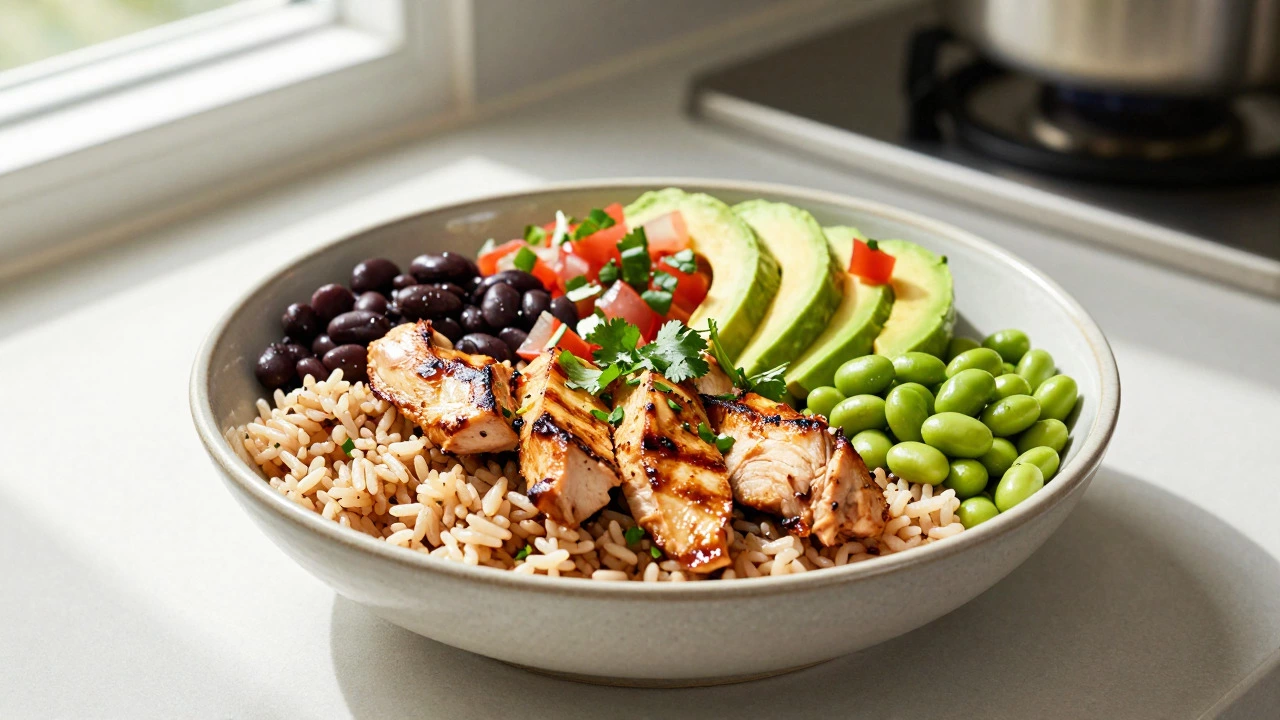
- Rice Bowls: Think of rice as a base. Top it with grilled chicken, black beans, avocado, and salsa for a Mexican-inspired bowl, or add teriyaki salmon and edamame for an Asian twist.
- Stuffed Peppers: Mix cooked rice with ground turkey, tomato sauce, and herbs, then stuff it into bell peppers. Bake until tender for a comforting, nutrient-dense meal.
- Risotto: If you want to feel fancy, try arborio rice. Slowly add broth while stirring to create a creamy, luxurious dish that pairs well with roasted vegetables or seafood.
- Dessert Rice Pudding: Sweeten cooked rice with milk, cinnamon, and raisins. It’s a nostalgic comfort food that kids love and adults appreciate.
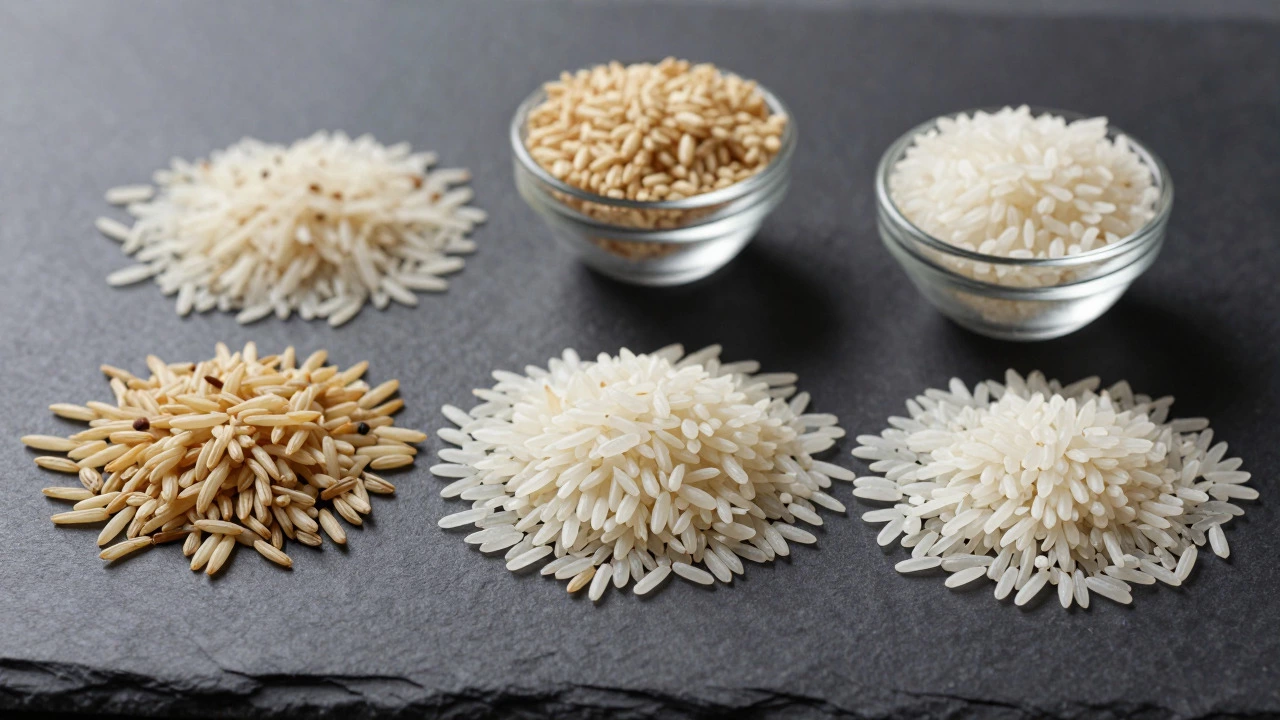
Varying the type of rice can also change the experience completely. Brown rice offers more fiber and a nuttier flavor, though it takes longer to cook. Jasmine rice brings a floral aroma that enhances Thai and Vietnamese dishes. Basmati rice stays fluffy and separate, making it ideal for Indian curries. Experimenting with these varieties keeps meals interesting and introduces new flavor profiles to your household.
Nutritional Considerations for Modern Families
While rice is a staple, it is important to consider its nutritional impact. White rice is highly refined, meaning much of the fiber and nutrients have been removed. This can lead to spikes in blood sugar if eaten in large quantities without other foods. To mitigate this, pair rice with plenty of vegetables, lean proteins, and healthy fats. This creates a balanced meal that provides sustained energy.
Switching to brown, red, or black rice can boost the nutritional value significantly. These whole-grain varieties retain the bran and germ, offering more magnesium, B vitamins, and antioxidants. They also take longer to digest, keeping you fuller for longer. For families managing health concerns like diabetes or weight management, choosing whole-grain rice options is a simple yet effective strategy.
Portion control is another factor. Because rice is calorie-dense, serving sizes matter. A standard serving is about half a cup to one cup of cooked rice per person. Using the rest of the plate for non-starchy vegetables ensures a nutrient-rich diet. This approach respects the cultural importance of rice while aligning with modern health guidelines.
The Future of Global Food Security
As the global population grows, the demand for rice and wheat will only increase. Climate change poses challenges to both crops, with rising temperatures and unpredictable rainfall affecting yields. Scientists are working on developing drought-resistant and salt-tolerant varieties of rice to ensure future supply. Innovations in farming techniques, such as precision agriculture and vertical farming, may also play a role in sustaining production.
For individuals, understanding the significance of these staples helps us make informed choices. Supporting sustainable farming practices, reducing food waste, and diversifying our diets can contribute to a more resilient food system. Embracing rice not just as a filler but as a vital part of our heritage connects us to the broader human story of survival and community.
Is rice healthier than wheat?
It depends on the type. Brown rice is generally healthier than white flour due to higher fiber and nutrient content. However, whole wheat retains its bran and germ, offering similar benefits. Rice is naturally gluten-free, making it a better option for those with celiac disease or gluten sensitivity. Both can be part of a healthy diet when consumed in moderation and paired with vegetables and proteins.
What is the most eaten food in the United States?
In the US, potatoes and corn are among the most consumed crops, but much of this is in processed forms. For direct human consumption, chicken is the most popular meat, followed by beef. In terms of grains, wheat (in the form of bread and pasta) and corn (in snacks and cereals) dominate. Rice consumption is growing but remains lower than in Asian countries.
Why is rice so cheap compared to other foods?
Rice is inexpensive because it is highly efficient to grow in suitable climates, has a long shelf life, and produces high yields per acre. Its ability to store for long periods reduces waste and transportation costs. Additionally, government subsidies in many producing countries help keep prices stable for consumers.
Can I eat rice every day?
Yes, eating rice every day is safe for most people, especially if you choose whole-grain varieties like brown or black rice. To maintain a balanced diet, ensure you are pairing rice with adequate protein, healthy fats, and a variety of colorful vegetables. This prevents nutrient deficiencies and manages blood sugar levels effectively.
What are some easy rice recipes for busy families?
Try sheet-pan chicken and rice, where you roast chicken thighs and rice together with vegetables. Another option is instant rice pilaf, using pre-cooked rice mixed with frozen peas and carrots, topped with canned tuna or chickpeas. One-pot rice soups with lentils and spinach are also quick, nutritious, and comforting for chilly evenings.