
Dessert Nutrition Calculator
Estimate Your Dessert Nutritional Impact
Select your dessert combination to see calories and sugar content compared to daily recommendations.
Select your dessert and add-ons to see nutritional impact.
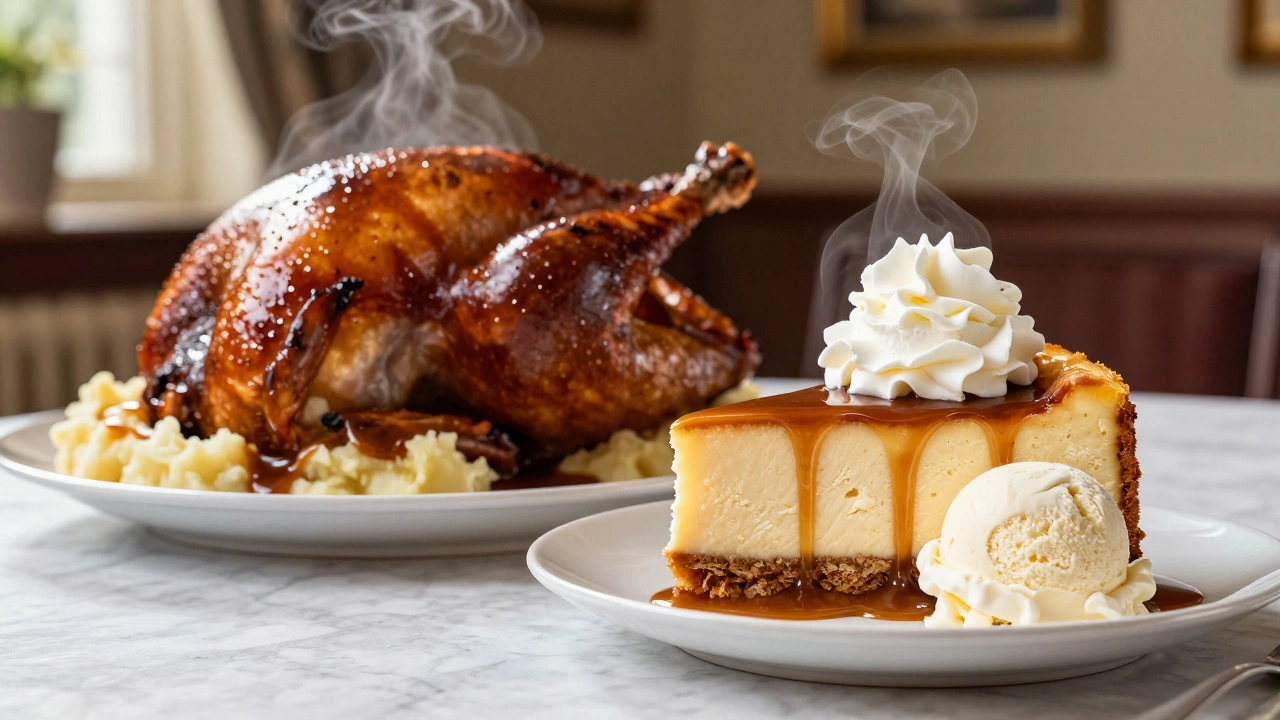
When you think of side dishes, you probably picture mashed potatoes, coleslaw, or roasted veggies. But in many homes-especially during holidays or family dinners-the real side dish isn’t on the plate next to the main course. It’s the dessert. And not just any dessert. The kind that comes with a mountain of whipped cream, a drizzle of caramel, and a scoop of ice cream melting into a warm brownie. That’s not dessert. That’s a nutritional landmine disguised as celebration.
The Real Culprit: Layered Desserts
Among all dessert recipes, the most unhealthy side dish isn’t just one thing-it’s the layered dessert. Think tiramisu, cheesecake with graham cracker crust, chocolate lava cake with vanilla bean ice cream, or even something as simple as a banana split. These aren’t just sweet treats. They’re engineered to overload your system with sugar, saturated fat, and refined carbs-all in one bite.
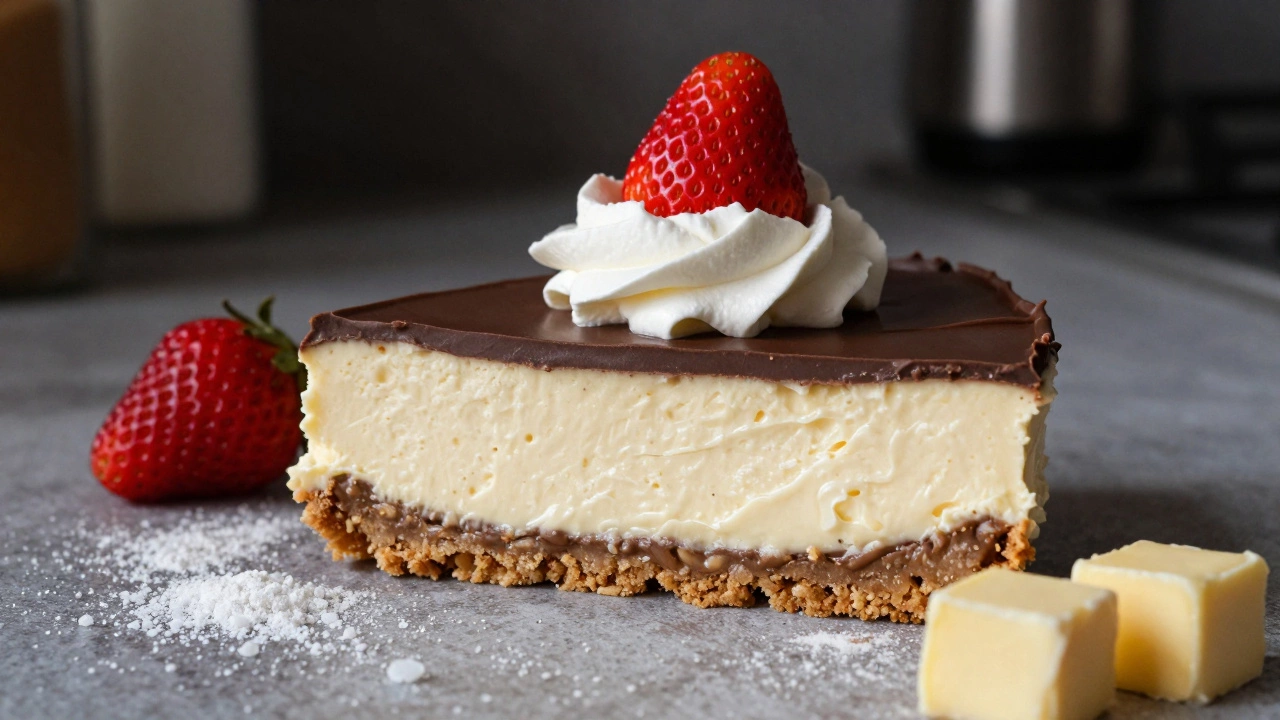
A typical slice of New York-style cheesecake contains around 550 calories, 35 grams of fat (20 of them saturated), and 38 grams of sugar. Add a dollop of whipped cream (100 calories, 6g fat) and a scoop of premium ice cream (270 calories, 14g fat, 25g sugar), and you’ve just consumed over 900 calories and 60 grams of sugar. That’s more than the daily sugar limit recommended by the World Health Organization for an entire day.
And it’s not just about calories. These desserts are low in protein and fiber, meaning they spike your blood sugar fast and crash it hard. You feel sluggish, crave more sugar, and end up eating even more. It’s a cycle built into the recipe.
Why Dessert Is Treated Like a Side Dish
Why do we treat dessert like a side dish? Because it’s served alongside the meal. It’s not the main event-it’s the afterthought. That’s the trick. We don’t count it. We don’t think of it as a full meal component. But nutritionally, it’s the heaviest part.
In Australia, where I live, the average person consumes about 60 grams of added sugar every day. That’s 15 teaspoons. Half of that comes from desserts and sweet snacks. And it’s not because we’re eating candy bars. It’s because we’re having a slice of cake with lunch, a pudding after dinner, and cookies with afternoon tea. These aren’t occasional treats. They’re daily habits disguised as tradition.
Look at holiday meals. Turkey, stuffing, gravy, roast potatoes-and then, a towering pumpkin pie with whipped cream. People don’t say, “I’m having dessert.” They say, “I’ll just have a little slice.” But that “little slice” is often the most calorie-dense thing on the table.
What Makes a Dessert Unhealthy? The Hidden Ingredients
It’s not just sugar. It’s the combination. Here’s what makes most classic dessert recipes so damaging:
- Refined white sugar-rapidly absorbed, causes insulin spikes, contributes to fatty liver disease.
- Hydrogenated oils or butter-high in trans and saturated fats, linked to heart disease.
- Heavy cream and full-fat dairy-adds saturated fat without balancing nutrients.
- Processed flour-stripped of fiber, turns to sugar in your body just like table sugar.
- Artificial flavorings and preservatives-common in store-bought desserts, linked to inflammation.
Even “healthy” versions of these desserts often trick you. A “gluten-free” brownie still has sugar, butter, and chocolate. A “low-fat” cheesecake replaces fat with sugar and thickeners. The calories don’t disappear-they just hide.
The Real Impact: More Than Just Weight Gain
People think the worst part of these desserts is gaining weight. But the real damage is quieter. Chronic high sugar intake from daily desserts leads to:
- Insulin resistance-your body stops responding to insulin properly, increasing risk of type 2 diabetes.
- Chronic inflammation-linked to arthritis, heart disease, and even depression.
- Fatty liver disease-even in people who aren’t overweight. Your liver turns excess sugar into fat.
- Dental decay-sugar feeds the bacteria in your mouth that erode enamel.
- Brain fog and mood swings-blood sugar roller coasters affect focus and emotional stability.
A 2023 study from the University of Melbourne tracked 1,200 adults over two years. Those who ate dessert daily (even just a small slice) had a 37% higher risk of developing metabolic syndrome compared to those who had dessert once a week or less. The difference wasn’t about portion size. It was about frequency.
What’s the Alternative? Redefining the Side Dish
You don’t have to give up dessert. But you do need to stop treating it like a side dish. Here’s how to fix it:
- Move it off the plate. Serve dessert separately, after the meal has cleared. This creates a mental pause. You’re more likely to savor it, not shovel it.
- Choose one element. Skip the layered monstrosities. Pick one thing: a small scoop of dark chocolate ice cream, a single fruit tart, or a square of 85% dark chocolate. No whipped cream. No sauce.
- Use whole food sweetness. Try baked apples with cinnamon, grilled peaches with a sprinkle of sea salt, or frozen grapes. They satisfy the sweet tooth without the crash.
- Make it a weekly ritual, not a daily habit. If you’re going to have a rich dessert, make it intentional. Save it for Friday night. Don’t let it sneak in on Tuesday because “it’s a special occasion.”
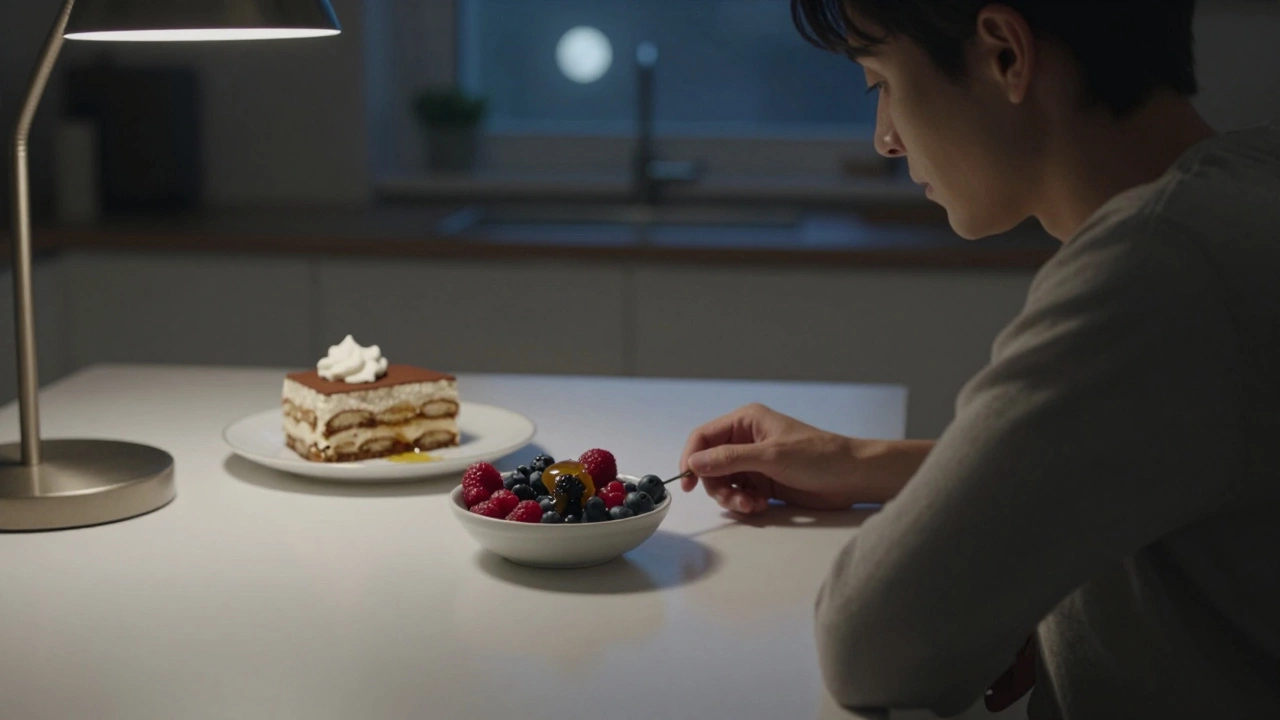
One of my friends switched from having tiramisu after every Sunday dinner to having a small bowl of mixed berries with a drizzle of honey once a week. She lost 12 pounds in six months-not by dieting, but by removing the daily sugar bomb from her routine.
Final Thought: It’s Not the Dessert. It’s the Habit.
The most unhealthy side dish isn’t the dessert itself. It’s the belief that it’s harmless because it’s “just a little something.” That mindset lets you ignore the cumulative damage. One slice a day adds up to 365 slices a year. That’s 200,000 extra calories. That’s 50 pounds of fat.
Food is culture. Food is comfort. But comfort shouldn’t cost you your health. You can still enjoy dessert. Just don’t let it be the side dish that steals your energy, your focus, and your future.
Is chocolate cake the most unhealthy dessert?
Chocolate cake isn’t the worst by itself-it’s what’s added to it. A basic chocolate cake has sugar, flour, butter, and eggs. But when you top it with buttercream frosting, chocolate ganache, and whipped cream, the sugar and fat jump dramatically. Layered desserts like chocolate lava cake with ice cream and caramel sauce are far worse. The cake is the base, but the extras make it unhealthy.
Are store-bought desserts worse than homemade?
Usually, yes. Store-bought desserts often contain hydrogenated oils, high-fructose corn syrup, artificial flavors, and preservatives to extend shelf life. Homemade versions can be better if you control the ingredients, but many people still use the same high-sugar, high-fat recipes. The problem isn’t always where it comes from-it’s what’s in the recipe.
Can I eat dessert and still be healthy?
Absolutely-but not daily. Healthy eating includes occasional treats. The key is frequency and portion. One small dessert per week, made with real ingredients and no extras, fits into a healthy lifestyle. Daily desserts, even small ones, turn into a health risk over time.
What’s a healthier alternative to cheesecake?
Try a Greek yogurt parfait layered with berries and a sprinkle of granola. Use plain, unsweetened Greek yogurt (high in protein), fresh fruit for natural sweetness, and a tiny drizzle of honey if needed. It’s creamy, satisfying, and packed with nutrients instead of empty calories.
Why do people keep eating unhealthy desserts even when they know they’re bad?
Sugar triggers dopamine in the brain-the same reward pathway as drugs. That’s why a bite of cake feels so good. Combine that with cultural habits (dessert after dinner), emotional comfort, and social pressure, and it’s hard to break. It’s not weakness-it’s biology and environment working together.
If you want to feel better, sleep better, and have more energy, start by treating dessert like a rare treat-not a side dish. Your body will thank you.