
Fast Food Protein Cost Calculator
Compare the cost and savings between Chicken Nuggets, Beef Burgers, and French Fries based on average unit prices.
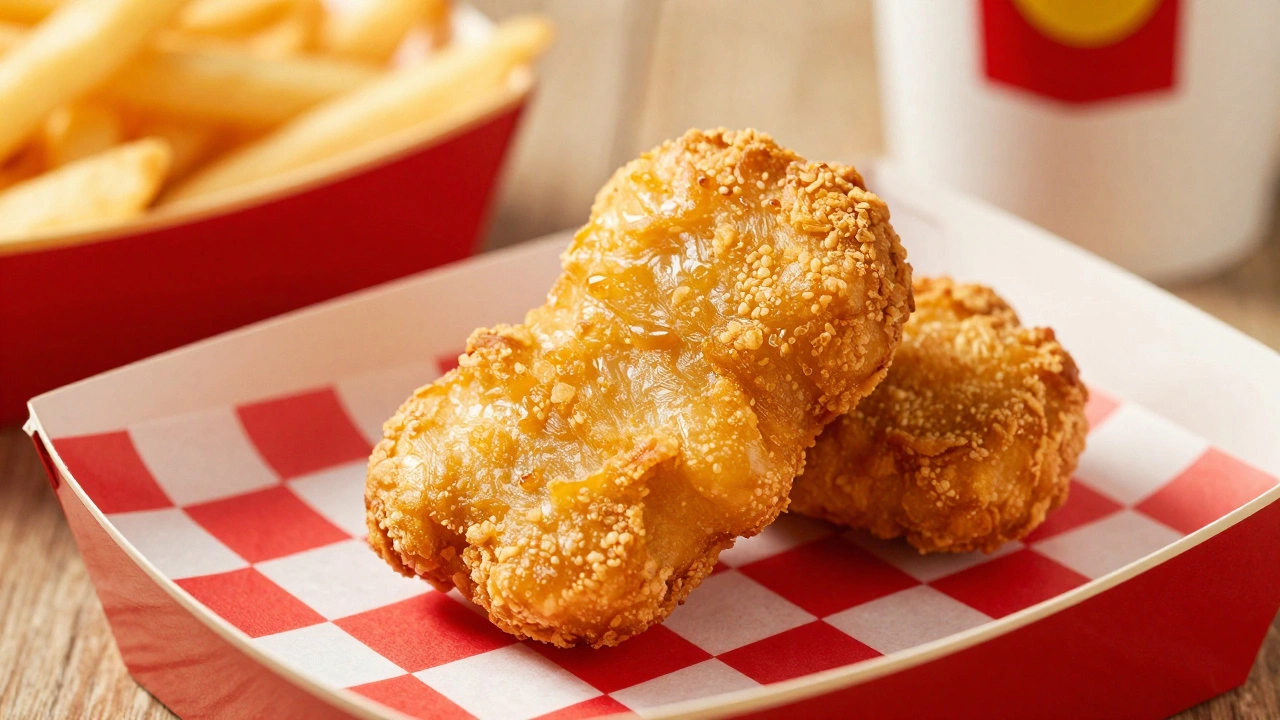
You might guess it’s the Big Mac. Or maybe the Quarter Pounder. Perhaps it’s the classic cheeseburger that built the industry. But if you look at the raw numbers of individual items sold across the United States every single year, the winner isn’t a burger at all. It is a small, bite-sized piece of breaded poultry. The chicken nugget is the undisputed champion of American fast food sales.
This fact often surprises people who think of burgers as the heart of the drive-thru culture. However, when you break down the data from major chains like McDonald's, Chick-fil-A, and KFC, the sheer volume of chicken products-specifically nuggets and tenders-outpaces beef patties. This dominance tells us something interesting about how Americans eat: we want convenience, consistency, and mild flavors that appeal to everyone, from toddlers to grandparents.
The Numbers Behind the Bite
To understand why chicken reigns supreme, we have to look at the scale of consumption. According to industry reports from the National Chicken Council, Americans consume approximately 9.5 billion pounds of chicken annually. That averages out to roughly 100 pounds per person. While this includes whole birds and roasts, a massive portion of that weight comes from processed, quick-service items.
McDonald’s alone sells billions of chicken McNuggets each year. If you laid them end-to-end, they would stretch far beyond the moon. But McDonald’s isn’t the only player. Chick-fil-A, which has seen explosive growth over the last decade, relies almost entirely on chicken sandwiches and nuggets for its revenue. In recent years, Chick-fil-A has consistently ranked as one of the highest-grossing fast-food chains in the U.S., driven by a menu that doesn’t even feature a burger.
When you combine the sales figures from these giants, along with smaller regional chains and grocery store deli counters selling pre-cooked nuggets, the total number of units sold dwarfs any other single fast-food item. Burgers are popular, but they are often part of a combo meal where fries and drinks take up significant shelf space and consumer attention. Nuggets, however, are frequently bought in large quantities as standalone snacks or party platters.
Why Chicken Beats Beef
So, what makes chicken so much more sellable than beef? It comes down to three main factors: cost, perception, and versatility.
First, there is the price tag. Poultry farming is generally more efficient than cattle ranching. Chickens grow faster and require less land and feed per pound of meat produced. This efficiency translates to lower costs for restaurants, allowing them to keep prices low. For budget-conscious families, a box of ten nuggets is often cheaper than a single burger meal. In an economy where disposable income fluctuates, value plays a huge role in repeat purchases.
Second, there is the health perception. Even though deep-fried food isn’t exactly a salad, chicken is widely viewed as "leaner" than beef. Many consumers believe that switching from a fatty burger to a chicken sandwich or nuggets is a healthier choice. This psychological win allows people to indulge in fast food without feeling as guilty. Chains have capitalized on this by marketing grilled options alongside their fried classics, further cementing chicken’s reputation as the "better" fast-food protein.
Third, chicken is incredibly versatile. You can fry it, grill it, bake it, or shred it. It absorbs marinades well and has a mild flavor that doesn’t overpower sauces. This means restaurants can offer spicy buffalo wings, sweet honey-mustard dips, or tangy barbecue glazes without changing the core product. A burger, by contrast, has a stronger inherent flavor that limits how much you can experiment with toppings before it becomes unbalanced.
| Item | Avg. Unit Price | Preparation Speed | Consumer Perception |
|---|---|---|---|
| Chicken Nuggets | $0.40 - $0.60 | Very Fast (Frozen) | Kid-friendly, Safe |
| Beef Burger | $1.50 - $3.00 | Medium (Fresh Cook) | Hearty, Indulgent |
| French Fries | $0.30 - $0.80 | Fast (Fryer) | Essential Side |
The Rise of the Premium Chicken Sandwich
While nuggets hold the title for unit sales, the trend in recent years has shifted toward the chicken sandwich. This shift started around 2019 when Popeyes launched its spicy chicken sandwich, sparking a nationwide frenzy. Other chains rushed to copy the concept, leading to a temporary surge in chicken sandwich popularity.
This trend shows that while Americans love nuggets, they are also willing to pay more for a perceived upgrade. The chicken sandwich offers a different eating experience-it’s messier, requires two hands, and feels more like a substantial meal than a snack. However, despite the hype, the sandwich hasn’t dethroned the nugget in terms of pure volume. Why? Because nuggets are easier to eat on the go, safer for kids who might choke on larger pieces, and easier to share.
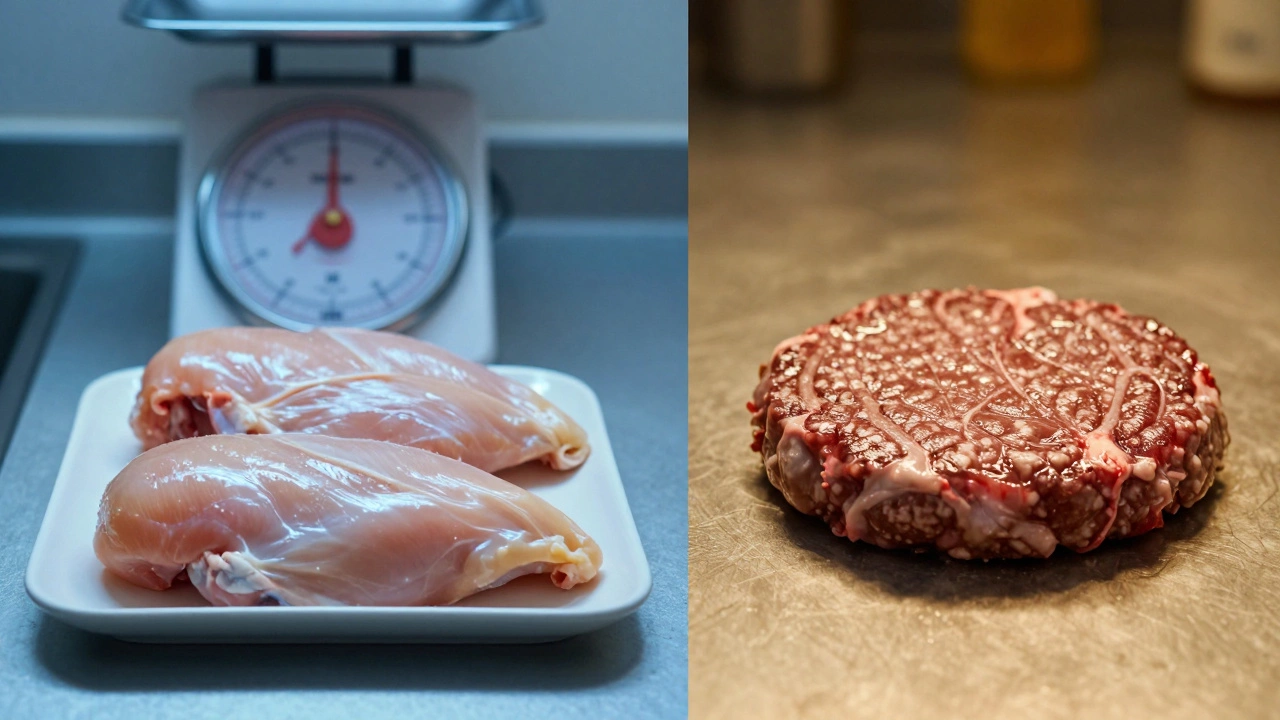
Moreover, the supply chain for nuggets is highly optimized. They are typically made from mechanically separated chicken or ground meat, which allows manufacturers to use every part of the bird efficiently. This reduces waste and keeps production costs stable. Sandwiches, on the other hand, often require whole breast fillets, which are more expensive and subject to greater price volatility.
Global Influence and Cultural Shifts
It’s worth noting that the dominance of chicken in America isn’t just a local phenomenon. Globally, chicken is the most consumed meat. In many cultures, religious dietary restrictions limit the consumption of pork or beef, making chicken a universal option. As global cuisines influence American palates, dishes like Korean fried chicken and Indian butter chicken have gained traction. These fusion styles introduce new flavors to the familiar comfort of fried chicken, keeping the category fresh and exciting.
In Australia, where I live, we see similar trends. While meat pies and sausages remain staples, chicken schnitzels and nuggets are ubiquitous in school canteens and fast-food outlets. The global nature of chicken consumption ensures that innovations in one market quickly spread to others. When a new dipping sauce takes off in New York, it’s likely to appear in Melbourne within months.
Health Concerns and Future Trends
Despite its popularity, the future of fast-food chicken faces challenges from growing health consciousness. Consumers are increasingly reading labels and worrying about processed ingredients. Traditional nuggets contain fillers, preservatives, and high levels of sodium. In response, major chains are reformulating their recipes. Some now offer air-fried options or use simpler ingredient lists to appeal to health-aware buyers.
Plant-based alternatives are also entering the arena. Companies like Beyond Meat and Impossible Foods have created plant-based chicken strips and nuggets. While these products are still niche compared to real chicken, their presence signals a shift in consumer expectations. If the demand for sustainable, plant-based proteins continues to grow, we may see a gradual decline in traditional chicken nugget sales over the next decade.
However, don’t expect chicken to disappear anytime soon. Its combination of affordability, familiarity, and taste makes it resilient. Even as diets evolve, the basic desire for crispy, salty, savory bites remains strong. The question isn’t whether chicken will stay popular, but how it will adapt to meet changing health standards and environmental concerns.
How to Make Better Nuggets at Home
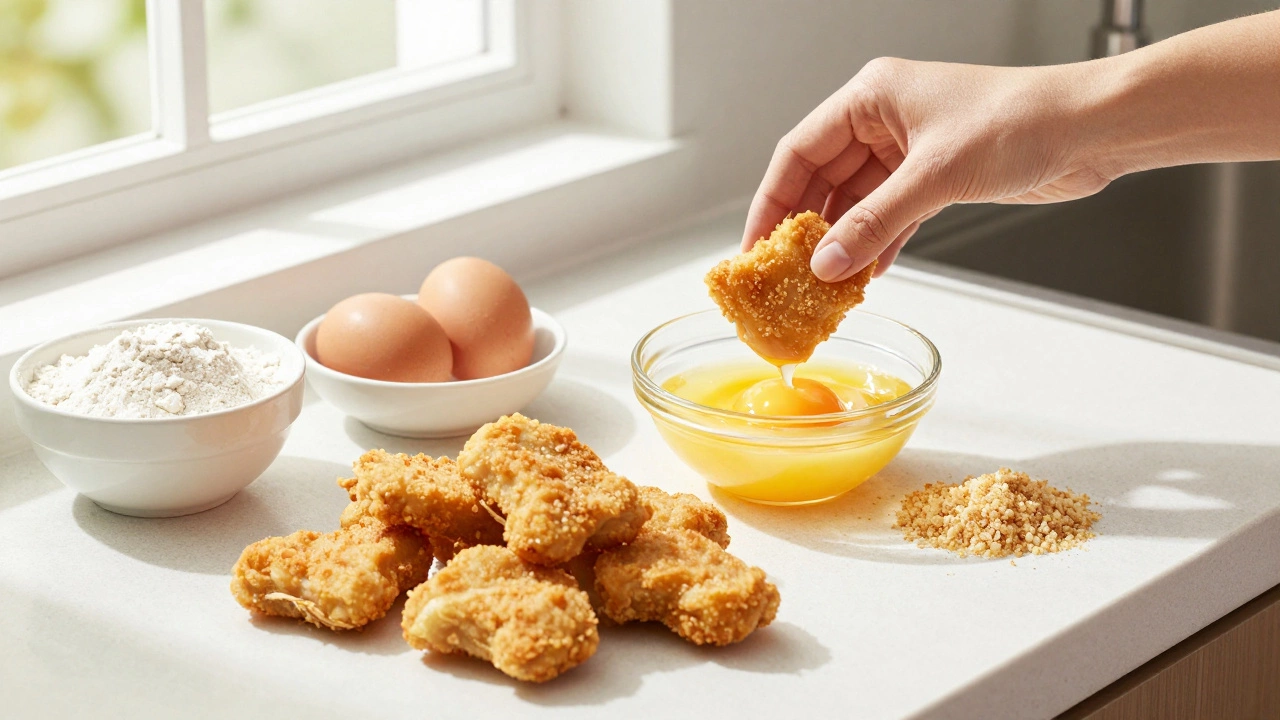
If you’re intrigued by the popularity of nuggets but worried about the additives in fast-food versions, you can make healthier versions at home. The process is simple and gives you control over the ingredients. Here’s a basic method:
- Choose Quality Meat: Use boneless, skinless chicken breasts or thighs. Cut them into uniform, bite-sized pieces.
- Create a Dredge Station: Set up three bowls. One with flour seasoned with salt, pepper, and paprika. One with beaten eggs. One with breadcrumbs or crushed cornflakes for crunch.
- Bread the Chicken: Dip each piece in flour, then egg, then breadcrumbs. Press firmly to ensure the coating sticks.
- Cook Smart: For a healthier option, bake them in the oven at 400°F (200°C) for 15-20 minutes until golden brown. For extra crispiness, broil for the last 2 minutes. Alternatively, air-frying yields results close to deep-frying with significantly less oil.
This approach lets you enjoy the same satisfaction as fast food without the hidden sugars or artificial preservatives. Plus, you can experiment with spices like garlic powder, onion powder, or cayenne for added flavor.
Is chicken really the most sold fast food item?
Yes, in terms of individual units sold, chicken nuggets and tenders outsell burgers. While burgers may generate higher revenue per item, the volume of chicken pieces sold across all major chains is significantly higher due to their lower price point and appeal to children.
Why do people prefer chicken over beef in fast food?
Chicken is generally cheaper to produce, perceived as healthier due to being leaner, and has a milder flavor that appeals to a wider range of tastes, including picky eaters and children.
Are fast-food chicken nuggets healthy?
Traditional fast-food nuggets are considered processed foods and can be high in sodium, saturated fats, and additives. However, many chains now offer baked or grilled options, and homemade versions allow for better control over ingredients.
Which fast-food chain sells the most chicken?
McDonald's sells the highest volume of chicken nuggets globally. However, Chick-fil-A generates the most revenue specifically from chicken products, as its entire menu is chicken-based.
Will plant-based chicken replace real chicken?
Plant-based alternatives are growing in popularity but currently represent a small fraction of the market. While they may capture a significant niche, especially among environmentally conscious consumers, real chicken remains the dominant choice for the majority of fast-food customers.