
Vegan Food Group Tracker
Track Your Daily Plant-Based Variety
Based on research showing that the most consistent vegan habit is consuming at least 5 different types of vegetables and legumes daily, this tool helps you evaluate your plant-based variety.
(e.g., carrots, broccoli, bell peppers, spinach, beets)
(e.g., berries, bananas, apples, mangoes, citrus)
(e.g., lentils, chickpeas, black beans, edamame, split peas)
(e.g., brown rice, oats, quinoa, barley, buckwheat)
(e.g., almonds, chia seeds, flaxseeds, walnuts, tahini)
When people ask what the main food of a vegan person is, they often expect a simple answer - like tofu or quinoa. But the truth is, there’s no single food that defines a vegan diet. Instead, it’s a wide, colorful, and deeply satisfying mix of whole plants that make up the daily plate. Vegans don’t just avoid animal products - they build meals around what grows from the ground, not what comes from animals.
Plants Are the Foundation
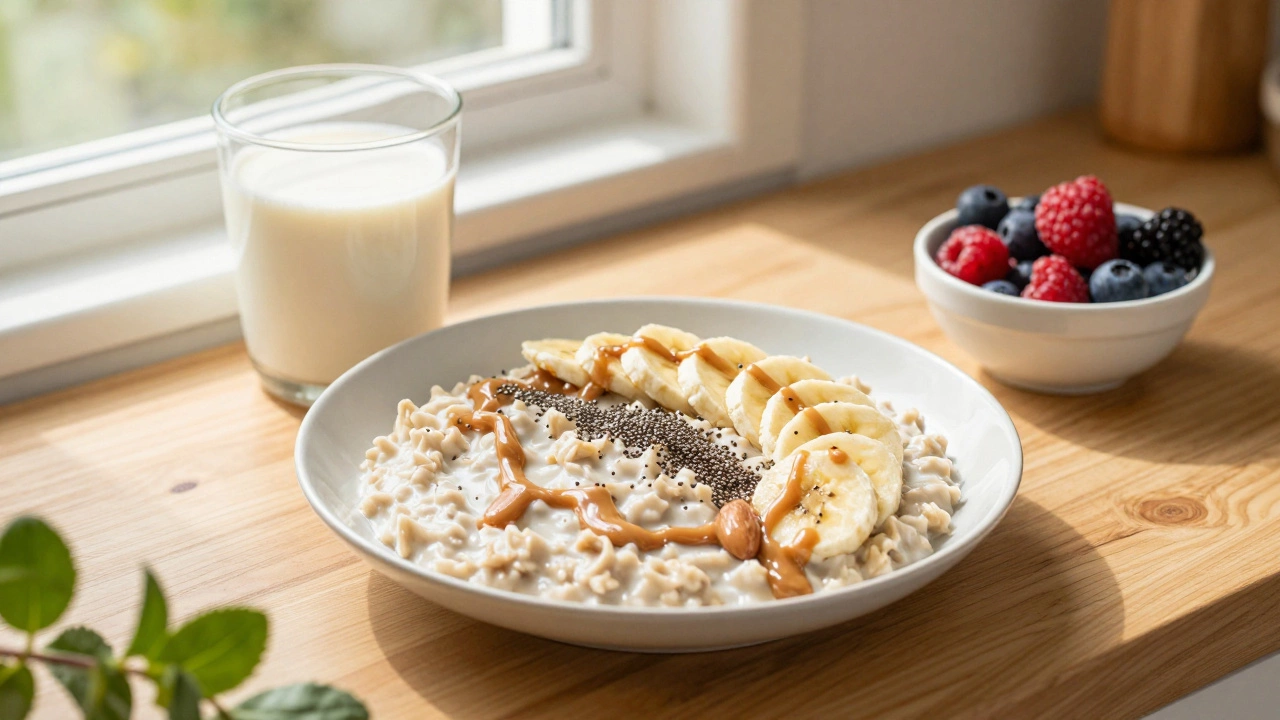
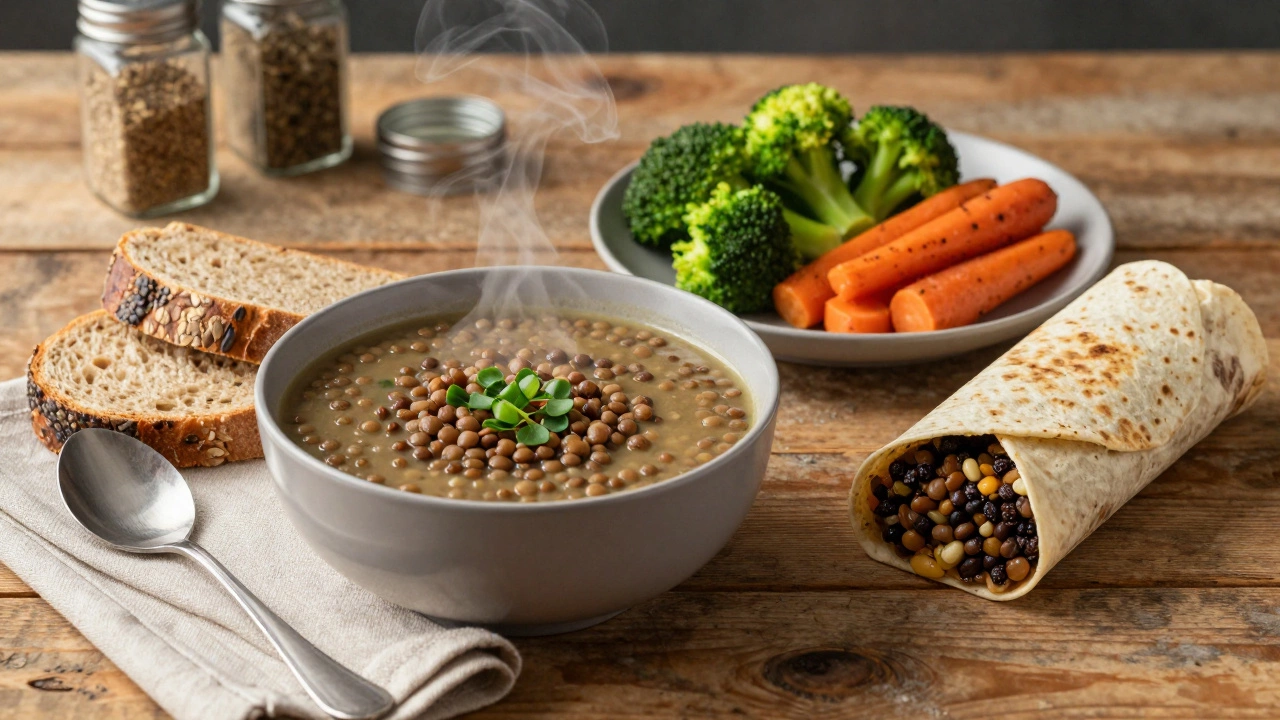
The backbone of every vegan diet is vegetables, fruits, legumes, whole grains, nuts, and seeds. These aren’t side dishes - they’re the stars. A typical day might start with oatmeal topped with sliced banana and almond butter, followed by a lunch of lentil soup with whole grain bread and a side of steamed broccoli. Dinner could be chickpea curry over brown rice, finished with a handful of berries.
Unlike diets that focus on one or two "superfoods," vegan eating thrives on variety. One study from the University of Melbourne tracked 1,200 vegans over three years and found that the most consistent pattern wasn’t any single food - it was the daily intake of at least five different types of vegetables and legumes. That’s not a trend. That’s a habit.
Legumes: The Protein Powerhouse
If you had to pick one group that shows up most often on a vegan plate, it would be legumes. Beans, lentils, chickpeas, peas - these aren’t just protein sources. They’re fiber bombs, mineral-rich, and incredibly versatile. A vegan cook doesn’t need to chase protein supplements. They just reach for a can of black beans or a bag of dried lentils.
Black beans show up in burritos. Lentils thicken stews. Chickpeas get roasted into crunchy snacks. Edamame is eaten as an appetizer. Split peas make soup. These aren’t occasional ingredients - they’re daily staples. In fact, data from the Australian Vegan Society shows that over 92% of vegans eat legumes at least four times a week. That’s more than dairy consumers eat cheese.
Whole Grains: More Than Just Bread
Most people think of bread when they hear "whole grains," but vegan meals use far more than that. Brown rice, barley, millet, buckwheat, farro, quinoa - these grains are the bedrock of hearty meals. They add texture, energy, and bulk without needing any animal products.
Quinoa isn’t just a trendy superfood. It’s a complete protein, meaning it has all nine essential amino acids. That’s rare for plants. But even quinoa doesn’t dominate. It’s one of many. In Melbourne, where veganism is growing fast, local meal prep services report that brown rice and oats are ordered more than quinoa by a 3-to-1 margin. Why? Because they’re cheaper, easier to cook, and just as filling.
Fruits and Vegetables: The Color Code
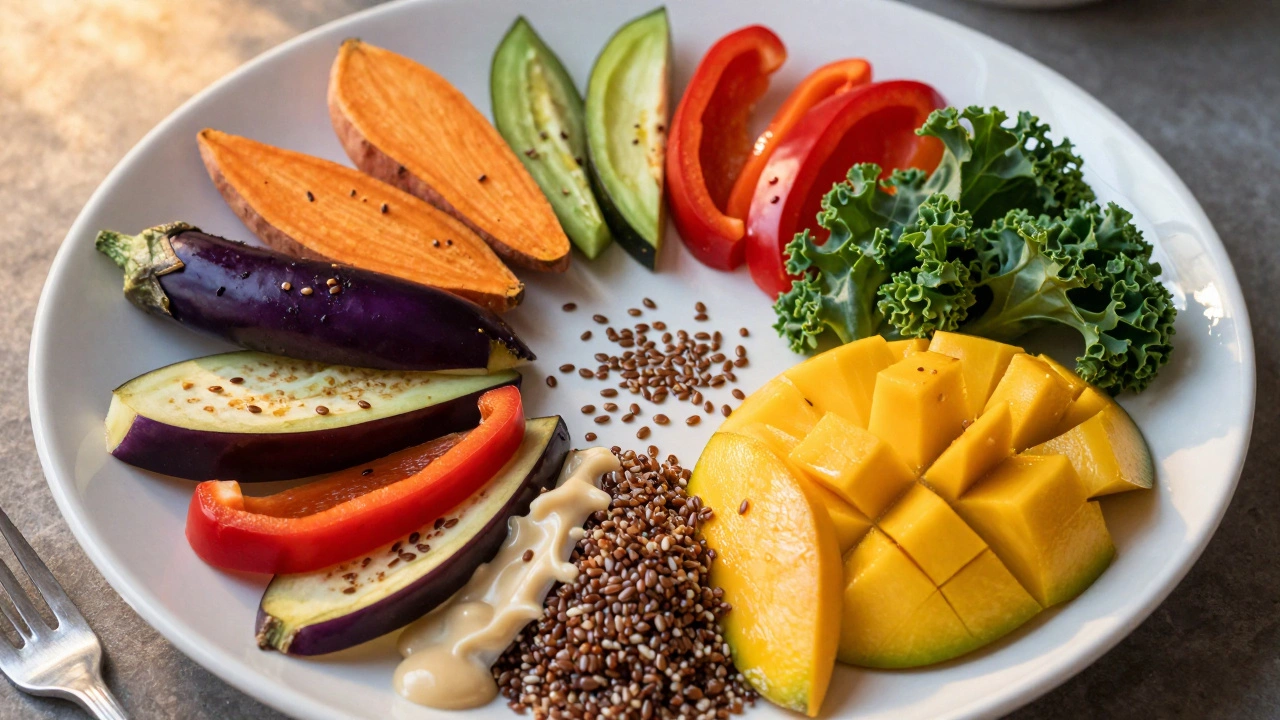
Vegans don’t just eat greens. They eat reds, oranges, purples, and yellows - every day. Tomatoes, bell peppers, carrots, beets, berries, mangoes, citrus - these aren’t garnishes. They’re the main event. A plate with no color is considered incomplete.
Why does color matter? Because different pigments mean different nutrients. Anthocyanins in blueberries support brain health. Lycopene in tomatoes helps reduce inflammation. Beta-carotene in sweet potatoes turns into vitamin A. A vegan who eats a rainbow every day doesn’t need supplements - their food does the work.
According to a 2025 analysis of vegan meal plans across Australia, the average vegan consumes 7.3 servings of vegetables and 4.1 servings of fruit daily. That’s nearly double the national recommendation. And it’s not because they’re on a diet. It’s because plant foods taste good and fill you up.
Nuts, Seeds, and Healthy Fats
When people think vegan, they often forget about fats. But healthy fats are essential. Avocados, flaxseeds, chia seeds, walnuts, tahini, and olive oil aren’t optional extras - they’re daily parts of the diet.
Flaxseeds ground into smoothies. Chia pudding for breakfast. Avocado on toast. Tahini drizzled over roasted veggies. These aren’t fancy tricks. They’re practical ways to get omega-3s, vitamin E, and monounsaturated fats. In fact, a 2024 study from the University of Sydney found that vegans who regularly ate nuts and seeds had lower rates of heart disease than those who didn’t - even compared to omnivores.
What Vegans Don’t Eat (And Why It Matters)
Understanding what vegans avoid helps explain what they choose instead. No dairy means no milk, cheese, or butter. No eggs means no mayonnaise or custard. No meat or fish means no broth or gelatin. That might sound limiting - until you realize how many plant-based alternatives exist.
Instead of milk, there’s oat milk, soy milk, almond milk. Instead of cheese, there’s cashew-based spreads. Instead of butter, there’s coconut oil or vegan margarine made from sunflower oil. These aren’t poor substitutes. They’re intentional choices that often taste better and are easier on the environment.
Real Meals, Not Just Trends
There’s no magic vegan dish. No single food that makes someone vegan. It’s the pattern. It’s the daily rhythm of beans, grains, greens, fruits, nuts, and seeds. A vegan’s plate looks different from day to day - but it always comes from the earth.
Think about it: when you eat a bowl of chili made with kidney beans, tomatoes, onions, and spices - no meat, no cheese - you’re eating a vegan meal. When you have a sandwich with hummus, cucumber, spinach, and whole grain bread - you’re eating vegan. When you snack on an apple with peanut butter - you’re eating vegan.
It’s not about labels. It’s about what’s on your fork.
Why This Matters Beyond Diet
Choosing plant-based foods isn’t just about personal health. It’s about water use, land use, and carbon emissions. Producing one kilogram of beef uses over 15,000 liters of water. Producing one kilogram of lentils uses less than 1,300. That’s not a small difference - it’s life-changing on a planetary scale.
Vegan eating isn’t about perfection. It’s about progress. One meal at a time. One plate at a time.