
Perfect Lunch Plate Calculator
Customize Your Meal
Select your ingredients to see how they fit the "Ideal Plate" method.
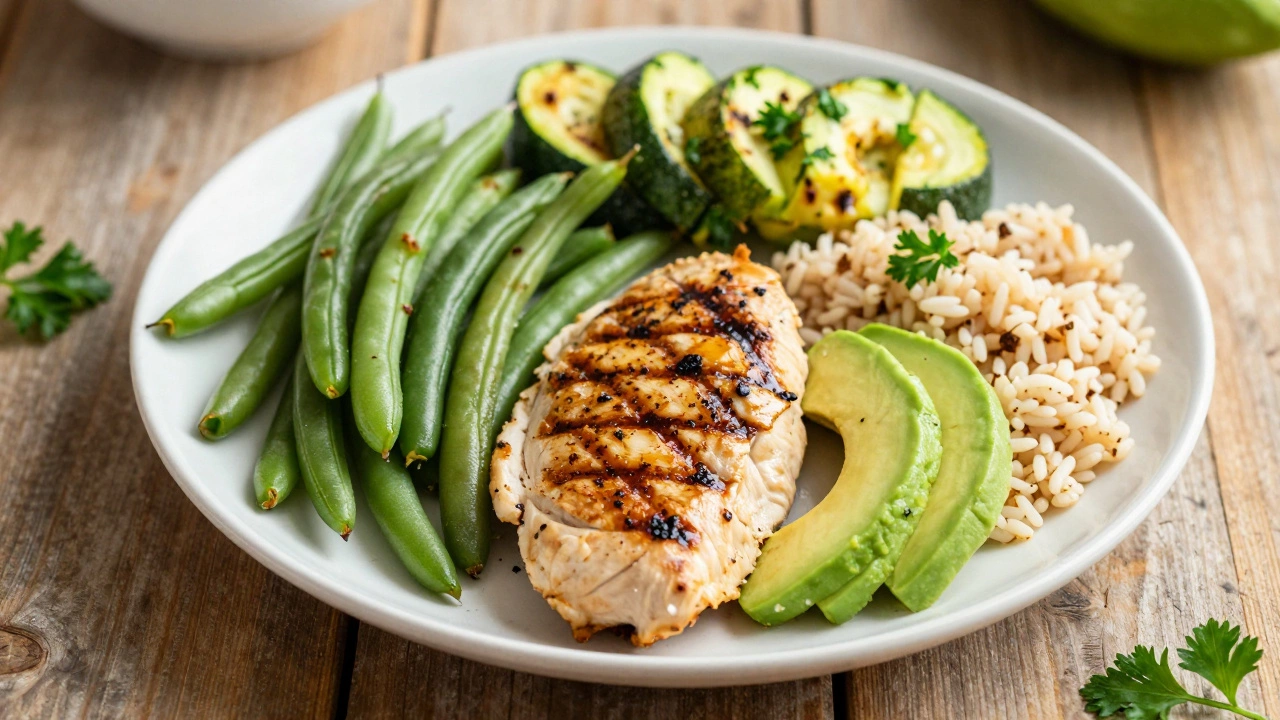
Visual representation of portions
It’s 12:30 PM. You’re staring at your fridge, or worse, scrolling through a delivery app with zero appetite and too many choices. You want something that won’t make you crash at 2:00 PM, but you also don’t have time to cook a three-course meal. This is the classic midday dilemma. But what actually makes a lunch "ideal"? It isn’t just about taste-though that helps. It’s about fueling your body for the second half of the day without the heavy, sluggish feeling that comes from overeating.
The perfect lunch balances energy, satisfaction, and convenience. In this guide, we’ll break down exactly how to build that ideal plate, whether you’re prepping meals in Melbourne on a Sunday night or grabbing something quick during a work break.
The Science Behind the Perfect Lunch
To understand what makes a meal ideal, you first need to look at the components. A truly balanced lunch relies on three main pillars: protein, fiber, and healthy fats. Carbohydrates play a role, but the type matters more than the amount.
Protein is the nutrient responsible for muscle repair and satiety. Without enough protein, you’ll feel hungry an hour after eating. Aim for sources like chicken breast, tofu, eggs, or Greek yogurt. These keep your blood sugar stable.
Fiber is equally critical. Found in vegetables, fruits, and whole grains, fiber slows down digestion. This means the energy from your lunch releases slowly, preventing that dreaded post-lunch slump where you can barely focus on your emails. Think leafy greens, berries, or quinoa.
Finally, healthy fats provide long-lasting energy. Avocados, nuts, seeds, and olive oil are excellent choices. They also help your body absorb fat-soluble vitamins like A, D, E, and K. When you combine these three elements, you create a meal that sustains you physically and mentally.
Top Contenders for the Ideal Lunch
So, what does this look like on a plate? Here are five specific meal types that consistently hit the nutritional mark while remaining delicious and easy to prepare.
- The Grain Bowl: Start with a base of brown rice, quinoa, or farro. Add roasted sweet potatoes, steamed broccoli, and chickpeas. Top with a tahini dressing. This combination offers complex carbs, plant-based protein, and healthy fats. It’s hearty, warming, and reheats well.
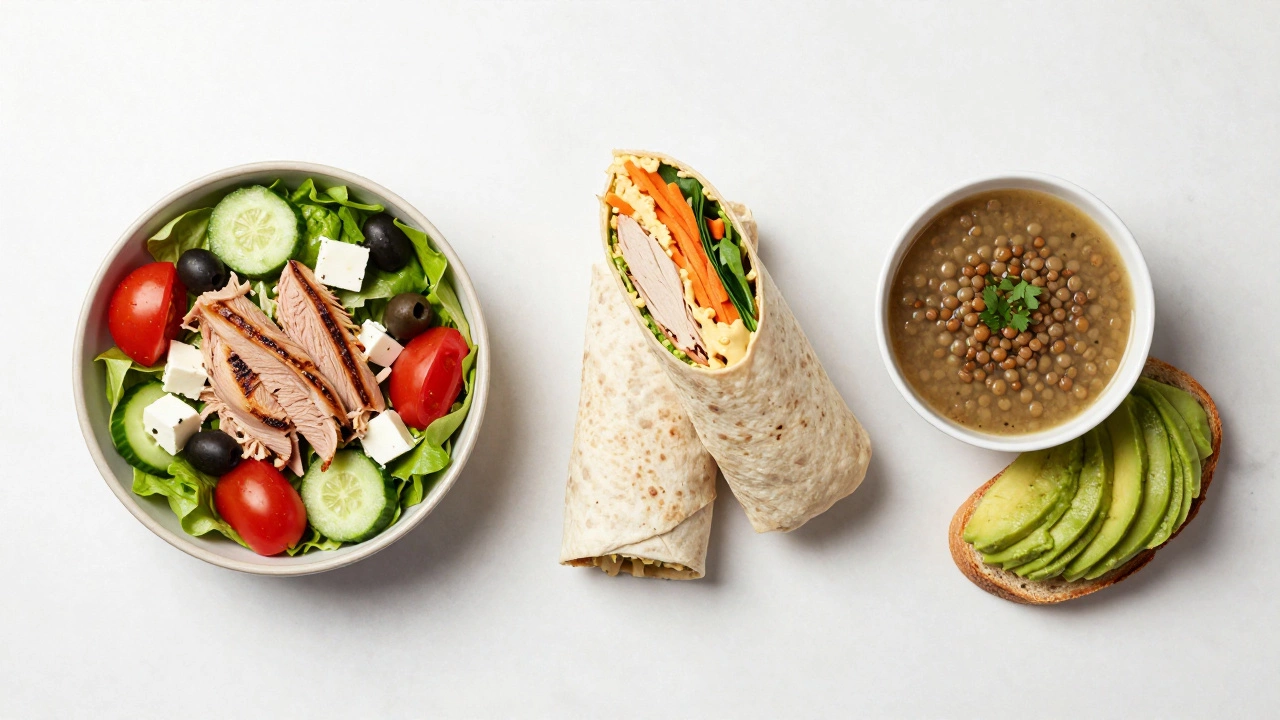
- The Mediterranean Salad: Forget sad office salads. A Mediterranean-style salad includes mixed greens, cucumbers, tomatoes, olives, feta cheese, and grilled chicken or tuna. Dress it with extra virgin olive oil and lemon juice. The high water content in the veggies keeps you hydrated, while the protein and fat keep you full.
- The Leftover Plate: Often overlooked, leftovers are efficient. If you cooked salmon and asparagus for dinner, pack them for lunch. Pair with a small side of wild rice. This reduces food waste and ensures you get a home-cooked quality meal without the morning effort.
- The Wrap Roll-Up: Use a whole wheat tortilla or large lettuce leaves. Fill with hummus, shredded carrots, spinach, and sliced turkey or falafel. Wraps are portable, require no utensils, and are easy to eat while walking between meetings.
- The Soup and Sandwich Combo: A bowl of lentil soup paired with a small avocado toast provides warmth and comfort. Lentils are packed with iron and fiber, making this a powerful option for colder days in Melbourne.
Building Your Plate: The Visual Guide
If you’re unsure about portions, use the "plate method." It’s simple and requires no measuring cups. Imagine your lunch plate divided into sections:
- Half the plate: Non-starchy vegetables. This could be a big salad, steamed green beans, or roasted zucchini. Volume eating allows you to eat more food while consuming fewer calories.
- One-quarter of the plate: Lean protein. This should be roughly the size of your palm. Chicken, fish, tofu, or beans fit here.
- One-quarter of the plate: Complex carbohydrates. Think sweet potato, brown rice, or whole-grain bread. Limit refined carbs like white bread or sugary crackers.
- A thumb-sized portion: Healthy fats. This could be a tablespoon of olive oil, a handful of almonds, or half an avocado.
This visual guide ensures you’re not missing any key nutrients. It prevents the common mistake of eating a carb-heavy lunch (like a plain sandwich) which leads to a sugar spike and subsequent crash.
| Meal Type | Satiety Level | Prep Time | Best For |
|---|---|---|---|
| Grain Bowl | High | 15 mins (or batch prep) | Energy stability |
| Mediterranean Salad | Medium-High | 10 mins | Hydration & freshness |
| Wrap | Medium | 5 mins | Portability |
| Soup & Toast | High | 10 mins (reheat) | Cold weather comfort |
Meal Prep Strategies for Busy Weekdays
Knowing what to eat is only half the battle. Getting it into your stomach when you’re busy is the other. Meal prepping doesn’t mean cooking five identical Tupperware containers. It means preparing components that can be mixed and matched.
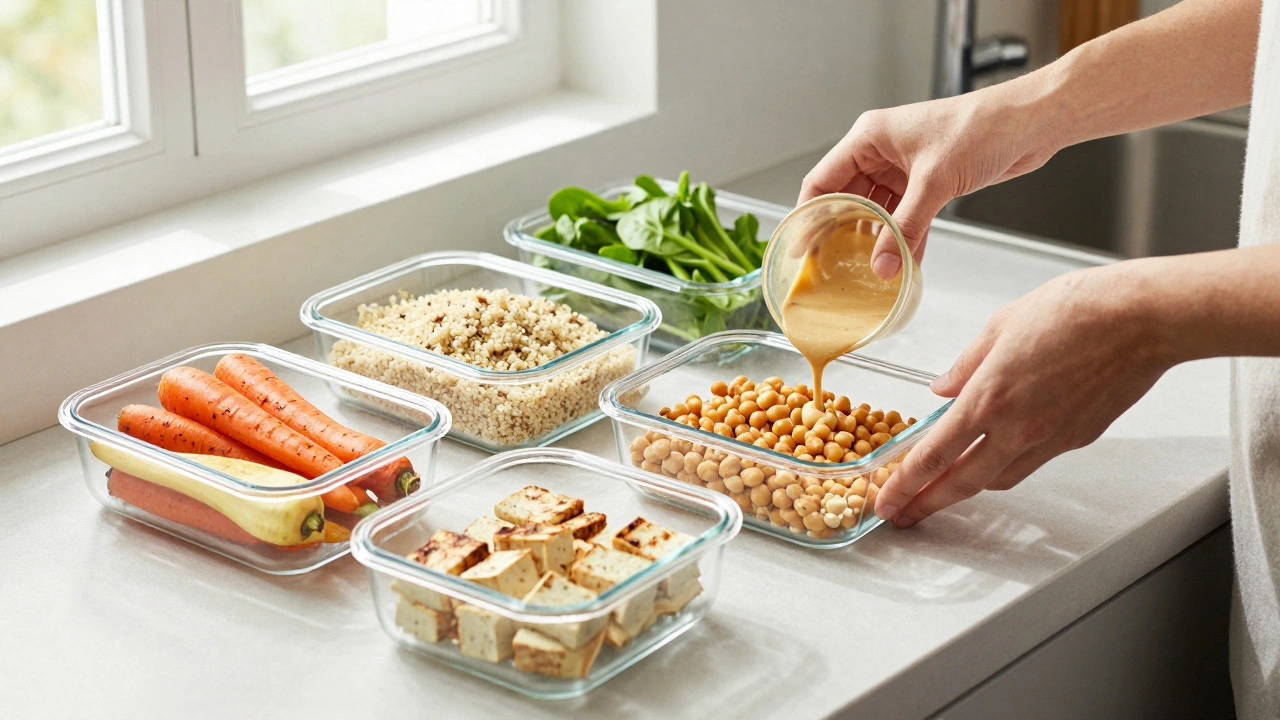
On Sunday, roast two trays of vegetables-one with root vegetables like carrots and parsnips, another with softer veggies like bell peppers and zucchini. Cook a batch of quinoa or brown rice. Grill four chicken breasts or bake a block of firm tofu. Store these separately in airtight containers.
During the week, assemble your lunch in minutes. Take a scoop of grain, add some veggies, top with protein, and drizzle with dressing. Keep dressings separate until lunchtime to prevent sogginess. This method keeps your meals interesting and reduces the monotony of eating the same thing every day.
If you’re not a fan of prepping, consider "assembly-only" lunches. Buy pre-washed greens, canned tuna or chickpeas, and pre-cut vegetables. These options save time while still providing fresh, nutritious ingredients. Just check the labels for added sodium or preservatives.
Common Lunch Mistakes to Avoid
Even with good intentions, it’s easy to sabotage your ideal lunch. Here are the most common pitfalls:
- Skipping Protein: Eating a fruit salad or a bagel alone might seem light, but it lacks staying power. You’ll be back at the snack drawer by 2:30 PM.
- Overdoing Refined Carbs: White bread, pasta, and pastries digest quickly, causing rapid spikes in blood sugar. Opt for whole grains instead.
- Ignoring Hydration: Sometimes thirst mimics hunger. Drink a glass of water before your lunch to ensure you’re eating because you’re hungry, not thirsty.
- Eating Too Fast: It takes about 20 minutes for your brain to register fullness. Slow down. Chew thoroughly. This improves digestion and helps you recognize when you’ve had enough.
Adapting to Different Lifestyles
The ideal lunch isn’t one-size-fits-all. Your activity level, dietary restrictions, and personal preferences all play a role.
If you’re vegetarian, ensure you’re combining complementary proteins. Rice and beans, hummus and pita, or lentils and whole wheat bread provide all essential amino acids. For vegans, watch your B12 intake; consider fortified foods or supplements if your diet lacks dairy and eggs.
For those following a low-carb approach, swap the grain component for extra non-starchy vegetables. Cauliflower rice, zucchini noodles, or a larger salad base works well. Increase your healthy fat intake slightly to maintain satiety.
If you have gluten sensitivities, stick to naturally gluten-free foods like rice, quinoa, potatoes, and fresh meats. Always verify labels on processed items like soy sauce or packaged snacks.
Final Thoughts on Finding Your Ideal Lunch
There’s no single magic meal. The ideal lunch is one that nourishes your body, fits your schedule, and tastes good to you. Experiment with different combinations. Pay attention to how you feel an hour after eating. Do you have sustained energy? Are you satisfied? If so, you’ve found a winner. Keep refining your approach until lunch becomes a source of strength rather than a daily struggle.
What is the healthiest lunch option?
The healthiest lunch combines lean protein, fiber-rich vegetables, and healthy fats. Examples include a Mediterranean salad with grilled chicken, a grain bowl with quinoa and roasted veggies, or a wrap with hummus and fresh greens. Avoid processed meats and refined sugars.
How do I avoid the post-lunch slump?
To avoid the afternoon energy crash, balance your macronutrients. Include protein and fiber to slow digestion and stabilize blood sugar. Limit heavy, carb-dense meals like large pasta portions or sugary desserts. Stay hydrated and take a short walk after eating to boost circulation.
Can I meal prep lunches for the entire week?
Yes, meal prepping is highly effective. Prepare grains, proteins, and roasted vegetables in bulk on Sunday. Store them separately and assemble each day to maintain freshness. Most cooked components last 4-5 days in the refrigerator. Keep dressings separate to prevent sogginess.
What are some quick lunch ideas for busy days?
Quick options include wraps with pre-made hummus and veggies, canned tuna or chickpea salads, leftover dinner plates, or soup with whole-grain bread. Keep pantry staples like nuts, seeds, and frozen berries on hand for easy additions.
Is it better to eat lunch hot or cold?
It depends on preference and season. Hot meals like soups and grain bowls are comforting in cooler weather and often easier to digest. Cold salads and wraps are refreshing in summer and require no reheating. Both can be equally nutritious if they contain balanced macronutrients.