
Pasta Health Selector
What is your primary goal?
Select a goal above to see recommendations.
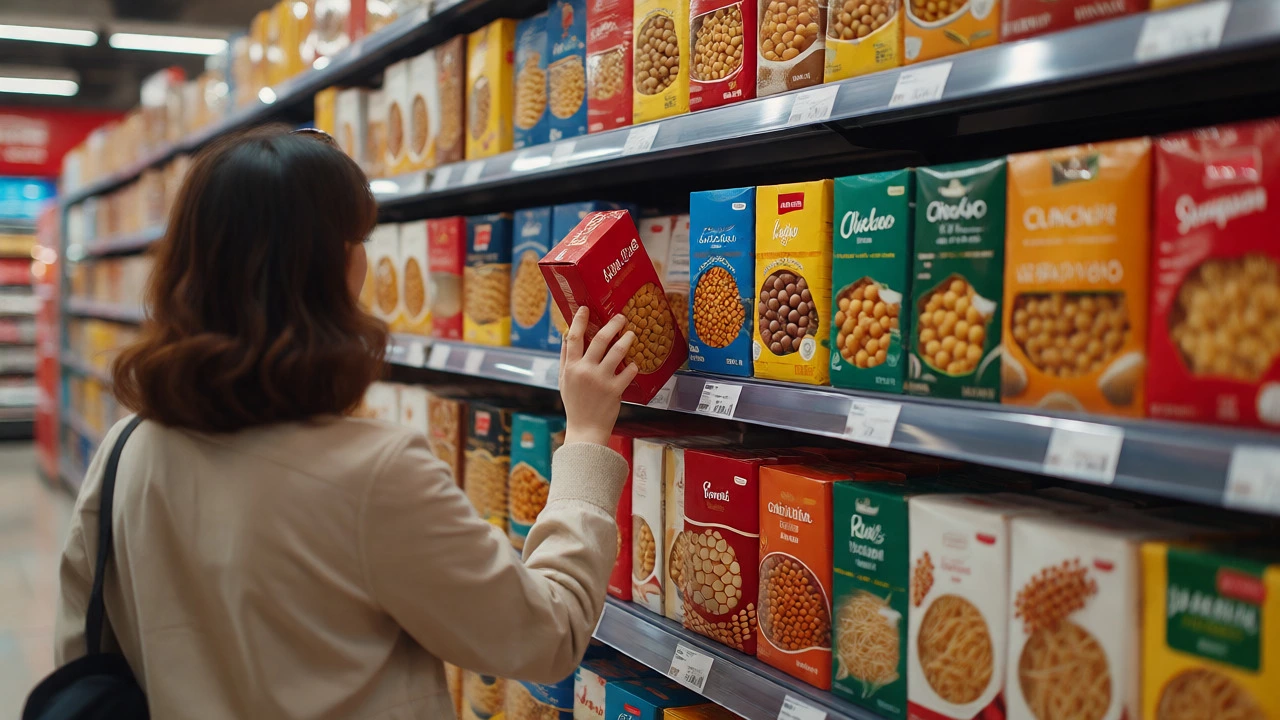
You’re standing in the aisle, staring at a wall of colorful boxes. Semolina, durum, chickpea, lentil, rice, konjac. The options are endless, and honestly, they’re confusing. You want that comforting bowl of spaghetti, but you also want it to actually fuel your body instead of just spiking your blood sugar and leaving you hungry an hour later. So, what is the healthiest pasta? It’s not a single winner for everyone, but there are clear contenders depending on your goals.
Most people think "healthy" means low calorie. But with pasta, the real game-changer is fiber and protein. Regular white pasta is essentially refined starch. It digests fast, which is fine if you’re about to run a marathon, but less ideal if you’re sitting at a desk. The healthiest options pack more nutrients into every bite without sacrificing that satisfying chew. Let’s break down the top choices so you can pick the right one for your next dinner.
The Case for Whole Wheat Pasta
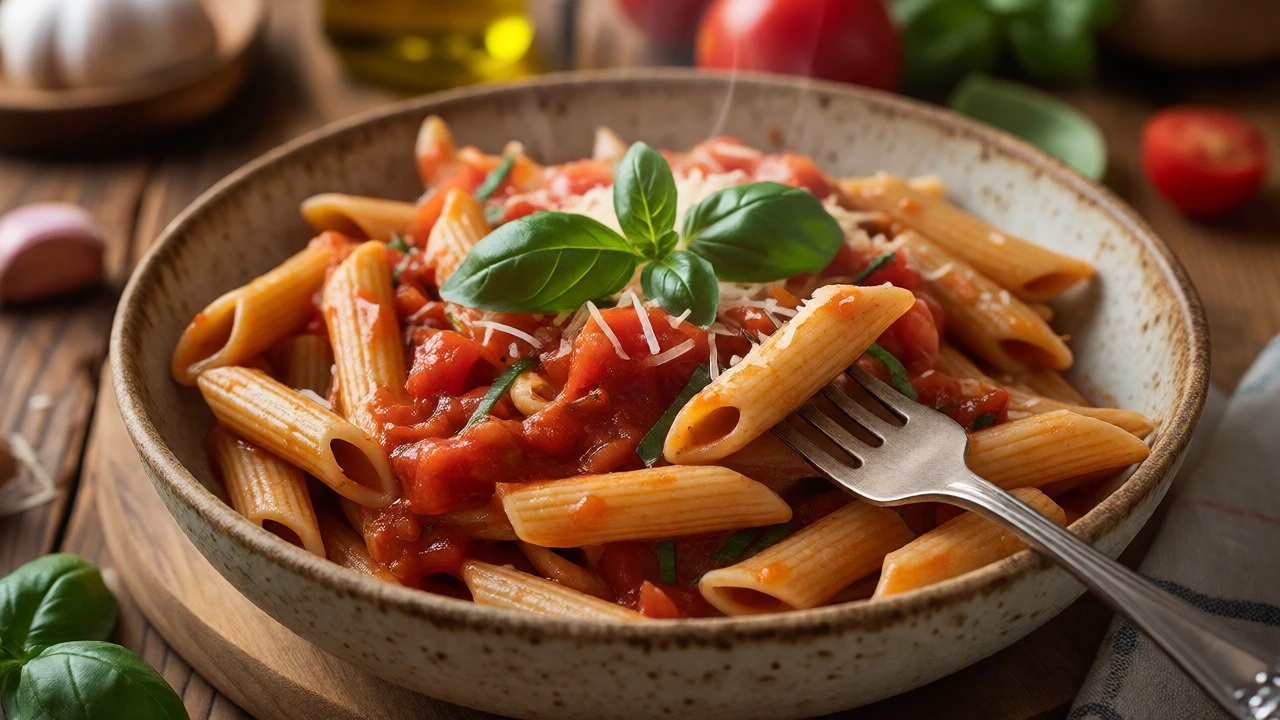
If you love traditional Italian food but want a nutritional upgrade, whole wheat pasta is the most accessible and widely accepted healthy alternative to refined semolina pasta. Unlike white pasta, which uses only the endosperm of the wheat grain, whole wheat pasta includes the bran and germ. This small change makes a massive difference in nutrient density.
Here’s why it works: the bran adds significant fiber. A typical serving of whole wheat penne has about 6-7 grams of fiber compared to 2-3 grams in white pasta. That extra fiber slows digestion, keeping you fuller for longer. It also provides B vitamins, iron, and magnesium, which get stripped out during the refining process of white flour. Taste-wise, modern whole wheat pasta has come a long way. It’s nuttier and denser, but if you cook it al dente and pair it with robust sauces like bolognese or pesto, you barely notice the difference.
Pro Tip: Don’t overcook it. Whole wheat pasta turns mushy faster than white pasta because the bran absorbs water differently. Pull it off the heat two minutes before the package says it’s done, then let it finish cooking in the sauce pan.
Legume-Based Pastas: The Protein Powerhouses
If you’re looking to boost your protein intake or manage blood sugar levels, legume pasta (made from lentils, chickpeas, or black beans) is a high-protein, high-fiber alternative derived entirely from pulses rather than grains. Brands like Barilla’s Protein+ or dedicated chickpea pastas have exploded in popularity, and for good reason.
Chickpea pasta, for example, contains nearly double the protein of regular pasta-around 13-14 grams per serving versus 7 grams. It’s also incredibly high in fiber, often hitting 8-10 grams per cup. This combination creates a very low glycemic response, meaning your energy stays stable instead of crashing. It’s naturally gluten-free, too, making it safe for those with celiac disease or sensitivity.
The downside? Texture and taste. Legume pasta cooks quickly and can become gummy if left in the pot too long. It also has an earthy, beany flavor that doesn’t pair well with delicate cream sauces. Stick to tomato-based sauces, spicy arrabbiata, or hearty vegetable mixes. If you’re new to this category, start with red lentil pasta, which tends to have the mildest flavor profile.
Gluten-Free Grains: Rice, Corn, and Quinoa
For those who must avoid gluten due to medical reasons, gluten-free pasta refers to noodles made from non-wheat flours such as rice, corn, quinoa, or buckwheat. Not all gluten-free options are created equal, though. Many cheap brands rely heavily on white rice flour, which offers little more nutrition than regular white pasta.
Look for blends that include quinoa or brown rice. Quinoa pasta is a complete protein source, containing all nine essential amino acids, which is rare for plant-based foods. Buckwheat pasta (like Japanese soba, provided it’s 100% buckwheat and not mixed with wheat) is rich in rutin, an antioxidant that supports heart health. However, pure buckwheat can be brittle and hard to handle.
Corn pasta is another common option. It’s mild and holds up well in cold salads, but it lacks the fiber punch of whole grains. If you’re choosing between a basic rice pasta and a multi-grain gluten-free blend, go for the blend. The added seeds and legumes improve the nutritional profile significantly.
Konjac and Vegetable Noodles: The Low-Calorie Wildcards
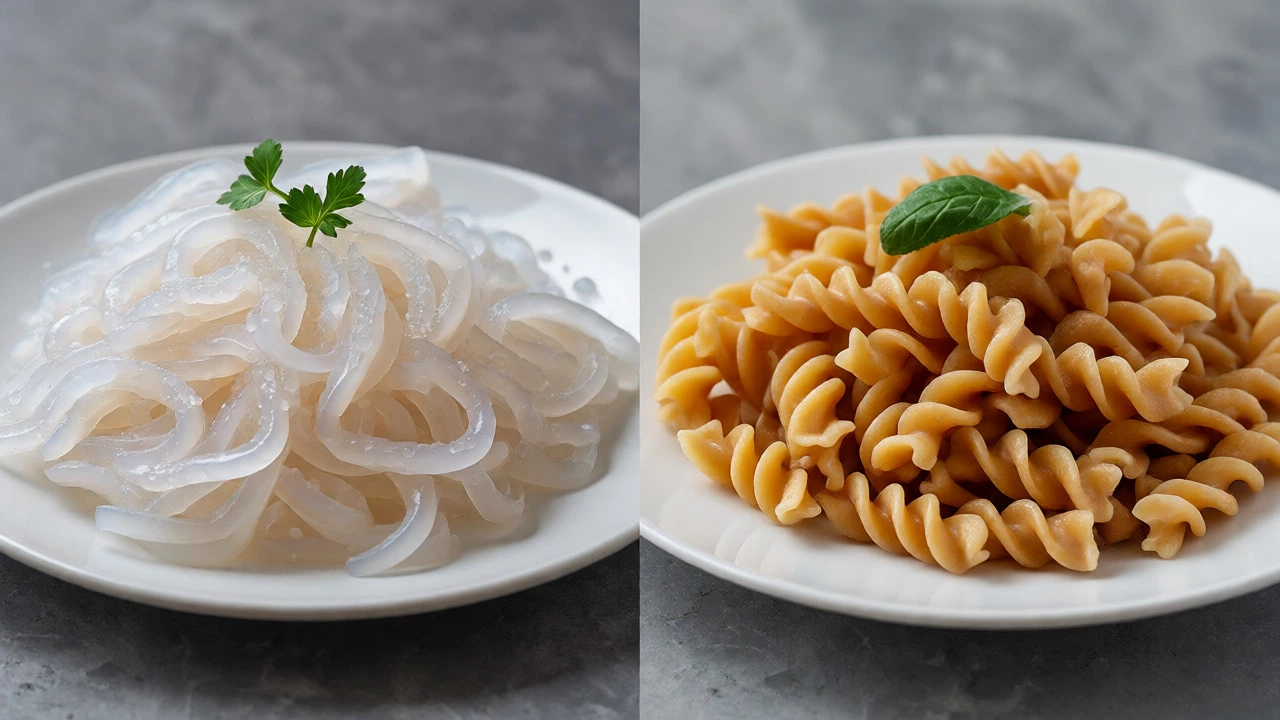
Do you want volume without the calories? Enter konjac noodles, also known as shirataki noodles made from the root of the elephant yam, consisting mostly of soluble fiber and water. These translucent, gel-like noodles have almost zero calories and carbs. They’re popular in Asian cuisine and increasingly used in Western diet plans.
The catch is texture. Konjac noodles don’t absorb sauce; they repel it. They also have a distinct fishy smell when first opened, which requires thorough rinsing and dry-frying in a pan to fix. They’re excellent if you’re strictly counting calories or managing diabetes, but they won’t satisfy a craving for authentic Italian comfort food.
Vegetable noodles (zoodles, carrot ribbons, squash strands) are another low-carb option. They add vitamins and hydration to your plate. Zucchini noodles are soft and watery, best served immediately. Spaghetti squash, when roasted, has a firmer texture that mimics al dente pasta better. Use these when you want to increase your vegetable intake, but know they lack the protein and satiety factors of grain-based pastas.
Comparing the Contenders
To help you decide, here’s how the top options stack up against each other. Note that values are approximate per 56g (2 oz) dry serving, cooked.
| Pasta Type | Calories | Protein (g) | Fiber (g) | Best For |
|---|---|---|---|---|
| White Semolina | ~200 | 7 | 2 | Classic taste, quick energy |
| Whole Wheat | ~190 | 8 | 6 | Daily staple, digestive health |
| Chickpea/Lentil | ~190 | 13 | 8 | Satiety, muscle building, GF needs |
| Quinoa Blend | ~190 | 8 | 3 | Complete proteins, GF needs |
| Konjac/Shirataki | ~5 | 0 | 2 | Weight loss, strict low-carb |
How to Cook Healthy Pasta Correctly
Choosing the right noodle is half the battle. Cooking it wrong ruins the benefits. Here’s how to keep the glycemic index low and the texture perfect.
- Use plenty of water: Underwatered pasta clumps and cooks unevenly. Aim for 4 liters of water per 500g of pasta.
- Salt the water generously: It should taste like the sea. This seasons the pasta from the inside out, reducing the need for excessive salt in the sauce later.
- Cook al dente: This is crucial for health. Al dente pasta has a lower glycemic index because the starch granules remain partially intact, slowing enzyme breakdown in your gut. Check the package time, then bite into a piece. It should have a slight resistance in the center.
- Save the pasta water: The starchy water helps emulsify sauces. Using less oil and butter to achieve creaminess saves calories while maintaining mouthfeel.
- Rinse only if necessary: Rinse legume or gluten-free pasta after draining to remove excess surface starch and prevent gumminess. Do not rinse whole wheat or semolina pasta, as you’ll wash away the starch needed for sauce adherence.
Pairing Sauces for Maximum Nutrition
A healthy noodle can still lead to an unhealthy meal if you drown it in heavy cream or processed cheese. The goal is balance. Pair high-protein pastas like chickpea with lighter, vegetable-forward sauces. Think roasted red pepper sauce, fresh basil pesto (made with walnuts instead of pine nuts for cheaper omega-3s), or simple garlic and olive oil with broccoli rabe.
With whole wheat pasta, you can afford richer sauces because the fiber buffers the fat absorption. A classic ragu with lean ground turkey or lentils works beautifully. Avoid jarred Alfredo sauces loaded with stabilizers. Make your own by blending cauliflower with a touch of parmesan and nutritional yeast. It cuts the saturated fat by 80% while adding vitamin C and potassium.
Remember, portion control matters. Even healthy pasta is calorie-dense. A standard serving is 2 ounces dry. If you’re using konjac or veggie noodles, you can eat larger volumes to feel full, but you might miss out on the sustained energy release that comes from complex carbohydrates.
Frequently Asked Questions
Is whole wheat pasta actually healthier than white pasta?
Yes, primarily due to its higher fiber content. Whole wheat pasta retains the bran and germ of the wheat kernel, providing three times more fiber and significantly more vitamins and minerals than refined white pasta. This leads to better blood sugar control and improved digestive health.
Which pasta is best for weight loss?
Konjac (shirataki) noodles are the lowest in calories, but legume-based pastas (chickpea or lentil) are often better for sustainable weight loss because their high protein and fiber content keeps you feeling full longer, preventing overeating later in the day.
Does legume pasta taste bad?
It has a distinct earthy, bean-like flavor that differs from traditional wheat pasta. Some people find it unpleasant initially, but it pairs well with strong flavors like garlic, chili, tomatoes, and herbs. Red lentil pasta generally has the mildest taste among legume options.
Can diabetics eat pasta?
Yes, but choice matters. Opt for whole wheat, legume-based, or al dente-cooked pasta. These options have a lower glycemic index, causing a slower rise in blood glucose compared to overcooked white pasta. Portion control is also critical for blood sugar management.
Is gluten-free pasta automatically healthier?
No. Many gluten-free pastas are made from refined rice or potato starch, which can be higher in carbs and lower in fiber than whole wheat pasta. Always check the ingredient list for whole grains like quinoa, brown rice, or legumes to ensure nutritional value.