
Meat Substitute Finder
What is your primary goal today?
Recommended Substitute
Select a goal above to see the best match.
The Great Protein Swap
Most people treat meat substitutes like a game of musical chairs. One week it's a burger that bleeds like real beef, the next it's a block of flavorless soy, and by the third week, you're staring at a bag of pea protein wondering if you're eating food or a chemistry project. The truth is, there isn't one single "winner" because the healthiest meat substitute depends entirely on what you're trying to achieve. Are you chasing maximum protein, avoiding processed additives, or just trying to make a taco that doesn't taste like cardboard?
If you look at the current market in 2026, we've moved past the era of simple bean burgers. We now have high-tech lab-grown options and hyper-processed patties. But when we talk about "healthy," we usually mean whole foods-things that don't require a magnifying glass to read the ingredient list. Let's break down the options by how they actually affect your body and your palate.
Quick Wins: Which Substitute to Choose
| Substitute | Best For | Processing Level | Key Benefit |
|---|---|---|---|
| Tofu | Stir-fries, Scrambles | Low | Heart-healthy fats |
| Tempeh | Bacon strips, Salads | Low (Fermented) | Gut health (Probiotics) |
| Seitan | Steaks, Ribs | Medium | Extreme protein density |
| Legumes | Tacos, Stews | Minimal | High fiber content |
| Processed Patties | Quick burgers | High | Taste familiarity |
The Gold Standard: Tofu and Tempeh
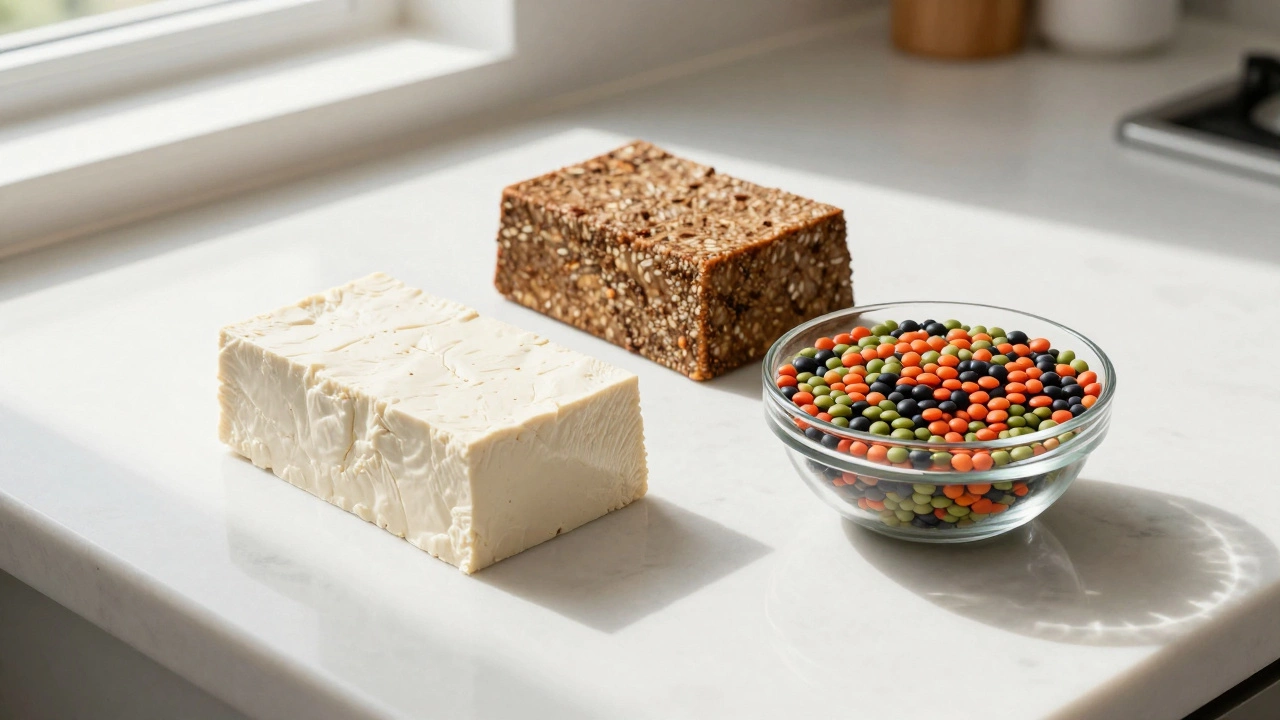
When we talk about the cleanest options, we have to start with soy. Tofu is a versatile protein made by coagulating soy milk and pressing the resulting curds into soft white blocks. It's essentially a blank canvas. Because it's minimally processed, you aren't dealing with the sodium bombs found in frozen vegan nuggets.
If tofu is the blank canvas, Tempeh is the masterpiece. Unlike tofu, tempeh is made from fermented soy. This process does two things: it makes the protein easier to digest and it adds a nutty, earthy flavor that doesn't need as much seasoning. Since it's a whole-bean product, you get more fiber per gram than you do with tofu. If you're worried about bloating, the fermentation in tempeh usually solves that problem.
Why choose one over the other? If you're making a creamy sauce or a soft scramble, go with tofu. If you want something with a "chew" that mimics a sausage or thick-cut bacon, tempeh is your best bet. Both are low in saturated fats and contain all nine essential amino acids, making them complete proteins.
The Protein Powerhouse: Seitan
For those who miss the texture of a steak or a chicken breast, Seitan is the go-to. It's not made from soy, but from wheat gluten, which is the main protein found in wheat. Because it's essentially pure protein, the numbers are staggering-often hitting 25 grams of protein per 3.5 ounces, which rivals or beats beef.
However, there's a catch. Because it's pure gluten, it's a non-starter for anyone with Celiac disease or gluten sensitivity. Also, while it's high in protein, it lacks the micronutrients and fiber found in soy or beans. To make seitan truly healthy, you've got to pair it with a mountain of vegetables to balance the nutrition. It's a great tool for muscle recovery after a heavy gym session, but it shouldn't be your only protein source.
Nature's Original Substitutes: Legumes and Pulses
Before scientists started creating "bleeding" burgers, humans used Legumes. This category includes lentils, chickpeas, and black beans. These aren't trying to mimic meat; they are just nutrient-dense seeds. From a health perspective, these are often the real winners because they provide a massive dose of soluble fiber, which helps lower cholesterol and keeps you full for hours.
Take the humble lentil, for example. Red lentils break down and become a thick paste, perfect for a "Bolognese" sauce. Green or black lentils hold their shape, making them ideal for a "meatloaf" or a hearty salad. The only downside is the "gas factor." To avoid the dreaded bean bloat, soak your dried legumes and rinse them thoroughly before cooking. If you use canned beans, rinse them under cold water to strip away the excess sodium and the complex sugars that cause indigestion.
The Trap: Ultra-Processed Plant-Based Meats
Now, let's talk about the flashy stuff. You've seen the brands in the freezer aisle that claim to taste exactly like a Quarter Pounder. While these are great for transitioning someone away from meat, calling them "healthy" is a stretch. Many of these Processed Meat Alternatives rely on isolated proteins, coconut oil (which is high in saturated fat), and a long list of stabilizers and flavor enhancers.
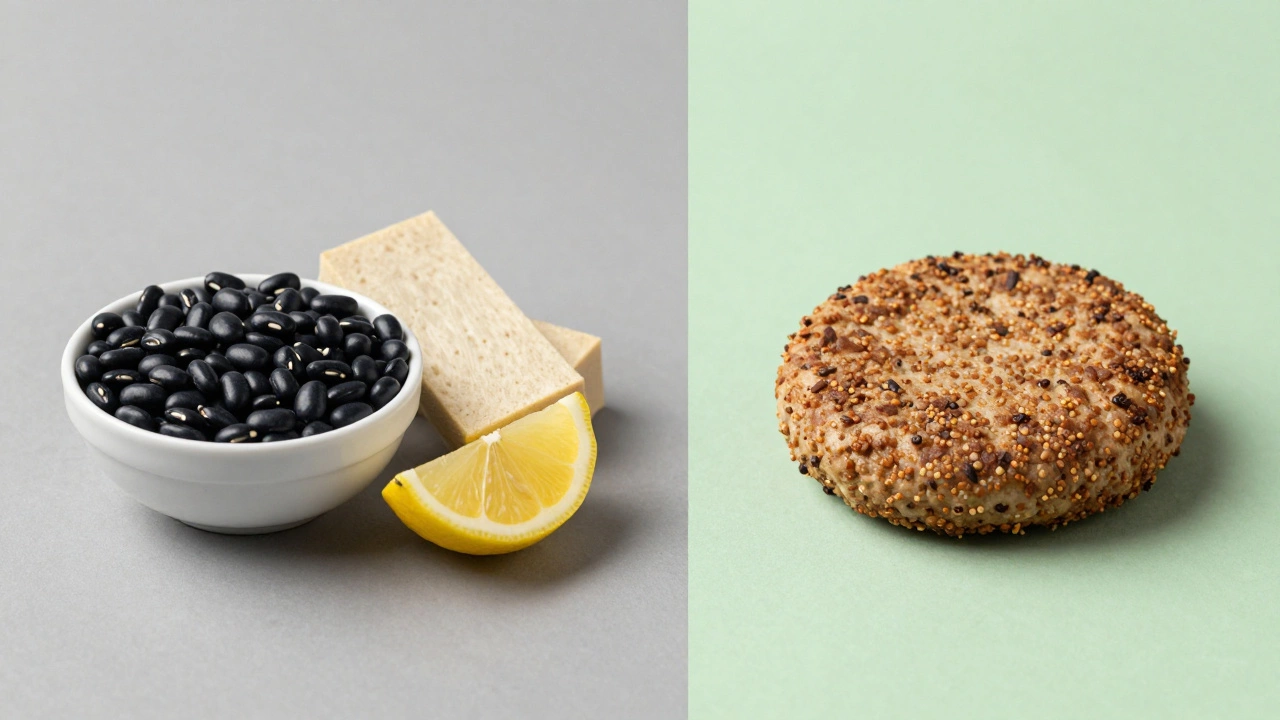
When you eat a homemade black bean burger, you're getting fiber, vitamins, and minerals. When you eat a highly engineered plant-based patty, you're often getting a high dose of sodium and processed fats. A study from the American Heart Association highlighted that while replacing red meat with plant-based options is generally good, replacing it with ultra-processed versions doesn't provide the same cardiovascular benefits. If the ingredient list looks like a chemistry textbook, it's a treat, not a health food.
How to Build a Balanced Plate
The secret to a healthy plant-based diet isn't finding one "perfect" meat replacement; it's about rotation. If you eat seitan every day, you'll miss out on the probiotics of tempeh and the fiber of lentils. To get the most out of these substitutes, follow these simple rules of thumb:
- Mix your sources: Use tofu for breakfast, lentils for lunch, and tempeh for dinner.
- Watch the sauce: A healthy piece of tofu becomes unhealthy the moment you drench it in a sugary, store-bought teriyaki sauce. Use lemon, garlic, and olive oil instead.
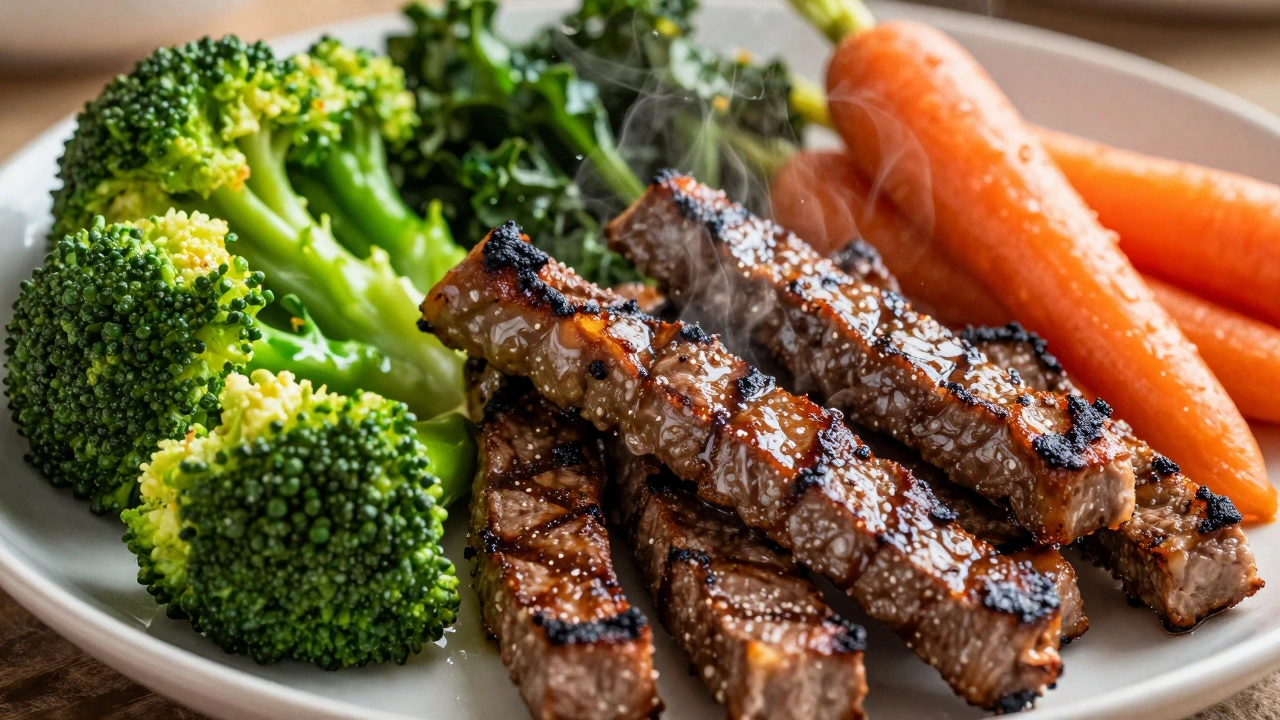
- Pair with greens: Since many substitutes (like seitan) lack certain vitamins, always add a side of steamed broccoli, spinach, or kale.
- Check the sodium: Processed substitutes are salt mines. If you're buying pre-marinated tofu, check the label for sodium levels.
Is tofu actually healthier than real meat?
In many ways, yes. Tofu contains no cholesterol and significantly lower saturated fats than red meat. It also provides isoflavones, which are linked to a lower risk of heart disease. However, you have to ensure you're eating a variety of other foods to get the B12 and iron that meat naturally provides.
Can I eat seitan if I have a wheat allergy?
Absolutely not. Seitan is made almost entirely of wheat gluten. If you have a wheat allergy or Celiac disease, seitan is dangerous. Stick to tofu, tempeh, beans, or pea-protein-based options instead.
Which meat substitute has the most protein?
Seitan is generally the protein king, often providing more protein per calorie than beef. Following closely is tempeh and then tofu. If you're looking for the most protein with the least amount of calories, seitan is your best bet.
Are plant-based burgers as healthy as beans?
Usually, no. While they provide protein, they often come with high levels of sodium and saturated fats from coconut or palm oil. Whole beans or lentils are vastly superior in terms of fiber and nutrient density.
Do I need to worry about phytoestrogens in soy?
For the vast majority of people, no. Current research suggests that moderate soy consumption (tofu, tempeh, edamame) is safe and does not negatively affect hormone levels in men or women. In fact, it may even help reduce the risk of certain types of cancer.
What to Do Next
If you're new to this, don't try to swap everything overnight. Start by picking one day a week-like Meatless Monday-and experiment with one of the "low-processing" options. Try a batch of lentil tacos first; they're the easiest transition because the texture is so similar to ground beef. Once you're comfortable, move on to pressing your own tofu or grilling some tempeh strips.
If you find yourself missing the "savory" taste of meat, look into Umami flavors. Adding a splash of soy sauce, a bit of nutritional yeast, or a drop of liquid smoke to your plant-based proteins will trick your brain into thinking you're eating meat, while your body enjoys the benefits of a plant-forward diet.