
Diabetic Dessert Nutrition Checker
Nutritional Input
Enter values based on a single serving (1/4 cup, 1 slice, etc.)
Results
Net Carbs:
0 g
Dessert Analysis:
Article Reference
The article suggests desserts should have:
- 3g+ fiber
- 5g+ protein
- Minimal added sugar (ideally <5g)
When you have diabetes, dessert doesn’t have to mean guilt or restriction. Many people assume that sweet treats are off-limits, but that’s not true. The key isn’t avoiding dessert-it’s choosing the right kind. The best dessert for a diabetic isn’t about zero sugar. It’s about balance, fiber, protein, and low glycemic impact. You can enjoy something sweet without spiking your blood sugar.
What Makes a Dessert Diabetic-Friendly?
A good diabetic dessert doesn’t rely on refined sugar or white flour. Instead, it uses natural sweeteners like stevia or monk fruit, whole food ingredients like nuts and berries, and fiber-rich bases like chia seeds or almond flour. These ingredients slow down digestion, which means glucose enters your bloodstream slowly and steadily.
Look for desserts with:
- Low net carbs (total carbs minus fiber and sugar alcohols)
- High protein to help stabilize blood sugar
- Healthy fats from nuts, seeds, or avocado
- Minimal added sugar-ideally under 5 grams per serving
A 2023 study in the Journal of Nutrition and Diabetes found that participants who ate desserts with 3+ grams of fiber and 5+ grams of protein per serving had 30% lower post-meal blood glucose spikes compared to those who ate traditional sugary desserts. That’s not magic-it’s science.
Top 5 Best Desserts for Diabetics
Here are five real, practical, and delicious options that actually work for blood sugar control:
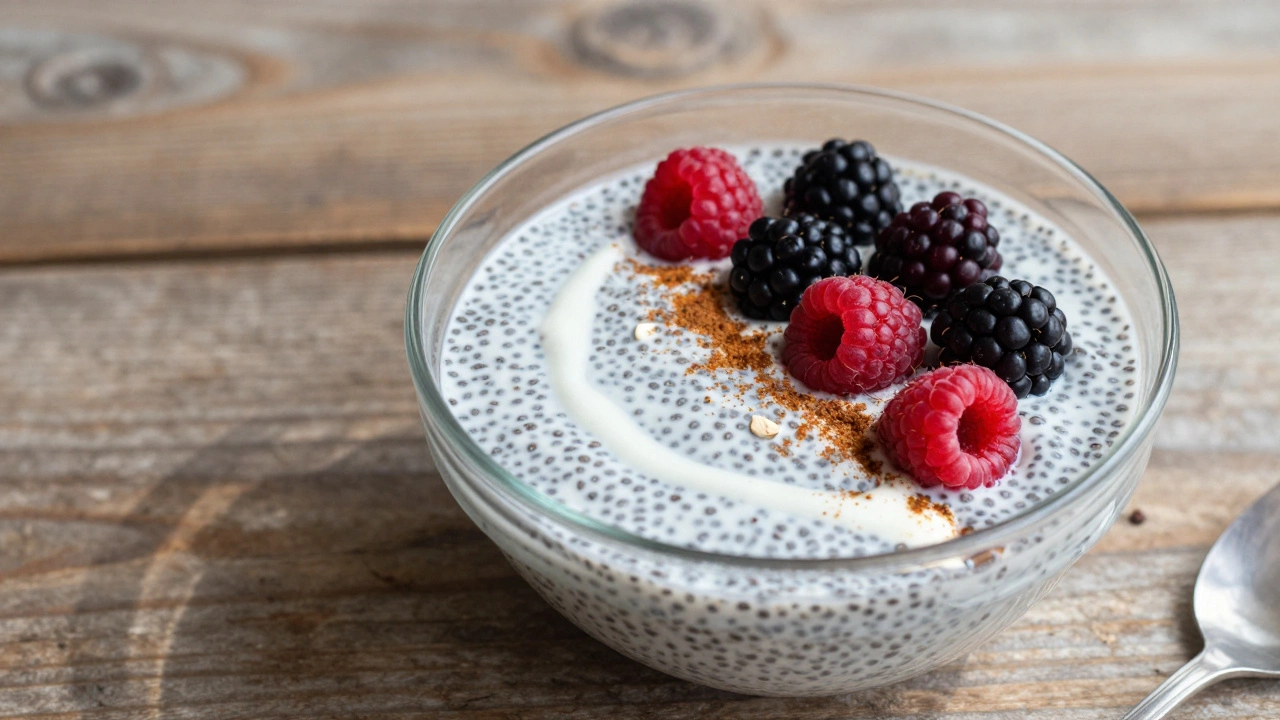
1. Chia Seed Pudding with Berries
Chia seeds absorb liquid and form a gel, which slows digestion. Mix 3 tablespoons of chia seeds with 1 cup of unsweetened almond milk, a dash of vanilla extract, and a sprinkle of cinnamon. Let it sit overnight in the fridge. Top with 1/2 cup of fresh raspberries or blackberries. This gives you 10 grams of fiber, 5 grams of protein, and only 4 grams of net carbs. It’s creamy, satisfying, and tastes like dessert.
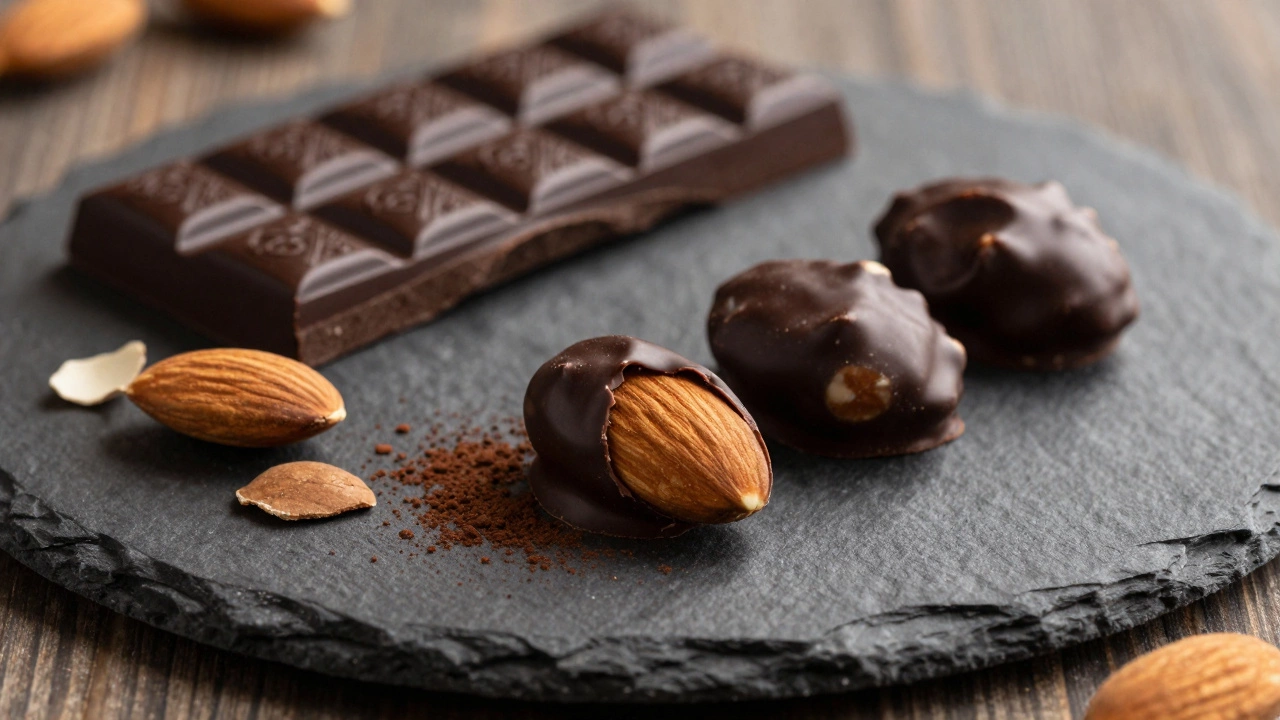
2. Dark Chocolate-Covered Almonds
Not all chocolate is created equal. Go for at least 85% dark chocolate. A small handful (about 10 almonds) dipped in melted dark chocolate gives you healthy fats, magnesium, and antioxidants. The fiber and fat in the almonds blunt the sugar impact of the chocolate. One serving has under 3 grams of sugar and 4 grams of fiber. It’s a snack that feels indulgent but won’t crash your glucose.
3. Baked Cinnamon Apple Slices
Apples are naturally sweet, but they’re also packed with pectin-a soluble fiber that helps regulate blood sugar. Slice one medium apple, sprinkle with cinnamon and a pinch of nutmeg, then bake at 175°C for 20 minutes. No added sugar needed. The natural sweetness intensifies, and the texture becomes tender. One serving has 12 grams of carbs, but 4.5 grams are fiber, leaving only 7.5 net carbs. Pair it with a spoonful of plain Greek yogurt for extra protein.
4. Coconut Flour Mug Cake
This is a quick, single-serving treat. Mix 2 tablespoons of coconut flour, 1 egg, 1 tablespoon of unsweetened applesauce, a splash of vanilla, and a pinch of baking powder. Microwave for 60 seconds. The coconut flour is high in fiber and low in digestible carbs. One mug cake has 5 grams of net carbs and 4 grams of protein. It’s moist, warm, and feels like a real dessert. You can top it with a dollop of whipped cream made from heavy cream and a drop of stevia.
5. Greek Yogurt Parfait with Flaxseed
Use plain, full-fat Greek yogurt-it has twice the protein of regular yogurt. Layer it with a tablespoon of ground flaxseed (rich in omega-3s and fiber) and a few blueberries. Flaxseed adds a nutty crunch and helps stabilize insulin response. This parfait has 6 grams of sugar (all natural), 15 grams of protein, and 7 grams of fiber. It’s filling enough to replace a meal, but sweet enough to satisfy a craving.
What to Avoid
Even if something says “sugar-free,” it might still be dangerous. Many sugar-free desserts use maltitol or sorbitol-sugar alcohols that can still raise blood sugar and cause bloating. Avoid:
- Artificial sweeteners like sucralose in large amounts (they can affect gut bacteria)
- Products labeled “diabetic-friendly” without checking the nutrition label
- Fruit juices, even 100% pure-juicing removes fiber and concentrates sugar
- Baked goods made with white flour or honey
A 2024 survey by Diabetes Australia found that 42% of people with diabetes thought sugar-free meant carb-free. That’s a dangerous myth. Always check net carbs, not just sugar.
How to Plan Dessert Into Your Day
You don’t need to save dessert for after dinner. Timing matters. Eating dessert after a meal with protein and fat helps blunt the glucose spike. For example, have your chia pudding after a grilled chicken salad-not on an empty stomach.
Also, portion control is non-negotiable. Even healthy desserts can add up. Stick to one serving. Keep a food log for a week. You might be surprised how small portions of smart desserts keep your numbers steady.
Real-Life Tip: The Melbourne Approach
In Melbourne, many cafes now offer low-carb dessert options. You’ll see chia bowls, coconut yogurt, and dark chocolate mousse on menus. The secret? They use natural ingredients, not chemicals. You can replicate this at home. Skip the processed boxes and make your own. It’s cheaper, tastier, and better for your health.

Can You Still Have Cake?
Yes-but not the kind from the bakery. Try a flourless almond cake sweetened with stevia and flavored with lemon zest. Or bake a banana “cake” using mashed ripe banana, eggs, cinnamon, and almond flour. One slice of this has 8 grams of net carbs. It’s not a birthday cake, but it’s a celebration of flavor without the crash.
Final Thought: Dessert Is About Joy, Not Just Numbers
Living with diabetes doesn’t mean giving up joy. It means making smarter choices. The best dessert for a diabetic isn’t the one with the least sugar-it’s the one that satisfies your craving, supports your health, and doesn’t leave you feeling guilty. When you focus on whole foods, fiber, and protein, dessert becomes part of your health routine-not a threat to it.
Can diabetics eat fruit as dessert?
Yes, but choose wisely. Berries like raspberries, blackberries, and strawberries have the lowest sugar and highest fiber. A half-cup serving has under 5 grams of net carbs. Avoid tropical fruits like mango, pineapple, and banana unless paired with protein or fat to slow absorption.
Is sugar-free always safe for diabetics?
No. Many sugar-free products use sugar alcohols like maltitol, which can raise blood sugar and cause digestive upset. Always check the nutrition label for net carbs, not just sugar content. If a product has more than 5 grams of net carbs per serving, treat it like a regular dessert.
What’s the best sweetener for diabetics?
Stevia and monk fruit are the safest. They have zero calories, zero glycemic impact, and no effect on insulin. Avoid aspartame and sucralose in large amounts-they can alter gut bacteria and increase cravings. Use them sparingly, if at all.
How often can diabetics have dessert?
Once a day is fine if it fits your carb budget. The key is consistency. If you have dessert one day, adjust your meals to balance it out. Don’t save it all for weekends. Regular, small treats are easier to manage than occasional binges.
Can I eat dessert before bed?
It’s not ideal. Your body is less sensitive to insulin at night. If you must, choose something with protein and fat-like a small serving of Greek yogurt with chia seeds. Avoid anything high in carbs or sugar close to bedtime. It can cause overnight spikes and affect morning readings.