
2-2-2 Meal Builder
Build Your Balanced Meal
Create a meal following the 2-2-2 rule: 2 portions of vegetables, 2 portions of protein, and 2 portions of carbs. Use the hand measurement guide below!
Your Meal Plate
Select Your Foods
Vegetables
Protein
Carbs
The 2-2-2 food rule isn’t some fancy diet trend or restrictive plan. It’s a straightforward way to build meals that actually keep you full, energized, and satisfied-without counting calories or stressing over portions. If you’ve ever looked at your plate and felt like something was missing, even after eating, this rule fixes that. It’s not about cutting out carbs or avoiding fat. It’s about balance. And it works whether you’re cooking for one or feeding a family.
What Exactly Is the 2-2-2 Food Rule?
The 2-2-2 food rule is simple: every meal should include 2 portions of vegetables, 2 portions of protein, and 2 portions of carbs. That’s it. No scales, no apps, no complicated math. Just use your hand as a guide.
Here’s what each portion means in real life:
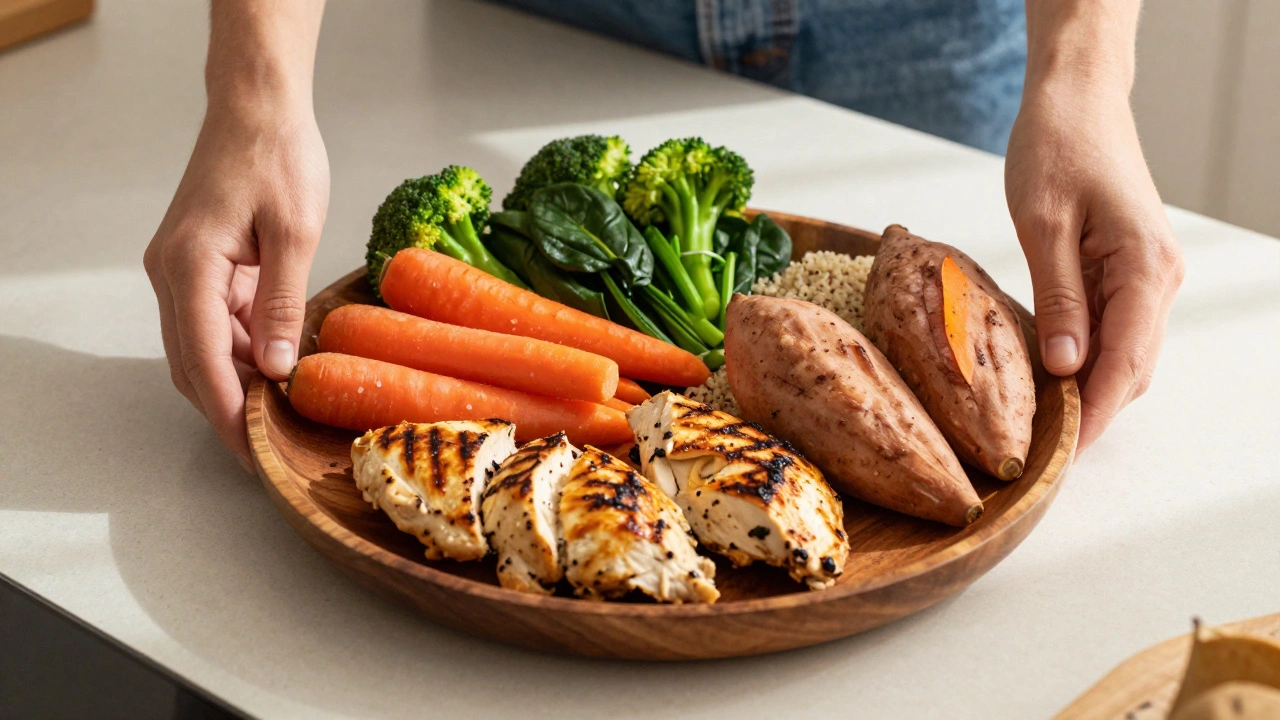
- 2 portions of vegetables = about two fists worth. Think broccoli, spinach, carrots, bell peppers, zucchini-anything non-starchy.
- 2 portions of protein = two palm-sized pieces. Chicken, fish, tofu, eggs, beans, lentils-all count.
- 2 portions of carbs = two cupped hands. Brown rice, quinoa, sweet potatoes, whole grain bread, oats, or even fruit.
This isn’t about perfection. It’s about consistency. You don’t need to hit 2-2-2 at every single meal. But if you aim for it most days, your body will thank you. You’ll notice fewer cravings, steadier energy, and better digestion.
Why This Rule Works Better Than Diets
Most diets fail because they’re too rigid. They tell you to skip carbs, avoid fat, or eat only certain foods. But your body doesn’t work that way. It needs fuel from all three macronutrients to function well.
Vegetables give you fiber, vitamins, and minerals that help your gut and immune system. Protein keeps you full longer and supports muscle repair. Carbs? They’re your brain’s favorite energy source. Cut them out, and you’ll feel foggy, tired, or irritable by mid-afternoon.
The 2-2-2 rule doesn’t ban anything. It just makes sure you get enough of each. That’s why people who switch to this method often lose weight without trying-because they’re eating satisfying, nutrient-rich meals instead of processed snacks or oversized portions of just one food group.
Real Meal Examples Using the 2-2-2 Rule
Let’s look at a few meals that follow the rule. No fancy ingredients. No special diets. Just real food.
- Breakfast: Scrambled eggs (protein) + whole grain toast (carb) + sautéed spinach and tomatoes (vegetables)
- Lunch: Grilled chicken (protein) + quinoa (carb) + roasted Brussels sprouts and carrots (vegetables)
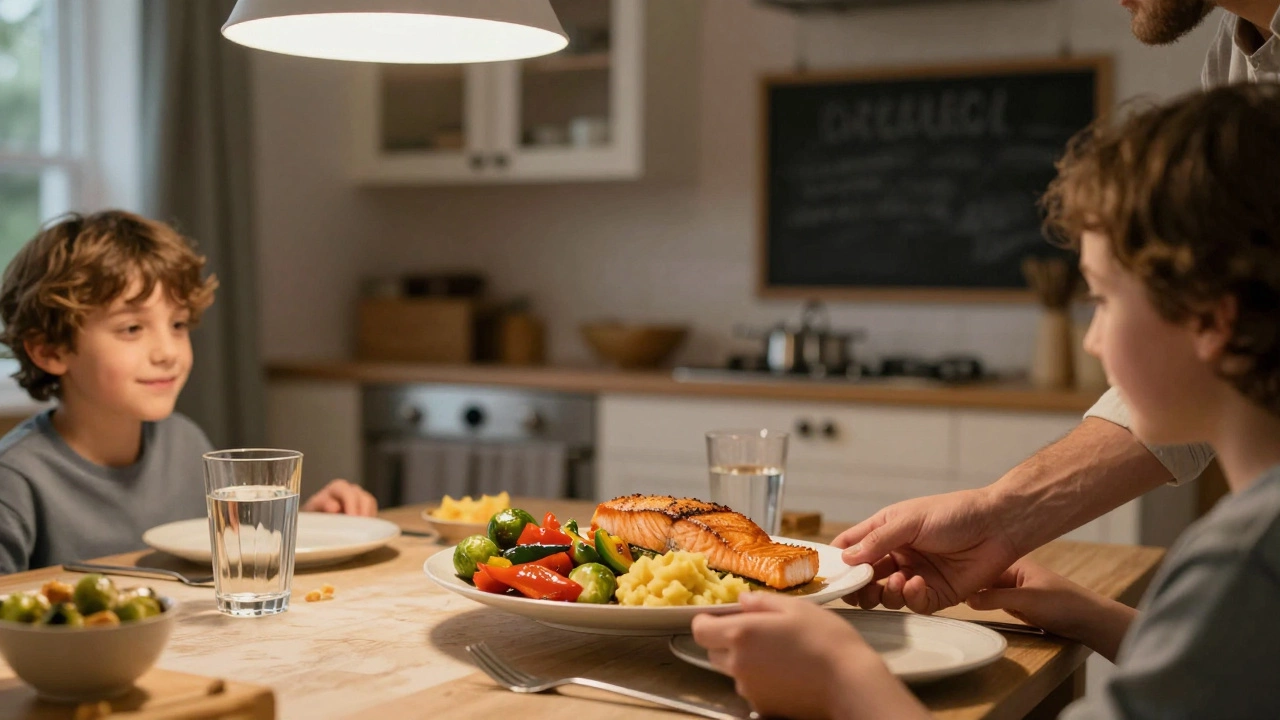
- Dinner: Baked salmon (protein) + mashed sweet potato (carb) + steamed green beans and broccoli (vegetables)
- Vegan option: Lentil curry (protein + carb) + cauliflower and bell peppers (vegetables) + a side of brown rice (extra carb)
- Quick option: Whole grain wrap with hummus (protein + carb) + shredded lettuce, cucumber, and tomato (vegetables)
Notice how none of these meals are complicated. You don’t need to buy special products. You don’t need to follow a recipe. Just grab what you have and fill your plate with those three groups.
How to Make It Stick Without Feeling Overwhelmed
Starting a new habit is hard. The key is to start small.
First, pick one meal a day to focus on. Breakfast is easiest for most people because it’s usually simple. Make sure you have two kinds of veggies and a protein source. Add a carb if you’re still hungry after.
Next, prep your veggies ahead of time. Wash and chop a big batch on Sunday. Keep them in clear containers in the fridge. When you’re rushing in the morning, you won’t skip them because they’re already ready.
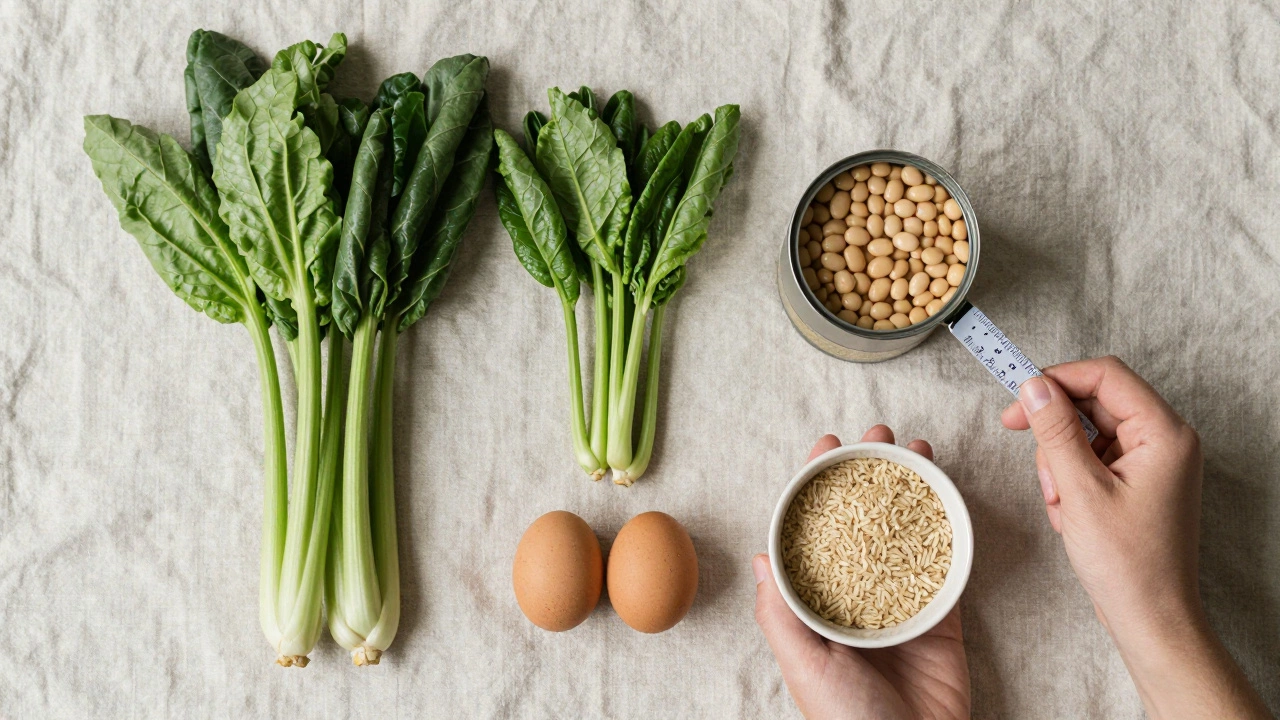
Keep protein sources simple: canned beans, frozen chicken breasts, hard-boiled eggs, tofu, or Greek yogurt. These don’t need cooking and last for days.
And don’t stress about the carb portion. If you’re eating whole grains or starchy veggies like potatoes or corn, you’re already doing better than most. You don’t need to count grams. Just use your hand. Two cupped hands = enough.
Common Mistakes People Make
Even when people know the rule, they still mess it up. Here are the top three mistakes:
- Thinking "one vegetable" counts as two. A side salad with a few lettuce leaves isn’t two portions. You need volume. Fill half your plate with veggies. If you can’t see your plate underneath, you’re good.
- Confusing carbs with junk food. A slice of white bread or a bag of chips doesn’t count. Carbs in the 2-2-2 rule mean whole, unprocessed sources. No refined sugar, no white flour.
- Skipping protein because they’re vegetarian or trying to cut calories. Protein keeps you full. If you skip it, you’ll snack later. Beans, lentils, eggs, dairy, tofu-there are plenty of options. Don’t leave it out.
Also, don’t treat this like a diet you’ll quit after a week. Think of it as a new way of eating. It’s not temporary. It’s sustainable.
Who Benefits Most From This Rule?
Anyone who’s tired of feeling hungry after meals. Anyone who’s tried diets that left them deprived. Anyone who’s confused by nutrition advice.
Parents find it easy to use because kids don’t notice the structure-they just eat the food. Busy professionals can use it to avoid takeout. People with prediabetes or high blood pressure find their numbers improve because the meals are naturally lower in sugar and processed ingredients.
You don’t need to be a nutrition expert. You don’t need to track macros. You just need to remember: two fists of veggies, two palms of protein, two cupped hands of carbs. That’s the whole rule.
What If You’re Still Hungry?
That’s normal. Hunger doesn’t always mean you missed a food group. Sometimes you’re just not eating slowly enough. Or you’re drinking coffee or soda instead of water.
If you’re still hungry after a 2-2-2 meal, add more vegetables. They’re low in calories but high in volume and fiber. A few extra handfuls of spinach, cucumbers, or bell peppers will fill you up without adding many calories.
Or drink a glass of water and wait 10 minutes. Your brain sometimes confuses thirst for hunger.
And if you’re still hungry? Add a little more protein or a small carb. This isn’t a rigid system. It’s a flexible guide.
How This Fits Into a Bigger Picture
The 2-2-2 rule isn’t meant to replace good nutrition science. It’s a practical tool built from it. Studies show that people who eat more vegetables and balanced meals have lower rates of obesity, heart disease, and type 2 diabetes. The CDC recommends filling half your plate with fruits and vegetables. The 2-2-2 rule does that-and adds protein and smart carbs to complete the picture.
It also works well with other healthy habits. If you’re trying to reduce sugar, the 2-2-2 rule helps because it replaces processed snacks with whole foods. If you’re trying to cook more at home, this rule gives you a simple structure so you’re not staring at the fridge wondering what to make.
It’s not a magic fix. But it’s one of the few tools that actually sticks because it’s simple, flexible, and doesn’t make you feel guilty.