
Pasta Ratio Calculator (10-100-1000 Rule)
Enter the weight of your dry pasta to calculate the precise amount of salt and water required for perfect texture and seasoning.
You’ve probably heard that you need a massive pot of water to cook pasta correctly. Maybe your Italian grandmother insisted on it, or perhaps you read a blog post claiming that without enough water, your noodles will turn into a sticky, gluey mess. But here’s the twist: the "10-100-1000" rule isn’t about using a swimming pool of water in your kitchen. It’s actually a specific, scientifically backed method for calculating exactly how much salt and water you need based on the weight of your dry pasta. If you’re tired of under-seasoned dishes or clumped-up spaghetti, this formula might just change how you cook forever.
The Core Concept Behind the 10-100-1000 Rule
Let’s break down what those numbers actually mean. In the world of professional kitchens and food science labs, consistency is everything. The 10-100-1000 rule is a guideline for salting and hydrating pasta, suggesting 10 grams of salt per 100 grams of pasta, cooked in at least 1 liter (1000 ml) of water. Wait, did I say 1 liter? Yes. But let’s look closer at why this specific ratio matters more than just throwing a handful of salt into a boiling pot.
The first number, 10, refers to grams of salt. This isn’t table salt heaped by eye; it’s precise measurement. For every 100 grams of dry pasta-which is roughly one standard serving-you add 10 grams of salt. That sounds like a lot, doesn’t it? Most home cooks use maybe 5 grams, if that. But remember, most of that salt stays in the water, not the pasta. You’re essentially seasoning the water so the pasta absorbs flavor from the inside out as it rehydrates.
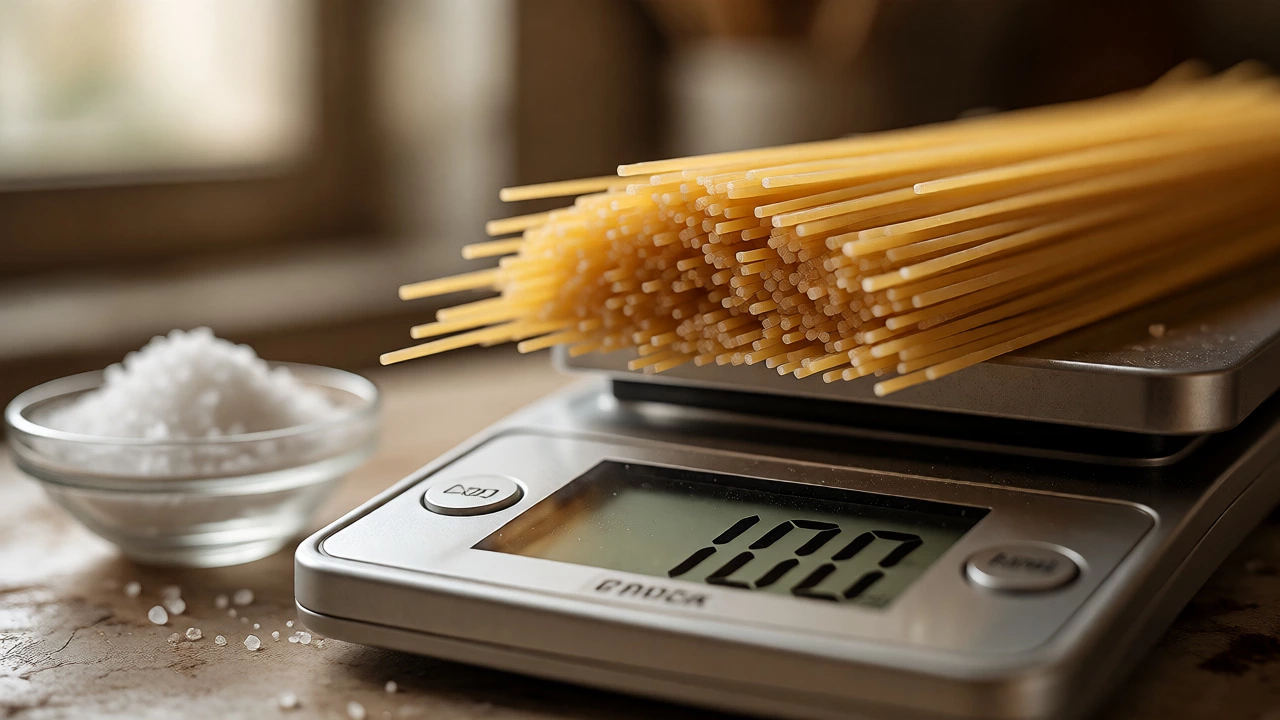
The second number, 100, represents the weight of the pasta in grams. This is your baseline. Whether you are cooking penne, fusilli, or fresh tagliatelle, you weigh your dry product before you start. This prevents the common mistake of guessing portions and ending up with too little sauce-to-pasta balance.
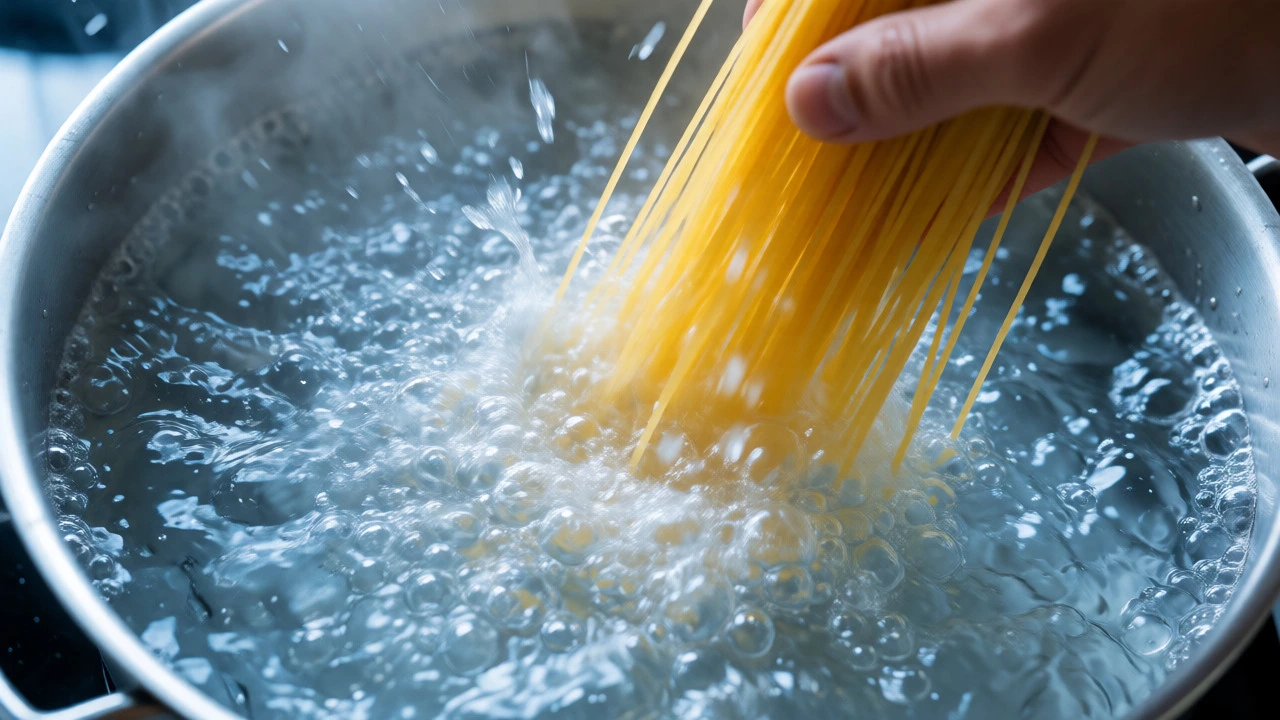
The third number, 1000, is the volume of water in milliliters. So, for every 100g of pasta, you use 1 liter of water. This ensures there is enough thermal mass to keep the water boiling when you drop the pasta in, preventing the temperature from crashing and causing sticking. It also provides enough space for the starches to disperse rather than coating each noodle in a thick, gummy layer.
Why Salt Matters More Than You Think
Think about unsalted pasta. It tastes flat, right? No amount of expensive Parmigiano-Reggiano or high-quality olive oil can fix bland noodles. Salt acts as a flavor enhancer and modifies the protein structure of the pasta, helping it maintain firmness. When you follow the 10g per 100g rule, you are creating a brine environment. As the pasta cooks, osmosis occurs. Water moves into the pasta, but so does some of the dissolved salt. This seasons the core of the noodle, not just the surface.
Some chefs argue for even higher ratios, pushing toward 15g or 20g of salt per liter of water. However, the 10-100-1000 rule strikes a balance between flavor and health-conscious eating. It’s aggressive enough to be effective but not so salty that it ruins a delicate cream sauce. If you are watching your sodium intake, you might find 10g per 100g acceptable because, again, you don’t eat the water. Studies suggest that only a fraction of the salt ends up on the plate, making this method surprisingly reasonable for daily meals.
The Role of Water Volume and Starch Release
Now, let’s talk about the water. Why 1 liter per 100g? It comes down to physics. Dry pasta is dense. When you dump 100g of spaghetti into a small pot of water, the temperature drops significantly. If the water stops boiling, the pasta sits in lukewarm liquid, releasing its surface starch slowly and stickily. This leads to clumps.
By using 1 liter of water per 100g of pasta, you ensure the water returns to a boil quickly. Rapid boiling agitates the pasta, keeping pieces separate. Furthermore, ample water dilutes the released starch. While we want some starch for emulsifying sauces later, we don’t want the pasta swimming in a glue-like slurry during the initial cooking phase. This ratio gives you control. You can always reduce the starchy water later to thicken your sauce, but you can’t undo a sticky disaster.
| Pasta Weight (Dry) | Salt Required | Water Volume | Approx. Cooked Yield |
|---|---|---|---|
| 100g (Single Serving) | 10g (approx. 2 tsp fine salt) | 1 Liter | ~200-220g |
| 200g (Two Servings) | 20g | 2 Liters | ~400-440g |
| 500g (Family Pack) | 50g | 5 Liters | ~1kg+ |
Does the Pot Size Actually Matter?
Here is where things get controversial. Many traditionalists swear by a huge stockpot filled to the brim. They claim you need "ocean-sized" amounts of water. But modern testing, including experiments by culinary scientists like J. Kenji López-Alt, suggests that you can cook pasta perfectly in less water, provided you stir frequently. So, is the 1000ml part of the rule rigid?
For the average home cook, the 1-liter-per-100g rule is a safe, foolproof heuristic. It removes the guesswork. If you have a large family, buying a big pot is an investment that pays off in ease of cooking. But if you live in a small apartment with limited stove space, you can cheat slightly. You might use 800ml per 100g if you are diligent about stirring. Just never go below 600ml per 100g, or you risk uneven cooking and excessive stickiness. The 1000ml figure is the "gold standard" for consistent results without constant babysitting.
Step-by-Step: How to Execute the Rule
Ready to try it? Here is how you apply the 10-100-1000 rule in your kitchen routine without needing a lab coat.
- Weigh Your Pasta: Before you turn on the stove, put a bowl on your digital scale and zero it out. Add dry pasta until you hit your desired gram count (e.g., 100g, 200g). This step is crucial. Eyeballing leads to inconsistent salt levels.
- Measure the Water: Pour cold water into your pot. Use a measuring jug or mark your pot with tape if you do this often. Aim for 1 liter for every 100g of pasta you weighed.
- Add Salt Early: Once the water is in the pot, add your calculated salt. For 100g of pasta, that’s 10g. Use a kitchen scale for accuracy, or know that 1 teaspoon of fine sea salt weighs roughly 5-6 grams. Coarse kosher salt is lighter, so adjust accordingly.
- Bring to a Boil: Turn the heat to high. Covering the pot helps it reach a boil faster, saving energy. Don’t worry about the salt dissolving yet; it will melt long before the bubbles appear.
- Cook and Stir: Drop the pasta in. Start your timer based on package instructions, minus 1 minute for finishing in the sauce. Stir immediately and then every few minutes to prevent sticking.
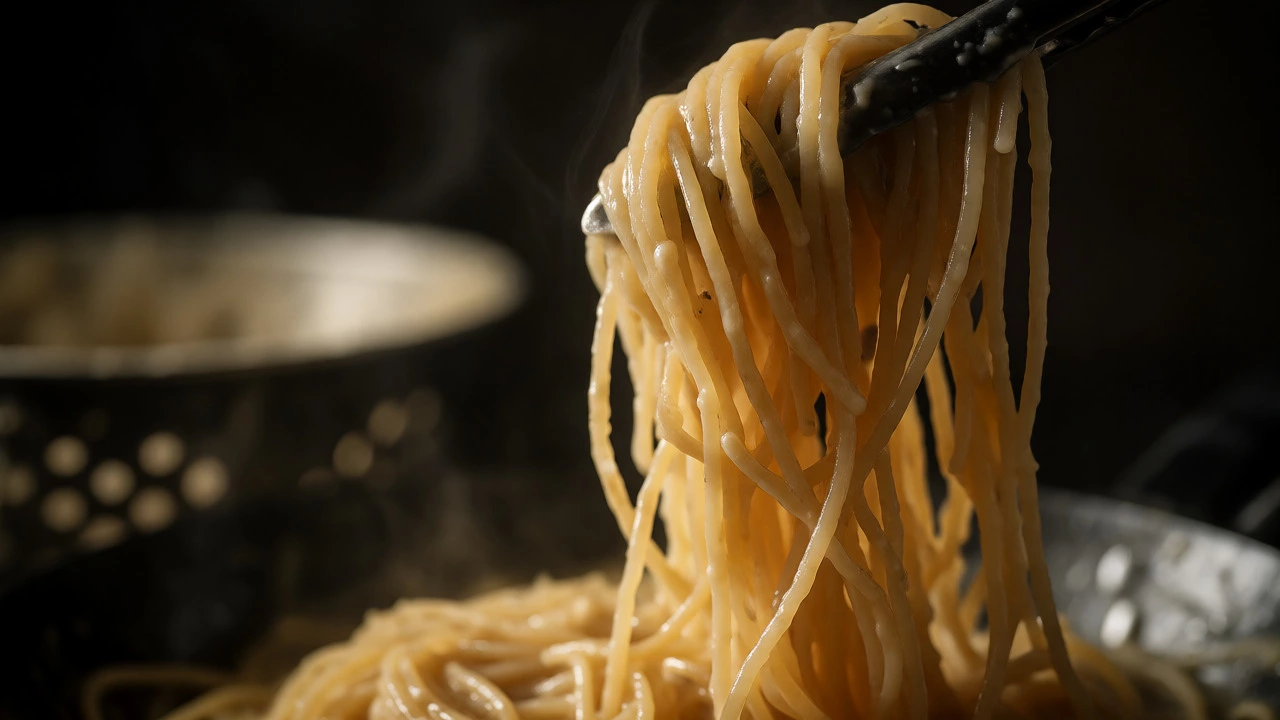
- Reserve Water: Before draining, scoop out a cup of the starchy cooking water. This liquid gold is essential for binding your sauce to the pasta.
Common Mistakes to Avoid
Even with a simple rule, people trip up. The biggest error is adding oil to the water. Oil floats on top and coats the pasta when you drain it, making it slippery. Sauce won’t stick to oily pasta. Skip the oil. Trust the agitation of the boiling water and the correct water-to-pasta ratio to prevent sticking.
Another mistake is rinsing the pasta after draining. Unless you are making a cold pasta salad, never rinse hot pasta. Rinsing washes away the surface starch that helps sauces cling. You want that sticky exterior! Also, don’t forget to taste your sauce. Because the pasta is already seasoned internally, you may need less salt in your tomato base or cream sauce than usual.
Adapting the Rule for Different Pasta Types
Does this work for everything? Mostly, yes. Dried durum wheat pasta (spaghetti, penne, rigatoni) follows this rule perfectly. Fresh pasta, however, is different. It has higher moisture content and cooks much faster. For fresh pasta, you might use slightly less salt (maybe 8g per 100g) because it absorbs flavor differently, and you definitely need vigorous stirring since it sticks easily. But the water volume remains similar to prevent clumping.
Gluten-free pasta is another beast. It tends to release more starch and can become mushy if overcooked. Stick strictly to the 1000ml per 100g rule to ensure even hydration. Check it early. Gluten-free brands vary wildly in texture, so the "al dente" test-biting into a piece to check for a slight resistance in the center-is your best friend here.
Frequently Asked Questions
Is 10g of salt per 100g of pasta too salty?
No, it typically isn't. Most of the salt remains in the cooking water, which is discarded. Only a small percentage is absorbed by the pasta itself. This level of seasoning ensures the pasta is flavorful on its own, which is essential for a balanced dish.
Can I use less water than 1 liter per 100g?
You can, down to about 600ml per 100g, if you stir constantly. However, using less water increases the concentration of starch, which can lead to a gummier texture and requires more attention to prevent sticking. The 1-liter rule is safer for beginners.
Does the type of salt matter for the 10-100-1000 rule?
Yes, density matters. 10 grams of fine sea salt looks very different from 10 grams of coarse Diamond Crystal kosher salt. Always weigh your salt for precision. If you must measure by volume, note that coarse salts are lighter, so you'll need more teaspoons to reach 10 grams.
Should I add salt before or after the water boils?
It doesn't make a significant difference to the final result. Adding it before saves time waiting for it to dissolve once boiling starts. Adding it after boiling raises the boiling point slightly, requiring a bit more energy to return to a boil. Either way works fine.
What happens if I forget to weigh my pasta?
If you can't weigh it, estimate visually. A bundle of spaghetti that fits inside a quarter-dollar coin (or Australian 50-cent coin) is roughly 100g. Adjust your salt and water proportionally based on this visual estimate, though weighing is always more accurate.