
Nutrient Density Analyzer
There is no single "#1" healthiest food. However, foods can be ranked by nutrient density—the amount of vitamins, minerals, and antioxidants per calorie. Select a food to see its nutritional profile and primary benefits.
It is a question that pops up in every kitchen conversation, on every social media feed, and in almost every health magazine. You want to know the single best thing you can put on your plate. You are looking for the magic bullet. But here is the hard truth: there is no such thing as one "#1" healthiest food. If someone tells you that eating only blueberries or only salmon will make you immortal, they are selling you something, not science.
However, if we look at nutrition through the lens of nutrient density-the amount of vitamins, minerals, and antioxidants per calorie-a few contenders rise to the top. For most people living in modern cities like Melbourne, where processed food is everywhere, the title often goes to dark leafy greens, specifically kale, or perhaps wild-caught fatty fish. But understanding *why* these foods win requires us to stop thinking about individual items and start thinking about patterns.
The Problem with Picking a Single Winner
Why do we obsess over finding the number one food? It is human nature to want simplicity. We want a shortcut. But biology does not work on shortcuts. Your body needs a complex symphony of nutrients working together. Vitamin C helps you absorb iron. Fat helps you absorb vitamins A, D, E, and K. Fiber feeds the bacteria in your gut, which then produce neurotransmitters that affect your mood.
If you eat only the "healthiest" food, you will eventually get sick. Imagine eating nothing but broccoli for a month. Broccoli is fantastic. It has vitamin C, fiber, and sulforaphane (a compound linked to cancer prevention). But it lacks protein, essential fatty acids, and B12. You would become malnourished despite eating a "superfood." This is why nutritionists talk about the "whole diet" rather than isolated ingredients. The goal is not to find the best apple; it is to build the best orchard.
Is there really one single healthiest food?
No. No single food contains all the nutrients humans need to survive and thrive. Health comes from variety and balance across meals and days, not from consuming one specific item exclusively.
The Top Contenders for the Title
While we cannot crown a single king, we can look at the heavyweights. These are foods that pack the most nutritional punch per calorie. They are what scientists call "nutrient-dense."
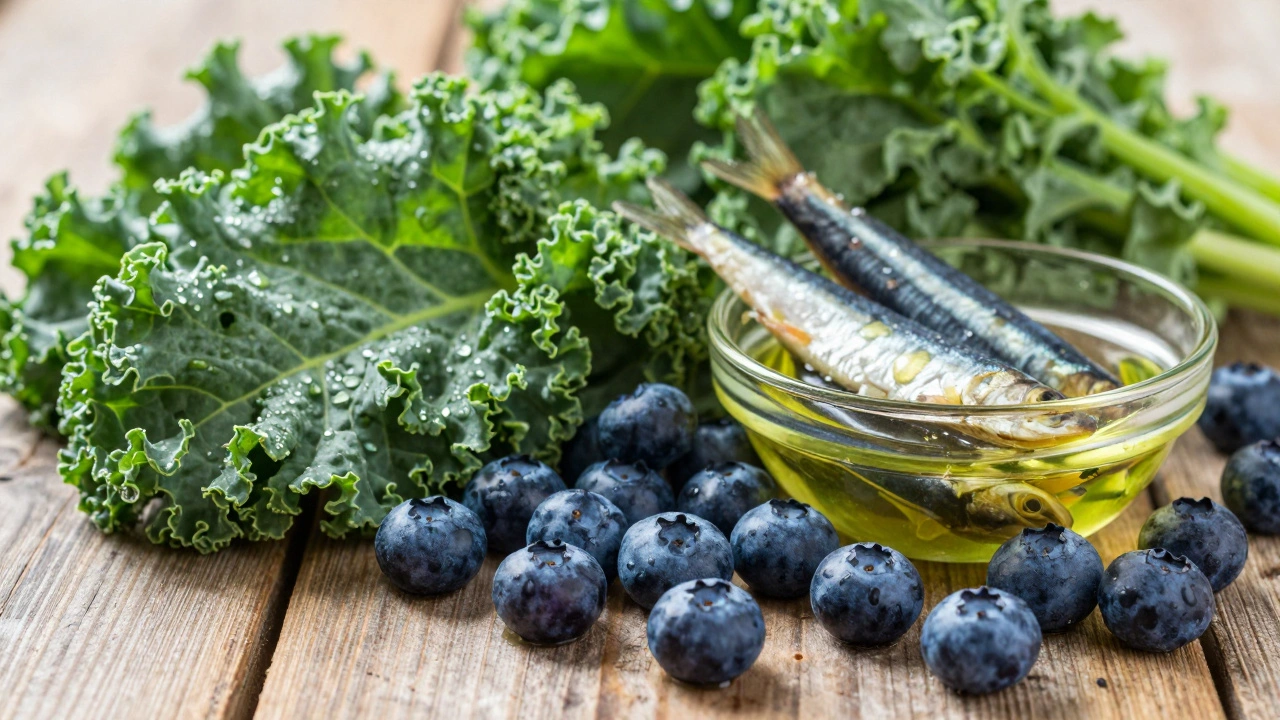
Kale is a dark leafy green vegetable known for its high content of vitamins K, A, and C, as well as antioxidants like quercetin and kaempferol. It is often cited as the #1 food because it is incredibly low in calories but high in nearly every micronutrient. One cup of raw kale gives you more than 100% of your daily Vitamin K requirement, which is crucial for blood clotting and bone health. It also contains lutein, which protects your eyes from age-related decline. However, kale is bitter. If you hate it, you won't eat it. And if you don't eat it, it doesn't help you.
Then there is Sardines, a small, oily fish that is often overlooked. Sardines are a powerhouse of omega-3 fatty acids (EPA and DHA), which reduce inflammation and support brain health. Unlike larger fish like tuna, sardines are low in mercury because they are low on the food chain. They also come with their bones, providing a massive dose of calcium and vitamin D. In terms of pure biological efficiency, sardines might actually beat kale. They provide protein, healthy fats, and bone-building minerals in one bite.
Another strong contender is Blueberries. These small fruits are loaded with anthocyanins, the pigments that give them their deep blue color. Anthocyanins are powerful antioxidants that fight oxidative stress in the body. Oxidative stress is linked to aging, heart disease, and cognitive decline. Blueberries are also easy to eat, requiring no cooking or preparation. You can throw a handful into a smoothie, sprinkle them on yogurt, or just eat them straight from the bag.
| Food Item | Key Nutrients | Primary Benefit | Calories (per serving) |
|---|---|---|---|
| Kale (1 cup raw) | Vitamins K, A, C, Calcium | Bone health, Immunity | ~33 kcal |
| Sardines (3 oz canned) | Omega-3s, Protein, Calcium, Vit D | Brain health, Anti-inflammatory | ~180 kcal |
| Blueberries (1 cup) | Anthocyanins, Fiber, Vitamin C | Antioxidant protection, Heart health | ~84 kcal |
| Lentils (1 cup cooked) | Fiber, Iron, Folate, Protein | Gut health, Blood sugar control | ~230 kcal |
The Real #1 Food: Whole, Unprocessed Ingredients
If you force me to pick a category rather than a specific item, the "#1 healthiest food" is any Whole Food that has not been refined, processed, or stripped of its natural nutrients. This includes vegetables, fruits, nuts, seeds, legumes, whole grains, and quality meats. The common thread among all these foods is that they look like they came from nature. You can recognize a carrot. You can recognize an egg. You cannot easily recognize the ingredients in a mass-produced snack bar.
Processed foods are designed to be hyper-palatable. They combine salt, sugar, and fat in ways that override your body's natural satiety signals. You eat them, but you don't feel full. Worse, they lack the fiber and micronutrients needed to process those calories. When you switch to whole foods, your body gets the tools it needs to regulate hunger, energy, and repair tissues.
In Australia, where fresh produce is widely available, especially in summer, this is easier than ever. Visit a local market in Melbourne or Sydney. Look at the colors. Red tomatoes, green spinach, purple eggplants, orange carrots. That rainbow is your guide. Each color represents different phytonutrients that protect your cells. A diet rich in colorful whole foods is consistently linked to lower risks of chronic diseases like type 2 diabetes, heart disease, and certain cancers.

How to Build a Plate Around Nutrient Density
You don't need to buy expensive superfoods or exotic powders. You just need to change how you build your meals. Here is a simple framework to maximize nutrient intake without feeling like you are on a restrictive diet.
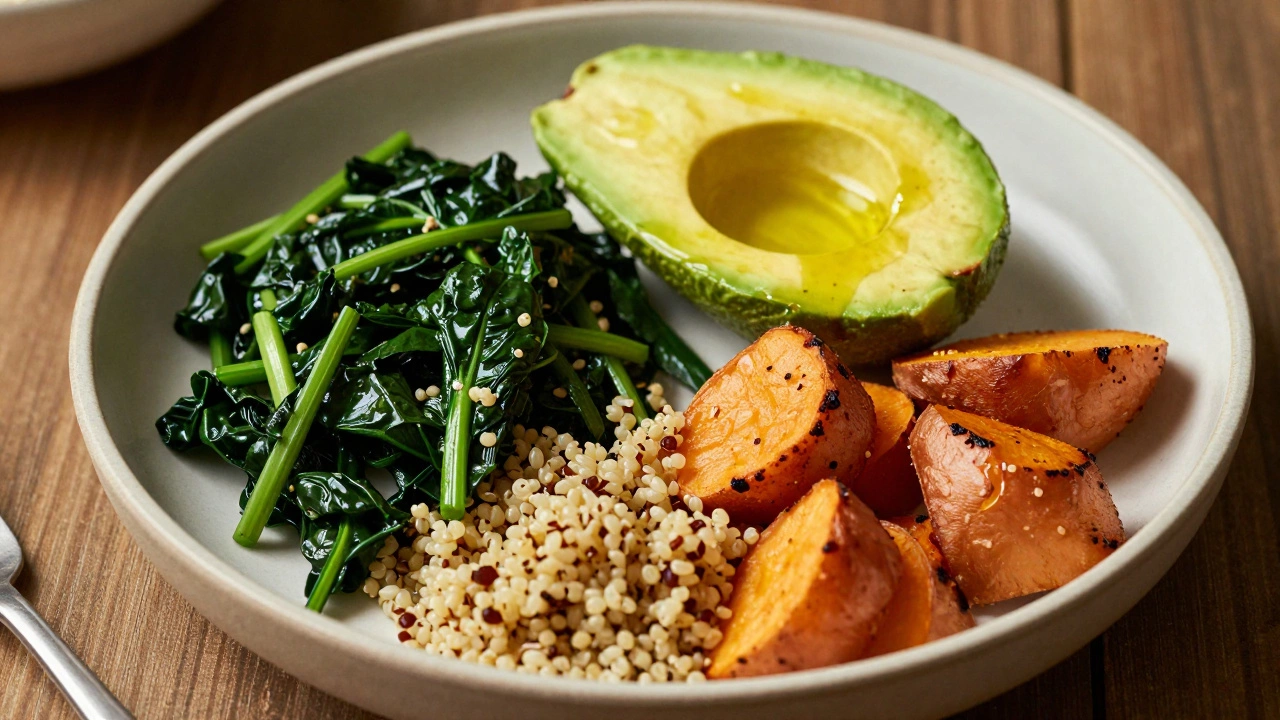
- Start with Greens: Make half your plate vegetables. Aim for dark leafy greens at least three times a week. If you dislike raw kale, try sautéing it with garlic and olive oil. Cooking breaks down the tough fibers and makes the nutrients more accessible.
- Add Healthy Fats: Nutrients like vitamins A, D, E, and K are fat-soluble. This means your body cannot absorb them without fat. Add avocado, olive oil, nuts, or seeds to your salads and cooked vegetables. This simple step turns a mediocre salad into a nutrient-absorbing meal.
- Choose Quality Protein: Prioritize fish, poultry, legumes, and eggs. Try to include fatty fish like salmon or sardines twice a week for omega-3s. If you are vegetarian, combine lentils with rice to get a complete amino acid profile.
- Pick Colorful Carbs: Instead of white bread or pasta, choose sweet potatoes, quinoa, or berries. These provide fiber, which slows down sugar absorption and keeps your energy stable throughout the day.
This approach is sustainable. It doesn't require you to count every calorie or weigh your food. It focuses on adding good things rather than restricting bad things. Over time, your taste buds adjust. You start to crave the real flavor of food instead of the artificial intensity of processed snacks.
Common Myths About "Superfoods"
The term "superfood" is a marketing invention, not a scientific classification. It was originally used for soybeans in the 1960s, but now it is slapped on everything from goji berries to chia seeds. The problem is that it creates a false hierarchy. People think that if they eat acai bowls, they can ignore the rest of their diet. This is dangerous.
Another myth is that organic is always healthier. While organic farming avoids synthetic pesticides, the nutrient difference between organic and conventional produce is often negligible. A conventionally grown apple is still far healthier than a cookie. Don't let the perfect be the enemy of the good. Eat what you can afford and access, but prioritize whole foods over processed ones, regardless of whether they are organic.
Finally, beware of supplements replacing food. You cannot replicate the complex matrix of nutrients found in a real apple with a pill. The fiber, water, and phytochemicals in whole foods work synergistically. Supplements have their place for specific deficiencies, but they are not a substitute for a balanced diet.
Practical Steps for Busy Lives
We all know what to eat. The challenge is doing it when you are busy, tired, or stressed. Here are some practical tips to make healthy eating easier in daily life.
- Batch Cook Grains and Legumes: Cook a large pot of quinoa, brown rice, or lentils on Sunday. Store them in the fridge. During the week, you can quickly toss them with roasted vegetables and a protein source for a balanced meal in under ten minutes.
- Keep Frozen Veggies Handy: Frozen vegetables are picked at peak ripeness and flash-frozen, locking in nutrients. They are often more nutritious than fresh veggies that have sat in transit for weeks. Keep bags of spinach, broccoli, and mixed berries in your freezer for smoothies and stir-fries.
- Prep Snacks in Advance: Cut up carrots, cucumbers, and bell peppers on Sunday. Store them in containers with water to keep them crisp. When hunger strikes, grab the container instead of reaching for chips. Pair them with hummus or Greek yogurt for protein.
- Read Labels Critically: If a product has more than five ingredients or contains words you cannot pronounce, put it back. Aim for short ingredient lists. Sugar often hides under names like high-fructose corn syrup, cane juice, or maltodextrin. Watch out for these.
The Long-Term View
Health is not a destination; it is a practice. You will not see immediate changes after eating one bowl of kale. But over months and years, the cumulative effect of choosing nutrient-dense whole foods is profound. Your energy levels stabilize. Your digestion improves. Your risk of chronic disease drops. Your skin glows. Your mind feels clearer.
Stop searching for the magic bullet. Start building a foundation. Fill your pantry with beans, rice, oats, and frozen berries. Stock your fridge with eggs, yogurt, and leafy greens. Learn to cook simple meals with olive oil, herbs, and spices. This is the real secret to the healthiest diet. It is not about one food. It is about a lifestyle that respects your body's need for real, unprocessed fuel.
So, what is the #1 healthiest food? It is the next bite of a whole, unprocessed food that you enjoy. Whether it is a handful of almonds, a slice of avocado, or a bowl of lentil soup, make it count. And then, move on to the next bite. Variety is the spice of life, and it is also the key to longevity.
Are kale and other leafy greens safe for everyone?
For most people, yes. However, individuals on blood-thinning medication (like warfarin) should maintain consistent intake of Vitamin K-rich foods like kale, as sudden changes can affect medication efficacy. Consult your doctor before making drastic dietary changes if you are on medication.
Can I get enough nutrients from a vegan diet?
Yes, a well-planned vegan diet can meet all nutritional needs. Key areas to monitor include Vitamin B12 (usually requires supplementation), Iron, Zinc, Omega-3s (from flaxseeds, walnuts, or algae oil), and Calcium. Diversifying your plant sources ensures you get a broad spectrum of nutrients.
Is it better to eat organic or conventional produce?
The health benefits of eating fruits and vegetables outweigh the potential risks of pesticide residues in conventional produce. While organic may have lower pesticide levels, the nutrient differences are minimal. Prioritize eating more variety of produce first, then choose organic for items like the "Dirty Dozen" (strawberries, spinach) if budget allows.
Do I need to buy expensive superfoods like goji berries?
No. Common foods like lentils, eggs, broccoli, and bananas offer excellent nutrition at a fraction of the cost. Superfoods are often marketed heavily but do not provide unique benefits that cannot be found in affordable, everyday whole foods. Focus on consistency and variety rather than price tags.
How much water should I drink daily?
Hydration needs vary by individual, activity level, and climate. A general guideline is to drink when thirsty and aim for pale yellow urine. Water-rich foods like cucumbers, watermelon, and soups also contribute significantly to your daily fluid intake. There is no strict "8 glasses" rule that applies to everyone.