
Carbonara Authenticity Calculator
Select Your Ingredients & Method:
Authenticity Score
Select your options to see how close your dish is to a traditional Roman classic.
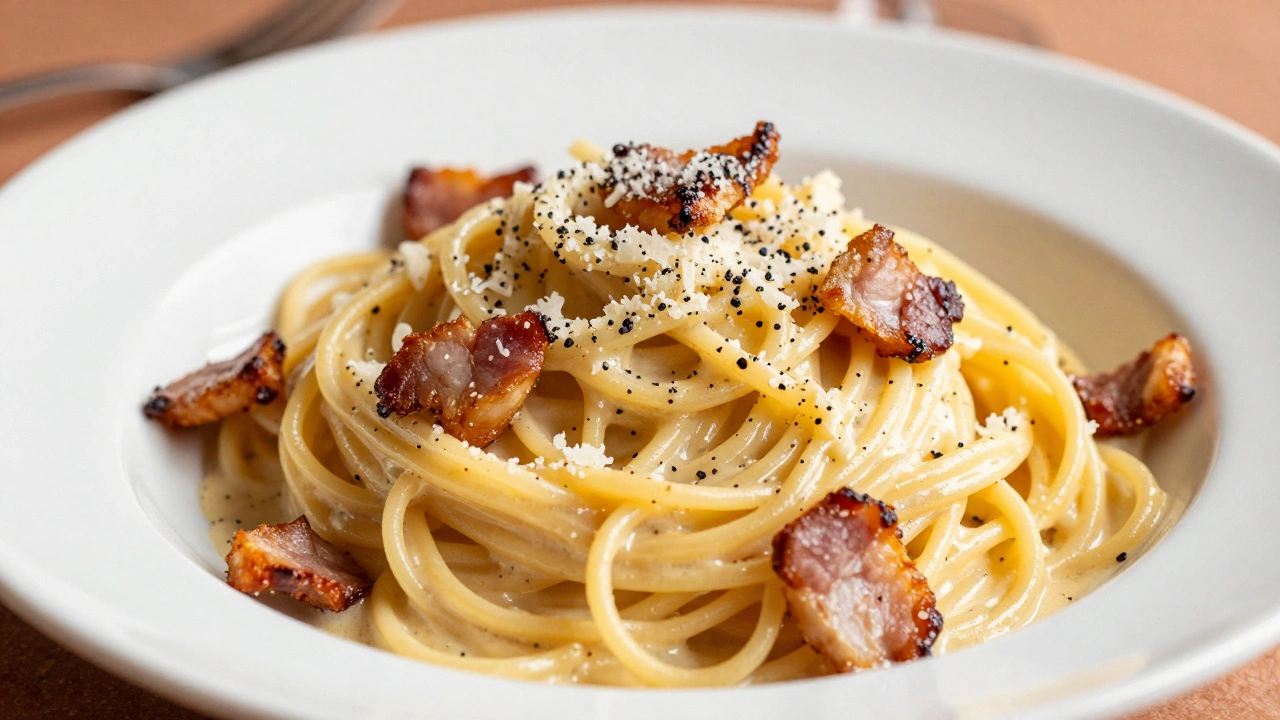
You ask a random person on the street in Rome what their favorite pasta is, and you’ll likely get one answer: Spaghetti alla Carbonara. It’s not just a dish; it’s a cultural touchstone. While every region in Italy has its own beloved specialties-from the ragù of Bologna to the truffle-infused tagliatelle of Umbria-Carbonara stands out as the undisputed champion of popularity. But why does this simple mix of eggs, cheese, pork, and black pepper reign supreme over thousands of other options?
The Unbeatable Simplicity of Carbonara
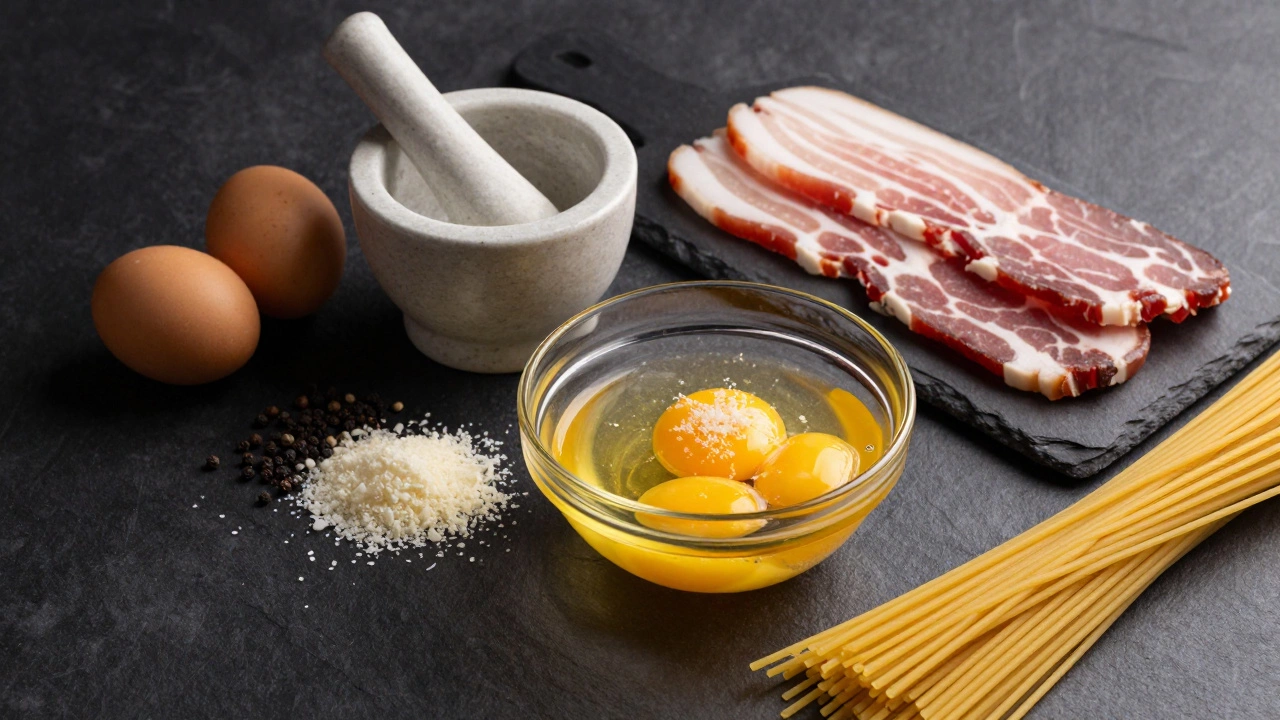
The magic of Spaghetti Carbonara lies in its restraint. Unlike many modern recipes that try to do too much with too many ingredients, Carbonara relies on just five core components. You have spaghetti or rigatoni, guanciale (cured pork jowl), Pecorino Romano cheese, egg yolks, and freshly cracked black pepper. That’s it. No cream, no garlic, no onions. Just pure, concentrated flavor.
This simplicity makes it accessible yet challenging. Anyone can throw these ingredients together, but few can master the technique required to create that signature creamy sauce without scrambling the eggs. It’s a dish that rewards skill and respects tradition, which is exactly why Italians hold it so dear. It represents the essence of Italian cooking: high-quality ingredients prepared with precision.
A Brief History: From Coal Miners to National Icon
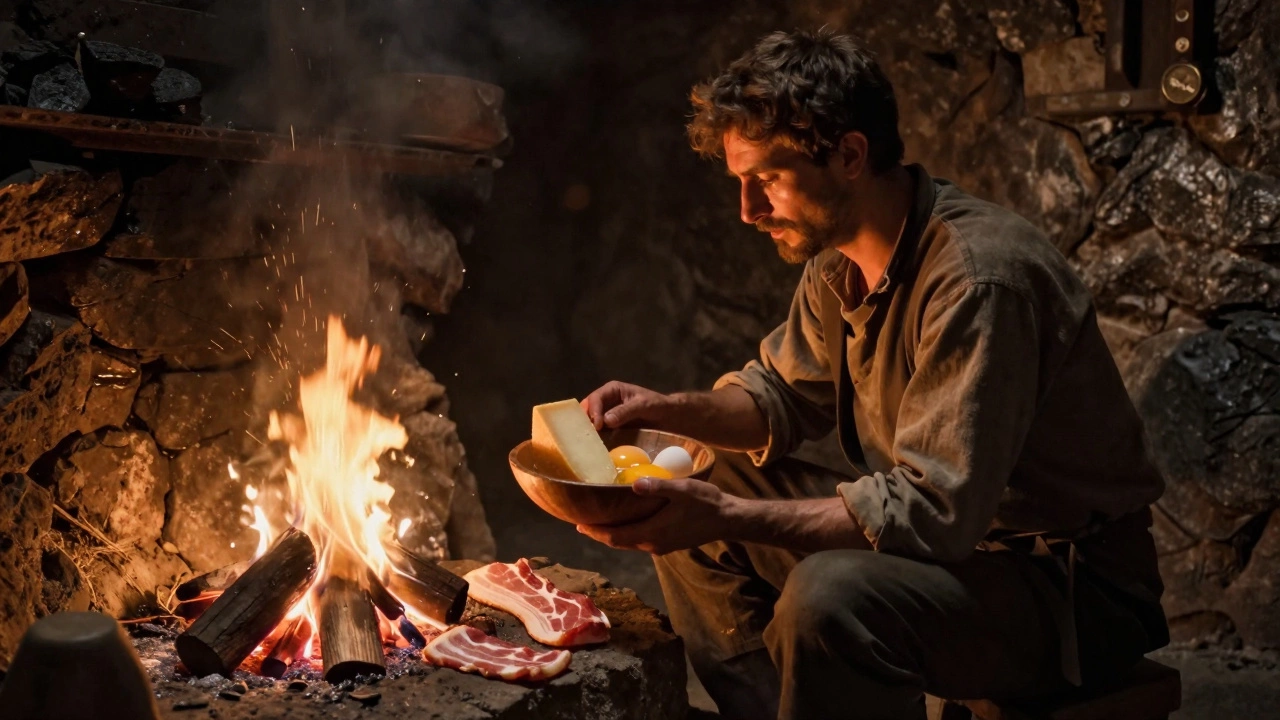
To understand why Carbonara is Italy’s favorite, you have to look at its origins. The name "Carbonara" comes from carbonaro, meaning "charcoal burner." Historically, coal miners and charcoal burners would carry these exact ingredients with them because they were non-perishable and easy to transport. They’d cook the pork over open fires, mix in the eggs and cheese for protein, and toss it with pasta if they had access to boiling water.
While some food historians argue about whether the dish was influenced by American soldiers during World War II who introduced bacon and eggs to the Italian palate, the consensus is that the core concept is deeply rooted in Roman culinary tradition. What started as a practical meal for laborers evolved into a sophisticated comfort food that defines Roman cuisine today.
The Great Debate: Guanciale vs. Pancetta vs. Bacon
If you want to make authentic Carbonara, you need to respect the ingredient list. This is where most people go wrong. In Italy, Guanciale is non-negotiable. It’s cured pork jowl, which has a higher fat content and a more intense, savory flavor than pancetta or bacon. When rendered down, it creates a silky oil that coats the pasta perfectly.
Pancetta is acceptable if you can’t find guanciale, but it’s leaner and less aromatic. Bacon? Absolutely not. Bacon is smoked, and smoking masks the delicate flavors of the egg and cheese. Using bacon turns your Carbonara into an Americanized version that lacks the depth of the original. Stick to guanciale for the true experience.
| Cut | Flavor Profile | Fat Content | Authenticity Level |
|---|---|---|---|
| Guanciale | Savory, rich, slightly gamey | High | 100% Authentic |
| Pancetta | Mild, salty, porky | Medium | Acceptable Substitute |
| Bacon | Smoky, sweet, cured | Variable | Not Authentic |
The Secret Technique: Creaminess Without Cream
The biggest mistake home cooks make is adding heavy cream to mimic the texture. Real Carbonara gets its creaminess from emulsification. You whisk egg yolks with grated Pecorino Romano and a splash of starchy pasta water. Then, you remove the pan from the heat and toss in the pasta and pork. The residual heat gently cooks the eggs, creating a luxurious, glossy sauce that clings to every strand of spaghetti.
Timing is everything here. If the pan is too hot, you get scrambled eggs. If it’s too cool, the sauce won’t set. You need to work quickly and confidently. This technical challenge adds to the dish’s allure-it’s a rite of passage for anyone claiming to love Italian food.
Regional Rivals: Who Else Is Contending?
While Carbonara takes the crown, other dishes are close behind depending on where you are in Italy. Here are the top contenders:
- Cacio e Pepe: Also from Rome, this dish uses only pecorino cheese and black pepper. It’s simpler than Carbonara but equally difficult to execute perfectly. It’s often seen as Carbonara’s minimalist sibling.
- Amatriciana: Another Roman classic, featuring tomato sauce, guanciale, and pecorino. It’s heartier and more acidic, appealing to those who prefer a tangier profile.
- Ragù alla Bolognese: From Emilia-Romagna, this meat-based sauce is served with tagliatelle, not spaghetti. It’s slow-cooked and deeply flavorful, representing the north’s preference for richer, longer preparations.
- Pasta al Pesto Genovese: Liguria’s contribution features fresh basil, pine nuts, garlic, olive oil, and Parmigiano-Reggiano. It’s vibrant and herbal, offering a stark contrast to the heavy, savory tones of Carbonara.
Each of these dishes has its devotees, but none have achieved the universal recognition of Carbonara. It bridges the gap between North and South, urban and rural, making it the perfect ambassador for Italian cuisine worldwide.
Why Carbonara Wins Over Other Dishes
There are several reasons why Carbonara consistently ranks as Italy’s favorite. First, it’s incredibly comforting. The combination of warm pasta, salty pork, and rich cheese triggers deep satisfaction. Second, it’s versatile enough to be eaten any time of day-breakfast, lunch, or dinner. Third, it’s affordable. You don’t need expensive seafood or rare truffles to make it shine.
Moreover, Carbonara tells a story. Every bite reminds you of its humble beginnings and the ingenuity of Italian cooks who turned scarcity into abundance. It’s a dish that feels both rustic and refined, approachable yet complex. These qualities resonate deeply with Italians, who value food that nourishes both body and soul.
How to Make Perfect Carbonara at Home
Ready to try it yourself? Here’s a quick guide to nailing the technique:
- Cook the Pasta: Boil spaghetti in well-salted water until al dente. Reserve a cup of pasta water before draining.
- Render the Guanciale: Cut guanciale into small cubes or strips. Cook slowly in a dry pan until crispy and golden. Remove from heat.
- Prepare the Sauce: In a bowl, whisk together 3-4 egg yolks, 1 cup of grated Pecorino Romano, and plenty of black pepper. Add a splash of pasta water to thin it slightly.
- Combine Everything: Toss the hot pasta into the pan with the guanciale. Remove from heat completely. Pour the egg mixture over the pasta and toss vigorously. The residual heat will cook the eggs and create a creamy sauce.
- Serve Immediately: Plate quickly while still hot. Top with extra pecorino and pepper.
Remember, patience is key. Don’t rush the mixing step, or you’ll end up with scrambled eggs. Take your time, and you’ll be rewarded with a dish that tastes like it came straight from a Roman trattoria.
Can I use Parmesan instead of Pecorino Romano?
You can, but it changes the flavor profile significantly. Pecorino Romano is sharper, saltier, and made from sheep’s milk, giving Carbonara its distinct tang. Parmesan is milder and sweeter. For authenticity, stick with Pecorino, or use a 50/50 blend if you find Pecorino too strong.
Why is my Carbonara turning into scrambled eggs?
This happens when the pan is too hot when you add the egg mixture. Always remove the pan from the heat source before tossing in the eggs. Use the residual warmth of the pasta and pork to gently cook the eggs. If it’s still too hot, let it sit for a minute before mixing.
Is it okay to add cream to Carbonara?
No, traditional Italian Carbonara never includes cream. The creaminess comes from the emulsion of eggs, cheese, and pasta water. Adding cream dilutes the flavors and makes the dish heavier. Skip it for an authentic experience.
What type of pasta works best for Carbonara?
Spaghetti is the most common choice, but rigatoni or bucatini also work well. Their shapes help trap the sauce and bits of guanciale. Avoid short pastas like penne unless you’re making a variation, as they don’t coat as evenly.
Can I prepare Carbonara ahead of time?
It’s best served immediately after cooking. The sauce continues to thicken as it cools, which can make it gloopy. If you must prep ahead, keep the components separate and assemble just before serving. Reheating can also scramble the eggs.