
Daily Net Carb Calculator for Women
0.0 / 100g
Grabbing a bagel with your morning coffee feels like comfort food. But if you are trying to manage your weight or stabilize your energy levels, that simple breakfast might be throwing your metabolism off balance. For many women, the standard dietary advice just doesn't stick. You eat less, but the scale won't budge. Or you crash by 2 PM, reaching for sugar to get through the afternoon slump. This is where understanding low-carb diets becomes crucial.
A low-carb diet isn't just about cutting out bread. It is a specific way of eating that shifts your body's fuel source from glucose (sugar) to fat. For women, this shift requires a bit more nuance than it does for men due to hormonal differences. Getting the carb count right can mean the difference between feeling energized and balanced, or feeling stressed and depleted.
Defining Low-Carb: What Are the Actual Numbers?
When people talk about low-carb, they often throw around numbers without context. Is it 50 grams? 130 grams? The definition changes depending on how strict you want to be. Generally, a standard Western diet consists of 200 to 300 grams of carbohydrates per day. To qualify as "low-carb," you need to drop significantly below that.
| Diet Type | Daily Carb Limit | Primary Goal |
|---|---|---|
| Moderate Low-Carb | 100-150g | Weight maintenance, blood sugar control |
| Strict Low-Carb | 50-100g | Fat loss, insulin sensitivity improvement |
| Ketogenic | Under 50g (often 20-30g) | Deep ketosis, therapeutic benefits |
For most women looking for sustainable weight management without the extreme restriction of keto, the sweet spot is usually between 50 and 100 grams of net carbs per day. Net carbs are calculated by taking total carbohydrates and subtracting fiber. Fiber doesn't spike blood sugar, so it doesn't count against your limit in the same way sugar or starch does.
Why Women Need a Different Approach
If you have tried copying a male friend's low-carb plan and felt terrible, you aren't imagining things. Women’s bodies handle carbohydrate restriction differently because of our hormones. Specifically, estrogen and progesterone play a huge role in how we metabolize fuel.
Estrogen helps regulate leptin, the hormone that tells your brain you are full. When you drastically cut carbs, especially if you are also under high stress or not sleeping well, your cortisol (stress hormone) levels can rise. High cortisol can interfere with ovulation and lead to what some call "carbo-phobia"-an intense, irrational craving for sugary foods. This is why a moderate low-carb approach is often safer and more effective for women than going ultra-low immediately.
Insulin Resistance is a condition where cells don't respond properly to insulin, leading to higher blood sugar levels and increased fat storage. It is particularly common in women with PCOS (Polycystic Ovary Syndrome). A low-carb diet directly addresses this by keeping insulin levels low, which allows the body to access stored fat for energy instead of storing more.The Health Benefits Beyond Weight Loss
We often focus on the number on the scale, but the internal changes are where the real magic happens. Reducing refined carbohydrates stabilizes your blood sugar. This means fewer mood swings, clearer skin, and sustained energy throughout the day.
- Better Hormonal Balance: By reducing insulin spikes, you help lower androgen levels, which can improve symptoms of PCOS and acne.
- Reduced Inflammation: Many processed carbs are inflammatory. Cutting them out can reduce joint pain and bloating.
- Improved Mental Clarity: Stable blood sugar prevents the "brain fog" that comes after a heavy pasta lunch.
- Heart Health: Lower triglycerides and higher HDL (good) cholesterol are common outcomes of a well-formulated low-carb diet.

What to Eat: Building Your Plate
You don't need to live on eggs and bacon. A healthy low-carb diet is colorful and varied. The goal is to replace empty calories with nutrient-dense foods that keep you full.
Proteins
Focus on high-quality sources. Think salmon, chicken thighs, grass-fed beef, tofu, and eggs. Protein is essential for preserving muscle mass while you lose fat. Aim for a palm-sized portion at each meal.
Fats
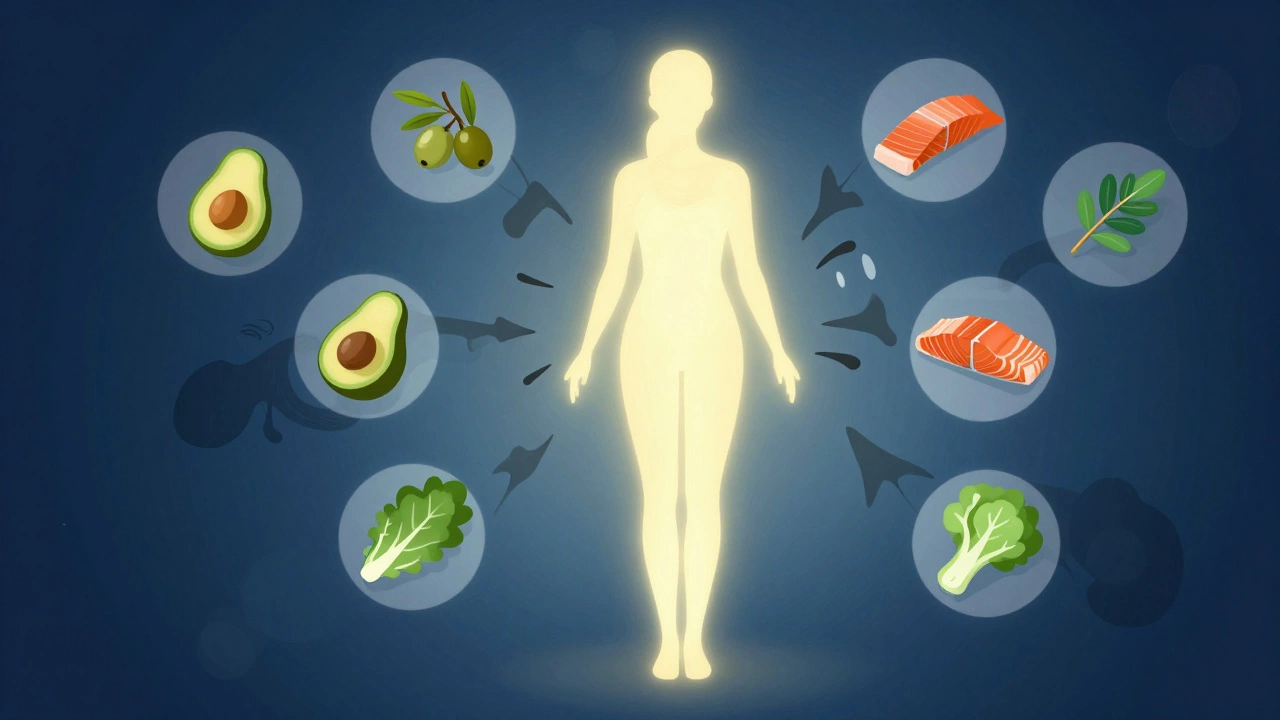
Fat is your new best friend. Since you are cutting carbs, you need to increase healthy fats to stay satiated. Avocados, olive oil, nuts, seeds, and fatty fish are excellent choices. Don't fear the calorie density; your body will use these fats for fuel rather than storing them when insulin is low.
Vegetables
This is where most people go wrong. They cut carbs but forget to fill up on veggies. Leafy greens like spinach, kale, and arugula are very low in carbs. Cruciferous vegetables like broccoli, cauliflower, and Brussels sprouts are also great. Even berries, in moderation, fit into a low-carb plan because they are high in fiber and antioxidants.
Sample Low-Carb Day for Women
Planning ahead makes sticking to the diet much easier. Here is a realistic day of eating that keeps you within the 50-100g net carb range.
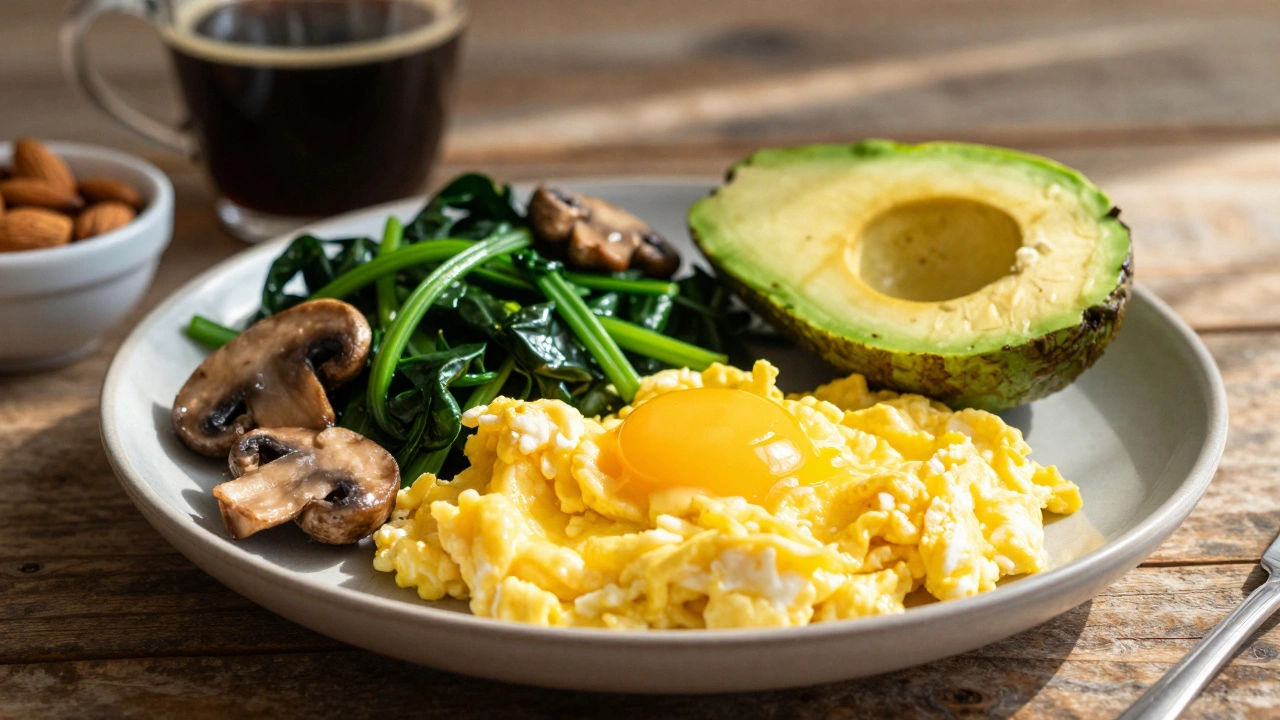
- Breakfast: Scrambled eggs cooked in butter with sautéed spinach and mushrooms. Side of half an avocado.
- Lunch: Large salad with mixed greens, grilled chicken breast, cherry tomatoes, cucumber, and an olive oil and vinegar dressing. Add a handful of almonds for crunch.
- Snack: Greek yogurt (unsweetened) with a few raspberries and a sprinkle of chia seeds.
- Dinner: Baked salmon with roasted asparagus and a small serving of cauliflower rice stir-fried with garlic and sesame oil.
This menu provides plenty of protein, healthy fats, and micronutrients without spiking your blood sugar. It’s satisfying, delicious, and easy to prepare.
Pitfalls to Avoid
Even with the best intentions, it’s easy to slip up. Here are common mistakes women make when starting a low-carb diet.
- Eating Too Little Fat: If you cut carbs but don’t add enough fat, you’ll feel hungry and tired. Your body needs fuel.
- Ignoring Electrolytes: Low-carb diets cause your body to flush out water and sodium. This can lead to headaches and fatigue. Drink water with a pinch of salt or eat salty broth to replenish electrolytes.
- Overdoing Nuts and Cheese: These are healthy, but they are calorie-dense. A handful of almonds is fine; a whole jar is not.
- Not Tracking Initially: Hidden carbs are everywhere-in sauces, dressings, and even some meats. Use an app like Cronometer or MyFitnessPal for the first few weeks to learn what’s in your food.
Adjusting for Life Stages
Your carb needs change throughout your life. A 25-year-old active woman may thrive on 100g of carbs, while a 50-year-old peri-menopausal woman might find better results with 50g. During menstruation, some women crave more carbs due to hormonal fluctuations. Listening to your body and adjusting slightly is key. If you are pregnant or breastfeeding, consult a doctor before making drastic dietary changes, as nutrient needs are higher.
Getting Started Today
You don't need to overhaul your life overnight. Start by swapping one high-carb meal for a low-carb alternative. Replace white rice with cauliflower rice. Swap soda for sparkling water with lemon. Small changes compound over time. Remember, the goal is not perfection; it’s progress. Find a level of carb intake that makes you feel good, look good, and have the energy to enjoy your life.
How many carbs should a woman eat per day to lose weight?
For most women, aiming for 50 to 100 grams of net carbs per day is effective for weight loss. This range lowers insulin levels enough to promote fat burning without causing excessive stress on the body. Those with insulin resistance or PCOS may benefit from the lower end of this spectrum.
Can I eat fruit on a low-carb diet?
Yes, but choose wisely. Berries like strawberries, raspberries, and blackberries are the lowest in sugar and highest in fiber. Tropical fruits like mangoes and bananas are high in carbs and should be limited or avoided. Stick to small portions of low-sugar fruits.
Will a low-carb diet affect my period?
For some women, especially those who drop carbs too quickly or too low, it can disrupt cycles initially. This is often due to hormonal adjustments. If your period stops or becomes irregular, try increasing your carb intake slightly to 100-120g per day and ensure you are eating enough calories and healthy fats.
What are the best low-carb snacks for women?
Great options include hard-boiled eggs, a handful of macadamia nuts or almonds, celery sticks with almond butter, cheese cubes, olives, or a small piece of dark chocolate (85% cocoa or higher). These snacks provide protein and fat to keep you full until your next meal.
Is low-carb different from Keto?
Yes. Keto is a very strict form of low-carb that aims to put your body into ketosis, usually requiring under 50g of carbs, often closer to 20-30g. Low-carb is a broader term that can include diets with up to 100-130g of carbs. Low-carb is generally more flexible and easier to maintain long-term for most women.