
Diabetic Ice Cream Carb Checker
Enter the nutritional information from your ice cream package to determine if it fits within a typical diabetic snack budget (15–30g net carbs).
Enter data and click Calculate to see results.
You’re standing in the freezer aisle, staring at a tub of chocolate chip cookie dough. Your mouth waters, but your brain hits the brakes. You have diabetes, and you’ve been told that ice cream is basically a sugar bomb waiting to spike your glucose levels. But here’s the truth: you don’t have to banish frozen desserts from your life forever. The key isn’t total avoidance; it’s smart selection. Knowing what ice cream can diabetics eat changes everything. It’s about balancing flavor with fiber, fat, and protein to keep your blood sugar stable.
Let’s be real-standard supermarket ice cream is often loaded with corn syrup and artificial flavors. A single scoop can contain 20-30 grams of carbs, which is half or more of your meal budget for some people. But the market has exploded with better options. From keto-friendly brands to homemade fruit-based pops, there are ways to satisfy that sweet tooth without wrecking your health metrics. This guide breaks down exactly what to look for, which brands actually deliver on taste, and how to build your own diabetic-friendly treat right in your kitchen.
Understanding the Sugar Spike: Why Standard Ice Cream Hurts
To make good choices, you need to understand why regular ice cream is problematic. It’s not just the sugar; it’s the lack of other nutrients. Most commercial ice creams rely heavily on milk solids and added sugars (sucrose, dextrose, corn syrup) for texture and sweetness. They often lack sufficient protein or fiber to slow down digestion. When you eat them, the simple carbohydrates hit your bloodstream fast, causing a rapid glucose spike followed by a crash.
Diabetes management relies on controlling these spikes. For most adults with Type 1 or Type 2 diabetes, a typical snack might allow for 15-30 grams of carbohydrates. A standard serving of premium ice cream (about ½ cup) often exceeds this limit significantly. Furthermore, many "low-fat" versions compensate for lost flavor by adding even more sugar, making them worse for diabetics than their full-fat counterparts.
The goal is to find options where the glycemic impact is blunted. This happens when you pair carbohydrates with fat, protein, or fiber. These macronutrients slow gastric emptying, meaning sugar enters your bloodstream gradually rather than all at once. That’s why a scoop of high-quality dark chocolate ice cream made with almond milk and avocado might affect you less than a scoop of low-fat vanilla made with skim milk and high-fructose corn syrup.
Key Metrics: What to Look for on the Label
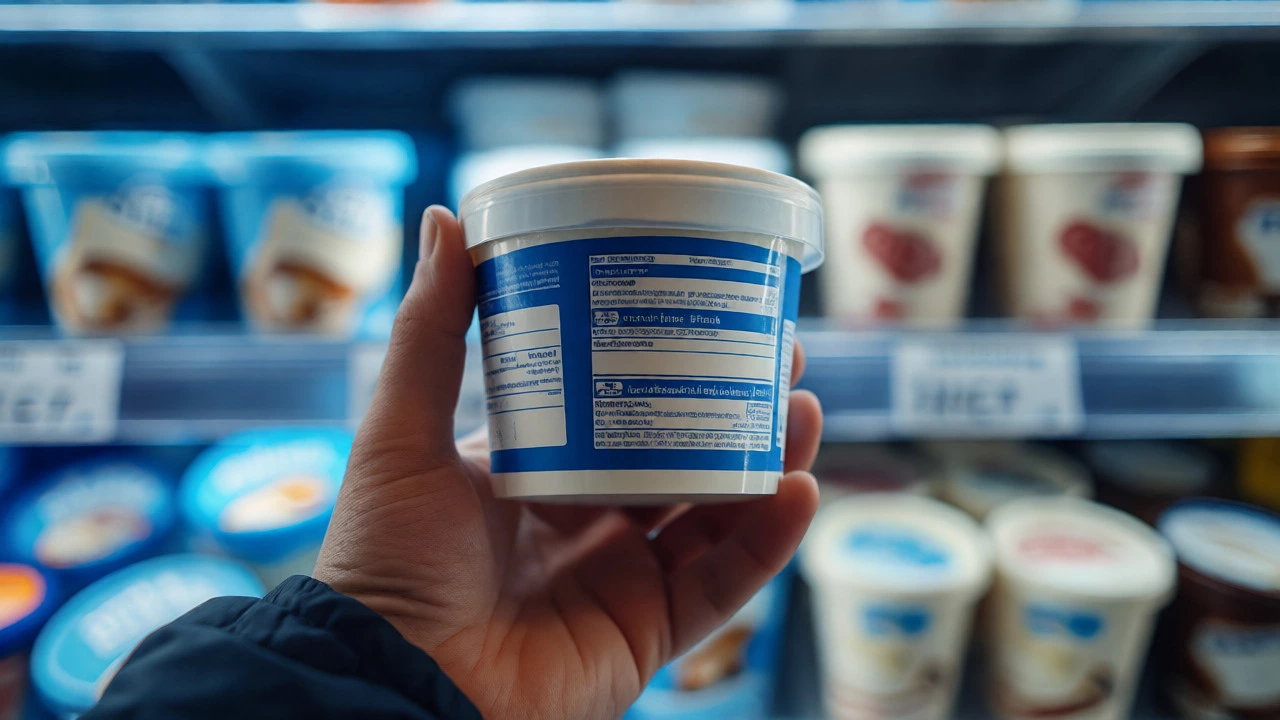
Don’t just glance at the front of the box claiming "sugar-free." Dig into the nutrition facts panel. Here is your checklist for scanning labels effectively:
- Total Carbohydrates vs. Net Carbs: In Australia and many other regions, labels show Total Carbs. To get "Net Carbs" (the ones that truly impact blood sugar), subtract Fiber and Sugar Alcohols from the Total Carbs. Aim for under 15g net carbs per serving if possible.
- Sweeteners Used: Avoid high-fructose corn syrup. Look for natural non-nutritive sweeteners like Stevia, Monk Fruit, or Erythritol. Be cautious with Maltitol; it can cause digestive upset and still raises blood sugar slightly compared to others.
- Fat Content: Don’t fear fat. Healthy fats from coconut oil, nuts, or cream help stabilize blood sugar. Full-fat options are often better for satiety and glycemic control than low-fat ones.
- Protein Levels: Higher protein content slows digestion. Greek yogurt-based ice creams or those with added whey protein are excellent choices.
A common mistake is ignoring serving sizes. Many "low-sugar" brands list nutrition per ⅓ cup or ½ cup, which is smaller than a typical scoop. If you eat two scoops, double the carb count. Always measure out your portion before eating to avoid mindless overconsumption.
Top Store-Bought Options Available in Australia
Living in Melbourne, I’ve tested quite a few brands available at Coles, Woolworths, and specialty health stores. Not all "healthy" ice creams taste good, so I’ve filtered for both taste and nutritional profile. Here are some standouts:
| Brand/Product | Approx. Net Carbs (per serve) | Sweetener | Texture/Taste Note |
|---|---|---|---|
| Häagen-Dazs Vanilla Light | ~14g | Milk sugars + small amount of sucrose | Creamy, classic taste. Good for occasional indulgence. |
| Ben & Jerry's Moo-phoria | ~8-10g | Erythritol, Stevia | Rich, fudgy. High fat helps mitigate spike. |
| Ades Frozen Yogurt (Plain) | ~10g | Natural milk sugars | Tart, probiotic-rich. Add your own berries. |
| Keto-specific brands (e.g., Keto Kitchen) | <5g | Monk Fruit, Erythritol | Very dense. Can feel waxy if over-consumed. |
| Chobani Zero Sugar | ~6g | Sucralose, Acesulfame Potassium | Light, airy texture. Great for lighter cravings. |
Note: Nutritional values change frequently. Always check the current packaging. Also, individual tolerance varies. Some people react strongly to sugar alcohols, while others handle them fine. Test your blood sugar two hours after trying a new brand to see how your body responds.
Homemade Hacks: Better Than Store-Bought
If you want total control over ingredients, homemade is king. You don’t need an ice cream maker. Two simple methods yield delicious, diabetic-safe results.
Method 1: The Avocado Chocolate Base
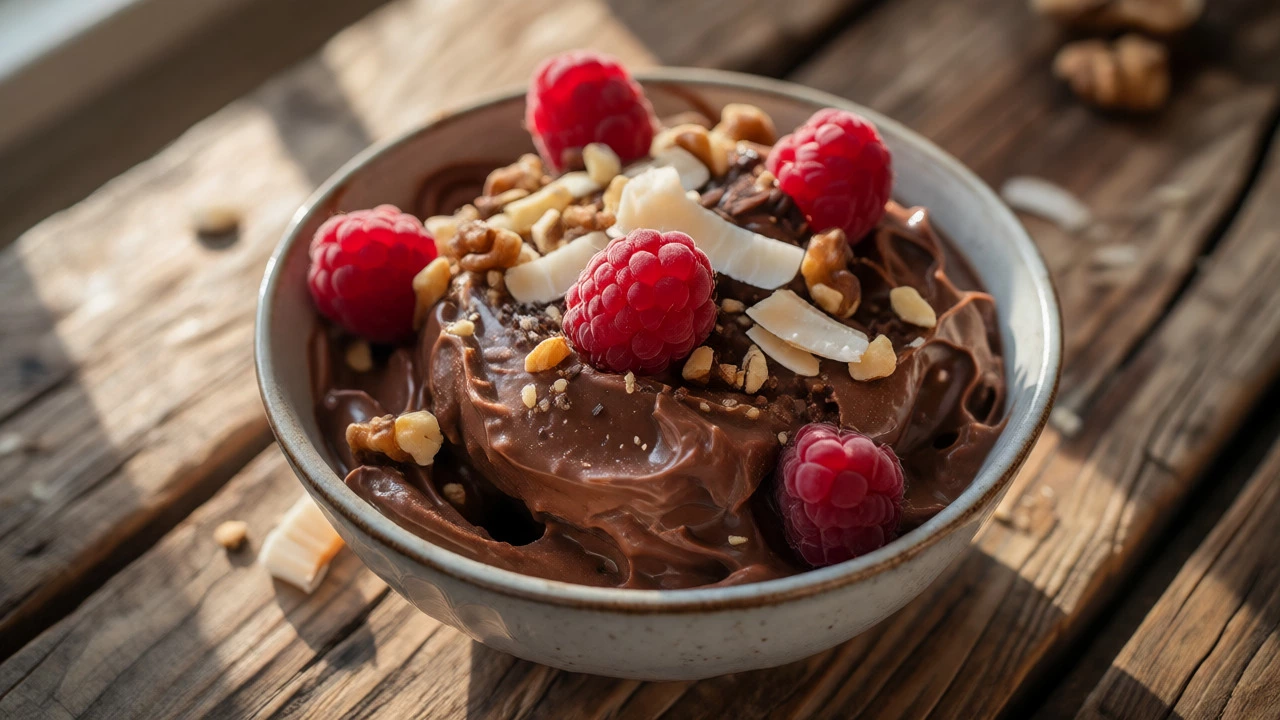
This sounds strange, but trust me. Blend ripe avocados with unsweetened cocoa powder, a splash of almond milk, and a sweetener like monk fruit drops. The avocado provides creamy fat and fiber, masking its own taste completely. Freeze the mixture in a shallow pan, stirring every hour for three hours. The result is a rich, fudge-like texture with minimal net carbs.
Method 2: Greek Yogurt Bark
Spread plain full-fat Greek yogurt on a baking sheet lined with parchment paper. Top with crushed walnuts, chia seeds, and a handful of raspberries. Drizzle lightly with stevia-sweetened maple syrup if needed. Freeze until solid, then break into pieces. Each piece is packed with protein and probiotics, keeping you full longer and stabilizing glucose levels.
These recipes let you adjust sweetness to your preference. You can also experiment with spices like cinnamon or cardamom, which may offer additional blood sugar benefits according to some research.

Smart Toppings and Pairings
Even if you choose a low-carb base, toppings can ruin your efforts. Sprinkles and chocolate sauce are pure sugar traps. Instead, think about textures and flavors that add value without spiking insulin.
- Nuts: Crushed pecans, walnuts, or almonds add crunch and healthy fats. They slow down sugar absorption.
- Berries: Raspberries and blackberries have the lowest glycemic index among fruits. Strawberries are okay in moderation. Avoid mangoes or pineapples as toppings.
- Cocoa Nibs: Unsweetened cocoa nibs provide a bitter, crunchy contrast to sweet bases without added sugar.
- Unsweetened Coconut Flakes: Adds tropical flair and fiber.
Pair your ice cream with a source of protein or fat if it’s part of a larger meal. For example, having a small scoop after a dinner containing grilled chicken and vegetables will have a lower glycemic impact than eating it alone on an empty stomach.
Portion Control: The Golden Rule
No matter how healthy the ice cream is, calories and carbs still add up. Diabetes management isn’t just about type; it’s about quantity. Use a measuring cup to serve exactly ½ cup. If you use a large scoop, you might inadvertently consume 1.5 cups worth of product.
Consider the "plate method" adapted for desserts. Fill half your mental plate with veggies/protein earlier in the day, leaving room for a controlled dessert slot. If you crave something bigger, try a smoothie bowl with frozen cauliflower rice blended with berries and protein powder. It mimics the volume of ice cream but with far fewer carbs.
Finally, listen to your body. Keep a food diary for a week. Record what you ate and your blood sugar readings afterward. You’ll quickly learn which brands and flavors work best for your unique physiology. Maybe store-bought keto ice cream leaves you bloated, but homemade avocado mousse keeps you steady. Data beats guesswork.
Can diabetics eat sherbet?
Sherbet is generally higher in sugar and lower in fat than ice cream. While it feels lighter, it often causes faster blood sugar spikes due to the lack of fat to slow digestion. Sorbet, which is dairy-free and fruit-based, is usually even higher in sugar. If you prefer sherbet, stick to very small portions and pair it with a handful of nuts.
Are sugar alcohols safe for everyone with diabetes?
Most sugar alcohols like erythritol and xylitol are safe and have minimal impact on blood sugar. However, they can cause gastrointestinal distress, such as gas or diarrhea, especially if consumed in large amounts. Start with small portions to test your tolerance. Maltitol, however, has a higher glycemic index and should be counted as a carbohydrate.
Is gelato better than ice cream for diabetics?
Not necessarily. Gelato typically has less air and less fat than ice cream, but it often contains similar or higher amounts of sugar. Because it is denser, a serving of gelato can pack more carbohydrates than the same volume of fluffy ice cream. Always check the label rather than assuming gelato is the healthier choice.
How much ice cream can a diabetic eat in one sitting?
This depends on your personal carbohydrate budget. For most people, sticking to 15-20 grams of net carbs per serving is a safe guideline. This usually equates to about ½ cup of standard ice cream or ¾ cup of a low-carb/keto variety. Always monitor your blood sugar response to determine your specific limit.
Does freezing fruit reduce its sugar content?
No, freezing does not remove sugar. It preserves the fruit. However, blending frozen fruit into a sorbet-style treat without adding extra sugar allows you to enjoy the natural sweetness of berries or bananas. Berries remain the best option for diabetics due to their high fiber and low glycemic load.