
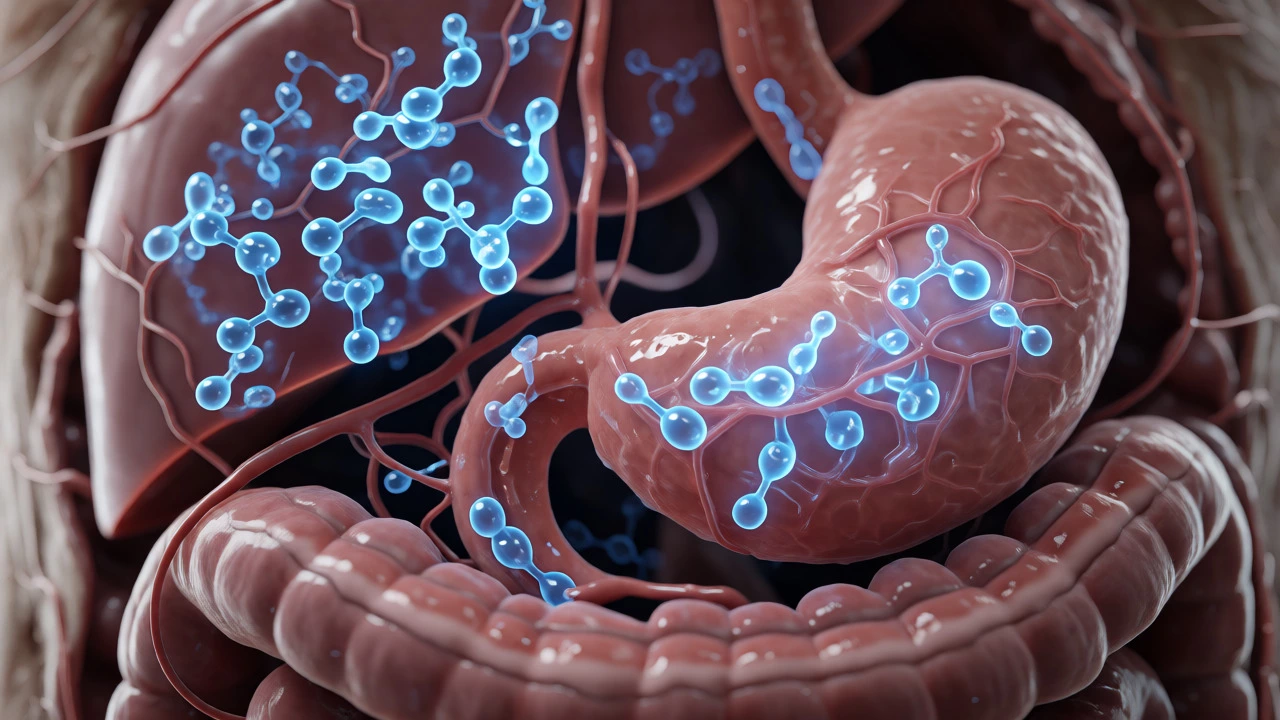
Low-Carb Gut Transition Checker
Select the symptoms you are experiencing while reducing carbohydrates to receive personalized biological explanations and mitigation strategies.
Awaiting Input
Select your symptoms on the left to see what is happening inside your body.
You cut the bread, skip the pasta, and maybe even say goodbye to that afternoon cookie. The goal? Drop a few kilos or just feel less sluggish. But about three days in, your stomach starts acting up. It’s bloated, it’s gurgling at weird times, and you might be wondering if you’re doing something wrong. You aren’t alone. Carbohydrate restriction is one of the most common dietary shifts people make, yet few realize how quickly it disrupts the delicate ecosystem inside your gut.
This isn't just about weight loss numbers on a scale. It’s about biology. When you stop eating carbs, your body doesn’t just switch fuel sources; it reorganizes its entire internal environment. From the bacteria living in your intestines to the way your stomach acid is produced, everything changes. Let’s break down exactly what happens inside your belly when you go low-carb, so you can navigate the transition without feeling like you’re fighting your own body.
The Immediate Shift: Glycogen Depletion and Water Weight
Within the first 24 to 48 hours of cutting out significant carbohydrates, your body taps into its emergency fuel reserves. This process is called glycogenolysis. Glycogen is stored glucose found primarily in your liver and muscles, serving as a quick-access energy bank. For every gram of glycogen your body stores, it holds onto about three to four grams of water. So, when you deplete those glycogen stores because you aren’t refilling them with carbs, that water has nowhere to go but out.
You’ll likely notice this immediately on the bathroom scale. A sudden drop of two to five kilograms often occurs in the first week. While this feels great, it’s mostly water, not fat. However, this rapid fluid shift affects your stomach too. As electrolytes like sodium, potassium, and magnesium flush out with the water, your digestive tract can become irritated. Many people report cramping or a "gripping" sensation in the lower abdomen during this phase. It’s your body adjusting to a new hydration balance, and it’s temporary for most, but uncomfortable while it lasts.
The Microbiome Meltdown: Starving Good Bacteria
Here is where things get more complex. Your gut is home to trillions of bacteria, collectively known as the gut microbiome. These microbes play a huge role in digestion, immunity, and even mood regulation. Most of these beneficial bacteria thrive on fiber and resistant starches-both of which are types of carbohydrates. When you drastically reduce carb intake, especially from whole grains, fruits, and legumes, you inadvertently starve some of these helpful populations.
Research published in journals like Nature Reviews Gastroenterology & Hepatology suggests that low-fiber diets can reduce the diversity of gut bacteria within just a few weeks. Why does this matter for your stomach? Less diversity means less efficient breakdown of food. You might experience increased gas, bloating, or irregular bowel movements. The bacteria that feed on simple sugars die off, while others that tolerate protein and fat better begin to dominate. This reshuffling can cause digestive turbulence until the community stabilizes, which typically takes several weeks.

Keto Flu and Digestive Distress
If you’re going extremely low-carb (like under 50 grams per day), you might enter ketosis. This metabolic state forces your liver to convert fats into ketones, an alternative fuel source for your brain and body. The transition period is famously dubbed the "keto flu," and while it sounds like a cold, it’s largely a digestive and neurological adjustment issue.
Symptoms include nausea, constipation, and sometimes diarrhea. Constipation is particularly common because many low-carb eaters forget to replace the bulk they lost by cutting out veggies and grains. Without enough fiber, stool moves slowly through the colon. Conversely, if you suddenly increase fat intake too quickly, your gallbladder might struggle to produce enough bile to emulsify all that fat. Undigested fat passes into the large intestine, drawing in water and causing loose stools. It’s a balancing act between fiber, fat, and hydration.
| Symptom | Cause | Typical Duration |
|---|---|---|
| Bloating/Gas | Microbiome shifting; fermentation changes | 1-3 Weeks |
| Constipation | Lack of fiber; dehydration | Variable; persists if unaddressed |
| Nausea | Electrolyte imbalance; rapid fat adaptation | 3-7 Days |
| Diarrhea | Fat malabsorption; sugar alcohol sensitivity | Short-term |
Acid Reflux and Heartburn Changes
Interestingly, some people find their heartburn improves on a low-carb diet, while others see it worsen. High-carb meals, especially those rich in refined sugars and processed flours, can trigger insulin spikes that relax the lower esophageal sphincter (LES). This allows stomach acid to creep back up into the esophagus. By removing these triggers, many users report less reflux.
However, high-fat foods-which often replace carbs-can also relax the LES. If you swap bread for heavy cream sauces or fatty steaks, you might still experience heartburn. Additionally, coffee consumption often increases on keto diets as a morning ritual replacement for bagels. Caffeine stimulates acid production. If you have a sensitive stomach, monitor how your body reacts to the combination of high fat and caffeine. It’s not the lack of carbs itself that causes reflux, but rather what you choose to eat instead.

How to Ease the Transition
You don’t have to suffer through the chaos. Smart adjustments can minimize stomach distress. First, prioritize soluble fiber. Since you’re cutting grains, get your fiber from non-starchy vegetables like broccoli, Brussels sprouts, and leafy greens. Psyllium husk is another excellent tool; it adds bulk to stool without adding net carbs, helping regulate bowel movements.
Second, manage your electrolytes. Salt your food generously. Drink bone broth or use electrolyte supplements containing magnesium and potassium. This helps prevent the cramping and fatigue associated with fluid loss. Third, introduce fats gradually. Don’t jump from a low-fat diet to 70% calories from fat overnight. Give your gallbladder time to adapt to higher bile demands.
- Hydrate aggressively: Aim for at least 2-3 liters of water daily.
- Add fermented foods: Sauerkraut, kimchi, or yogurt (if tolerated) reintroduce healthy bacteria.
- Chew thoroughly: Digestion begins in the mouth. With less fibrous bulk, mechanical breakdown matters more.
Long-Term Gut Health Considerations
After the initial shock wears off, most people’s stomachs settle into a new normal. Some report feeling lighter and less bloated long-term, attributing this to reduced inflammation from processed sugars. Others maintain a mild sensitivity to certain fibers. The key is individualization. Not everyone thrives on extreme carb restriction. If digestive issues persist beyond a month, consider increasing carb intake slightly to include more prebiotic-rich foods like onions, garlic, and leeks. These feed the good bacteria without spiking blood sugar significantly.
Your stomach adapts, but it needs support. Listening to your body’s signals-whether it’s hunger, fullness, or discomfort-is crucial. Low-carb eating isn’t a punishment; it’s a metabolic experiment. Treat your gut like a garden, not a machine. Nurture it with the right nutrients, and it will reward you with stability.
Why do I get constipated when I stop eating carbs?
Constipation is common because many high-carb foods, like whole grains and fruits, are primary sources of fiber. Cutting them out reduces stool bulk. Additionally, the initial water loss from glycogen depletion can dry out the intestinal lining. Increasing water intake and adding low-carb fiber sources like chia seeds or leafy greens usually resolves this.
Does a low-carb diet cause bad breath?
Yes, often referred to as "keto breath." When your body produces ketones for energy, one type, acetone, is released through your lungs and urine. It smells similar to nail polish remover or overripe fruit. Brushing teeth, staying hydrated, and chewing sugar-free gum can help mask the odor until your body becomes more efficient at using ketones.
Can low-carb diets worsen IBS symptoms?
It depends on the type of IBS. For IBS-C (constipation-predominant), low-carb can help if you focus on soluble fiber. For IBS-D (diarrhea-predominant), high fat intake might trigger symptoms due to fat malabsorption. Also, many low-carb sweeteners like erythritol or xylitol are FODMAPs, which can trigger bloating and pain in sensitive individuals. Proceed with caution and track specific triggers.
How long does stomach adjustment last?
For most people, acute symptoms like nausea, cramping, and severe bloating subside within 2 to 4 weeks. This is the time it takes for the gut microbiome to adjust and for the body to become "fat-adapted." Persistent issues beyond this point may indicate an underlying intolerance or an imbalance in macronutrients that needs tweaking.
Should I take probiotics when starting a low-carb diet?
Probiotics can be helpful, especially strains like Lactobacillus and Bifidobacterium, to support gut flora during the transition. However, food sources like sauerkraut, kimchi, or unsweetened yogurt are often more effective and provide additional nutrients. Check labels for hidden sugars in commercial probiotic drinks.