
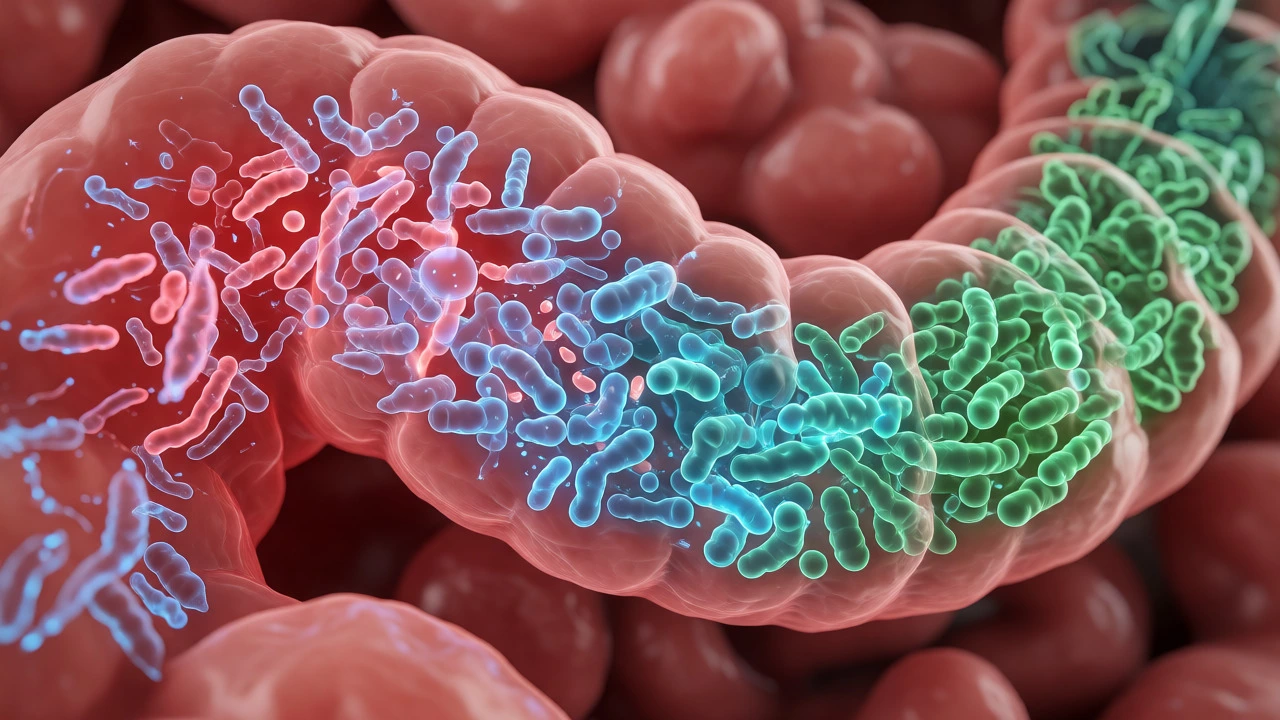
Gut Microbiome Transition Simulator
Select your current stage of transitioning away from meat to see what biological changes are likely happening in your gut right now.
You drop the steak from your plate, swap the chicken breast for a block of tofu, and suddenly your digestion feels different. Maybe you’re bloating more than usual. Maybe things are moving faster. Or maybe you feel lighter, clearer-headed, and oddly energetic. If you’ve ever wondered what’s actually happening inside your intestines when you cut out animal products, you aren’t alone. The shift isn’t just about ethics or weight; it’s a biological event that reshapes the ecosystem living in your gut.
Here’s the reality: your gut is home to trillions of bacteria, fungi, and viruses collectively known as the microbiome. This community dictates everything from how you process food to how your immune system functions. When you stop eating meat, you change the fuel source for these microbes. And like any ecosystem, when the resources change, the population shifts. Let’s look at what really goes on, step by step, without the medical jargon that usually makes this topic sound intimidating.
The First Few Days: Adaptation and Bloating
If you go cold turkey-no meat, no poultry, no fish-you might notice immediate changes within 24 to 72 hours. Most people report increased gas, mild bloating, or changes in bowel frequency. Why? It’s not because plants are "harder" to digest. It’s because they’re different.
Meat is low in fiber. Plants are high in fiber. Specifically, legumes, cruciferous vegetables (like broccoli and cauliflower), and whole grains contain complex carbohydrates called oligosaccharides. Humans lack the enzymes to break these down completely in the small intestine. So, they pass into the large intestine intact. There, your resident bacteria ferment them. Fermentation produces gas (hydrogen, methane, carbon dioxide) as a byproduct. If your gut bacteria were previously adapted to a low-fiber, high-protein diet, they don’t have enough of the specific strains needed to handle this sudden influx of fiber efficiently. Hence, the bloat.
This phase is temporary. For most people, symptoms peak around day three to five and then subside as the microbial population adjusts. Drinking water helps, but the key is patience. Your gut is literally breeding new bacterial colonies that thrive on plant matter.
Week One to Four: The Microbial Shift
By the end of the first week, if you stick with it, your microbiome begins to restructure itself. Research published in journals like *Nature* has shown that dietary changes can alter gut bacteria composition within 24 hours, but stable shifts take longer. When you remove meat, you reduce the abundance of certain bacteria associated with bile acid metabolism and protein fermentation.
Specifically, bacteria like Bilophila wadsworthensis and certain species of Bacteroides, which thrive on heme iron and saturated fats found in red meat, tend to decrease. In their place, bacteria that specialize in breaking down plant fibers flourish. Look for an increase in:
- Prevotella: A genus strongly linked to high-fiber, plant-based diets.
- Roseburia: Known for producing butyrate, a short-chain fatty acid that feeds colon cells and reduces inflammation.
- Lactobacillus: Often increases due to higher intake of fermented plant foods or simply better overall gut environment.
This isn’t just academic. These shifts matter because short-chain fatty acids (SCFAs) like butyrate are critical for maintaining the integrity of the gut lining. A healthy lining prevents "leaky gut," where toxins escape into the bloodstream and trigger systemic inflammation. By feeding your good bugs, you’re essentially investing in your body’s barrier defense.
Long-Term Changes: Inflammation and Immunity
After a month or two, the acute digestive adjustments fade, and the long-term physiological effects become apparent. One of the most significant changes is reduced systemic inflammation. Animal products, particularly processed meats, are linked to higher levels of inflammatory markers like C-reactive protein (CRP). Plant-based diets are naturally rich in antioxidants and polyphenols-compounds found in berries, leafy greens, nuts, and seeds-that combat oxidative stress.
Your immune system also gets a boost. About 70% of your immune tissue resides in your gut-associated lymphoid tissue (GALT). A diverse, fiber-fed microbiome trains your immune system to distinguish between harmless food antigens and actual pathogens. Studies suggest that vegetarians often have a lower risk of developing autoimmune conditions, partly due to this improved immune regulation.
| Feature | Meat-Based Diet | Plant-Based Diet |
|---|---|---|
| Primary Fuel Source | Proteins, Fats, Simple Carbs | Fibers, Complex Carbohydrates, Polyphenols |
| Dominant Bacteria Types | Higher in Proteobacteria, Bilophila | Higher in Firmicutes, Prevotella, Roseburia |
| Short-Chain Fatty Acid Production | Lower | Significantly Higher |
| Inflammation Markers | Tends to be higher | Tends to be lower |
| Gut Lining Integrity | Vulnerable to damage from excess bile acids | Strengthened by butyrate production |
The Iron Question: Absorption and Deficiency Risks
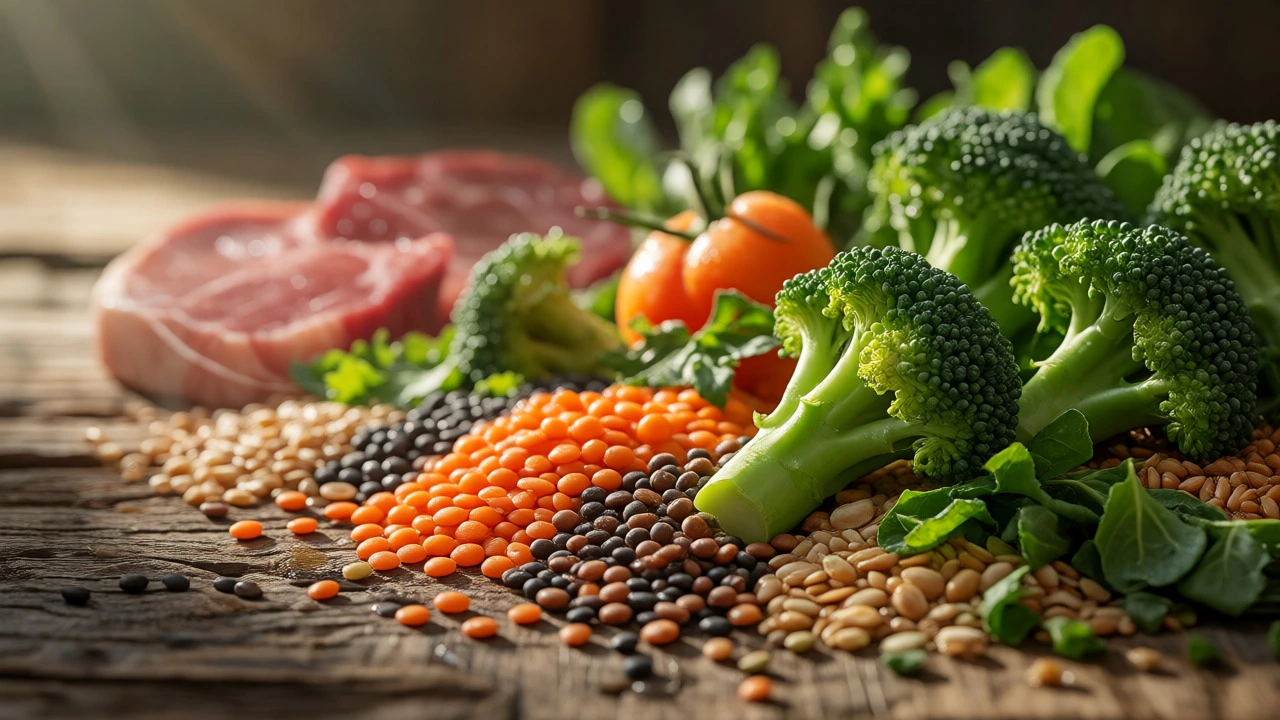
Let’s address the elephant in the room: iron. Meat contains heme iron, which is highly bioavailable (easily absorbed by the body). Plants contain non-heme iron, which is harder to absorb. Does stopping meat cause anemia? Not necessarily, but it requires strategy.
When you eat spinach or lentils, your body absorbs less iron than when you eat beef liver. However, you can hack this absorption rate. Vitamin C dramatically enhances non-heme iron uptake. Pairing iron-rich plants with citrus fruits, bell peppers, or tomatoes can double or triple absorption efficiency. Conversely, calcium and tannins (found in tea and coffee) inhibit iron absorption. So, skip the afternoon chai if you’re trying to maximize iron from lunch.
Most healthy adults can meet their iron needs through a well-planned vegetarian diet, especially if they include fortified cereals, dark leafy greens, legumes, and seeds. But if you experience fatigue, pale skin, or brain fog after several months, get your ferritin levels checked. It’s not a dealbreaker; it’s just a nutrient management task.
Mental Health and the Gut-Brain Axis
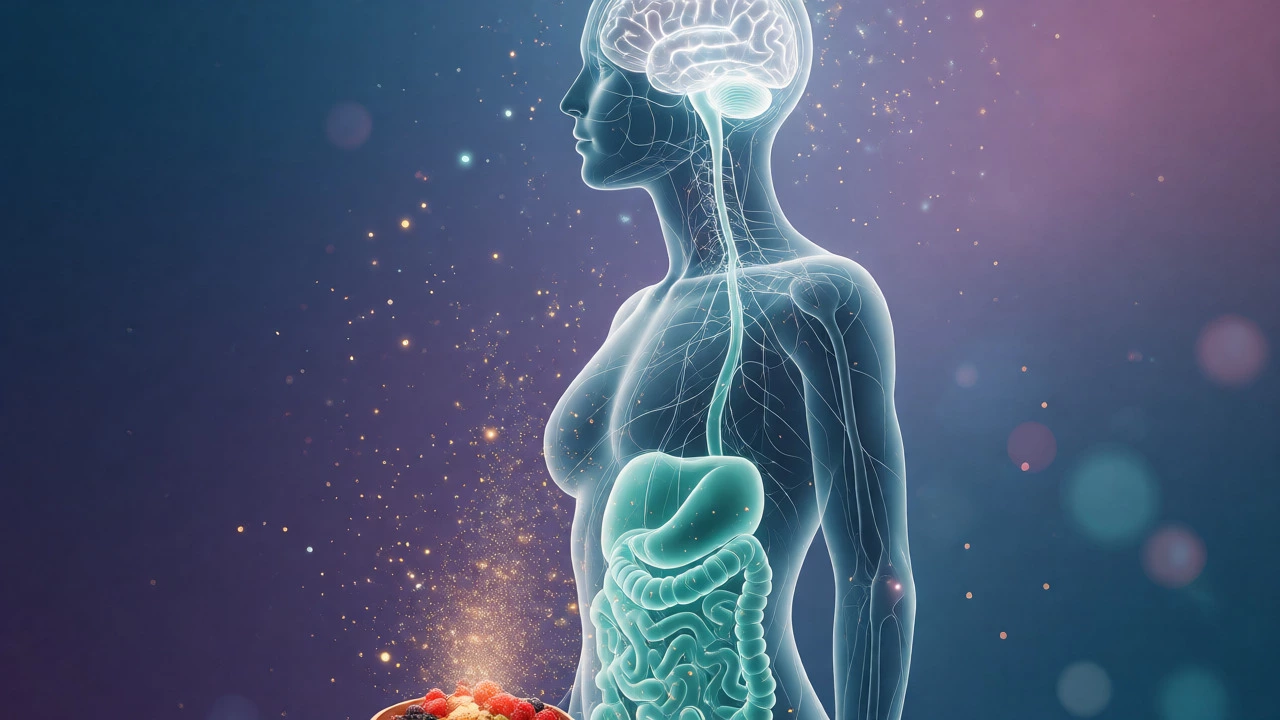
You might be surprised to hear that your mood could improve. The connection between the gut and the brain is real, mediated by the vagus nerve and neurotransmitters produced in the gut. Serotonin, the "happy chemical," is largely produced in the gastrointestinal tract. A healthy, diverse microbiome supports optimal serotonin production.
Some studies indicate that individuals following plant-based diets report lower levels of anxiety and depression compared to omnivores. While correlation doesn’t equal causation, the anti-inflammatory nature of plant diets likely plays a role. Chronic inflammation is increasingly linked to mental health disorders. By reducing inflammatory triggers (like processed meats) and increasing neuroprotective nutrients (like omega-3s from walnuts and flaxseeds), you create a biochemical environment conducive to better mental clarity.
Pitfalls to Avoid When Going Vegetarian
Not all vegetarian diets are created equal. Just because you stopped eating meat doesn’t mean you’re eating healthily. Here are common mistakes that can sabotage your gut health:
- The Cheese Trap: Replacing meat with excessive dairy can keep saturated fat intake high and fiber intake low. Dairy can also be inflammatory for some people.
- Ultra-Processed Meat Alternatives: Many store-bought veggie burgers and sausages are loaded with sodium, fillers, and additives that may irritate the gut lining. Read labels.
- Ignoring Protein Quality: You need complete proteins. Combine grains and legumes (rice and beans, hummus and pita) throughout the day to ensure you get all essential amino acids.
- Sudden Fiber Overload: Don’t jump from 10g of fiber a day to 40g overnight. Increase gradually over weeks to avoid severe cramping.
Practical Tips for a Smooth Transition
If you’re considering cutting out meat, here’s a roadmap to minimize discomfort and maximize benefits:
- Start Slowly: Try "Meatless Mondays" or eliminate red meat first before cutting poultry and fish. Give your microbiome time to adapt.
- Hydrate Aggressively: Fiber works by absorbing water. Without adequate hydration, fiber can cause constipation instead of relieving it.
- Embrace Fermented Foods: Sauerkraut, kimchi, miso, and kombucha introduce beneficial probiotics directly into your system. They help diversify your gut flora faster.
- Cook Your Veggies: Raw salads are great, but cooked vegetables are easier to digest. Steaming, roasting, or sautéing breaks down cell walls, making nutrients more accessible.
- Monitor Your Energy: Keep a simple journal. Note energy levels, digestion quality, and mood weekly. Adjust your diet based on how you feel, not just what you read online.
Stopping meat consumption is a profound lifestyle change that ripples through your biology. Your gut will tell you what it needs-listen to it. Whether you’re doing it for the planet, your waistline, or your longevity, understanding the mechanics of your digestion empowers you to make smarter choices. It’s not about deprivation; it’s about adding variety and nurturing the tiny allies that keep you healthy.
How long does it take for your gut to adjust to a vegetarian diet?
Initial adjustment symptoms like bloating and gas typically last 3 to 7 days. Full adaptation of the microbiome, where your gut bacteria stabilize into a new, fiber-loving community, usually takes 2 to 4 weeks. Consistency is key during this period.
Will I lose muscle mass if I stop eating meat?
Not necessarily. You can maintain or even build muscle on a vegetarian diet by ensuring adequate protein intake from sources like tofu, tempeh, lentils, quinoa, and seitan. Resistance training combined with sufficient protein calories supports muscle retention effectively.
Do vegetarians have healthier guts than meat-eaters?
Generally, yes. Vegetarians tend to have higher gut microbiome diversity and higher levels of beneficial bacteria that produce anti-inflammatory compounds. However, a diet high in refined carbs and sugar while avoiding meat can still lead to poor gut health, so quality matters more than just the absence of meat.
Why do I feel tired after switching to a vegetarian diet?
Fatigue can stem from inadequate calorie intake, iron deficiency, or vitamin B12 deficiency. Meat is a dense source of calories and B12. Ensure you are eating enough total food volume and consider a B12 supplement, as this vitamin is rarely found in sufficient quantities in plant foods alone.
Can a vegetarian diet cure leaky gut?
While not a guaranteed cure, a vegetarian diet rich in fiber and low in inflammatory processed foods can significantly help heal the gut lining. The increased production of butyrate strengthens intestinal tight junctions, reducing permeability. Removing potential irritants like antibiotics often found in conventional meat can also aid recovery.