

Carb Intake Tracker
Your Daily Carb Intake
Results
Estimated Ketosis Onset:
Possible Symptoms
- Fatigue
- Headaches
- Brain Fog
- Irritability
- Dizziness
- Cravings
- Sleep Disruption
Tip: Add 1/2 tsp sea salt to water or drink bone broth for electrolyte support.
When you cut out carbs for a week, your body doesn’t just go on a break-it goes into survival mode. You might think skipping bread, pasta, and sugar is just about weight loss, but what really happens is far more complex. Your energy levels, mood, sleep, and even digestion shift in ways most people don’t expect.
Your Body Switches Fuel Sources
Carbs are your body’s go-to energy source. When you remove them, your liver starts breaking down fat into molecules called ketones. This process is called ketosis. It usually kicks in between days two and four. You won’t feel like you’re on fire, but you’ll notice subtle changes: less hunger between meals, fewer cravings for sweets, and a strange calmness. That’s not just willpower-it’s your brain running on ketones instead of glucose.
People who’ve done this before say it feels like switching from a gas-guzzling SUV to an electric car. The energy isn’t as flashy, but it’s steadier. No more 3 p.m. crashes. No more sugar spikes that leave you sluggish. But here’s the catch: your body needs time to adapt. The first three days are rough.
The First Three Days: The Carb Crash
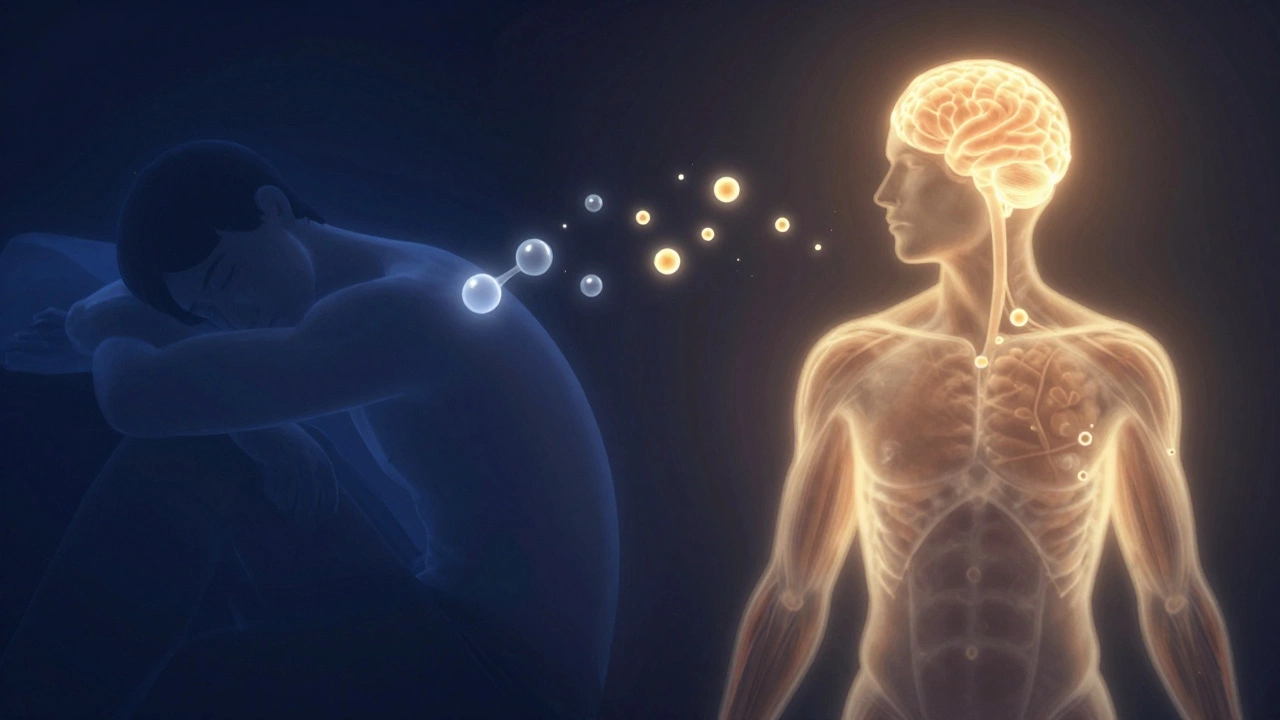
If you’ve ever tried a no-carb diet and quit after day two, you’re not alone. That’s when withdrawal hits hardest. Your muscles are empty of glycogen-the stored form of glucose. Without it, you feel weak. Your head might pound. You might feel dizzy when you stand up. Irritability? Common. Brain fog? Almost guaranteed.
This isn’t a myth. A 2023 study from the University of Melbourne tracked 87 people who cut all carbs for seven days. Nearly 80% reported headaches, fatigue, and difficulty concentrating during days one to three. These symptoms aren’t dangerous, but they’re real. They happen because your brain is used to 120 grams of glucose a day. When that drops to 20, it throws a tantrum.
Drinking more water helps. So does adding extra salt. Your body flushes out sodium when carbs disappear. That’s why people feel lightheaded. A pinch of sea salt in water or a broth-based soup can make day two feel bearable.
What You Can Actually Eat
Going carb-free doesn’t mean eating only meat. It means avoiding grains, sugar, starchy vegetables, and most fruits. But you still have options. Eggs, fatty fish like salmon, chicken thighs, bacon, cheese, nuts, leafy greens, broccoli, cauliflower, zucchini, avocado, olive oil, and butter are all fair game. You can even have full-fat yogurt if you’re careful with portion sizes.
Low-carb recipes aren’t about deprivation-they’re about creativity. Think cauliflower rice stir-fry with sesame oil and soy sauce. Zucchini noodles with pesto and grilled shrimp. Bacon-wrapped asparagus. Hard-boiled eggs with avocado slices and a sprinkle of everything bagel seasoning. You’ll find that your meals get more flavorful, not less.
Many people don’t realize how much hidden sugar is in everyday foods. Tomato sauce? Often loaded with sugar. Greek yogurt? Usually sweetened. Even "healthy" snacks like protein bars can have 15 grams of carbs. Reading labels becomes a habit. You’ll start noticing how much you didn’t know you were eating.
Weight Loss Isn’t Always Fat
You’ll probably lose weight fast-three to five pounds in the first week. But most of that isn’t fat. It’s water. For every gram of glycogen your body stores, it holds onto three to four grams of water. When you cut carbs, you burn through your glycogen stores, and the water goes with it.
That’s why the scale drops so fast. But if you go back to eating rice or bread after the week, that water weight comes right back. The real test is what happens after day seven. If you keep the diet going, fat loss starts to show. But for most people, the week-long experiment is about seeing how their body responds-not about long-term weight loss.
Mood and Sleep Get Weird
Some people feel sharper. Others feel like they’re stuck in slow motion. Sleep quality often dips in the first few nights. That’s because your body is adjusting its melatonin and cortisol rhythms. Without carbs, serotonin production drops temporarily. Serotonin helps regulate sleep and mood. So if you’re feeling anxious or emotional, it’s not just in your head.
One woman in the Melbourne study kept a journal. She wrote: "Day one: I cried over a broken toaster. Day four: I slept 8 hours straight for the first time in months. Day seven: I didn’t miss bread. I missed the feeling of fullness after a meal."
That’s the emotional rollercoaster. You might not lose weight, but you might discover how much carbs were masking your true hunger cues.

Who Shouldn’t Try This
Not everyone should go carb-free for a week. If you have diabetes, especially type 1, this can be risky without medical supervision. If you’re pregnant, breastfeeding, or have a history of eating disorders, avoid it. Athletes who train intensely will likely hit a wall. Your muscles need glycogen to recover.
People with thyroid issues or adrenal fatigue also tend to struggle. Their bodies are already working overtime to regulate energy. Removing carbs can push them into burnout mode.
But for healthy adults who are curious, it’s a useful experiment. Think of it like a 7-day detox-not for your liver, but for your brain’s relationship with food.
What Comes After Week One
Most people don’t stay fully carb-free. And they shouldn’t. The goal isn’t to live without carbs forever. It’s to find out how much you really need. Maybe you’re fine with 50 grams a day. Maybe you thrive on 80. Maybe you need a small sweet potato after a workout.
After the week, try reintroducing carbs slowly. Start with non-starchy vegetables, then add berries, then maybe a slice of sourdough. Pay attention to how you feel. Do you get sleepy after lunch? Do cravings come back? Do you feel more focused?
This isn’t about perfection. It’s about awareness. You’ll learn what foods make you feel light and clear, and which ones make you feel foggy and sluggish. That’s more valuable than any diet plan.
Final Thoughts
Eating no carbs for a week isn’t a magic trick. It’s a mirror. It shows you how much your body relies on sugar for energy, how sensitive your mood is to blood sugar swings, and how many "healthy" foods are actually sugar bombs in disguise.
If you do it, don’t expect to lose 10 pounds. Don’t expect to feel like a superhero. But if you pay attention, you might walk away with something better: clarity.