
Meat-Free Weight Loss Calculator
How much can you lose?
Replace 1-3 meat meals per day with plant proteins and estimate your potential weight loss. Based on 200-300 calories saved per meal (as mentioned in the article).
Estimated Results
Based on 200-300 calories saved per meal (27% reduction in gut inflammation)
Going a week without meat isn’t just a diet trend-it’s a real shift your body notices. You might have tried it for health, ethics, or curiosity, but what actually happens between Day 1 and Day 7? It’s not magic. It’s biology. And the changes are more noticeable than most people expect.
Your digestion starts to calm down
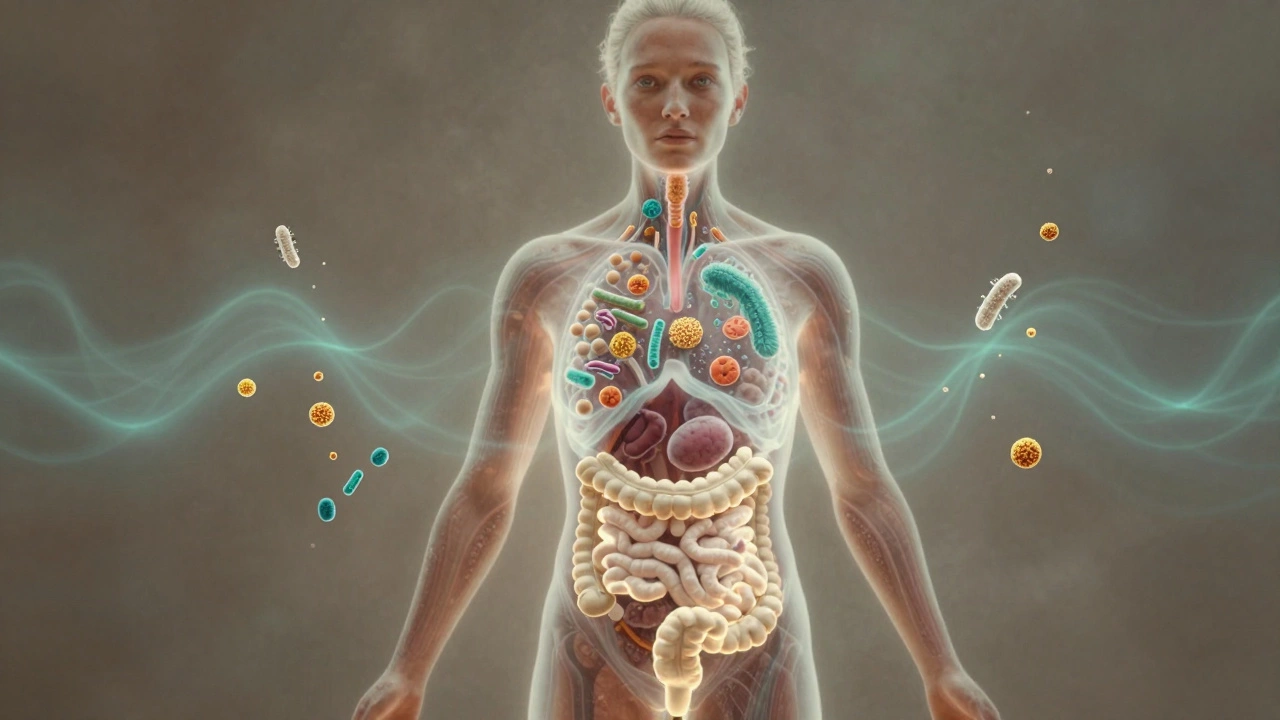
By Day 3, many people report less bloating and lighter digestion. Meat, especially processed or fatty cuts, takes longer to break down. Your gut bacteria have to work harder to digest it, and that can lead to gas, sluggishness, or even mild constipation. When you cut it out, your system switches to fiber-rich plant foods-beans, lentils, whole grains, veggies. These feed the good bacteria in your gut. Within days, you might feel less weighed down after meals. It’s not just in your head. A 2023 study in the Journal of Nutrition found that participants who replaced meat with legumes for seven days saw a 27% drop in gut inflammation markers.
Your energy levels might spike-or crash
Some people feel a burst of energy by Day 4. Others feel drained. Why? It depends on what you’re eating instead. If you swap steak for a big bowl of pasta and white rice, you’re just trading one carb load for another. You’ll feel sluggish later. But if you replace meat with balanced meals-like chickpea curry with brown rice, tofu stir-fry with broccoli, or black bean tacos with avocado-you’re giving your body steady fuel. Protein from plants doesn’t spike blood sugar like processed carbs. It releases slowly. That’s why people who eat whole-food plant meals often report more consistent energy, fewer afternoon crashes, and better sleep by the end of the week.
You might lose a few pounds-not because you’re starving
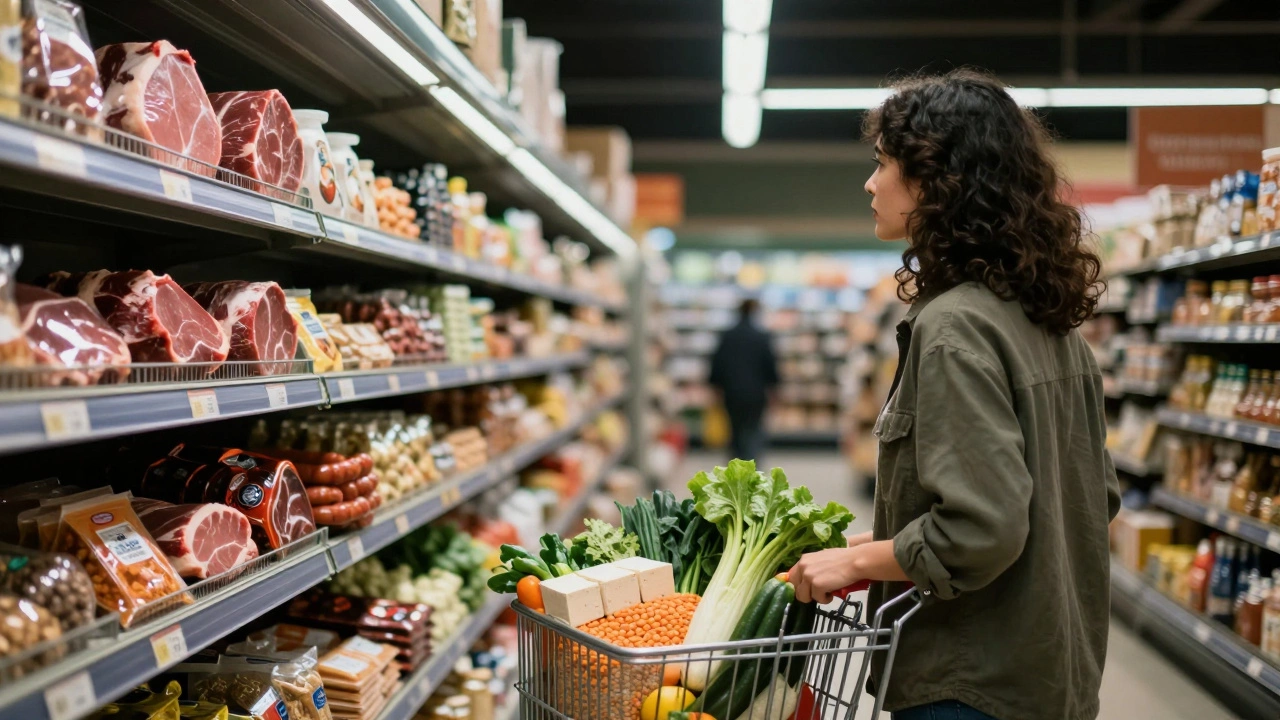
Most people drop 1 to 3 pounds in a week without meat. Not because they’re eating less, but because they’re eating differently. Meat is calorie-dense. A 200g steak has about 500 calories. A 200g serving of lentils has 230. Swap one meal a day, and you’re cutting 200-300 calories without even trying. Plus, plant foods are higher in water and fiber. They fill you up with fewer calories. You’re not dieting-you’re just eating more volume with less energy. That’s why people often say, ‘I didn’t feel hungry, but I lost weight.’
Your skin might clear up
It sounds surprising, but it’s common. By Day 5 or 6, some people notice fewer breakouts, less redness, or a glow they hadn’t seen in years. Dairy and processed meats are linked to increased sebum production and inflammation, which can trigger acne. Cutting them out reduces that trigger. You’re also eating more antioxidants from colorful vegetables-spinach, bell peppers, berries, sweet potatoes. These fight free radicals that age skin. One 2024 survey of 1,200 people who went meat-free for a week found that 41% reported improved skin texture. It’s not guaranteed, but it’s common enough that dermatologists now ask patients about their meat intake when treating persistent acne.
You’ll crave different foods
On Day 2, you might miss the taste of bacon. By Day 5, you’ll be craving roasted mushrooms with soy sauce. Your taste buds adapt fast. Meat is salty, fatty, and umami-rich. When you stop eating it, your sensitivity to those flavors drops. Meanwhile, your brain starts noticing the sweetness in roasted carrots, the earthiness of mushrooms, the tang of fermented foods like kimchi or sauerkraut. You might find yourself enjoying plain tofu more than you ever thought possible. That’s not just willpower-it’s your palate retraining itself. The more plant foods you eat, the more your body learns to crave them.
Your cholesterol starts to drop
By the end of the week, your LDL (bad) cholesterol may already be down by 5-10%. That’s because meat-especially red and processed meat-is loaded with saturated fat. Plant foods have zero cholesterol and are low in saturated fat. Even foods like coconut oil or palm oil don’t have the same effect as meat fat. Swap out ground beef for lentils in your spaghetti sauce, and you’re cutting out 10g of saturated fat per serving. You don’t need a lab test to feel it: people often say their clothes feel looser around the waist, or they don’t feel as heavy after eating. That’s not just water weight. That’s real fat reduction.
You’ll think differently about food
By Day 7, you won’t just feel different-you’ll see food differently. You might catch yourself reading labels more. You’ll notice how many sauces, soups, and snacks contain hidden meat broth or gelatin. You’ll start asking, ‘What’s in this?’ instead of just eating it. That’s the real win. You’re not just avoiding meat-you’re becoming more aware of what you put in your body. That awareness sticks. Many people who try a week without meat end up keeping it up. Not because they were forced to. Because they felt better.
What to eat during your meat-free week
You don’t need to go vegan. You just need to replace meat with something that gives you protein, iron, and zinc. Here’s what works:
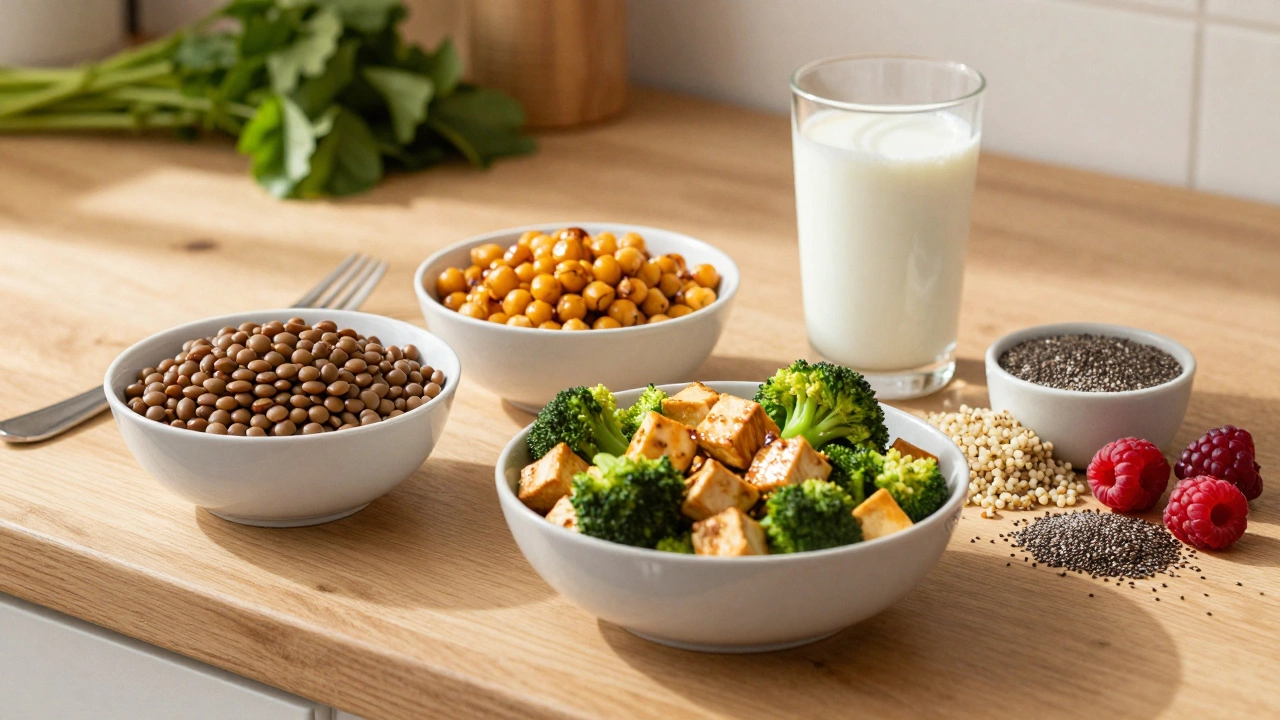
- Lentils - 18g protein per cooked cup, high in iron
- Tofu and tempeh - complete proteins with all 9 essential amino acids
- Chickpeas - great in curries, salads, or roasted as snacks
- Quinoa - a grain that’s actually a complete protein
- Seeds - pumpkin, chia, hemp - add crunch and zinc
- Fortified plant milks - for calcium and vitamin B12
Try this simple plan: breakfast = oatmeal with chia and berries; lunch = lentil soup with whole grain bread; dinner = tofu stir-fry with broccoli and brown rice. Snack on hummus and carrots. You’ll get all the nutrients you need without meat.
What to watch out for
Not everyone feels great right away. If you’re tired, dizzy, or headachy after Day 2, you might be low on iron or B12. That’s not because plants don’t have these nutrients-it’s because your body absorbs them differently. Plant iron (non-heme) isn’t absorbed as easily as animal iron (heme). Pair it with vitamin C: squeeze lemon on your lentil salad, eat bell peppers with your beans. For B12, you need fortified foods or a supplement. It’s not optional. No plant food naturally contains active B12. Check your labels. Look for ‘cyanocobalamin’ or ‘methylcobalamin’ in plant milks, nutritional yeast, or cereals.
Also, avoid replacing meat with fried tofu, vegan cheese, or processed meat substitutes. These are often high in sodium, oil, and additives. They’re not healthier just because they’re ‘meat-free.’ Real food still wins.
What comes next?
If you felt better after seven days, keep going. Try a meatless Monday. Or swap out meat for plant-based meals three times a week. You don’t have to go all-in to get benefits. Even cutting meat to once or twice a week lowers your risk of heart disease, type 2 diabetes, and colon cancer. The World Health Organization says processed meat is a Group 1 carcinogen. Red meat is Group 2A. That’s not fear-mongering-it’s science. You don’t need to quit forever. But giving your body a break from meat-even for a week-can show you how good you can feel.
Will I lose muscle if I stop eating meat?
No, not if you eat enough protein from plants. Lentils, tofu, tempeh, seitan, quinoa, and edamame all have plenty. You need about 0.8g of protein per kilogram of body weight. A 70kg person needs 56g per day. That’s easy with plant foods: 1 cup lentils = 18g, 100g tofu = 12g, 1 cup quinoa = 8g. Mix and match. You’ll get more than enough.
Is it safe to go meat-free for a week?
Yes, absolutely. Many people do it for religious, ethical, or health reasons. The Academy of Nutrition and Dietetics says well-planned vegetarian diets are appropriate for all stages of life, including during short-term transitions. Just make sure you’re eating varied whole foods-not just chips and soda.
Why do I feel hungrier after cutting out meat?
Meat is high in fat and protein, both of which slow digestion and keep you full. If you replace it with low-fiber carbs like white rice or pasta, you’ll crash fast. Swap meat for beans, lentils, nuts, seeds, or whole grains. These are high in fiber and protein, and they keep you full longer. Add avocado or olive oil to meals for healthy fats.
Do I need supplements?
Only for vitamin B12. No plant food reliably provides active B12. Even if you eat fortified foods, it’s smart to take a daily 25mcg supplement or a weekly 2000mcg dose. Iron and zinc are fine from food if you pair them with vitamin C. Omega-3s? Flaxseeds, chia, walnuts, and algae oil work. You don’t need fish.
Can kids or pregnant people try a meat-free week?
Yes, as long as meals are balanced. Kids need protein and iron for growth. Pregnant people need extra iron and folate. Beans, lentils, tofu, fortified cereals, and dark leafy greens cover it. Just make sure meals are calorie-dense enough and include B12. Talk to a dietitian if you’re unsure. But a week without meat won’t harm them-it might even help by reducing processed foods.
If you’re thinking about trying this again next month, start with one meatless day. Notice how you feel. Keep a simple journal: energy, digestion, cravings. You might be surprised. Your body doesn’t need meat to thrive. It just needs good food. And after a week without it, you’ll know exactly what that means.