
You’ve just finished a big plate of mashed potatoes, turkey, and gravy. Your eyelids feel heavy. Your body sinks into the couch. You’re not lazy-you’re just sleepy. And it’s not just because you ate too much. Certain foods naturally trigger drowsiness, and they’re often the same ones we turn to for comfort. If you’ve ever wondered why that holiday feast leaves you dragging, or why a bowl of oatmeal at night feels like a lullaby, you’re not imagining it. There’s real science behind why some foods make you sleepy.
Why Some Foods Knock You Out
It’s not magic. It’s biology. When you eat certain foods, your body breaks them down into compounds that signal your brain to slow down. The main player here is tryptophan, an amino acid your body can’t make on its own. You get it from food, and once it’s in your system, it turns into serotonin, then melatonin-the hormone that tells your body it’s time to sleep.
But tryptophan doesn’t work alone. It needs help getting into your brain. That’s where carbohydrates come in. When you eat carbs, your body releases insulin. Insulin clears other amino acids out of your bloodstream, leaving tryptophan with less competition to cross the blood-brain barrier. More tryptophan in = more melatonin made = sleepier you.
This isn’t just about turkey. It’s about the whole combo: protein + carbs + fats. That’s why a slice of pizza or a bowl of mac and cheese can hit just as hard as Thanksgiving dinner.
Foods That Naturally Make You Sleepy
Here are the top foods that actually make you drowsy-not because you ate too much, but because of what’s inside them.
- Turkey: Often blamed for post-Thanksgiving naps, turkey does contain tryptophan. But it’s not the superstar here. You’d need to eat a whole bird to get enough to knock you out. Still, it’s part of the team.
- Chicken: Like turkey, chicken is packed with tryptophan. A grilled chicken sandwich with whole grain bread? That’s a sleep combo.
- Cheese: Especially cheddar, mozzarella, and Swiss. Cheese has tryptophan and calcium, which helps your brain turn tryptophan into melatonin. A late-night grilled cheese? Don’t be surprised if you’re snoring by 9 PM.
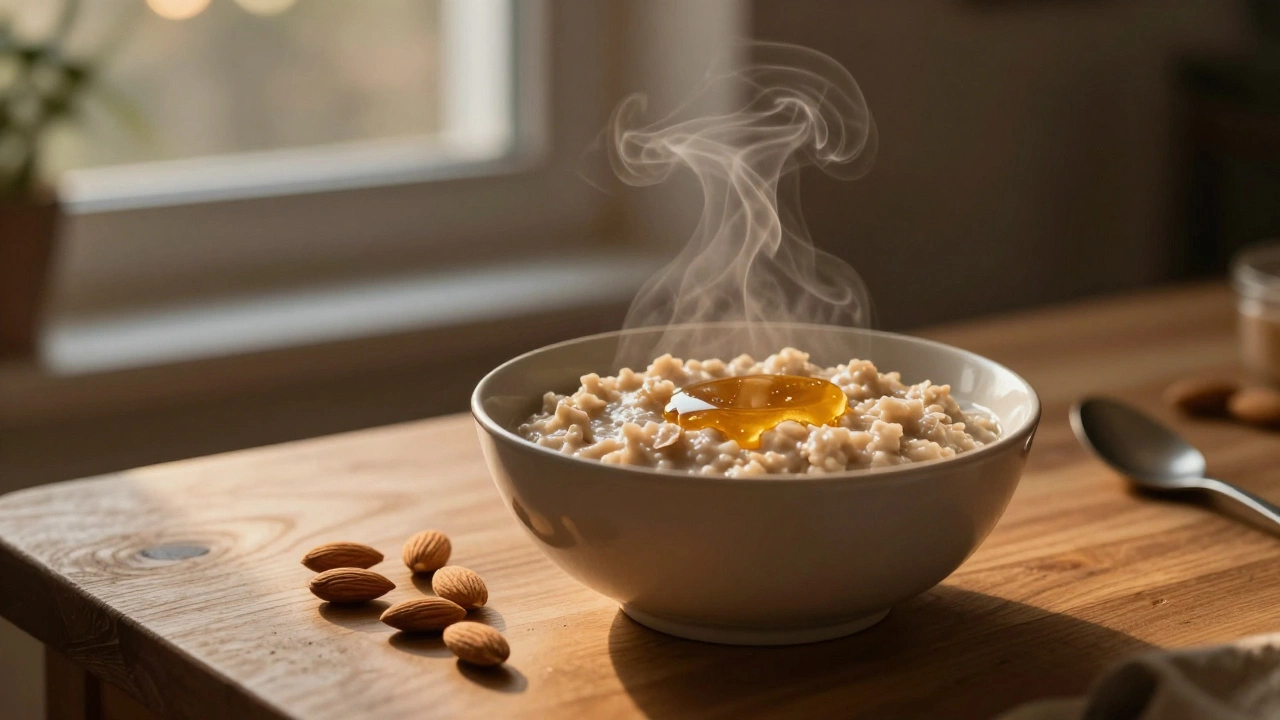
- Oatmeal: A warm bowl of plain oatmeal with a drizzle of honey is a classic bedtime snack. The carbs spike insulin, helping tryptophan sneak into your brain. Plus, oats contain a small amount of melatonin naturally.
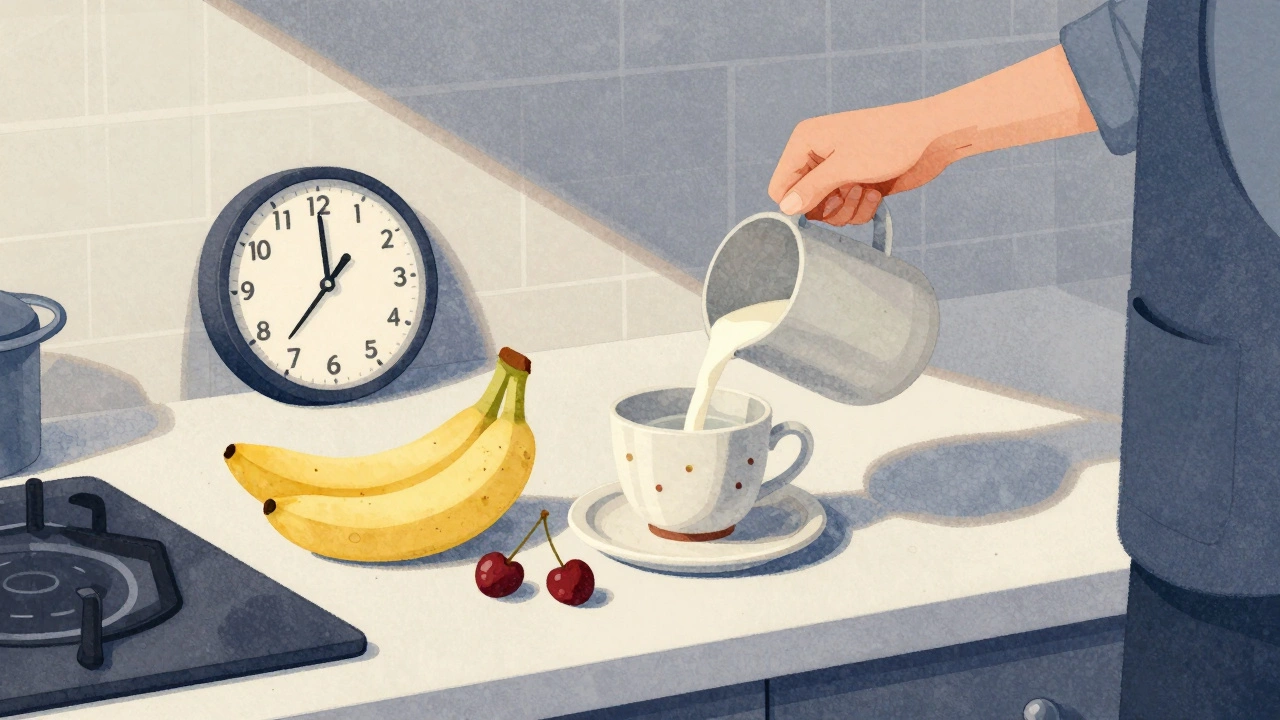
- Bananas: They’re not just for potassium. Bananas have tryptophan, magnesium (a natural muscle relaxant), and vitamin B6, which helps convert tryptophan into melatonin.
- Almonds and walnuts: These nuts are rich in tryptophan and magnesium. A small handful before bed can help you fall asleep faster. Walnuts even contain a bit of melatonin themselves.
- White rice: High-glycemic carbs like white rice cause a quick insulin spike, making tryptophan more available to your brain. A study in the American Journal of Clinical Nutrition found people who ate white rice at dinner fell asleep faster than those who ate whole grains.
- Pasta: Especially when it’s made from refined flour. A creamy fettuccine Alfredo isn’t just comfort food-it’s a sleep aid. The carbs do the heavy lifting, while the cheese adds tryptophan.
- Milk: Warm milk has been a bedtime ritual for generations. It’s not just nostalgia. Milk contains tryptophan and calcium. Add a little honey, and you’ve got a natural sleep cocktail.
- Cherries: Tart cherries are one of the few natural food sources of melatonin. A small bowl or a glass of unsweetened tart cherry juice before bed can help regulate your sleep cycle.
Why Comfort Foods Are the Worst (and Best) for Sleep
Comfort foods-mashed potatoes, mac and cheese, pizza, fried chicken-are often high in both carbs and fat. That’s a double whammy for sleepiness. Fat slows digestion, keeping your body busy processing food all night. Carbs push tryptophan into your brain. Together, they create the perfect storm for post-meal drowsiness.
But here’s the catch: these foods are also the ones we crave when we’re stressed, lonely, or tired. We eat them because they make us feel safe. And then they make us sleepy. It’s a loop. You feel down → eat comfort food → feel sleepy → feel worse → eat more comfort food.
It’s not that these foods are bad. It’s about timing. Eating a big plate of lasagna at 8 PM might help you drift off-but if you’re trying to sleep well through the night, that heavy meal could disrupt your REM cycle. Your body’s still working to digest it when it should be in deep recovery mode.
What to Eat Instead for Better Sleep
You don’t have to give up comfort food entirely. Just tweak it.
- Swap white rice for brown rice or quinoa-they digest slower and won’t spike your blood sugar as hard.
- Use whole grain pasta instead of refined. It still has carbs, but they release slowly, keeping your energy steadier.
- Choose low-fat cheese or plant-based alternatives to cut back on fat without losing the creamy comfort.
- Add turkey or chicken breast to a salad with spinach and cherry tomatoes instead of loading it onto a roll with mayo.
- Make a bedtime snack of almonds + a banana instead of cookies or chips.
Even small swaps make a difference. A 2022 study in the Journal of Sleep Research showed that people who replaced one high-fat, high-sugar snack with a tryptophan-rich, low-glycemic option fell asleep 15 minutes faster on average.
When Sleepiness Isn’t Just About Food
Not every post-meal nap is caused by what’s on your plate. Other factors play a role:
- Overeating: Any big meal diverts blood flow to your gut, leaving less for your brain. That’s why you feel foggy after a holiday feast.
- Alcohol: A glass of wine might make you drowsy, but it ruins sleep quality later in the night.
- Dehydration: Even mild dehydration can cause fatigue. Drink water before and after meals.
- Lack of sleep: If you’re already tired, any food will feel like a sleep trigger. Fix your sleep schedule first.
- Medications: Some antidepressants, antihistamines, and blood pressure meds cause drowsiness as a side effect.
If you’re constantly sleepy after meals-even small ones-it’s worth checking in with a doctor. It could be blood sugar issues, food intolerances, or sleep apnea.
Final Tip: Timing Matters More Than You Think
The best time to eat sleep-inducing foods? At least two hours before bed. That gives your body time to digest and convert tryptophan into melatonin without disrupting your sleep cycle with heavy digestion.
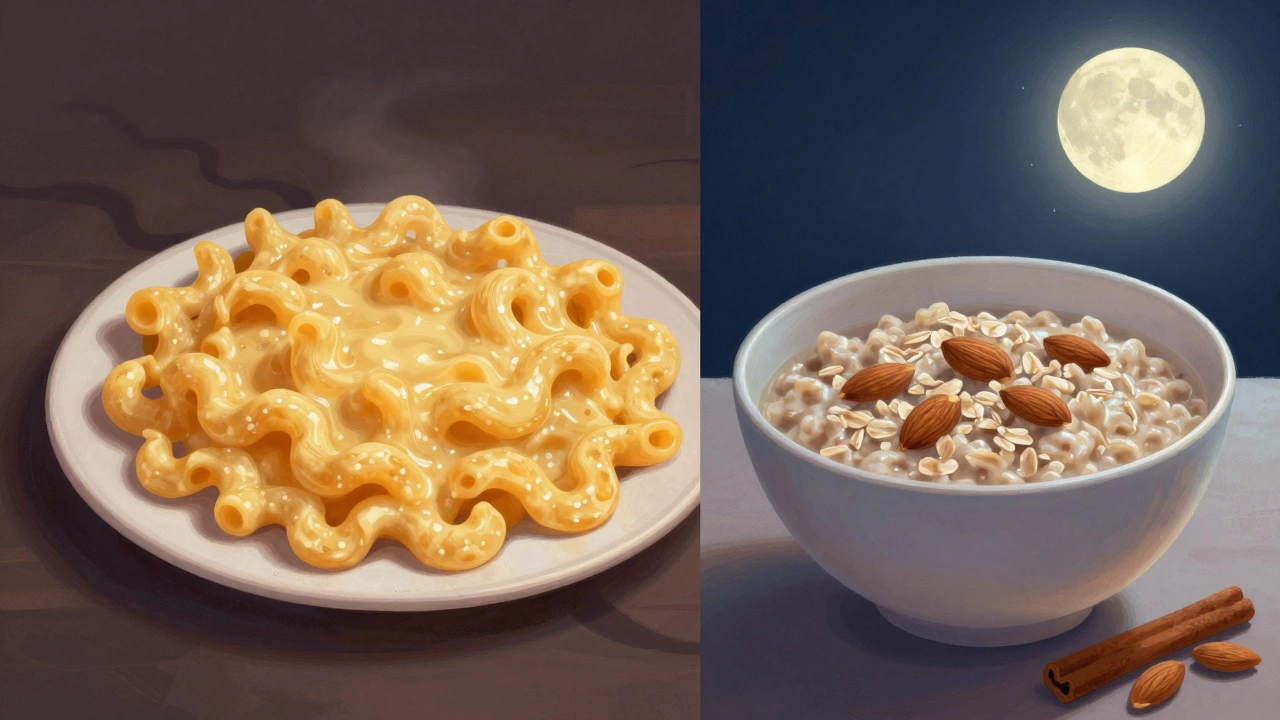
Try this: 30 minutes before bed, have a small bowl of oatmeal with a few sliced almonds and a drizzle of honey. Or a cup of warm milk with a sprinkle of cinnamon. No TV. No phone. Just quiet. You might be surprised how much better you sleep.
Food doesn’t have to be the enemy of good sleep. When you understand how it works, you can use it to your advantage. The right comfort food, at the right time, can be the gentle nudge your body needs to rest deeply-and wake up feeling truly restored.
Does turkey really make you sleepy?
Turkey contains tryptophan, but so do chicken, cheese, and nuts. The real reason you feel sleepy after Thanksgiving dinner is the combo of turkey, carbs like stuffing and mashed potatoes, and eating way more than usual. It’s the meal size and mix, not the turkey alone.
Can eating carbs at night make you gain weight?
Not if you’re eating the right kinds in moderate portions. Whole grain oats, quinoa, or a small banana before bed won’t cause weight gain. What does? Eating large portions of refined carbs like white bread, pasta, or cookies late at night-especially when you’re already full. Your body stores excess calories as fat, no matter the time.
Is it bad to eat before bed?
It depends. Heavy, greasy, or spicy meals right before bed can cause indigestion and disrupt sleep. But a small, tryptophan-rich, low-fat snack like yogurt, almonds, or a banana can actually help you fall asleep faster. The key is portion and timing-eat at least 90 minutes before lying down.
Why do I feel sleepy after eating salad?
If your salad has chicken, cheese, eggs, or nuts, those contain tryptophan. Also, if you ate a large portion or skipped protein earlier in the day, your body might be signaling rest. And if you’re dehydrated or low on iron, even a light meal can trigger fatigue.
What’s the best bedtime snack for sleep?
A small bowl of oatmeal with a few almonds and a drizzle of honey. Or a cup of warm milk with cinnamon. Both provide tryptophan, a little carb to help it into your brain, and no sugar crash. Avoid chocolate, sugary yogurt, or anything fried-those will keep you awake.