
Metabolic Plate & Thermic Effect Calculator
Meal Composition
This is the energy actually stored or used by your body.
Visualizing the Thermic Effect
Percentages represent calories burned during digestion vs total calories consumed.
Optimizing Your Metabolic Plate
- Prioritize Protein: Aim for 0.7-1g per pound of target body weight to maximize TEF.
- Fiber is Key: Add oats, legumes, or vegetables to slow digestion and stabilize insulin.
- Healthy Fats: Use olive oil or avocados in moderation to fight inflammation without spiking blood sugar.
- Hydrate: Drink cold water before meals to slightly boost energy expenditure.
You’ve probably seen the headlines. "Eat this to burn belly fat overnight." "This green juice melts pounds." It sounds too good to be true, mostly because it is. There is no single food on earth that acts like a chemical solvent for your body fat. If you eat a pound of chicken breast, you don’t magically lose a pound of stored adipose tissue in return. That’s not how biology works.
However, the idea isn’t entirely wrong-it’s just misunderstood. Certain foods do influence your metabolism, increase thermogenesis (the energy used to digest food), and help regulate hormones that control hunger and fat storage. When you build a diet around these specific ingredients, you create an environment where your body prefers burning fat for fuel rather than storing it. This isn’t about magic bullets; it’s about metabolic efficiency.
The Thermic Effect: Why Protein Is Your Best Friend
If we are talking about foods that require your body to burn calories just to process them, protein is the undisputed king. This phenomenon is called the Thermic Effect of Food (TEF). While carbohydrates and fats cost your body very little energy to break down, protein is expensive. Your body uses roughly 20% to 30% of the calories in protein just to digest, absorb, and metabolize it. Compare that to carbs (5-10%) and fats (0-3%), and the difference is stark.
| Macronutrient | Calories Burned During Digestion | Net Calories Retained |
|---|---|---|
| Protein | 20-30% | 70-80% |
| Carbohydrates | 5-10% | 90-95% |
| Fats | 0-3% | 97-100% |
This means if you eat 100 calories of lean meat or fish, your body only nets about 75 calories from it. The rest is burned as heat. To maximize this effect, focus on high-quality sources like salmon, which provides both protein and anti-inflammatory omega-3 fatty acids, skinless chicken breast, eggs, and Greek yogurt. Aim for a serving of protein at every meal to keep your metabolic rate elevated throughout the day.
Fiber-Rich Foods: The Natural Appetite Suppressants
Fat loss isn’t just about burning more; it’s also about eating less without feeling miserable. This is where soluble fiber steps in. Soluble fiber dissolves in water to form a gel-like substance in your gut. This slows down digestion, which keeps you full longer and prevents blood sugar spikes that lead to cravings. When your blood sugar stays stable, your insulin levels remain low. High insulin blocks fat breakdown, so keeping it steady is crucial for flushing out stored fat.
The best sources of soluble fiber include oats, legumes, apples, and Brussels sprouts. Oats contain beta-glucan, a specific type of fiber shown in studies to improve satiety and reduce calorie intake at subsequent meals. Legumes like black beans and lentils are powerhouses here, offering high fiber and moderate protein. A simple salad topped with chickpeas or a bowl of oatmeal with chia seeds can anchor your appetite for hours. Don't underestimate the power of vegetables; they add bulk to your stomach without adding significant calories, physically stretching the stomach walls to signal fullness to your brain.
Spices and Heat: Capsaicin and Catechins
If you want a slight metabolic kick, look to your spice rack. Capsaicin, the active component in chili peppers, has been shown to temporarily boost metabolism and increase fat oxidation. It doesn’t burn massive amounts of fat on its own, but it adds up over time. Adding fresh jalapeños, cayenne pepper, or red pepper flakes to your meals can give your thermogenesis a small nudge.
Green tea is another staple in the fat-loss toolkit. It contains catechins, specifically epigallocatechin gallate (EGCG), along with caffeine. Research suggests that EGCG can inhibit an enzyme that breaks down the hormone norepinephrine. More norepinephrine means your body signals your fat cells to break down fat more effectively. Drinking 2-3 cups of unsweetened green tea daily is a low-effort way to support this process. Matcha, which uses the whole tea leaf, offers an even higher concentration of these compounds.

Healthy Fats That Fight Inflammation
It seems counterintuitive, but eating fat can help you lose fat. The key is choosing the right kind. Saturated fats and trans fats can promote inflammation and insulin resistance, making weight loss harder. On the other hand, monounsaturated and polyunsaturated fats improve metabolic health. Avocados, nuts (like almonds and walnuts), and olive oil are rich in these healthy fats.
Avocados are particularly effective because they combine healthy fats with fiber. Studies have shown that people who eat half an avocado at lunch report a 40% decreased desire to eat later in the day. Olive oil, especially extra virgin, contains oleocanthal, which has anti-inflammatory properties similar to ibuprofen. Chronic inflammation is linked to obesity and metabolic syndrome, so reducing it helps your body function more efficiently. Just remember portion control; these foods are calorie-dense, so a tablespoon of oil or a quarter of an avocado is plenty.
Hydration and Cold Water
Sometimes, what you drink matters more than what you eat. Dehydration often masquerades as hunger. Before reaching for a snack, drink a glass of water. Furthermore, drinking cold water can slightly boost your metabolism. Your body has to expend energy to warm the water to body temperature. While the effect is modest-burning maybe a few dozen extra calories a day-it contributes to overall energy expenditure.
Avoid sugary drinks entirely. Liquid calories bypass the satiety signals that solid food triggers. A soda or fruit juice can spike your insulin rapidly, leading to a crash and increased hunger shortly after. Stick to water, black coffee, or herbal teas. Coffee, in particular, contains caffeine, which is one of the most proven natural substances for increasing metabolic rate and enhancing physical performance during workouts.
Building a Metabolic Plate: Practical Application
Knowing the ingredients is one thing; putting them together is another. You don’t need complicated recipes. Think of your plate as having three zones: protein, fiber, and healthy fats. Here is how you might structure a day:
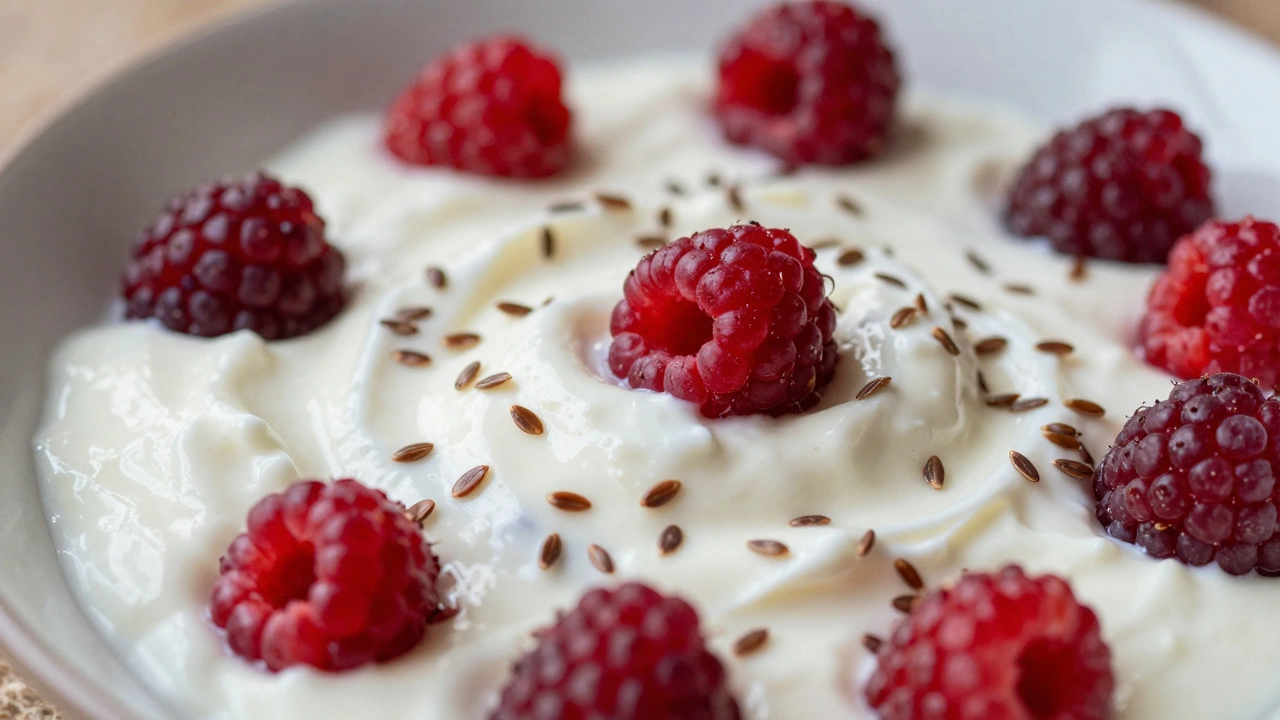
- Breakfast: Greek yogurt (protein) with berries (fiber/antioxidants) and a sprinkle of flaxseeds (healthy fats/fiber).
- Lunch: Grilled chicken breast (protein) over a large bed of spinach and kale (fiber) with a dressing made from olive oil and lemon juice (healthy fats).
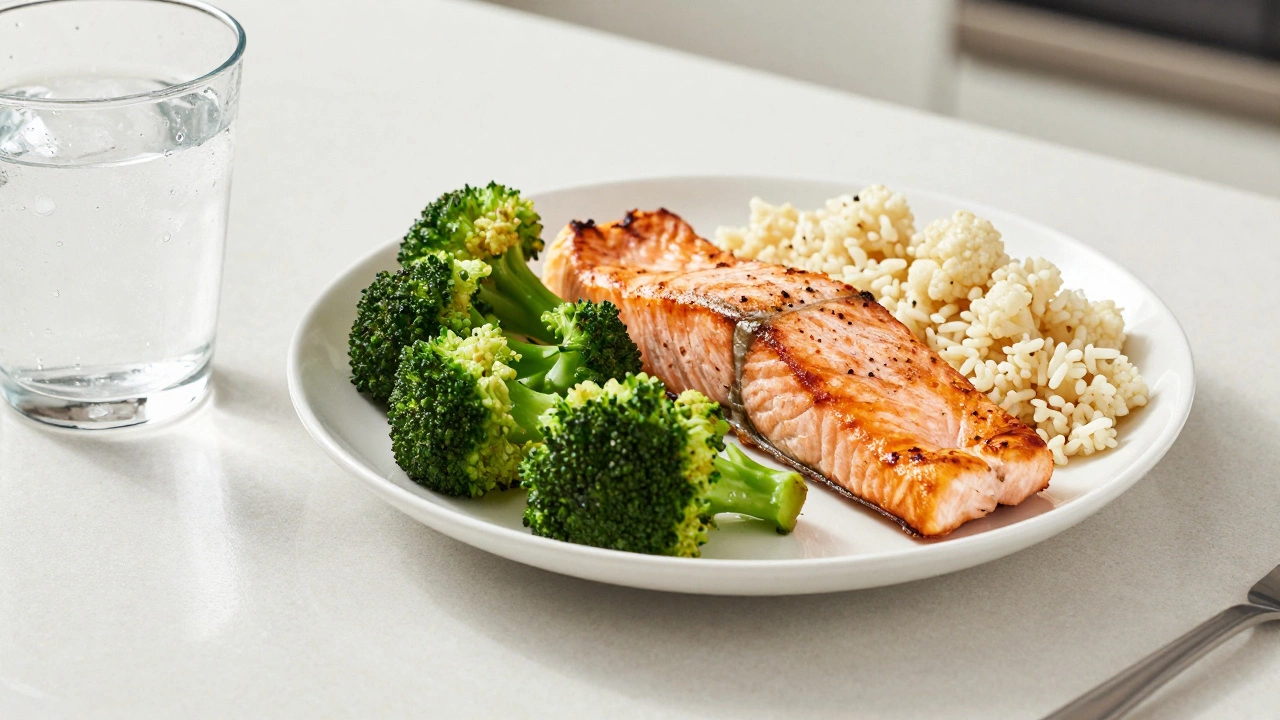
- Dinner: Baked salmon (protein/omega-3s) with roasted broccoli and cauliflower (fiber) and a side of quinoa (complex carb/fiber).
- Snacks: An apple with almond butter or a handful of walnuts.
This approach ensures you are constantly triggering the thermic effect, managing insulin levels, and staying satiated. It removes the guesswork and focuses on whole, unprocessed foods. Processed foods, even those labeled "low fat," often contain hidden sugars and refined carbs that disrupt this delicate hormonal balance.
The Role of Sleep and Stress
No amount of "fat-flushing" food will work if your lifestyle undermines it. Poor sleep increases ghrelin (the hunger hormone) and decreases leptin (the fullness hormone). When you are sleep-deprived, your body craves high-calorie, high-carb foods for quick energy. Similarly, chronic stress elevates cortisol. High cortisol levels encourage the body to store visceral fat, particularly around the abdomen. Prioritizing 7-9 hours of quality sleep and managing stress through exercise or mindfulness is just as important as your dietary choices.
Exercise amplifies the effects of these foods. Strength training builds muscle mass, and muscle tissue is metabolically active, meaning it burns more calories at rest than fat tissue does. Combining a high-protein, high-fiber diet with regular movement creates a powerful synergy for long-term fat loss.
Does lemon water really flush out fat?
Lemon water does not directly burn fat. However, it is hydrating and may help replace high-calorie beverages like soda or juice. The vitamin C in lemons supports general health, but there is no scientific evidence that it acts as a fat solvent. Its benefit comes from aiding hydration and potentially improving satiety before meals.
Can I lose weight by only eating fat-burning foods?
No. Weight loss fundamentally requires a caloric deficit, meaning you must consume fewer calories than you burn. While certain foods boost metabolism slightly, their effect is marginal compared to total calorie intake. You can eat all the spicy chicken and green tea you want, but if your total daily calories exceed your expenditure, you will not lose weight.
Are there any foods that actually block fat absorption?
Some supplements claim to block fat absorption, but whole foods do not act as complete blockers. White beans contain a compound called Phase II that may inhibit alpha-amylase, an enzyme that breaks down starches, potentially reducing carbohydrate absorption slightly. However, relying on this for weight loss is ineffective. Focus on limiting added fats and sugars instead of trying to block them chemically.
How much protein do I need to boost my metabolism?
Aim for approximately 0.7 to 1 gram of protein per pound of target body weight. For example, if your goal weight is 150 pounds, aim for 105-150 grams of protein daily. This amount maximizes the thermic effect of food and preserves muscle mass during weight loss, ensuring your metabolism remains robust.
Is fasting better than eating fat-burning foods?
Intermittent fasting is a tool for controlling calorie intake, not a metabolic miracle. It can be effective for some people by naturally restricting eating windows. However, combining fasting with nutrient-dense, high-protein, and high-fiber foods during your eating window yields the best results. The quality of food still matters significantly regardless of when you eat it.