
Gluten-Free Food Checker
Select a food item below to see if it is safe for a gluten-free diet. Learn why some common foods are risky and what alternatives to choose.
Select a food item above to see the analysis.
Imagine biting into a slice of fresh sourdough bread and feeling your stomach rebel minutes later. For people with celiac disease or non-celiac gluten sensitivity, this isn't just discomfort-it's an immune response that damages the small intestine. The culprit? Gluten, a sticky protein found in specific grains. If you are starting a gluten-free diet, knowing what to cut out is half the battle. But it’s not as simple as saying "no bread." Gluten hides in sauces, processed meats, and even some medications. This guide breaks down exactly which foods you need to swap out, why they matter, and how to navigate the grocery store without losing your mind.
The Big Three: Wheat, Barley, and Rye
Let’s start with the obvious offenders. Gluten isn’t one single thing; it’s a group of proteins (gliadin and glutenin) found primarily in three grains. If you see these names on an ingredient list, put the product back on the shelf.
- Wheat: This is the most common source. It includes all its varieties and derivatives. Think whole wheat, spelt, durum, semolina, couscous, bulgur, and farro. Even if a package says "ancient grain," if it’s spelt or kamut, it contains gluten.
- Barley: Often overlooked because we don’t eat barley flakes for breakfast as often as oats. Barley is the main ingredient in malt, which means beer, malt vinegar, and many cereals are off-limits.
- Rye: Common in dark breads, pumpernickel, and rye whiskey. While less ubiquitous than wheat in Australian supermarkets, it appears in certain crackers and traditional European-style loaves.
Triticale is another hybrid grain (a cross between wheat and rye) that also contains gluten. You might find it in some health food bars or specialty flours. Always check the label. If the ingredient list doesn’t explicitly say "wheat-free" or "gluten-free," assume it’s risky.
Oats: The Tricky Middle Ground
Pure oats do not contain gluten. They are technically safe for most people with celiac disease. However, here is the catch: oats are frequently processed in facilities that also handle wheat, barley, and rye. Cross-contamination is extremely common. A bag of standard rolled oats from the bulk bin likely has traces of wheat dust.
If you love oatmeal porridge, look for oats labeled specifically as "certified gluten-free." These are grown and processed in dedicated facilities to prevent contamination. In Australia, brands like Nature’s Path or Bob’s Red Mill offer certified options. Without certification, treat regular oats as unsafe during the initial phase of your diet when your gut needs time to heal.
Hidden Gluten Sources in Processed Foods
This is where things get annoying. Gluten acts as a binder, thickener, and flavor enhancer in processed foods. You won’t always taste the wheat, but it’s there. Here are the sneaky culprits you need to watch for in Melbourne supermarkets like Coles or Woolworths.
| Food Item | Why It Contains Gluten | Safe Alternative |
|---|---|---|
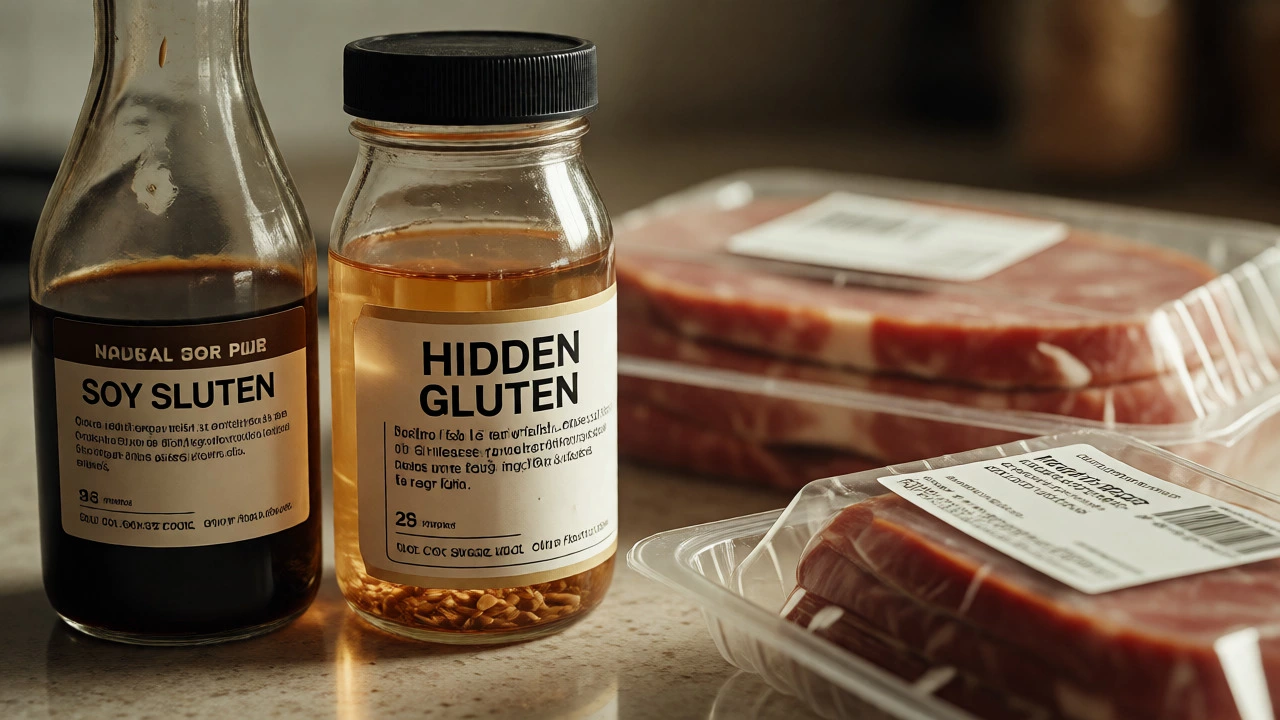
| Soy Sauce | Traditionally brewed with wheat | Tamari (check label for wheat) |
| Malt Vinegar | Made from barley | Cider vinegar or white wine vinegar |
| Processed Deli Meats | Fillers and binders often use wheat flour | Freshly roasted chicken or turkey breast |
| Salad Dressings | Thickened with modified food starch (if from wheat) | Homemade vinaigrette or certified GF brands |
| Ice Cream Cones | Wheat-based waffle cones | Gluten-free wafer cones or bowls |
Soy sauce is a major trap. Standard Kikkoman-style soy sauce uses wheat in the fermentation process. Switching to Tamari solves this, but double-check the label-some Tamari still adds a splash of wheat for flavor. Similarly, malt vinegar is derived from barley. It’s great on chips, but unless it’s distilled (which removes gluten proteins), it’s a no-go. Most standard malt vinegars in Australia are not safe.
Beverages: Alcohol and Coffee Add-ons
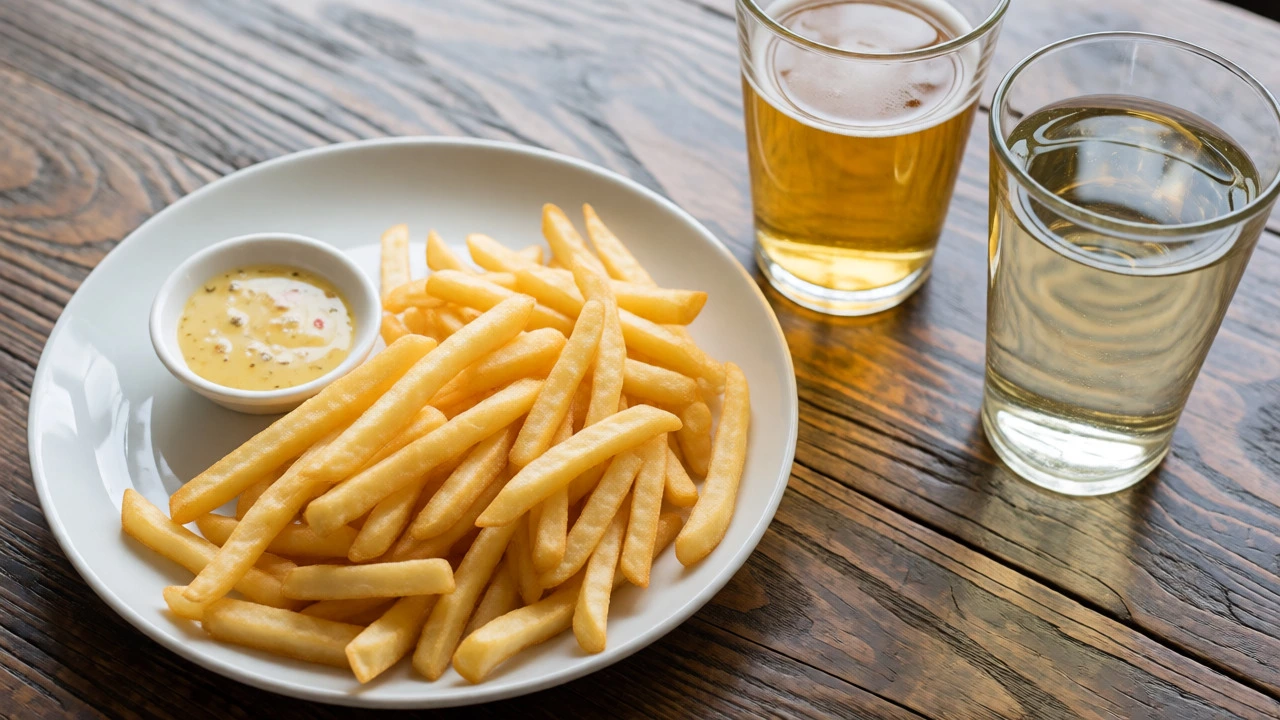
You can drink alcohol on a gluten-free diet, but you have to choose wisely. Beer is made from barley, so regular lagers, ales, and stouts are out. Cider, wine, and spirits like vodka, gin, and tequila are generally safe because distillation removes gluten proteins. However, flavored vodkas or craft beers might add post-distillation ingredients that reintroduce gluten.
Watch out for "malted milk" powders used in coffee shops. Malt is barley. If you order a hot chocolate or a latte, ask if the powder mix contains malt. Many instant coffee mixes also include thickeners that could be wheat-derived. Stick to black coffee or milk steamed by the barista using a clean pitcher.
Condiments, Sauces, and Seasonings
Spices themselves are gluten-free. Salt, pepper, paprika, and cinnamon don’t contain wheat. But spice blends? That’s different. Garlic salt, onion powder, or taco seasoning mixes often include anti-caking agents made from wheat starch. Always buy pure spices or check the blend’s ingredient list.
Gravy is another classic offender. Traditional gravy is thickened with a roux of butter and wheat flour. Gravy granules almost always contain wheat. Look for gravies thickened with cornstarch or arrowroot instead. Bouillon cubes and stock pots are notorious for hiding gluten under names like "hydrolyzed vegetable protein" or "natural flavors." When in doubt, make your own bone broth at home.
Dining Out in Melbourne: What to Ask
Eating out requires vigilance. Cross-contact is a real risk. Fries cooked in the same oil as breaded fish will pick up gluten crumbs. Salad dressings served at restaurants might contain hidden wheat. When ordering, ask specific questions:
- "Is the fryer dedicated to gluten-free items?"
- "Does the marinade or sauce contain soy sauce or malt?"
- "Are the croutons prepared separately?"
Many Melbourne cafes now offer gluten-free bread options, but toast them in a separate toaster slot to avoid crumbs. If a restaurant cannot answer these questions confidently, consider going somewhere else. Your health is worth the extra effort.
What You CAN Still Eat
A gluten-free diet isn’t about deprivation; it’s about swapping. You aren’t eating less food, just different sources of carbohydrates. Focus on naturally gluten-free staples:
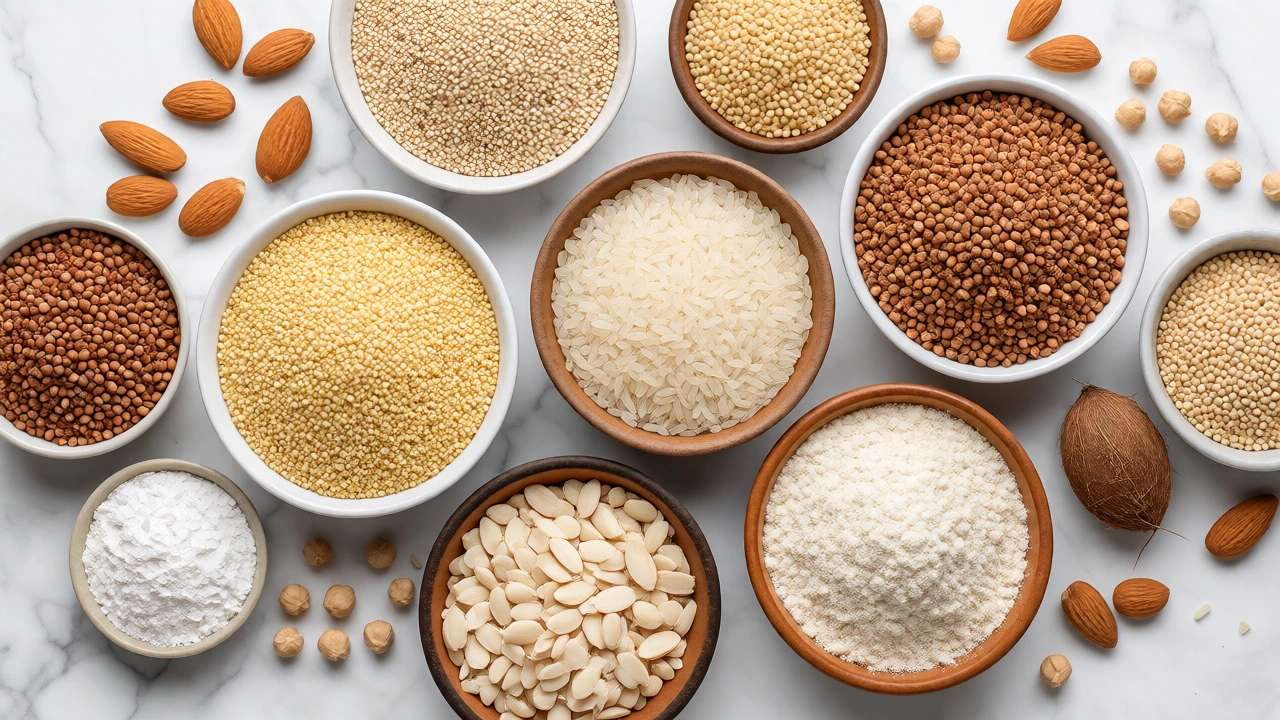
- Natural Grains: Rice, quinoa, millet, buckwheat (despite the name, it’s gluten-free), corn, and sorghum.
- Flours: Almond flour, coconut flour, tapioca starch, potato starch, and chickpea flour.
- Proteins: Fresh meat, poultry, fish, eggs, beans, lentils, and tofu (check for additives).
- Fruits and Veggies: All fresh produce is safe.
With the rise of gluten-free baking, you can still enjoy pizza, pasta, and cakes. Just ensure the crust is made from rice or almond flour, not a wheat blend.
Can I eat oats if I have celiac disease?
Yes, but only if they are certified gluten-free. Regular oats are often contaminated with wheat during processing. Certified oats are handled in dedicated facilities to ensure safety.
Is soy sauce gluten-free?
Standard soy sauce usually contains wheat. Tamari is a safer alternative, but you must check the label to ensure it is 100% wheat-free, as some brands still add a small amount of wheat.
Do potatoes contain gluten?
No, plain potatoes are naturally gluten-free. However, watch out for mashed potatoes made with gravy or fried potatoes cooked in shared oil with breaded items, as these introduce gluten.
Can I drink beer on a gluten-free diet?
Most regular beers are made from barley and contain gluten. You should switch to cider, wine, or spirits like vodka and gin. There are also specific gluten-free beers brewed from sorghum or rice available in stores.
What does 'modified food starch' mean?
In Australia, if modified food starch comes from wheat, it must be declared on the label. If it comes from corn, potato, or tapioca, it is gluten-free. Always read the allergen statement at the bottom of the packaging.