
Digestive Comfort Meal Planner
Select the ingredients you are planning to eat. The tool will evaluate them based on their impact on digestion, inflammation, and gastric emptying.
- Green: Highly recommended. Soothes inflammation and aids digestion.
- Yellow: Use with caution. May help some but trigger others (e.g., Peppermint with GERD).
- Red: Avoid. Known to irritate the stomach lining or delay emptying.
Based on principles from the article: "What Food Relaxes Your Stomach".
Analysis Results
That knot in your stomach isn’t just uncomfortable; it’s exhausting. Whether you’re dealing with the aftermath of a spicy dinner, stress-induced nausea, or just general digestive sluggishness, the wrong food choice can turn a mild annoyance into a full-blown crisis. You don’t need a medical degree to know that greasy burgers and heavy cream sauces are out. But what actually works? The answer lies in gentle, easily digestible nutrients that calm inflammation rather than aggravating it.
We often think of "comfort food" as rich, heavy, and indulgent. True digestive comfort, however, is about simplicity. It’s about foods that require minimal effort from your gut to break down, allowing your system to rest and recover. In this guide, we’ll look at the specific foods that act as natural sedatives for your stomach, why they work, and how to prepare them so they actually taste good.
The BRAT Diet and Its Modern Alternatives
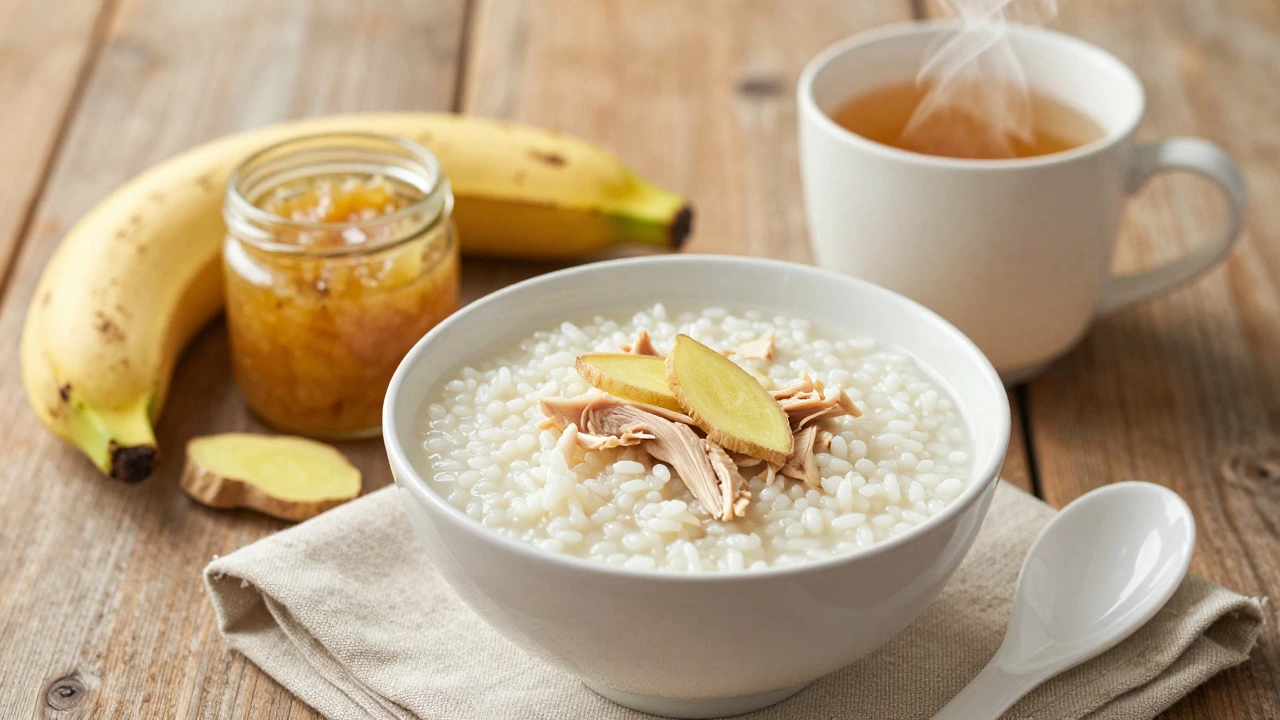
You’ve likely heard of the BRAT diet, which stands for Bananas, Rice, Applesauce, and Toast. For decades, this was the go-to prescription for an upset stomach. While effective for binding stools and providing quick energy, it’s nutritionally incomplete if followed for too long. Let’s look at why these staples work and what else you should add to the mix.
Bananas are more than just a snack. They are rich in potassium, an electrolyte you lose when you have diarrhea or vomiting. More importantly, bananas contain pectin, a soluble fiber that helps normalize bowel movements. When your stomach is sensitive, choose ripe bananas with brown spots. These have higher levels of resistant starch that has broken down into simpler sugars, making them easier to digest than green, firm bananas.
White rice is the ultimate neutral base. Unlike brown rice, which contains bran that requires significant mechanical breakdown by the stomach, white rice is stripped of its outer layer. This makes it incredibly easy to digest. It acts as a sponge, absorbing excess acid in the stomach. Pairing plain white rice with a small amount of boiled chicken creates a balanced meal that provides protein without the fat content that slows digestion.
Applesauce offers the benefits of apples without the tough skin. The cooking process breaks down the cell walls, releasing pectin more readily. Pectin absorbs water in the intestines, which can help firm up loose stools. Just ensure you buy unsweetened applesauce or make your own. Added sugar can feed bad bacteria in the gut, potentially worsening bloating and gas.
Toast, specifically made from refined white bread, provides carbohydrates that are gentle on the digestive tract. Avoid whole grain toast while your stomach is irritated. The high fiber content in whole grains is great for long-term health, but during acute discomfort, it can scratch and irritate the lining of the stomach. A light spread of honey or a thin layer of almond butter can add flavor without triggering nausea.
Hydration and Herbal Allies
Solid food is only half the battle. Hydration is critical, but not all liquids are created equal. Carbonated beverages, alcohol, and acidic juices like orange or tomato juice can burn an already inflamed stomach lining. Instead, focus on clear fluids and herbal infusions.
Ginger tea is perhaps the most well-researched natural remedy for nausea. Ginger contains gingerols and shogaols, compounds that accelerate gastric emptying. When your stomach empties slowly, food sits there and ferments, causing bloating and nausea. By speeding up this process, ginger prevents that heavy, sick feeling. Fresh ginger root is best-slice a few pieces, steep in hot water for five minutes, and sip slowly. If fresh isn't available, high-quality ginger capsules can also be effective.
Peppermint tea works differently. It acts as an antispasmodic, relaxing the smooth muscles of the gastrointestinal tract. This is particularly helpful if your stomach pain is cramping in nature. However, use caution if you suffer from acid reflux (GERD). Peppermint relaxes the lower esophageal sphincter, which can allow stomach acid to creep up into the esophagus, worsening heartburn. For pure stomach cramps, it’s excellent. For heartburn, stick to ginger.
Chamomile tea is another powerful ally. Beyond its calming effect on the nervous system, chamomile reduces inflammation in the gut lining. It contains antioxidants called apigenin, which bind to specific receptors in the brain that decrease anxiety and initiate sleep. Since stress directly impacts digestion via the gut-brain axis, reducing anxiety can physically soothe stomach spasms.
Fatty Fish and Omega-3s
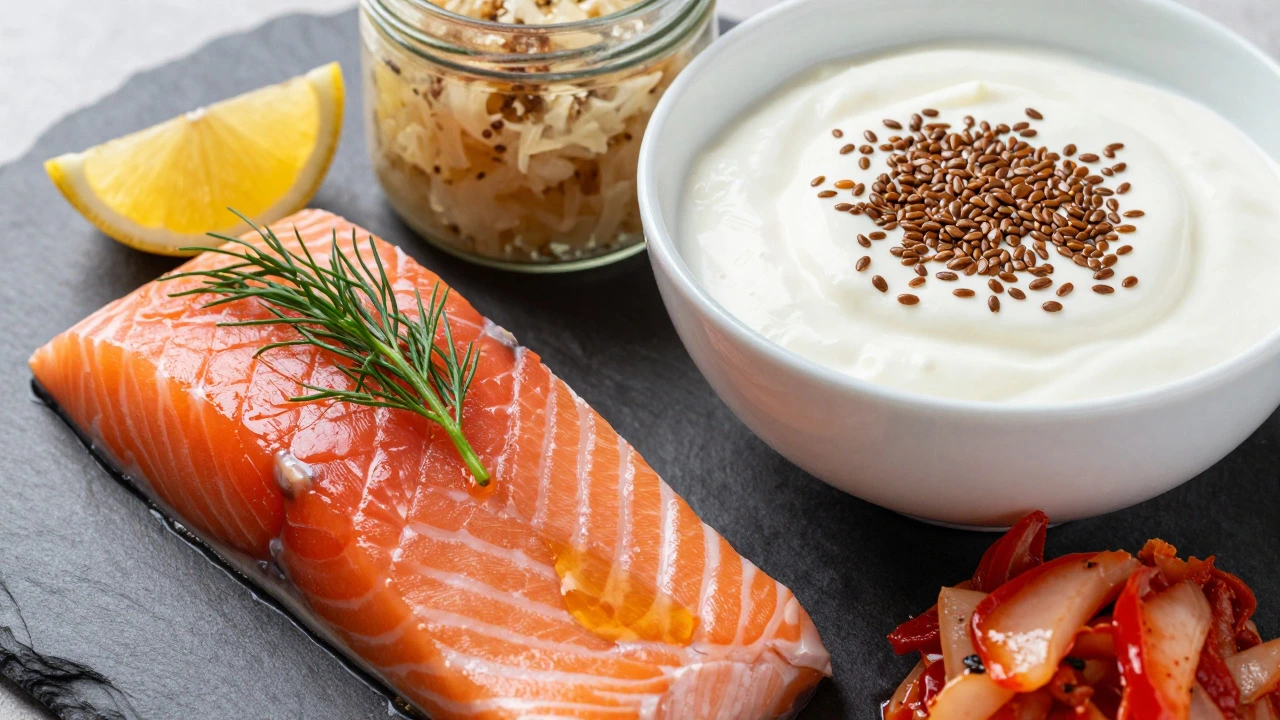
When you’re ready to move past plain carbs, introduce lean proteins. Fatty fish like salmon, mackerel, and sardines might seem counterintuitive due to their fat content, but the type of fat matters. These fish are rich in Omega-3 fatty acids. Unlike saturated fats found in red meat, which are slow to digest and can sit heavily in the stomach, omega-3s have potent anti-inflammatory properties.
Inflammation is often the root cause of stomach pain. Omega-3s help reduce the production of inflammatory cytokines in the gut. Baked or steamed salmon is ideal. Avoid frying, as the added oil and high heat create advanced glycation end products (AGEs) that can irritate the digestive system. Season lightly with lemon juice and dill. Lemon adds vitamin C and aids in iron absorption, while dill has carminative properties that help expel gas from the digestive tract.
Probiotics and Fermented Foods
Your stomach doesn’t work in isolation; it’s part of a complex ecosystem involving trillions of bacteria. When this balance is disrupted-by antibiotics, poor diet, or illness-you get digestive distress. Restoring this balance is key to long-term relief.
Yogurt is the most accessible source of probiotics. Look for plain, unsweetened yogurt with live active cultures. Strains like *Lactobacillus* and *Bifidobacterium* help crowd out harmful bacteria and aid in breaking down lactose and other sugars. If you are lactose intolerant, opt for coconut yogurt or kefir made from almond milk, ensuring they contain added probiotic cultures. Add a spoonful of ground flaxseed for extra fiber once your stomach has settled further.
Kefir is a fermented milk drink that is often easier to digest than yogurt because the fermentation process breaks down much of the lactose. It contains a wider variety of probiotic strains than typical yogurt. Sip it cold throughout the day rather than drinking it all at once to avoid overwhelming your system.
Sauerkraut and Kimchi are fermented cabbage products packed with probiotics and enzymes. However, they can be spicy and acidic. Introduce them in very small amounts-a tablespoon at first-to gauge tolerance. Raw sauerkraut retains the most beneficial bacteria; pasteurized versions sold in jars often have dead cultures.
Foods to Avoid During Recovery
Knowing what to eat is only half the equation. Equally important is knowing what to keep away from your plate until your stomach fully recovers. Even healthy foods can become irritants if introduced too soon.
- Dairy (except yogurt/kefir): Milk, cheese, and ice cream are high in fat and lactose. Many adults produce less lactase enzyme over time, making dairy difficult to digest and leading to gas and bloating.
- Spicy Foods: Capsaicin, the compound that makes chili peppers hot, stimulates pain receptors in the mouth and throat. This signal travels to the stomach, increasing acid production and irritating the lining.
- Caffeine: Coffee, strong tea, and energy drinks stimulate gastric acid secretion. On an empty or sensitive stomach, this can lead to heartburn and increased motility, causing diarrhea.
- Fried and Greasy Foods: High-fat foods delay gastric emptying. The longer food stays in your stomach, the more likely it is to cause nausea and discomfort. Think of it as a traffic jam in your digestive highway.
- High-Fiber Vegetables: Broccoli, cauliflower, beans, and lentils are healthy, but they produce gas during fermentation in the colon. While recovering, stick to peeled carrots, zucchini, and spinach, which are lower in fermentable fibers.
Simple Soothing Meal Ideas
Putting this knowledge into practice doesn’t mean eating bland food for days. With the right ingredients, you can create meals that are both healing and satisfying. Here are three simple ideas that align with digestive health principles.
- Ginger Chicken Congee: Simmer white rice in plenty of water until it breaks down into a porridge consistency. Shred boiled chicken breast and stir it in. Add fresh grated ginger and a dash of low-sodium soy sauce. Top with chopped scallions. This is warm, hydrating, and easy to digest.
- Baked Salmon with Steamed Carrots: Bake a salmon fillet with lemon slices and dill. Steam carrots until tender. Serve alongside a small portion of mashed potatoes (made with a little olive oil instead of butter). The combination provides protein, anti-inflammatory fats, and soft fiber.
- Apple and Oat Smoothie: Blend one ripe banana, half a cup of unsweetened applesauce, a quarter cup of cooked oats, and water or almond milk. Add a teaspoon of honey if needed. This provides quick energy and soluble fiber without being too heavy.
| Food Item | Primary Benefit | Best Preparation Method | Caution |
|---|---|---|---|
| White Rice | Absorbs acid, binds stool | Boiled, plain | Nutritionally low; pair with protein |
| Bananas | Replenishes potassium, pectin | Eaten raw, ripe | Choose spotted bananas for easier digestion |
| Ginger Tea | Reduces nausea, speeds gastric emptying | Steeped fresh root | Can cause heartburn in large doses |
| Yogurt | Probiotics, restores gut flora | Plain, live cultures | Avoid if severely lactose intolerant |
| Salmon | Anti-inflammatory omega-3s | Baked or steamed | Avoid fried preparations |
Understanding the Gut-Brain Connection
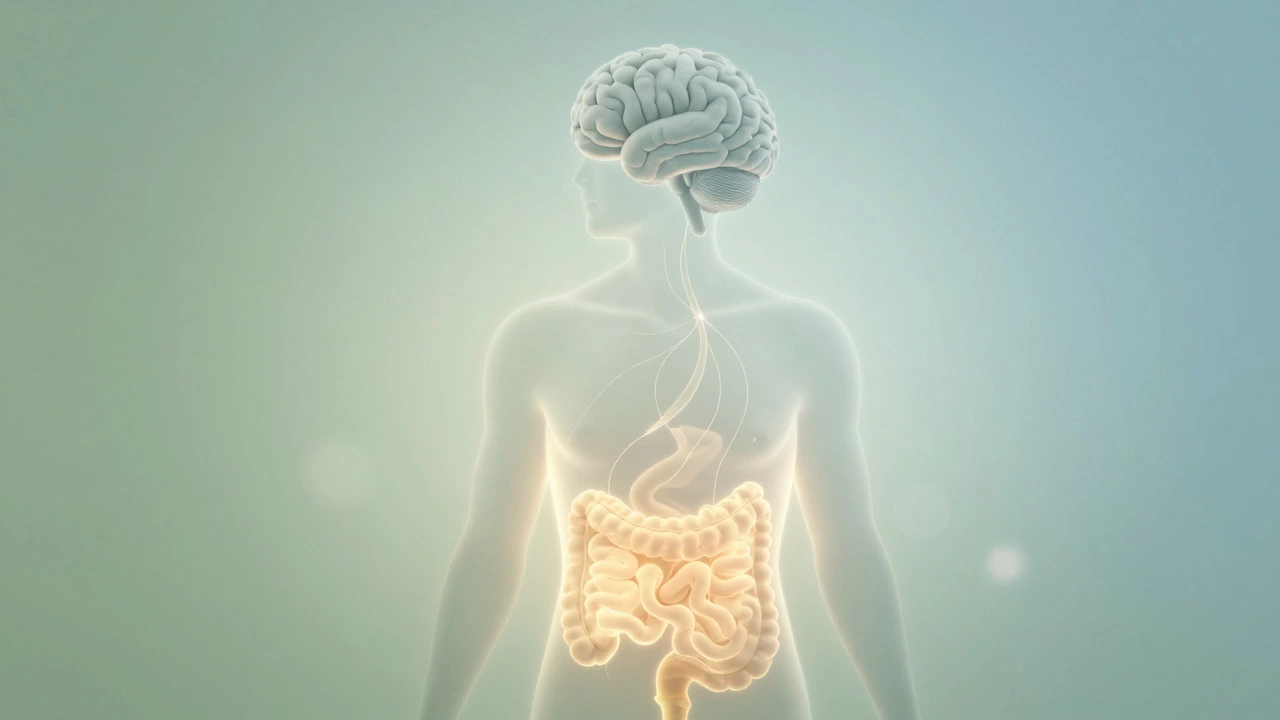
It’s impossible to talk about stomach relaxation without addressing stress. Your gut and brain are connected via the vagus nerve. When you’re anxious, your body diverts blood flow away from digestion to muscles (fight or flight response). This slows digestion, causes cramping, and increases sensitivity to pain.
Eating mindfully is a therapeutic tool. Sit down to eat. Chew your food thoroughly-digestion begins in the mouth. Taking smaller bites allows your stomach to process food more efficiently. Avoid eating while working, driving, or scrolling through your phone. Give your nervous system permission to shift into "rest and digest" mode. Combining these dietary changes with deep breathing exercises can significantly speed up recovery from digestive distress.
How quickly do soothing foods work?
Herbal teas like ginger or peppermint can provide relief within 15 to 30 minutes by relaxing stomach muscles or reducing nausea. Solid foods like rice and bananas take longer, typically 1 to 2 hours, as they need to pass through the digestive tract to absorb acid and bind stool. Consistency is key; one serving won’t fix chronic issues, but it will help acute symptoms.
Is cold water bad for an upset stomach?
Cold water isn’t necessarily bad, but room temperature or warm liquids are generally better tolerated. Warm fluids help relax the intestinal muscles and improve circulation to the gut. Ice-cold water can sometimes shock the system and cause cramping in sensitive individuals. Sip slowly regardless of temperature.
Can I eat fruit if my stomach hurts?
Yes, but choose wisely. Bananas, melons, and applesauce are safe bets because they are low in acid and high in pectin. Avoid citrus fruits like oranges, lemons, and grapefruits, as their high acidity can irritate the stomach lining. Also avoid berries with seeds, which can be mechanically irritating.
Why does fasting help an upset stomach?
Fasting gives your digestive system a break. Without new food entering the stomach, acid production decreases, and the gut lining has a chance to repair itself. However, prolonged fasting can lead to weakness. After 4-6 hours of clear liquids, gradually reintroduce bland solids like crackers or toast.
Are probiotics safe for everyone with stomach issues?
For most people, yes. Probiotics help restore balance. However, if you have a compromised immune system or severe acute inflammation, consult a doctor before starting high-dose supplements. Food sources like yogurt are generally safer and gentler than concentrated pills.