

Lunch Energy Score Calculator
Input your lunch components below to see how balanced your meal is for avoiding the 3 PM slump.
Enter your lunch details to get your score.
You hit that 3 PM wall. Your eyes blur over the spreadsheet, your brain feels like it’s wrapped in cotton wool, and you’re debating whether a third coffee is worth the jitters. Sound familiar? Most of us have been there, staring into the abyss of our mid-afternoon slump. The culprit usually isn’t just lack of sleep; it’s what you ate at noon. Choosing the best lunch food isn’t about following a strict diet or eating rabbit food. It’s about fueling your body so it doesn’t crash when you need it most.
Here’s the thing: not all calories are created equal when it comes to afternoon performance. A sugary donut gives you a spike followed by a nosedive. A balanced meal keeps you steady. So, what actually works? Let’s break down the science of satiety and energy without boring you with a biochemistry lecture.
The Protein-First Rule
If you remember one thing from this article, make it this: protein is king at lunchtime. Why? Because it takes longer to digest than carbs or fats. This slow digestion means a steady release of amino acids into your bloodstream, which helps maintain blood sugar levels. When your blood sugar stays stable, your energy stays stable.
Think about the difference between a plain bagel and a chicken salad. The bagel is mostly refined carbs. It digests fast, spikes your insulin, and leaves you hungry an hour later. The chicken salad provides protein, fiber from veggies, and healthy fats from dressing. That combination creates a metabolic fire that burns slowly and evenly.
But where do you get this protein quickly? If you’re cooking from scratch, grilled chicken breast or salmon fillets are gold standards. If you’re relying on convenience, canned tuna, hard-boiled eggs, or pre-cooked lentils are lifesavers. Don’t underestimate the power of leftovers. Cooking a batch of roasted chickpeas on Sunday can save your Tuesday lunch from being a sad sandwich.
Fiber Is Your Steady Hand
Protein gets the glory, but fiber does the heavy lifting for gut health and sustained energy. Fiber slows down the absorption of sugar into your bloodstream. Without it, even healthy carbs can cause a glucose rollercoaster.
Most adults in Australia aren’t getting enough fiber. We average around 20 grams a day, while recommendations sit closer to 25-30 grams. Lunch is the perfect opportunity to close that gap. Adding a cup of cooked broccoli, a handful of spinach, or an apple with skin can add significant bulk to your meal without adding many calories.
Consider the humble avocado toast. It’s trendy for a reason. Avocados provide monounsaturated fats and fiber. Pair them with whole-grain bread instead of white sourdough, and you’ve got a meal that keeps you full for hours. But be careful with portion sizes. Avocados are calorie-dense. Half an avocado is usually plenty for lunch.
Carbs Aren’t the Enemy-Refined Ones Are
We’ve demonized carbohydrates for years, but they are your brain’s preferred fuel source. Your brain uses about 20% of your daily energy intake, and it runs primarily on glucose. Cutting carbs entirely often leads to brain fog and irritability.
The key is choosing complex carbohydrates over simple ones. Complex carbs include oats, quinoa, sweet potatoes, brown rice, and whole grains. They contain intact starch structures and fiber, meaning they digest slowly. Simple carbs, like white bread, pastries, and sugary drinks, break down almost instantly.
Try swapping your standard white rice bowl for quinoa or buckwheat. Quinoa is a complete protein, meaning it contains all nine essential amino acids. This makes it a powerhouse for vegetarians and vegans who might struggle to get enough protein at lunch. Plus, it cooks in 15 minutes, making it ideal for busy weekdays.
| Food Type | Digestion Speed | Energy Impact | Satiety Duration |
|---|---|---|---|
| Refined Carbs (White Bread) | Fast | Rapid Spike & Crash | Short (1-2 hours) |
| Complex Carbs (Oats/Quinoa) | Moderate | Steady Release | Medium (3-4 hours) |
| Lean Protein (Chicken/Fish) | Slow | Stable | Long (4+ hours) |
| Healthy Fats (Nuts/Avocado) | Very Slow | Buffered Glucose Response | Long (4+ hours) |
The Hydration Factor
Before you blame your food, check your water intake. Dehydration often mimics hunger and fatigue. By the time you feel thirsty, you’re already mildly dehydrated. This affects cognitive function and mood significantly.
Many people mistake thirst for hunger, leading to unnecessary snacking. Try drinking a large glass of water 20 minutes before lunch. You might find you’re less ravenous and more mindful of what you eat. Herbal teas are also great options if you want something warm and soothing without the caffeine crash associated with late-day coffee.
Building the Perfect Plate
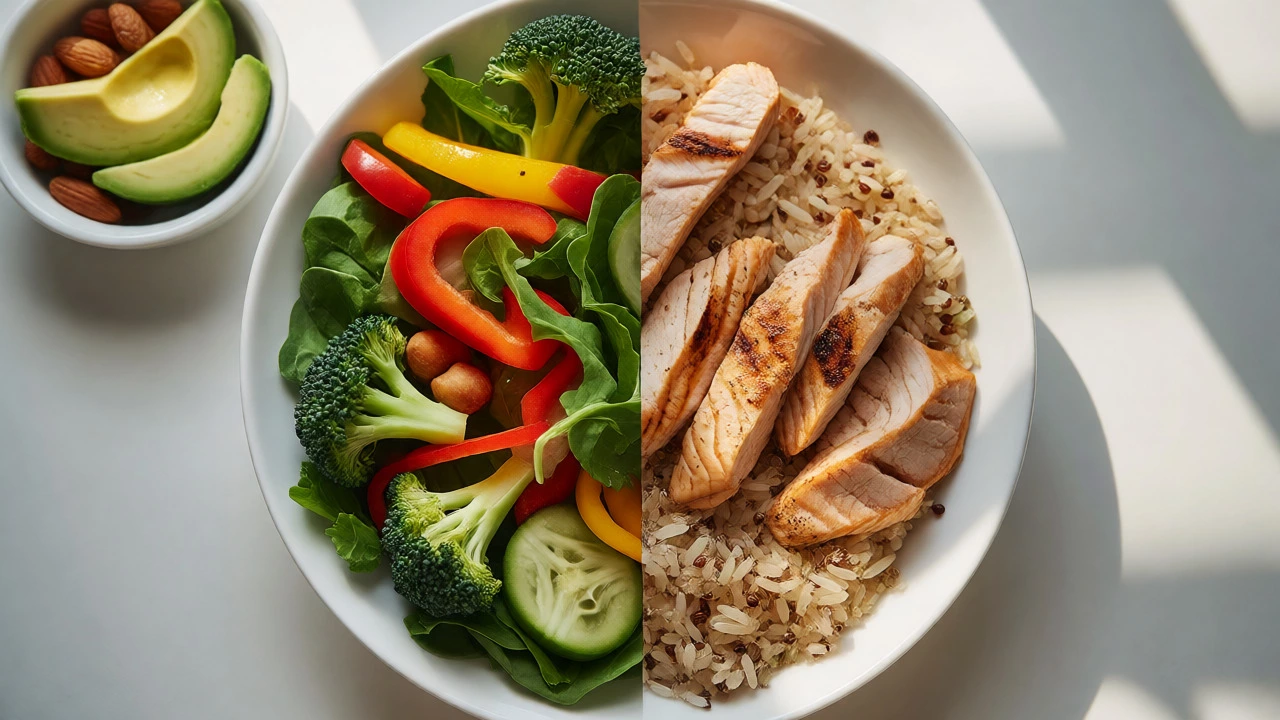
So, how do you put this together without spending hours in the kitchen? Use the "Plate Method" as a visual guide. Fill half your plate with non-starchy vegetables. These should be colorful-greens, reds, oranges. Color indicates different phytonutrients, which support immune function and reduce inflammation.
Fill one-quarter with lean protein. One-quarter with complex carbs. Then, add a thumb-sized portion of healthy fat. This ratio ensures you get a balance of macros without needing to count calories obsessively.
Let’s look at three realistic scenarios based on common lifestyles:
- The Busy Professional: You have 10 minutes max. Grab a rotisserie chicken from the supermarket, tear off some meat, and toss it with a bag of pre-washed salad greens, cherry tomatoes, and a drizzle of olive oil and lemon juice. Add a small wholemeal roll on the side. Total prep time: 5 minutes. Nutritional value: High.
- The Meal Prepper: On Sunday, cook a big pot of lentil soup and roast a tray of vegetables (zucchini, bell peppers, eggplant). Portion these into containers. During the week, microwave a container and add a dollop of Greek yogurt or hummus for extra protein and creaminess. This costs pennies and tastes better than takeout.
- The Vegetarian/Vegan: Focus on combining plant proteins. A bowl of black beans, corn, avocado, salsa, and brown rice provides a complete amino acid profile. Sprinkle pumpkin seeds on top for zinc and magnesium, which help with stress management.

Avoiding the Afternoon Slump Triggers
Certain foods are notorious for causing post-lunch drowsiness. High-glycemic index foods are the main offenders. Think pizza, pasta with creamy sauces, and sugary desserts. These meals require a massive insulin response to handle the glucose load, which diverts blood flow away from the brain to the digestive system. Hence, the "food coma."
Also, watch out for hidden sodium. Many processed lunch meats, cheeses, and ready-made sauces are loaded with salt. Excess sodium causes water retention and bloating, which can make you feel sluggish and uncomfortable. Reading labels is tedious but effective. Look for options with less than 400mg of sodium per serving.
Local Context: Eating Well in Melbourne
Living in Melbourne, we’re spoiled for choice when it comes to fresh produce. Seasonality matters. In October, you’re hitting spring. Strawberries, asparagus, peas, and broad beans are abundant and affordable. Incorporating seasonal produce not only supports local farmers but ensures you’re eating nutrient-dense food that hasn’t traveled halfway across the world.
Visit your local market on a Saturday morning. Buying a mix of leafy greens, radishes, and herbs is cheap and vibrant. Toss them into salads throughout the week. The freshness adds flavor naturally, reducing the need for heavy dressings or excessive salt.
Practical Tips for Success
Changing your lunch habits doesn’t happen overnight. Start small. Pick one day a week to pack a protein-rich lunch. Notice how you feel compared to days when you buy a pastry. Keep a mental note-or write it down-of your energy levels at 3 PM.
Preparation is 80% of the battle. If you wait until you’re starving to decide what to eat, you’ll likely choose convenience over quality. Spend 20 minutes on Sunday planning your lunches. Chop veggies, boil eggs, or cook grains. Having components ready makes assembly quick during the week.
Finally, listen to your body. There is no single "best" food for everyone. Some people thrive on higher fat, lower carb diets. Others need more carbs for intense physical jobs. Experiment with different combinations. Track what makes you feel energized versus tired. Personal data beats generic advice every time.
Why do I feel sleepy after eating lunch?
Post-lunch sleepiness, often called a "food coma," is typically caused by rapid spikes in blood sugar followed by crashes. Meals high in refined carbohydrates and low in protein or fiber trigger a large insulin response, which can lead to feelings of lethargy. Additionally, digestion requires energy, diverting blood flow from the brain to the gut. To prevent this, focus on balanced meals with protein, fiber, and healthy fats to stabilize blood glucose levels.
How much protein should I eat at lunch?
Aim for 20-30 grams of protein at lunch. This amount has been shown to maximize satiety and muscle protein synthesis. For reference, a palm-sized piece of chicken, two large eggs, or a cup of cooked lentils generally provides this amount. Individual needs may vary based on activity level and body weight, but this range is a solid starting point for most adults.
Is it okay to skip lunch if I’m not hungry?
Skipping lunch can lead to overeating later in the day or experiencing an energy dip in the afternoon. However, forcing yourself to eat when you’re truly not hungry isn’t necessary. Instead, try a smaller, nutrient-dense snack like Greek yogurt with berries or a handful of nuts. Listen to your body’s hunger cues rather than sticking rigidly to a clock-based schedule.
What are some quick, healthy lunch options for office workers?
Great options include mason jar salads with chickpeas and feta, wraps using wholegrain tortillas with turkey and avocado, or leftover stir-fries with mixed vegetables and tofu. Canned sardines or tuna on crackers with sliced cucumber is another zero-prep option. These choices are portable, require minimal reheating, and provide balanced nutrition.
Do supplements replace the need for a good lunch?
No, supplements cannot fully replicate the complex matrix of nutrients found in whole foods. Whole foods provide fiber, antioxidants, and synergistic compounds that work together to benefit health. While vitamins or protein powders can fill gaps, they shouldn’t replace a balanced meal. Prioritize real food first, then consider supplements if specific deficiencies exist.