

Metabolism Killer Quiz
Discover if you know which common foods are secretly stalling your body's ability to burn energy. Answer 5 questions to reveal your Metabolic Health Score.
Loading question...
Quiz Complete!
Here is how you stack up against the metabolic killers.
Key Takeaways:
- Sugar & Insulin: High sugar spikes insulin, blocking fat burning. Choose low-glycemic options like berries.
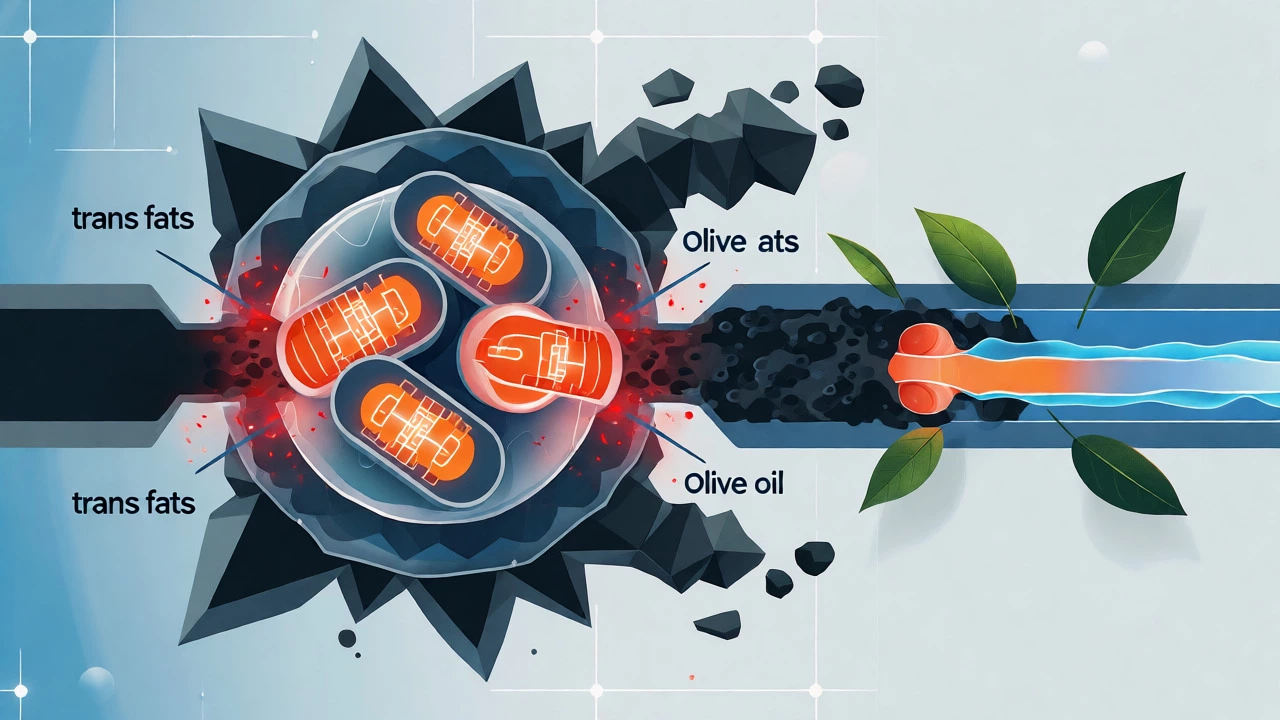
- Trans Fats: Cause inflammation that harms mitochondria. Swap for olive oil or avocado.
- Alcohol: Pauses fat oxidation as the liver prioritizes breaking down alcohol. Try seltzer with lime instead.
- UPFs: Ultra-processed foods lack fiber and overeat calories. Stick to whole foods.
You eat less than your friend. You hit the gym three times a week. Yet, when you step on the scale, the number hasn't budged in months. It’s frustrating, right? Most people blame their genes or age. But often, the culprit is sitting right on your dinner plate. Certain foods don’t just add calories; they actively sabotage your body's ability to burn energy efficiently. We call these metabolism killers. These are specific food groups that trigger hormonal responses, inflammation, or blood sugar spikes that force your body into storage mode rather than burn mode.
Understanding what slows down your metabolic rate isn't about fear-mongering. It's about making smarter swaps. If you want to rev up your engine, you need to know which ingredients act like sludge in the fuel line. Let’s break down the real science behind why some foods stall your progress and how to fix it without giving up flavor.
The Sugar Crash Cycle
Sugar is the most obvious offender, but not for the reason you think. It’s not just about empty calories. When you consume high amounts of refined sugar-think soda, candy, or pastries-your blood glucose skyrockets. Your pancreas panics and dumps insulin into your bloodstream to manage the spike. Insulin is a storage hormone. Its job is to shuttle glucose into cells for energy or fat storage. High insulin levels block lipolysis, the process where your body breaks down stored fat for fuel.
Here’s the trap: once the sugar is cleared out, your blood sugar crashes below baseline. This triggers hunger hormones like ghrelin, making you crave more quick energy. You end up in a vicious cycle of spiking and crashing. Over time, this constant demand for insulin can lead to insulin resistance. At that point, your metabolism doesn't just slow down; it gets stuck. To break this, focus on low-glycemic foods that release energy slowly, keeping insulin levels stable.
Trans Fats and Inflammation
If sugar is a fast car crash, trans fats are a slow leak. Found in many processed baked goods, fried foods, and non-dairy creamers, artificial trans fats (partially hydrogenated oils) do serious damage to your cellular health. Research published in Obesity showed that monkeys fed a diet high in trans fats gained significantly more abdominal fat compared to those fed polyunsaturated fats, even with equal calorie intake.
Why does this happen? Trans fats cause systemic inflammation. Inflammation interferes with insulin signaling and disrupts the function of mitochondria-the powerhouses of your cells where metabolism actually happens. When mitochondria are inflamed, they become less efficient at converting food into ATP (energy). Instead, the energy gets stored as fat. Check labels for "partially hydrogenated" oils. If you see them, put the product back. They offer zero nutritional benefit and maximum metabolic cost.
The Sodium-Swelling Connection
We all love salt, but excess sodium might be masking your true weight loss progress. While sodium itself doesn't directly lower your basal metabolic rate, it causes water retention. This bloating makes you feel heavier and sluggish, which can psychologically discourage activity. More importantly, high-sodium diets are linked to higher blood pressure and kidney stress, forcing your body to work harder to maintain homeostasis.
Some studies suggest that excessive salt intake may also alter gut bacteria composition, potentially affecting how your body extracts energy from food. A healthier approach is to use herbs, spices, and citrus to flavor food instead of reaching for the shaker. Potassium-rich foods like bananas, spinach, and avocados help balance sodium levels and reduce water retention, helping you look and feel leaner faster.
Artificial Sweeteners: The Deceptive Trick
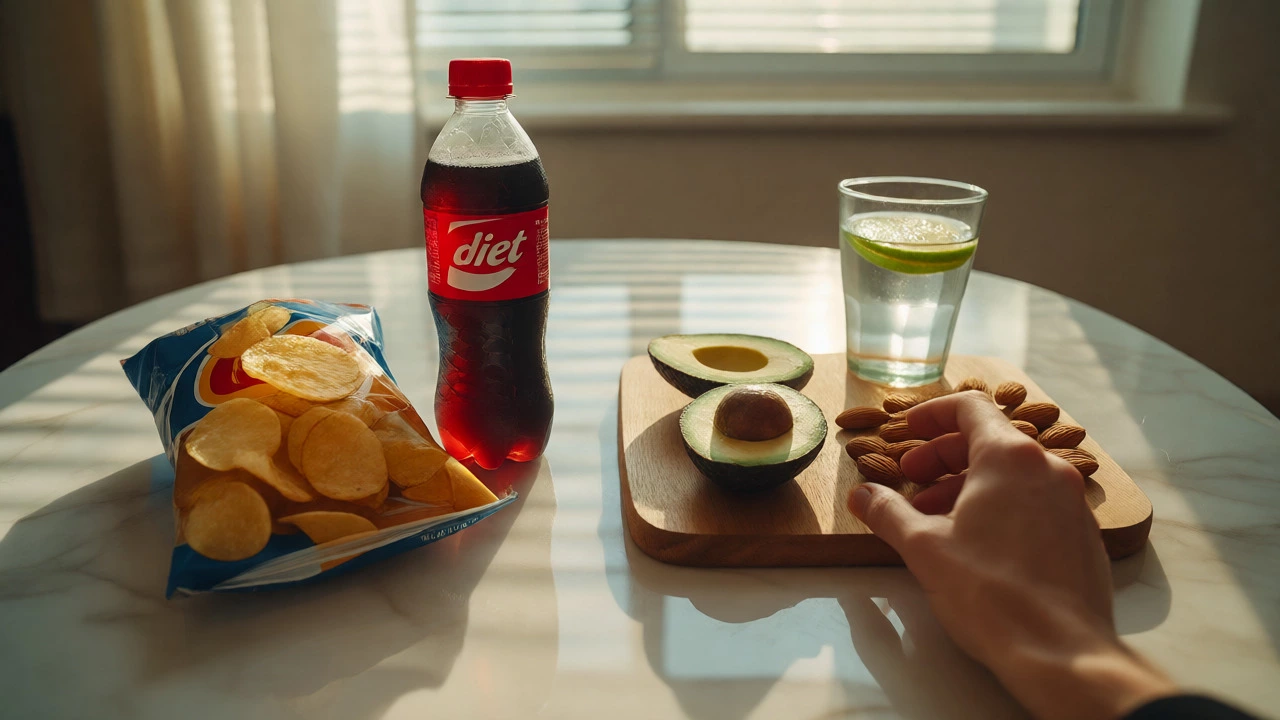
You switched to diet soda to save calories, but did you notice your cravings getting worse? Artificial sweeteners like aspartame, sucralose, and saccharin provide sweetness without calories. However, your brain expects calories when it tastes something sweet. When those calories don't arrive, the reward system gets confused. Some research indicates that this mismatch can increase appetite later in the day.
Furthermore, emerging evidence suggests certain artificial sweeteners may negatively impact the gut microbiome. A diverse gut microbiome is crucial for healthy metabolism. If artificial sweeteners kill off beneficial bacteria, your ability to regulate blood sugar and process nutrients suffers. Water, herbal tea, or black coffee are better choices. If you need sweetness, try a small amount of natural options like stevia or monk fruit, though even these should be used sparingly.
Alcohol: The Metabolic Pause Button
Let’s be honest: alcohol is fun, but it’s tough on your metabolism. When you drink, your liver prioritizes breaking down alcohol over everything else. Why? Because alcohol is treated as a toxin by the body. Until the alcohol is metabolized, fat burning essentially stops. This is known as the "metabolic pause."
Moreover, alcohol lowers inhibitions, leading to poor food choices. That pizza after drinks? It’s going straight to storage because the fat-burning machinery is busy handling the booze. Regular heavy drinking can also raise cortisol levels, a stress hormone that promotes belly fat accumulation. Limiting alcohol to moderate levels-or skipping it entirely on workout days-can make a noticeable difference in how quickly you lose weight.
Ultra-Processed Convenience Foods
It’s not just one ingredient; it’s the combination. Ultra-processed foods (UPFs) are engineered to be hyper-palatable. They combine high levels of sugar, salt, fat, and additives to override your body’s natural fullness signals. Studies show people consume about 500 more calories per day when eating UPFs compared to whole foods, even when macros are matched.
These foods lack fiber, which slows digestion and keeps you full. Without fiber, you digest quickly and get hungry again soon. Plus, the additives in UPFs may impair mitochondrial function. Think of a bag of chips versus an apple. The apple has fiber, water, and natural sugars. The chip has none of that. Swapping UPFs for whole foods resets your satiety cues and gives your metabolism the clean fuel it needs to run efficiently.
| Food Category | Metabolic Impact | Better Alternative |
|---|---|---|
| Refined Sugar | Spikes insulin, blocks fat burning | Berries, Greek Yogurt |
| Trans Fats | Causes inflammation, harms mitochondria | Olive Oil, Avocado |
| Excess Sodium | Water retention, high blood pressure | Herbs, Spices, Lemon Juice |
| Artificial Sweeteners | Confuses brain reward, alters gut flora | Water, Green Tea |
| Alcohol | Pauses fat oxidation, raises cortisol | Seltzer with Lime |
How to Reverse the Damage
The good news? Your metabolism is adaptable. You can reverse the effects of these foods relatively quickly. Start by eliminating the biggest offenders first. For most people, cutting liquid calories (soda, juice, alcohol) yields the fastest results. Next, swap processed snacks for whole-food alternatives like nuts, seeds, or fruit.
Incorporate protein into every meal. Protein has a high thermic effect, meaning your body burns more calories digesting it compared to carbs or fats. Aim for 20-30 grams of protein per meal. Add strength training to your routine twice a week. Muscle tissue is metabolically active; the more muscle you have, the more calories you burn at rest. Finally, prioritize sleep. Poor sleep disrupts hunger hormones and lowers metabolic rate. Seven to nine hours of quality sleep is non-negotiable for metabolic health.
Does eating late at night kill your metabolism?
Not exactly. Total daily calorie intake matters more than timing. However, late-night eating often involves high-calorie comfort foods and can disrupt sleep quality, which indirectly affects metabolism. Try to finish meals 2-3 hours before bed to improve sleep and digestion.
Are gluten-free foods better for metabolism?
Only if you have celiac disease or gluten sensitivity. For others, gluten-free packaged foods are often higher in sugar and fat to improve texture, which can actually hinder weight loss. Whole grains like oats and quinoa are generally better for metabolic health due to their fiber content.
Can spicy food boost my metabolism?
Yes, slightly. Capsaicin, found in chili peppers, can temporarily increase metabolic rate by 3-8% through thermogenesis. However, the effect is modest and short-lived. It’s a helpful addition but not a magic bullet for significant weight loss.
Is coffee bad for my metabolism?
No, black coffee can actually boost metabolism by 3-11% due to caffeine. However, adding heavy cream, sugar, or flavored syrups turns it into a calorie bomb. Stick to black coffee or with a splash of milk to keep the metabolic benefits intact.
Do I need to cut carbs completely?
No. Complex carbohydrates like vegetables, legumes, and whole grains provide essential fiber and nutrients that support gut health and steady energy levels. Focus on reducing refined carbs (white bread, pasta) rather than eliminating all carbs.