
Ever heard someone say, "You look like you eat vegan"? Or seen a photo online of someone with glowing skin and assumed it was because they went plant-based? The idea of a "vegan face" has spread like wildfire - but here’s the truth: there’s no such thing as a vegan face. Not in the way people think.
Where Did the "Vegan Face" Myth Come From?
The myth started with a few Instagram influencers showing off their radiant skin after switching to a plant-based diet. Then came the memes: pale, hollow cheeks, dull skin, and tired eyes labeled as "vegan face." Some claimed it was from lack of protein. Others blamed B12 deficiency. A few even said it was the result of eating too many carbs and not enough fat.
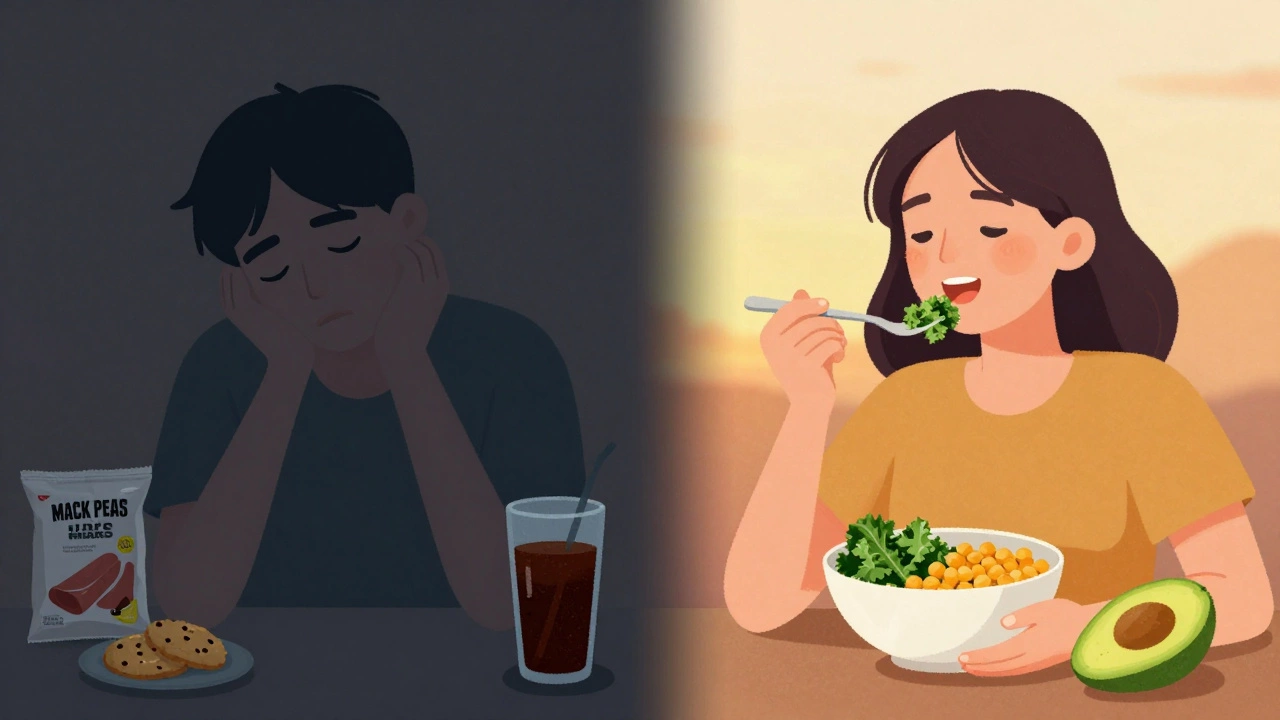
But here’s what no one talks about: the people posting "before and after" photos weren’t eating a balanced vegan diet. They were eating chips, soda, vegan ice cream, and processed mock meats. That’s not veganism - that’s just removing animal products and replacing them with junk food.
What Actually Happens to Your Skin on a Real Vegan Diet?
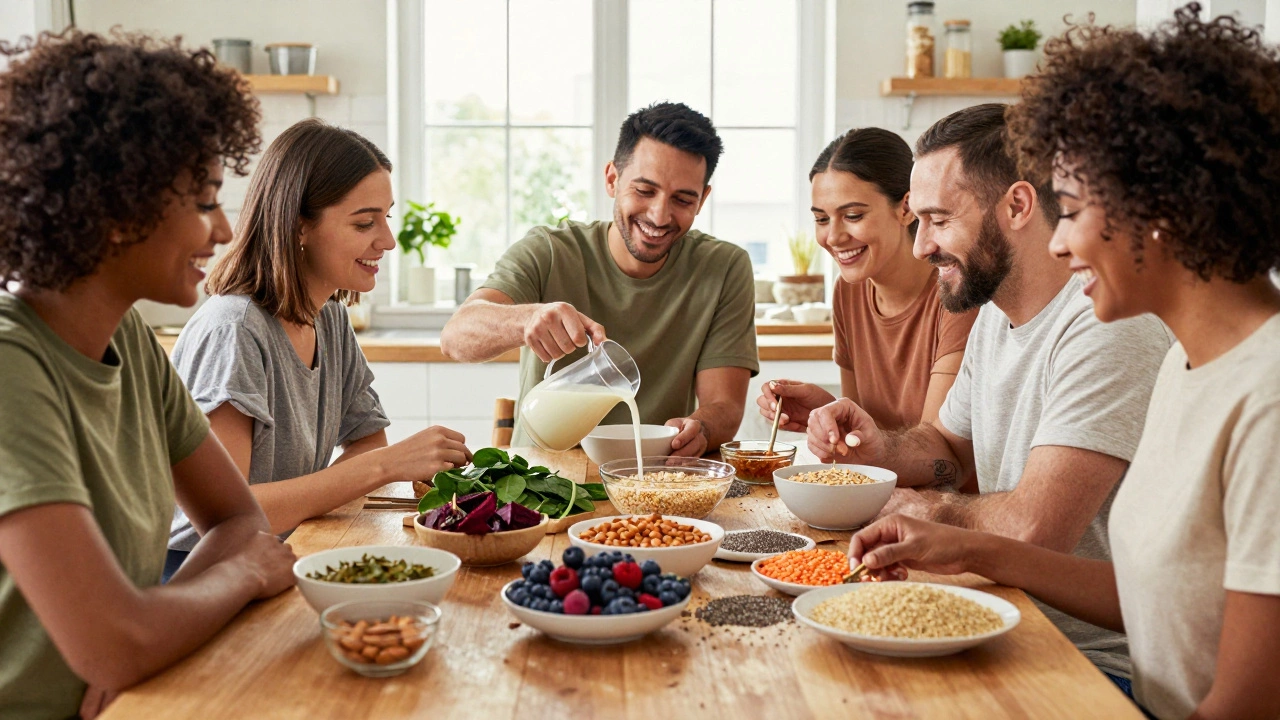
If you eat a well-planned vegan diet rich in whole foods - vegetables, fruits, legumes, nuts, seeds, whole grains - your skin often improves. Why? Because you’re cutting out inflammatory foods and loading up on antioxidants, fiber, and healthy fats.
Studies show that people who eat more fruits and vegetables have fewer signs of skin aging. A 2021 study from the University of Melbourne tracked 1,200 adults over two years. Those who ate at least five servings of vegetables daily showed a 12% reduction in fine lines and improved skin elasticity compared to those who ate fewer than two servings. It didn’t matter if they were vegan, vegetarian, or omnivore - the key was the plant intake.
Here’s what you actually see in people eating real vegan food:
- Clearer skin - less acne from cutting out dairy
- More even tone - fewer redness and flare-ups from reduced inflammation
- Brighter eyes - thanks to lutein and zeaxanthin in leafy greens
- Healthier hair - from biotin in nuts and seeds
But if you’re eating nothing but tofu, pasta, and vegan cookies? Then yes - you might look tired. But that’s not because you’re vegan. It’s because you’re eating poorly.
The Real Culprits Behind "Vegan Face"
There are three common mistakes people make when going vegan that lead to bad skin - and they have nothing to do with the plants themselves.
- Missing B12 - This vitamin is critical for red blood cell production. Without it, you get pale skin, fatigue, and even tongue sores. Vegans need to supplement or eat fortified foods like nutritional yeast, plant milks, or cereals.
- Too many refined carbs - White bread, vegan pastries, and sugary snacks spike insulin, which can trigger breakouts. Swap them for quinoa, oats, sweet potatoes, and lentils.
- Not enough healthy fats - Omega-3s from flaxseeds, chia seeds, walnuts, and algae oil help keep skin supple. If you’re not getting them, your skin can feel dry and flaky.
These aren’t vegan problems. They’re nutrition problems. And they’re just as common in omnivores who eat a lot of processed food.
Real People, Real Results
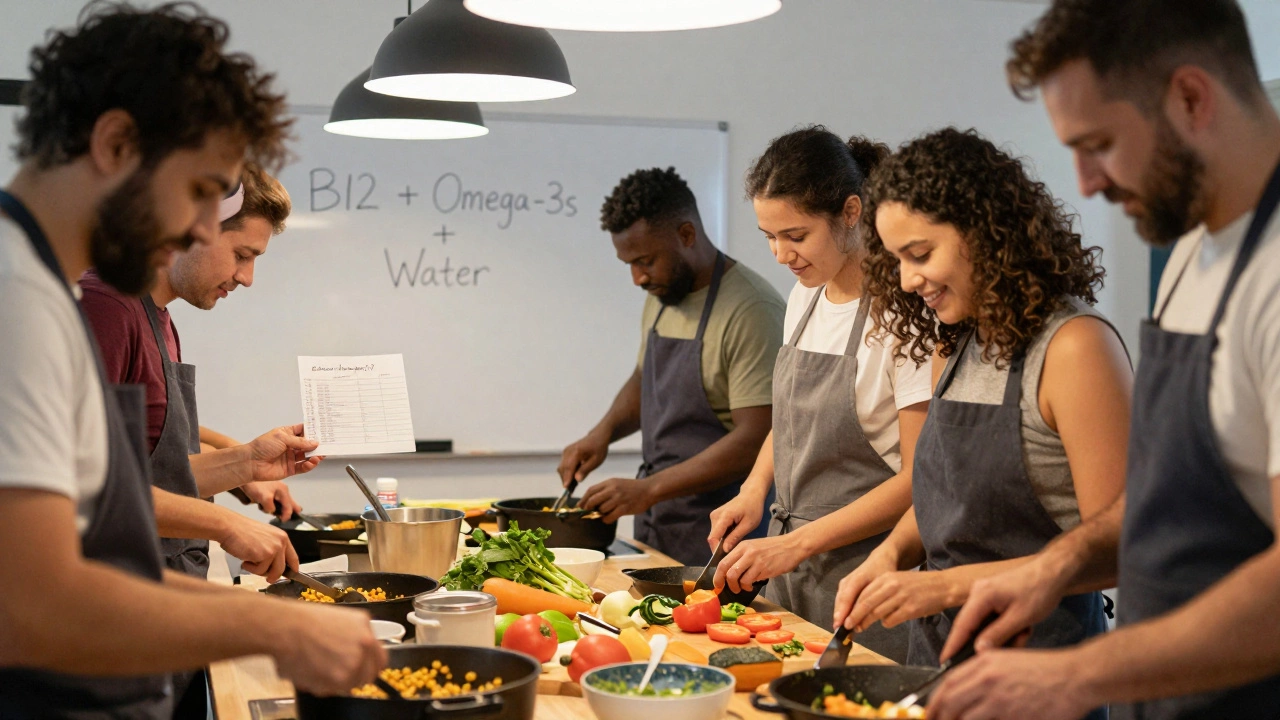
In Melbourne, a local vegan cooking group called Plant-Based Melbourne started a six-month challenge in 2024. They didn’t just tell people to go vegan - they taught them how to eat well. Participants got weekly meal plans, cooking demos, and blood tests.
At the end of six months:
- 87% reported clearer skin
- 79% said their skin felt more hydrated
- 92% had more energy
- Only 3 people had low B12 - and they’d skipped the supplement
Their faces didn’t look "vegan." They looked healthier. Because they ate better.
What About Protein?
"How do you get enough protein on a vegan diet?" is the question we hear most. And it’s the one that fuels the "vegan face" myth.
Here’s the math: an average adult needs about 0.8 grams of protein per kilogram of body weight. That’s 56 grams for a 70kg person. You can hit that easily with:
- 1 cup cooked lentils = 18g protein
- 1/2 cup tofu = 10g
- 2 tablespoons peanut butter = 8g
- 1 cup quinoa = 8g
- 1/4 cup almonds = 8g
That’s 52g right there - and you haven’t even eaten your veggies or snacks yet. You don’t need a protein shake. You don’t need supplements. You just need to eat a variety of whole plant foods.
What You Should Eat - Not What You Should Avoid
Instead of worrying about what’s missing, focus on what to add:
- Dark leafy greens - spinach, kale, bok choy - for vitamin C and iron
- Colorful vegetables - carrots, bell peppers, beets - for antioxidants
- Legumes - beans, lentils, chickpeas - for protein and fiber
- Seeds - flax, chia, hemp - for omega-3s
- Nuts - almonds, walnuts - for vitamin E and healthy fats
- Fortified foods - plant milks, nutritional yeast - for B12 and calcium
And drink water. Always. Skin health starts in your gut - but it shows up on your face.
The Bottom Line
There’s no such thing as a vegan face. There’s only a well-fed face - and a poorly fed one.
Go vegan because you care about animals, the planet, or your health. But don’t expect magic. Expect work. Eat real food. Cook at home. Don’t rely on vegan junk. Take your B12. Drink water. Sleep well. Move your body.
Then - and only then - you might notice your skin glowing. Not because you’re vegan. But because you’re eating like you mean it.
Can going vegan make your skin worse?
Yes - but only if you replace animal products with processed vegan junk food. Sugar, refined carbs, and fried foods cause inflammation and breakouts, no matter where they come from. A vegan diet full of whole plants usually improves skin - but a vegan diet full of fries and cookies will make it worse.
Do vegans age slower?
Not because they’re vegan, but because many vegans eat more fruits, vegetables, and antioxidants - which fight oxidative stress and slow skin aging. A 2023 study in the Journal of Nutritional Biochemistry found that people who ate the most plant foods had skin that looked up to 7 years younger than their chronological age, regardless of diet label.
Is B12 the only supplement vegans need?
B12 is the most critical - but not the only one. Vitamin D (especially in winter), iodine (from seaweed or iodized salt), and sometimes omega-3s from algae oil are also worth considering. Iron and zinc levels should be checked if you’re eating mostly grains and legumes. Regular blood tests are smarter than guessing.
Why do some vegans look pale?
Pale skin in vegans is usually a sign of low iron or B12 - not the diet itself. Iron from plants (non-heme iron) is less easily absorbed than from meat. Pairing iron-rich foods like lentils with vitamin C (bell peppers, citrus) boosts absorption. If you’re pale and tired, get your blood tested - don’t assume it’s "vegan face."
Can you look healthier without going vegan?
Absolutely. The real key to healthy skin is eating more plants - not cutting out animal products. Someone who eats meat but fills half their plate with vegetables, legumes, and whole grains will look better than a vegan who eats nothing but vegan cheese pizza. It’s not about labels. It’s about what’s on your plate.