
Vegan Breakfast Builder
Find the perfect morning meal in seconds. Filter by prep time or nutritional focus.
No matches found
Try selecting a different filter combination.
You might think a vegan breakfast is limited to dry toast and black coffee. Or worse, that it requires hours of prep before you’ve even had your first sip of water. The reality? It’s often easier than cooking eggs. You skip the cracking shells, the greasy pans, and the cholesterol worries. Instead, you get vibrant colors, diverse textures, and meals that keep you full until lunch without the mid-morning crash.
The confusion usually stems from what we don’t eat: no dairy milk, no butter, no eggs, no bacon. But once you swap those out, the pantry opens up. We’re talking about grains, legumes, fruits, nuts, seeds, and plant-based milks that have come a long way in texture and taste. Whether you have five minutes or an hour on Sunday, there’s a plate here for you. Let’s break down exactly what lands on the table, why it works, and how to make it taste incredible.
The Core Components of a Balanced Plant-Based Morning
Before diving into recipes, let’s look at the building blocks. A good vegan breakfast isn’t just about removing animal products; it’s about combining macronutrients effectively. If you only eat fruit, you’ll be hungry by 10 AM. If you only eat bread, you’ll feel sluggish. The sweet spot involves pairing complex carbohydrates with protein and healthy fats.
Think of your plate as having three pillars:
- Complex Carbs: Oats, whole-grain toast, quinoa, buckwheat, or sweet potatoes. These provide sustained energy.
- Plant Protein: Tofu, tempeh, chickpeas, lentils, hemp seeds, chia seeds, or pea protein powder. This keeps you satiated.
- Healthy Fats: Avocado, nuts, nut butters, coconut oil, or flaxseeds. These aid nutrient absorption and brain function.
When you hit all three, you avoid the blood sugar spike-and-crash cycle common with sugary cereals or pastries. For example, oatmeal alone is carb-heavy. Add almond butter (fat) and hemp hearts (protein), and suddenly it’s a balanced meal. This structure applies whether you’re eating savory or sweet.
Savory Staples That Replace Eggs
Eggs are the default breakfast for many cultures, so replacing them feels like the biggest hurdle. But plants offer surprisingly convincing alternatives. The key is seasoning and texture.
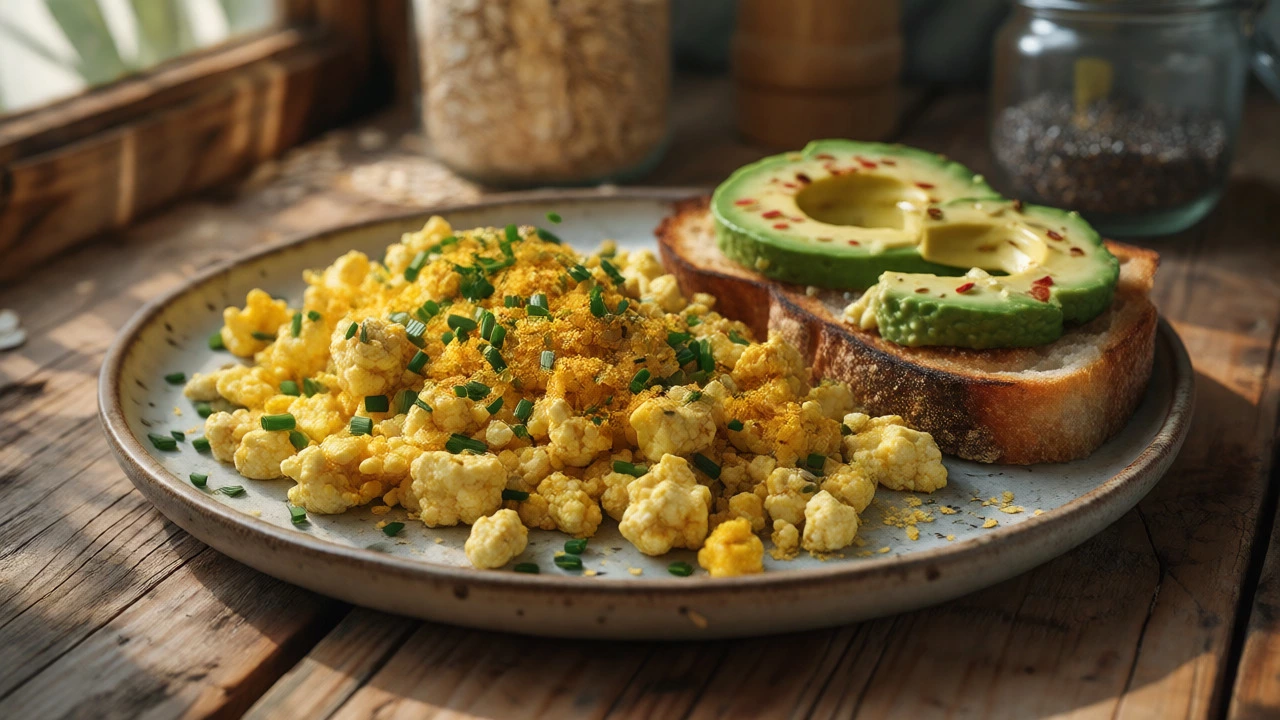
Tofu Scramble is the heavyweight champion here. It’s not just mashed tofu; it’s crumbled firm tofu cooked with turmeric (for color), nutritional yeast (for cheesy flavor), garlic powder, and black salt (kala namak). That last ingredient is crucial-it has a sulfur smell similar to eggs. When you mix these together, the result looks and tastes remarkably like scrambled eggs. Serve it on toast with avocado, and most people won’t guess it’s soy.
If tofu isn’t your thing, try Chickpea Flour Omelets. Also known as socca when baked flat, this batter cooks up fluffy and golden. Mix chickpea flour with water, spices, and chopped veggies like spinach or bell peppers. Pour it into a hot pan like a crepe. It holds together well and offers a high-protein start to the day.
For something quicker, consider Tempeh Bacon. Thinly sliced tempeh marinated in soy sauce, maple syrup, and liquid smoke, then pan-fried until crisp. It adds that salty, umami crunch missing from plain veggie plates. Pair it with roasted potatoes or hash browns for a hearty comfort meal.
Sweet Classics Made Better
Sweet breakfasts don’t have to mean sugar bombs. In fact, some of the best vegan morning foods are naturally sweetened by fruit.
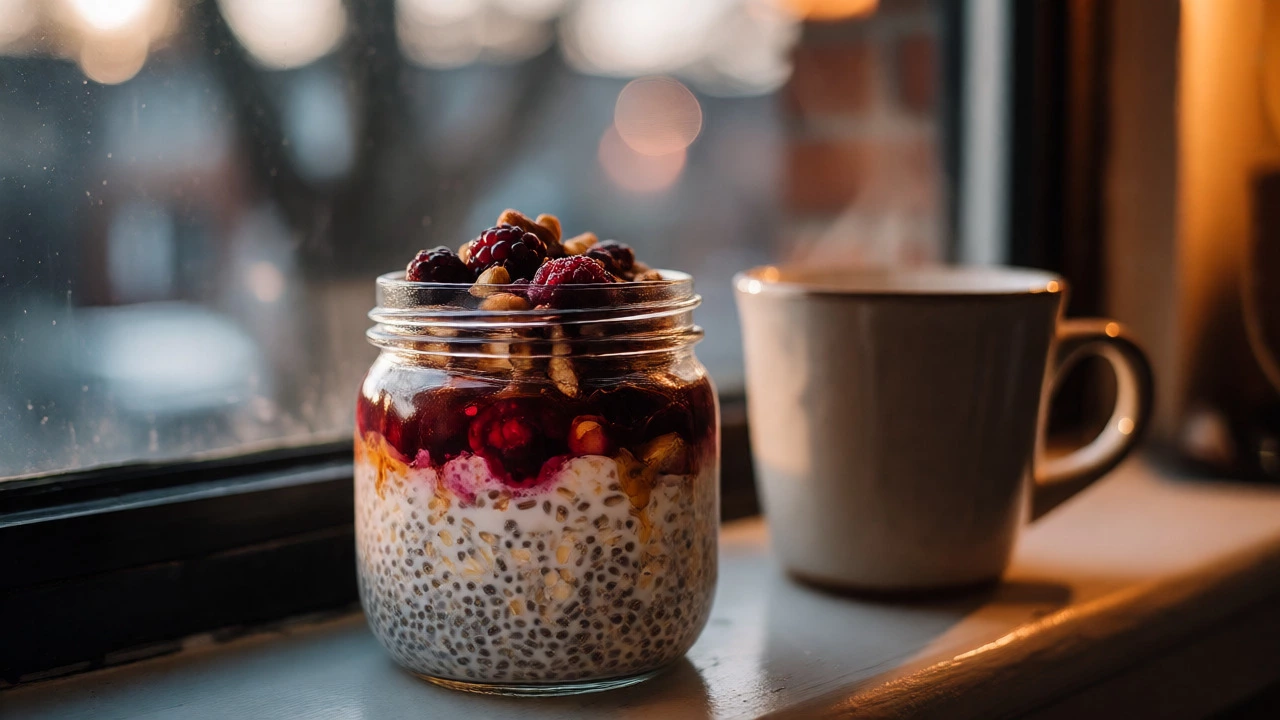
Overnight Oats are the ultimate time-saver. You mix rolled oats with plant milk (oat, almond, or soy work best for creaminess), chia seeds, and a sweetener like maple syrup or mashed banana. Jar it up the night before, and by morning, it’s a pudding-like consistency. Top with berries, nuts, or coconut flakes. It’s portable, cold, and requires zero cooking skills.
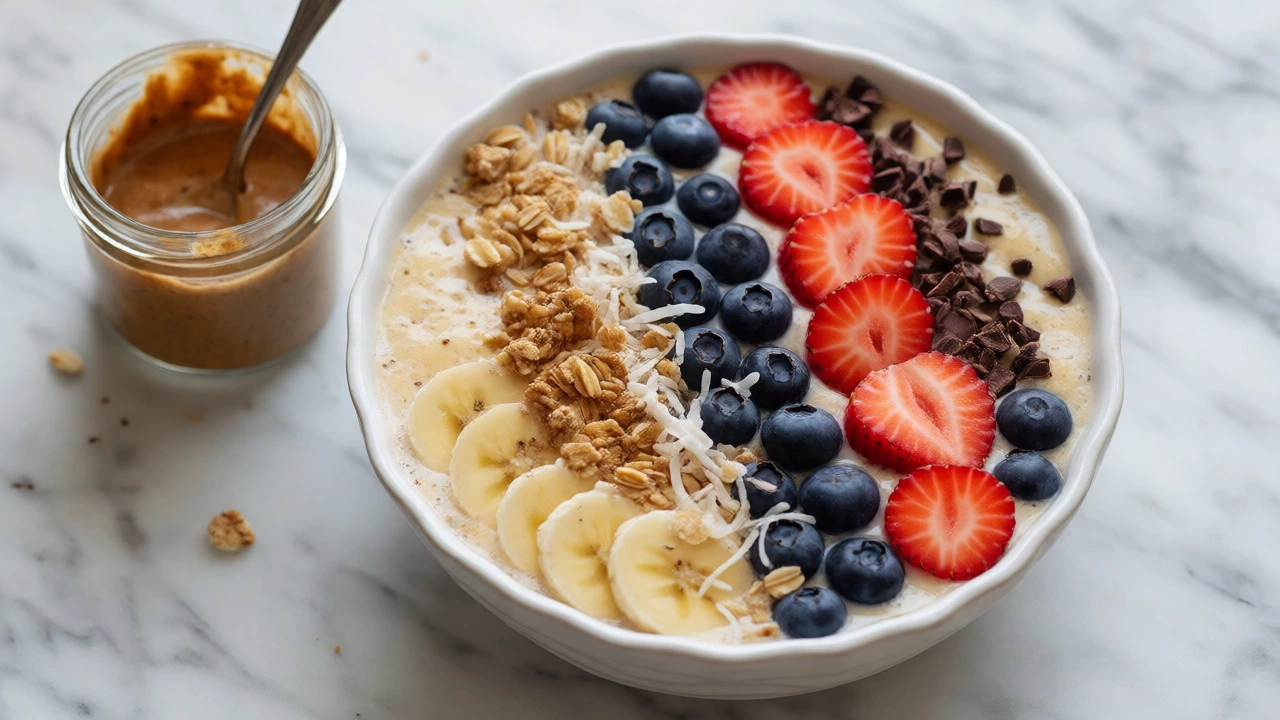
Want something warm? Try Smoothie Bowls. Blend frozen bananas with a splash of plant milk and protein powder until thick-thicker than a drinkable smoothie. Pour it into a bowl and pile on toppings. Granola, sliced almonds, cacao nibs, and fresh fruit add texture. The contrast between the creamy base and crunchy toppings makes it satisfying rather than boring.
Don’t forget Banana Pancakes. Mash one ripe banana and mix with half a cup of oat flour and a pinch of baking powder. No eggs needed. The banana acts as the binder. Cook small discs in a non-stick pan. They’re moist, naturally sweet, and ready in ten minutes. Serve with peanut butter instead of syrup to keep the glycemic load lower.
Quick Grab-and-Go Options
Mornings are chaotic. Sometimes you need food you can eat while brushing your teeth or walking to the car. Vegan options excel here because many require no refrigeration until opened.
Chia Pudding is similar to overnight oats but uses chia seeds as the base. Chia absorbs ten times its weight in liquid, creating a gel. Mix three tablespoons of chia seeds with a cup of coconut milk and vanilla extract. Let it sit for at least two hours or overnight. It’s rich in omega-3 fatty acids and fiber. Because it’s dense, you only need a small portion to feel full.
Nut Butter Toast gets a bad rap for being simple, but done right, it’s gourmet. Use sourdough or seeded bread for extra nutrition. Spread almond, cashew, or sunflower seed butter generously. Top with sliced strawberries, banana rounds, or a drizzle of tahini. The combination of fiber from the bread, fat from the nut butter, and vitamins from the fruit creates a complete mini-meal.
For pure speed, grab a handful of Trail Mix. Make your own blend with walnuts, pumpkin seeds, dried cranberries, and dark chocolate chips. Portion it into small bags during the week. It’s calorie-dense, which is great if you have a high-energy job, but watch the portions since nuts are easy to overeat.
Comparison of Popular Vegan Breakfast Types
To help you decide what fits your lifestyle, here’s a breakdown of common categories based on prep time, protein content, and satiety.
| Breakfast Type | Prep Time | Protein Source | Best For |
|---|---|---|---|
| Tofu Scramble | 10-15 mins | Firm Tofu | Weekend brunches or when craving savory/hearty meals |
| Overnight Oats | 5 mins (night before) | Oats + Chia/Nuts | Busy weekdays, meal preppers, cold weather avoidance |
| Smoothie Bowl | 5-7 mins | Protein Powder/Fruit | Post-workout, light eaters, visual appeal lovers |
| Chickpea Omelet | 10-12 mins | Chickpea Flour | Gluten-free needs, egg replacements |
| Nut Butter Toast | 2-3 mins | Nut Butter | Extreme time constraints, minimal cleanup |
Common Pitfalls and How to Fix Them
New vegans often struggle with breakfast not because of lack of options, but because of poor substitutions. Here are the most frequent mistakes.
Relying too much on processed mock meats. While vegan sausages and bacon bits exist, they’re often high in sodium and saturated fats (coconut oil). Eating them daily can leave you feeling bloated. Reserve them for occasional treats and focus on whole foods like beans, grains, and vegetables for your daily driver.
Ignoring calcium and B12. Dairy was a primary source of calcium for many. Without it, you need to fortify your diet. Use fortified plant milks and yogurts. Check the label for "Calcium Carbonate" or "Tricalcium Phosphate." Similarly, Vitamin B12 is hard to get from plants alone. A multivitamin or fortified cereal is a smart insurance policy.
Under-seasoning. Plants don’t have the inherent umami punch of meat or eggs. You must add it back. Use smoked paprika, cumin, nutritional yeast, miso paste, or soy sauce liberally. Taste your food before serving. If it tastes bland, it probably needs more salt or acid (lemon juice/vinegar).
Sample Weekly Meal Plan
Stuck on variety? Here’s a simple rotation to keep things interesting without overwhelming your grocery list.
- Monday: Overnight oats with apple slices and cinnamon. Prep Sunday night.
- Tuesday: Tofu scramble with sautéed kale and mushrooms. Serve with rye toast.
- Wednesday: Smoothie bowl with frozen mango, coconut milk, and granola topping.
- Thursday: Chickpea flour omelet with red pepper flakes and fresh herbs.
- Friday: Banana pancakes with peanut butter and blueberries.
- Saturday: Full vegan fry-up: tempeh bacon, roasted potatoes, grilled tomatoes, and mushrooms.
- Sunday: Chia pudding with mixed berries and shredded coconut. A lighter end to the week.
This plan covers sweet, savory, hot, and cold options. It ensures you get different nutrients throughout the week. Notice how the weekend allows for more elaborate cooking, while weekdays rely on quick or prepped items.
Frequently Asked Questions
Do vegans eat cheese for breakfast?
Yes, but it’s plant-based cheese made from nuts, soy, or coconut oil. Many people use vegan cheddar shreds on tofu scrambles or vegan cream cheese on bagels. However, many prefer nutritional yeast for a cheesy flavor without the processed ingredients.
Is honey okay for vegans?
Strictly speaking, no. Honey is an animal product. Vegans typically substitute it with maple syrup, agave nectar, date syrup, or brown rice syrup. These provide similar sweetness and viscosity for oatmeal or pancakes.
How do vegans get enough protein in the morning?
By focusing on tofu, tempeh, chickpeas, lentils, hemp seeds, chia seeds, and plant-based protein powders. Adding a tablespoon of nut butter or a scoop of protein powder to smoothies or oats significantly boosts the protein count compared to traditional cereal.
Can I eat cereal on a vegan diet?
Many cereals are accidentally vegan, but check labels for milk derivatives or vitamin D3 (often derived from lanolin/sheep wool). Look for brands labeled vegan or choose whole grain options like shredded wheat or puffed rice. Always pair with fortified plant milk for calcium.
What is nutritional yeast?
It’s an inactive form of yeast sold as yellow flakes or powder. It has a nutty, cheesy flavor and is often fortified with B12. Vegans sprinkle it on popcorn, pasta, or tofu scrambles to add depth and umami without using dairy.